

Executive Overview
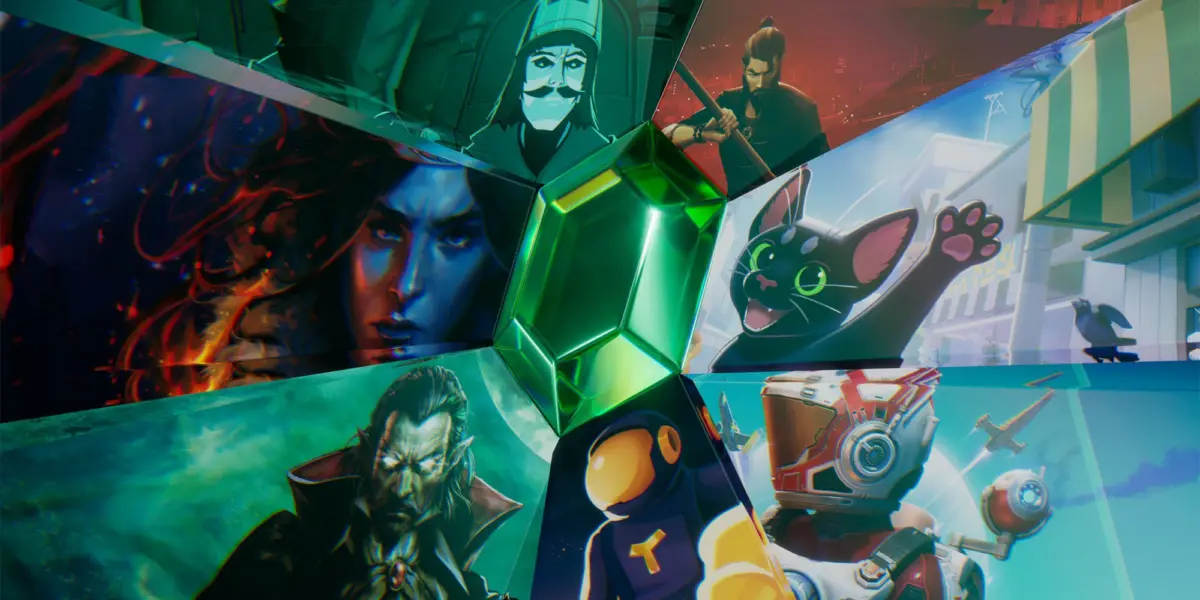
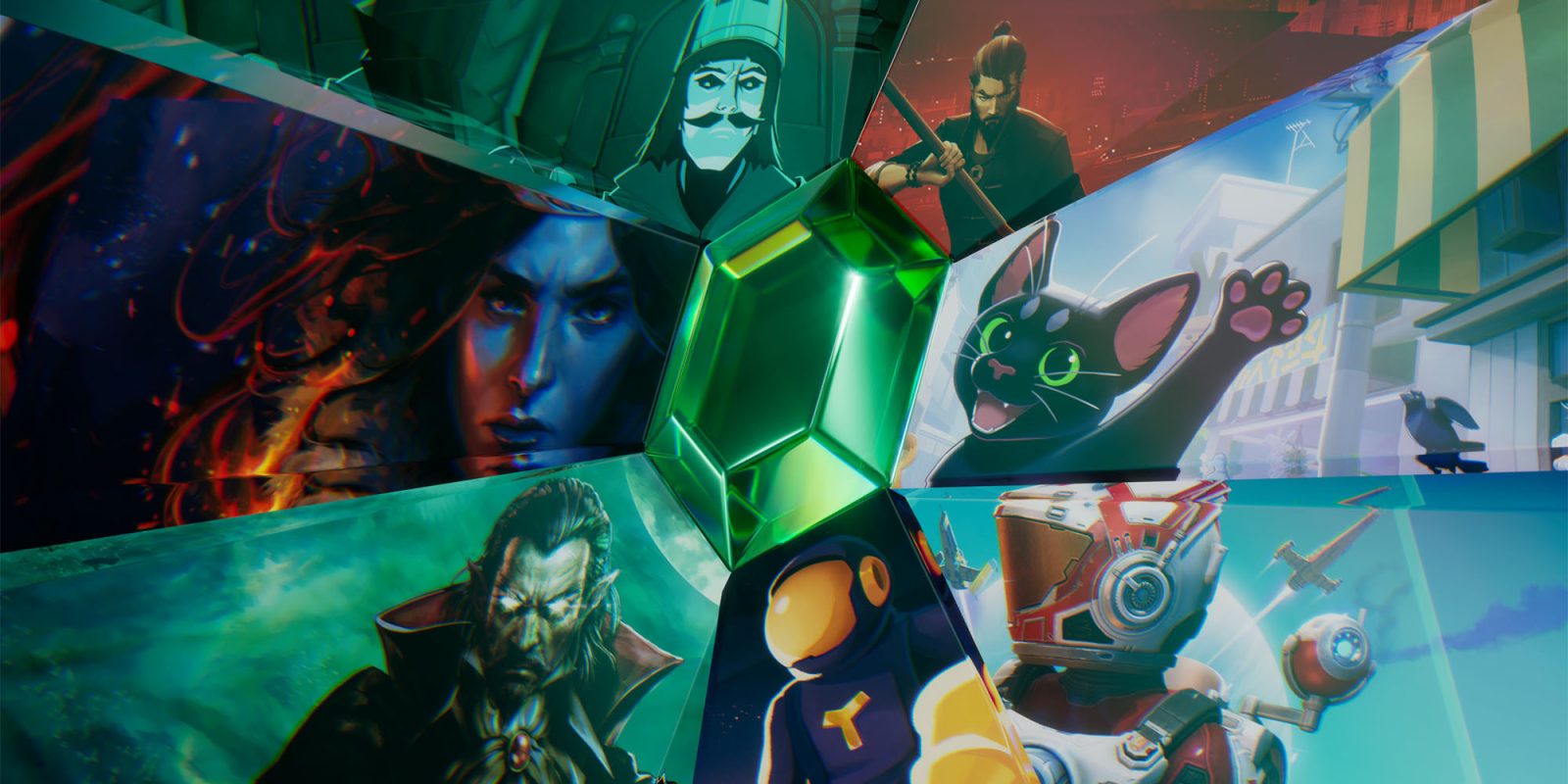
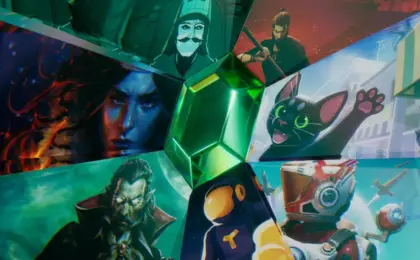
In an ongoing effort to champion independent creators and spotlight the diverse ecosystem of mobile software, Apple has officially launched its annual "Indie Games Week" on the iOS App Store. Announced via the Apple Newsroom, this week-long celebration focuses on the intersection of technical innovation, artistic merit, and narrative depth by casting a global spotlight on seven standout indie titles—some newly launched and others making their much-anticipated debut in the near future.
Independent developers have long been the beating heart of gaming innovation, operating without the massive financial safety nets or predictable corporate structures of major AAA studios. By utilizing the App Store’s massive global reach, Apple aims to bridge the gap between niche artistic passion projects and a worldwide audience of billions of active iPhone and iPad users.
Headlining the event is an official statement from Carson Oliver, Apple’s Head of App Store Worldwide, who underscored the tech giant’s commitment to fostering bold, creative risks in the mobile gaming sector. As mobile hardware continues to evolve—boasting console-quality processing speeds, advanced ray-tracing graphics via Apple Silicon, and seamless controller integration—indie games are uniquely positioned to push the boundaries of what is possible in the palm of a user’s hand.
This comprehensive report examines the significance of Indie Games Week, analyzes the philosophy behind Apple’s curation process, explores the strategic importance of the App Store as a platform for indie creators, and looks forward to the future trajectory of independent mobile gaming.
Detailed Chronology: The Evolution of Indie Curation on the App Store
To understand the weight and significance of Indie Games Week, it is crucial to examine the historical trajectory of how independent developers have been treated within the digital storefront ecosystem.
The Early Years: Discovery Challenges
When the App Store first launched in 2008, it revolutionized software distribution, making it easier than ever for small teams to publish applications. However, as the digital catalog expanded from hundreds of apps to millions, discoverability quickly became the single greatest hurdle for independent developers. Unlike large publishers with massive marketing budgets capable of driving user acquisition through targeted ad campaigns, solo developers and small studios often struggled to cut through the noise.
The Rise of Curated Spotlights
Recognizing that the long-term health of the App Store depended on a diverse and vibrant ecosystem of creative applications, Apple gradually shifted its strategy. Rather than relying purely on algorithmic sorting—which often favored established franchises and free-to-play titles with high monetization metrics—Apple introduced human-curated features.
Editorial initiatives such as "Game of the Day," "Developer Spotlight," and dedicated seasonal events like Indie Games Week were born out of a necessity to level the playing field. These initiatives gave brilliant, unconventional projects a fighting chance by placing them directly on the App Store’s front page, exposing millions of casual and hardcore gamers alike to fresh, groundbreaking experiences.
The Modern Era: Premium Quality on Mobile
In recent years, the maturation of mobile hardware has transformed indie games from simple, hyper-casual time-killers into profound artistic expressions. With devices like the iPhone 15 Pro, iPhone 16 lineup, and latest iPads featuring advanced graphics architectures capable of running console-tier engines like Unreal and Unity, indie developers are no longer compromising on scope or vision. Indie Games Week 2026 marks a high-water mark for this evolution, celebrating titles that merge artistic integrity with cutting-edge technical performance.
Supporting Context & Metrics: The State of Independent Mobile Gaming
The economics and culture of independent game development have undergone a dramatic transformation over the past decade. To fully appreciate why Apple’s Indie Games Week matters, one must look at the broader industry metrics and trends shaping the mobile gaming landscape.
The Democratization of Game Development Tools
The barriers to entry for game development have lowered significantly. Modern game engines, open-source libraries, and affordable asset stores mean that a solo developer working from a laptop can build a visually stunning, mechanically complex game that rivals studios twenty times their size. However, while making a game has become more accessible, monetizing and marketing that game remains a monumental challenge.
The Discovery Dilemma in Numbers
According to recent digital marketplace analyses, over a thousand new applications and games are submitted to the App Store daily. In such a hyper-saturated market, organic discovery is remarkably difficult. Studies show that a vast majority of app downloads are concentrated among the top 1% of publishers. Featured placements, therefore, are not merely nice-to-have accolades; they are often life-or-death milestones for independent studios, directly correlating with sustainability, studio longevity, and the financial freedom to fund future projects.
The Shift Toward Narrative and Art
Historically, mobile gaming was dominated by quick puzzle games and endless runners designed for short bursts of engagement. Today, indie developers are redefining what mobile gaming feels like. Titles featuring emotional storytelling, hand-drawn art styles, deeply philosophical premises, and complex mechanics are finding a passionate audience on iOS. Apple’s curation deliberately highlights these boundary-pushing artistic endeavors, proving that mobile devices are legitimate canvases for high art and deep storytelling.
Official Statements and Industry Perspectives
At the center of Apple’s announcement is a clear articulation of corporate philosophy regarding software curation and creative risk. In the official press release, Carson Oliver, Apple’s head of App Store Worldwide, provided deep insight into why Apple continues to champion independent creators:
"Indie games are constantly pushing the boundaries of creativity to deliver unique gameplay experiences to Apple users, and we wanted to take a moment to celebrate these games and the teams that take creative risks to push gaming forward. Whether from a solo developer or a growing studio, the App Store gives bold ideas a global stage — turning daring visions into worldwide hits. We’re thrilled with the incredible games launching on the App Store this week and amazed by their breathtaking artistry, brilliant design, and deeply moving stories."
Industry Implications of Oliver’s Statement
Oliver’s remarks highlight several key pillars of Apple’s current App Store strategy:
- Celebrating Risk-Tolerance: While major corporate publishers are often risk-averse—relying on tried-and-tested sequels and established intellectual property—indie developers thrive on experimentation. Apple is positioning itself as the home for these daring visions.
- Global Reach for Small Teams: The democratization of distribution means a developer in a remote corner of the world can launch a title in Cupertino and instantly reach a global audience spanning over 175 countries.
- Holistic Appreciation: By explicitly mentioning "breathtaking artistry, brilliant design, and deeply moving stories," Apple is reinforcing the notion that games are cultural artifacts worthy of critical acclaim, equal to cinema and literature.
Future Outlook: Where is Mobile Indie Gaming Headed?
As we look beyond Indie Games Week and toward the future of the App Store, several exciting trends are beginning to take shape, promising an even brighter horizon for independent developers and iOS gamers alike.
Cross-Platform Harmony and Apple Silicon
With Apple aggressively pushing gaming on macOS, iPadOS, and iOS through powerful Apple Silicon chips (such as the M-series and A-pro series processors), developers now enjoy unprecedented architectural continuity. An indie developer can build a game targeting Metal API optimization and seamlessly deploy it across iPhones, iPads, and Mac computers with minimal friction. This cross-device ecosystem expands the potential monetization avenues for independent studios, allowing players to start a game on their Mac and continue their progress seamlessly on their iPhone while commuting.

Controller Integration and Cloud-Adjacent Play
The stigma of touch-only controls holding back mobile gaming is rapidly dissolving. With native support for PlayStation, Xbox, and MFi (Made for iPhone) controllers baked deep into iOS, indie developers are designing complex platformers, action RPGs, and tactical strategy games that demand precision input. Players no longer have to compromise on traditional gaming mechanics when gaming on mobile devices.
Subscription Services and Curated Discovery
Services like Apple Arcade have also altered the indie landscape by providing developers with predictable upfront funding and a guaranteed revenue share, removing the anxiety of the ad-driven, free-to-play economy. While Indie Games Week celebrates traditional app store releases, the broader ecosystem increasingly supports indie creators through curated subscription models that value quality and player satisfaction over aggressive microtransactions.
Conclusion
Apple’s Indie Games Week is more than just a promotional banner on the App Store; it is a vital celebration of human creativity, resilience, and artistic passion. By lifting the veil on the seven featured titles and amplifying the voices of independent creators, Apple reinforces the idea that the future of gaming innovation doesn’t necessarily lie within monolithic boardrooms, but rather in the imaginative minds of solo developers and small, daring studios. As mobile hardware continues to mature, the boundary between mobile gaming and traditional console gaming will continue to blur, ensuring that indie developers remain at the vanguard of interactive entertainment for years to come.







Belum ada komentar. Jadilah yang pertama berkomentar!