

Executive Overview
The mobile gaming landscape is on the brink of a seismic shift. Following initial teasers that showcased the aggressive, futuristic design aesthetic of Lenovo’s upcoming flagship gaming smartphone—the Legion Y90—the industry has been waiting with bated breath for a glimpse beneath the hood. Now, a massive specification leak has blown the lid off the device, detailing a powerhouse engineered to obliterate performance benchmarks and redefine what consumers can expect from pocket-sized gaming rigs.
According to deep-dive leaks originating from reliable tipster Panda is bald via the Chinese social media platform Weibo, the Lenovo Legion Y90 is not merely an iterative upgrade; it is a statement of intent. Combining Qualcomm’s absolute latest silicon with unprecedented RAM configurations, advanced cooling architectures, and a high-refresh-rate display tailored for competitive play, Lenovo is positioning the Legion Y90 at the absolute apex of the mobile hardware ecosystem.
As mobile titles demand increasingly complex graphics engines, higher frame rates, and instantaneous touch responses, hardware manufacturers find themselves in an arms race to deliver desktop-class performance in a passively cooled smartphone chassis. The Legion Y90 emerges as a prime contender in this arena, boasting specifications that rival—and in some memory configurations, surpass—many contemporary mid-range laptops.
This comprehensive report examines the leaked specifications of the Lenovo Legion Y90, analyzing its display technology, processing power, memory headroom, thermal management solutions, and its broader implications for the competitive mobile gaming market as we approach its anticipated mid-2022 launch window.
Detailed Chronology: From Concept Teasers to Complete Specification Leaks
Understanding the trajectory of the Lenovo Legion Y90 requires tracing its path through the rumor mill and official marketing channels. The journey of the Legion Y90 began with calculated drip-feeds from Lenovo’s executive team and official channels, designed to build anticipation within the enthusiast community.
Phase 1: The Design Reveal
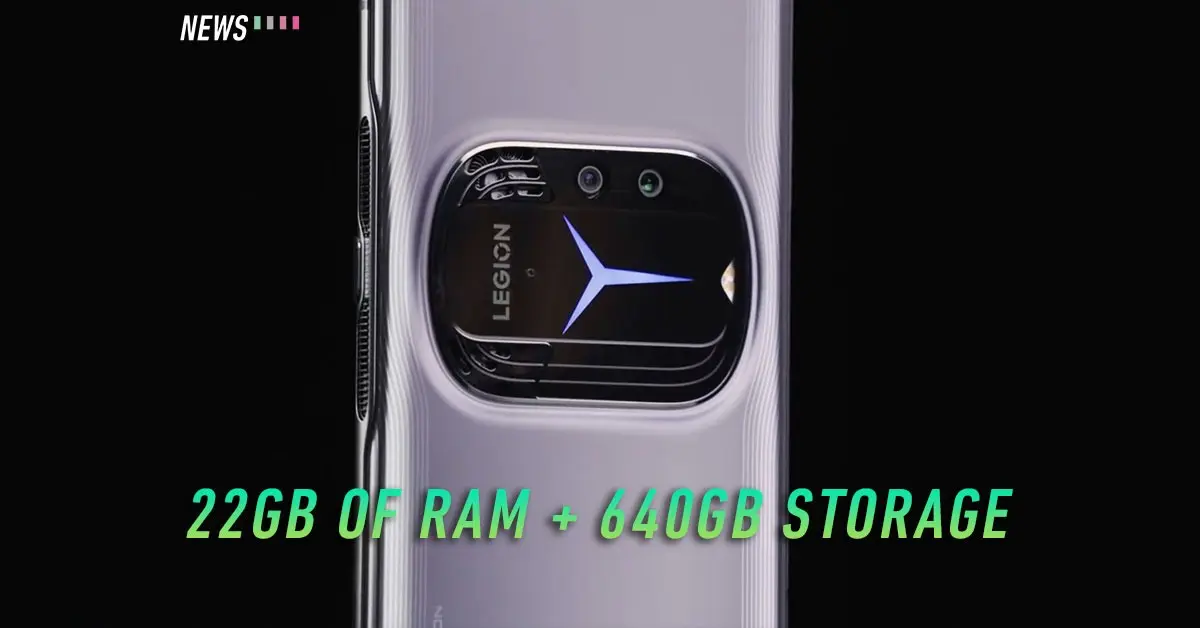
In the weeks leading up to the specification leak, Lenovo released official teaser material highlighting the industrial design language of the Legion Y90. Eschewing the subtle curves of mainstream flagship smartphones, the Legion brand has consistently embraced an unapologetically "gamer-centric" aesthetic. The teaser showcased a symmetrical rear chassis featuring the iconic illuminated Legion logo, aggressive geometric lines, and a central hump designed to house advanced cooling infrastructure and camera arrays. Unlike devices that attempt to hide their gaming DNA, the Legion Y90 was revealed as a specialized tool built for horizontal, landscape-oriented gaming sessions.
Phase 2: The Weibo Leak Breakthrough
The narrative shifted dramatically when prominent industry insider Panda is bald took to Weibo to publish comprehensive hardware metrics. Leaked screenshots of system information panels and internal spec sheets provided concrete data points, filling in the blanks left by Lenovo’s design reveals. This leak transformed the Legion Y90 from an intriguing design concept into a tangible powerhouse with jaw-dropping specifications.
Phase 3: Cross-Platform Validation
Shortly after the initial Weibo publication, technology outlets and hardware analysts—including Notebookcheck—began corroborating the data. The leak not only outlined the standalone phone specs but also placed the device within the broader context of Lenovo’s upcoming ecosystem refresh, which reportedly includes the Legion Y700 gaming tablet.
This chronology underscores a well-orchestrated product lifecycle where leaks act as a catalyst for viral marketing, keeping the enthusiast community engaged while manufacturers finalize mass production and regional release strategies.
Supporting Context & Metrics: Decoding the Hardware Architecture
A spec sheet is only as good as the sum of its parts. To truly understand why the Lenovo Legion Y90 is generating such intense industry buzz, we must break down its technical specifications across key pillars: display, performance, memory, storage, power, and thermal management.
1. Visual Immersion: The 6.92-Inch AMOLED Display
At the front of the device lies a massive 6.92-inch AMOLED panel. For competitive mobile gamers, screen real estate is critical, and a nearly seven-inch canvas provides ample room for complex control layouts in titles like PUBG Mobile, Call of Duty: Mobile, and Genshin Impact without obstructing crucial visual feedback.
Beyond sheer size, the display parameters are tuned explicitly for high-octane performance:
- 144Hz Refresh Rate: Ensures butter-smooth motion clarity, drastically reducing motion blur during fast-paced panning and tracking movements.
- 720Hz Touch Sampling Rate: Translates to near-instantaneous touch registration. In competitive scenarios where milliseconds dictate victory or defeat, a high touch sampling rate ensures that physical inputs are registered by the game engine with virtually zero latency.
2. Processing Dominance: Snapdragon 8 Gen 1 and 22GB RAM Capable
Under the hood, the Legion Y90 houses Qualcomm’s flagship Snapdragon 8 Gen 1 System-on-Chip (SoC). Built on an advanced 4nm manufacturing process, this processor delivers substantial generational leaps in CPU performance, GPU rendering capabilities, and artificial intelligence processing compared to its predecessor.
However, the headline-grabbing metric is undoubtedly the memory configuration:
- 18GB of Physical LPDDR5 RAM: A staggering amount of memory for a mobile device, ensuring that background tasks never interfere with active gaming performance.
- 4GB of Virtual RAM Expansion: By leveraging internal storage as a swap space, the device can scale up to an unbelievable 22GB of total RAM. While virtual RAM operates at slower speeds than physical LPDDR5 modules, it provides an expansive safety net for extreme multitasking and memory-heavy workloads.
- Up to 640GB Storage: The leaked configurations reveal massive storage ceilings, allowing users to store dozens of high-definition game installations locally without resorting to cloud storage or offloading apps.
3. Ergonomics and Controls: Dual X-Axis Motors and Shoulder Keys
Physical controls remain a primary differentiator between standard flagships and dedicated gaming smartphones. The Legion Y90 addresses this by incorporating:
- 2×2 Shoulder Triggers: Capacitive or physical shoulder buttons that allow users to map complex in-game actions (such as aiming, firing, or gear switching) away from the touchscreen, effectively transforming the smartphone into a console controller hybrid.
- Dual X-Axis Linear Motors: Providing sophisticated, directional haptic feedback that simulates physical impacts, weapon recoil, and environmental cues with pinpoint accuracy.
4. Endurance and Thermal Architecture
Gaming puts immense strain on battery and thermal limits. The Legion Y90 attempts to balance longevity and cooling through:
- 5,600mAh Battery: A high-capacity power cell designed to sustain extended gaming sessions away from the wall.
- 68W Fast Charging: Ensures that when the battery does deplete, downtime is minimized, getting the device back into the hands of the user rapidly.
- Double Engine Air Cooling Technology: A proprietary active or passive thermal dissipation system designed to combat thermal throttling. By maintaining lower sustained temperatures, the Snapdragon 8 Gen 1 can maintain peak performance output over hours of continuous play rather than ramping down clock speeds due to heat buildup.
- Dual Dolby Atmos Speakers: Delivering immersive, front-firing spatial audio for situational awareness in competitive multiplayer environments.
Official Statements and Industry Implications
While Lenovo has yet to publish a comprehensive, formal press release detailing every leaked metric, the brand’s marketing strategy has consistently emphasized uncompromising performance. In previous statements regarding the Legion ecosystem, Lenovo executives have stressed their commitment to building devices from the ground up specifically tailored to the ergonomic and computational needs of gamers, rather than simply slapping a "gaming" moniker on a standard consumer phone.
Industry analysts view the Legion Y90 as part of a maturing niche. Once considered a novelty, gaming smartphones have carved out a loyal, high-spending demographic. Competitors such as ASUS (ROG Phone series), RedMagic (Nubia), and Black Shark have all established footholds in this market.
The introduction of the Legion Y90—with its extreme 22GB RAM capability and 640GB storage ceiling—raises the bar for what consumers expect from top-tier gaming hardware. It forces competing brands to re-evaluate their own roadmap specifications, particularly regarding memory scaling and thermal management. Furthermore, the rumored simultaneous launch with the Legion Y700 gaming tablet indicates that Lenovo is building a cohesive, cross-platform gaming ecosystem designed to capture users across multiple form factors.
Future Outlook: What to Expect Next
As we look toward the official launch window, several critical questions remain for the Lenovo Legion Y90:
- Global Availability vs. Regional Exclusivity: Many high-end gaming smartphones, particularly those featuring aggressive pricing and bleeding-edge specs, debut exclusively in China before seeing limited or delayed international releases. Enthusiasts outside of Asian markets will be watching closely to see if Lenovo plans a robust global rollout.
- Pricing Strategy: With specifications that rival high-end gaming laptops, pricing will dictate whether the Legion Y90 remains an ultra-niche enthusiast product or manages to capture mainstream mobile gamers looking for ultimate performance.
- Real-World Thermal Performance: While the "Double Engine Air Cooling Technology" sounds promising on paper, independent benchmarking will ultimately determine how well the Legion Y90 manages sustained Snapdragon 8 Gen 1 thermal output during prolonged, high-intensity gaming sessions.
Conclusion
The leaked specifications of the Lenovo Legion Y90 paint a picture of an uncompromising mobile gaming juggernaut. From its expansive 144Hz AMOLED display and 720Hz touch sampling rate to its jaw-dropping 22GB maximum RAM configuration and dedicated shoulder triggers, Lenovo is leaving nothing to chance in its quest for mobile gaming supremacy.
With an official launch anticipated before mid-2022—likely alongside the Legion Y700 tablet—the countdown has begun. As the mobile hardware market braces for its arrival, one thing is certain: the battle for the ultimate gaming smartphone crown is about to reach a boiling point. Stay tuned as we continue to track official announcements, pricing details, and hands-on reviews of Lenovo’s upcoming titan.









Belum ada komentar. Jadilah yang pertama berkomentar!