

Executive Overview
In the rapidly evolving landscape of digital entertainment, independent video game developers continue to serve as the beating heart of innovation, risk-taking, and artistic expression. Recognizing the monumental impact these smaller studios and solo creators have on the gaming ecosystem, Apple has officially launched its annual "Indie Games Week" on the App Store.
Kicking off globally, this week-long celebration is designed to shine a high-profile spotlight on groundbreaking independent titles that have either recently launched or are gearing up for their much-anticipated debuts on Apple devices. By leveraging the immense reach of the App Store—a marketplace touching hundreds of millions of active users daily—Apple is offering a coveted platform to visionary developers whose creative risks often push the entire interactive medium forward.
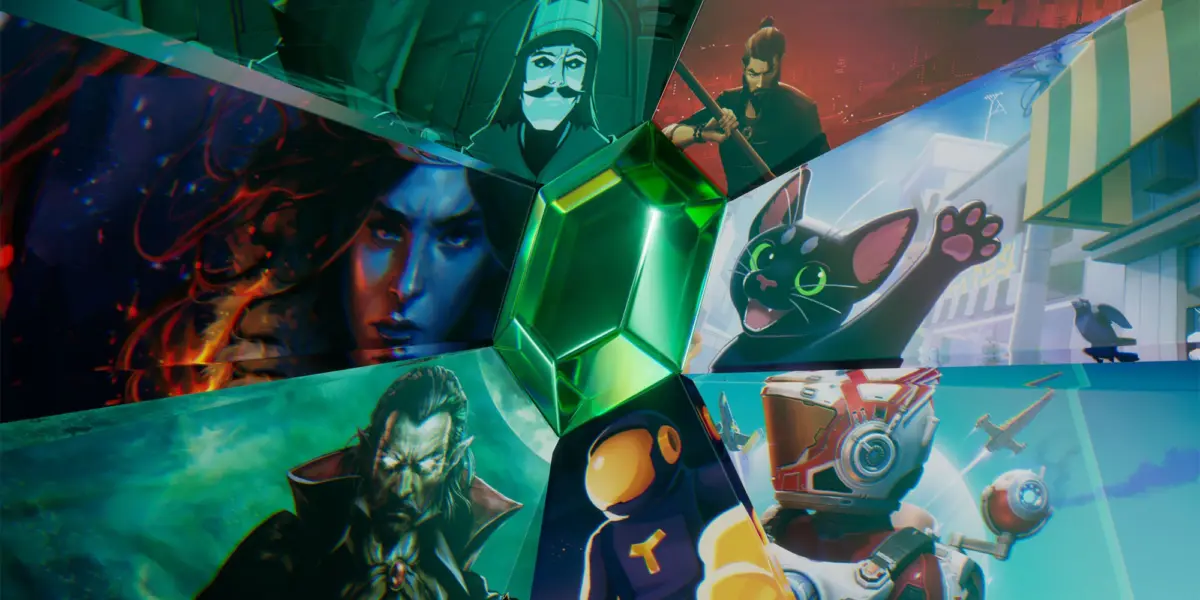
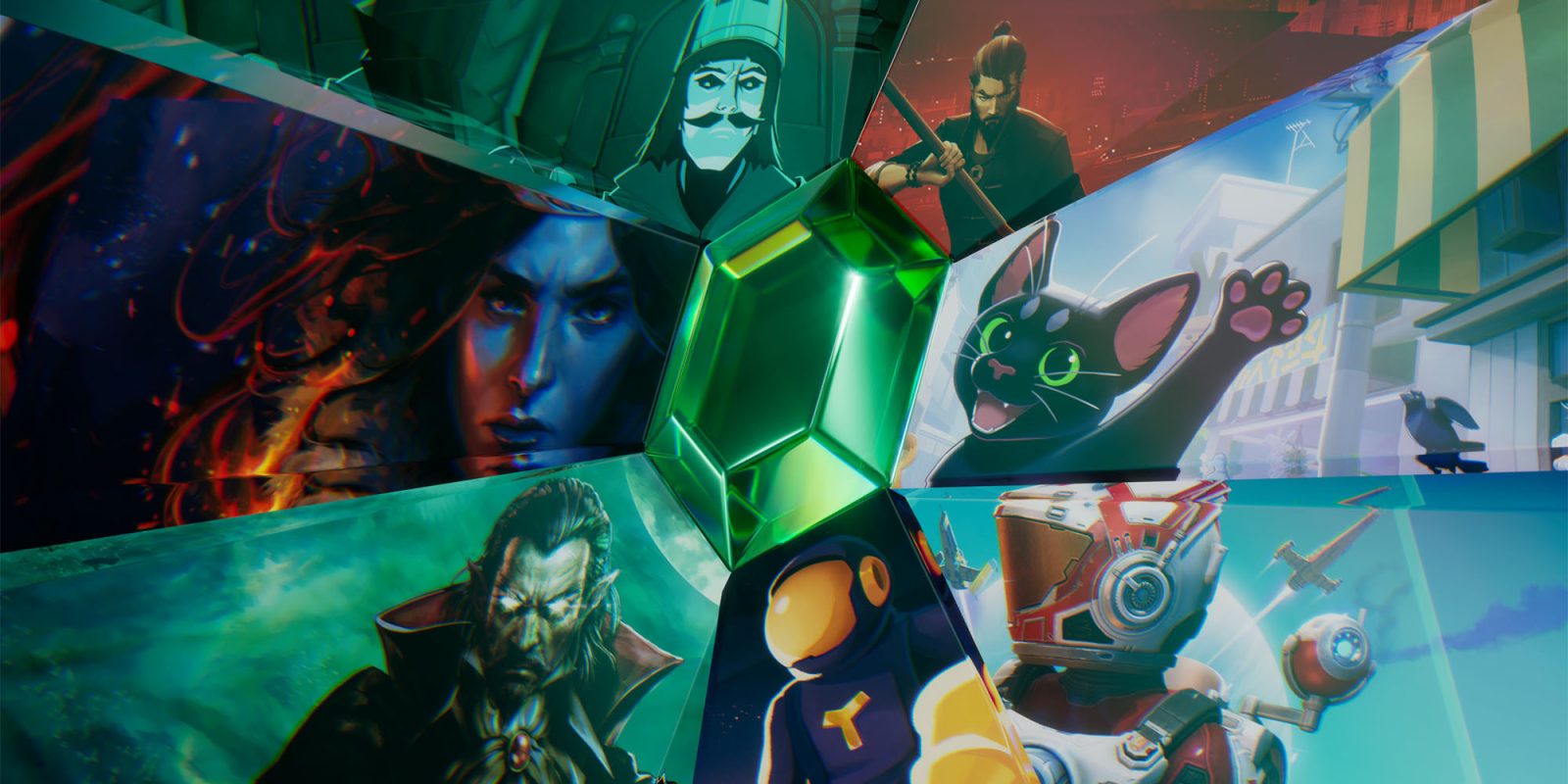
At the core of this year’s showcase are seven newly highlighted titles handpicked by Apple’s curation teams. These games span a diverse array of genres, artistic styles, and narrative depths, proving once again that mobile devices are no longer just platforms for casual, bite-sized time-killers, but powerful canvases for deeply moving, graphically stunning, and mechanically complex interactive experiences.
This comprehensive report examines the launch of Indie Games Week, analyzes the strategic importance of independent developers within Apple’s broader gaming ecosystem, highlights the philosophy behind the curated selections, and explores what this means for the future of mobile gaming on the iPhone and beyond.
Detailed Chronology: The Evolution of Indie Games on the App Store
To truly understand the significance of Indie Games Week, one must look back at the historical trajectory of independent gaming within Apple’s digital marketplace.
The Early Years: The Wild West of Mobile Apps
When the App Store first opened its virtual doors in July 2008, it revolutionized how software was distributed. For independent developers, it offered a democratization of access that traditional console markets—dominated by gatekeepers like Nintendo, Sony, and Microsoft—had historically denied. However, the early years were characterized by a gold rush mentality, where simple mechanics, basic touch controls, and novelty apps dominated the charts. While breakout indie hits like Flappy Bird or Canabalt managed to cut through the noise, finding sustainable success as a small-scale developer was exceptionally difficult amidst the growing sea of digital noise.
The Rise of Curation and Quality
Recognizing that discoverability was the single biggest pain point for both developers and consumers, Apple gradually shifted its app marketplace strategy. The introduction of the redesigned App Store in 2017 marked a pivotal turning point. By shifting toward an editorial-first approach—featuring daily stories, developer interviews, and carefully curated collections—Apple created dedicated spaces where artistic, narrative-driven indie titles could find their targeted audience without having to outspend major corporate publishers on user acquisition.
The Modern Era: Hardware Parity and Apple Arcade
In recent years, the boundaries between mobile, console, and PC gaming have begun to blur. With the integration of powerful Apple Silicon chips (such as the A-series and M-series processors), iPhones and iPads are now capable of rendering console-quality graphics, supporting advanced lighting via hardware-accelerated ray tracing, and accommodating complex controller setups.
Furthermore, the launch of Apple Arcade—a subscription service built explicitly to support ad-free, microtransaction-free indie experiences—has provided small studios with guaranteed financial backing. Indie Games Week acts as a natural extension of this philosophy, bridging the gap between subscription services and the traditional a la carte App Store marketplace by putting a mainstream megaphone directly in front of fresh, daring artistic visions.
Supporting Context & Metrics: The Economic and Cultural Power of Indies
The decision by Apple to dedicate an entire promotional week to independent games is underpinned by compelling economic and cultural metrics within the modern gaming industry.
The Economic Impact of Independent Development
While blockbuster triple-A titles boasting hundreds of millions of dollars in development budgets often dominate mainstream headlines, the independent sector represents a vital engine of industry employment and financial resilience. According to market data from mobile analytics firms, indie games account for a rapidly growing share of user engagement and player spending on digital storefronts.
Crucially, independent games often yield higher profit margins relative to their initial development costs, allowing small teams of two to twenty people to sustain operations, build cult followings, and fund subsequent creative risks. On the App Store, these titles drive high user retention. Players who download emotionally resonant or mechanically challenging indie games are statistically more likely to engage deeply with their devices, utilizing advanced peripherals like game controllers and high-end audio accessories.
Diversity of Thought and Mechanics
Beyond economics, indie developers serve as the R&D department of the video game industry. While major publishers are often risk-averse—relying on tried-and-true franchises, sequels, and established intellectual properties to protect shareholder investments—independent creators have the agility to experiment.
Whether it is exploring mental health themes through abstract puzzle mechanics, reviving forgotten retro art styles with modern twists, or inventing entirely new genres born from touch-first interfaces, indie games consistently introduce concepts that later become industry standards. By featuring these games prominently during Indie Games Week, Apple ensures that mobile players are exposed to diverse perspectives, unique cultural narratives, and boundary-pushing artistic design.
Official Statements and Industry Perspectives
The announcement of Indie Games Week was accompanied by strong rhetoric from Apple’s executive leadership, underscoring the company’s ongoing commitment to fostering creative talent.
Carson Oliver, Apple’s head of App Store Worldwide, articulated the company’s vision in an official press release accompanying the launch:
"Indie games are constantly pushing the boundaries of creativity to deliver unique gameplay experiences to Apple users, and we wanted to take a moment to celebrate these games and the teams that take creative risks to push gaming forward. Whether from a solo developer or a growing studio, the App Store gives bold ideas a global stage — turning daring visions into worldwide hits. We’re thrilled with the incredible games launching on the App Store this week and amazed by their breathtaking artistry, brilliant design, and deeply moving stories."
Industry analysts have praised Apple’s targeted messaging, noting that it counters the persistent critique that mobile app stores are overwhelmingly saturated with predatory monetization models and low-effort clone games. By putting a human face on the developers—highlighting the struggle, passion, and artistic intent behind each project—Apple successfully elevates the App Store’s cultural footprint.
The Spotlighted Titles: A Closer Look at Innovation
While the specific roster of seven games featured during this week’s celebration spans a wide gamut of styles, they all share common traits: meticulous attention to artistic detail, innovative design frameworks, and compelling narrative arcs. Although individual titles range from atmospheric puzzle-platformers to strategic narrative adventures, the unifying thread is their refusal to compromise on artistic integrity.
Apple’s editorial spotlight aims to break down the barrier between discovery and adoption. For players browsing the App Store this week, dedicated banners, deep-dive developer interviews, and curated editorial collections will make it easier than ever to discover why these seven projects are turning heads across the global development community.
Future Outlook: Where Mobile Independent Gaming is Headed
As we look toward the horizon of interactive entertainment, the symbiotic relationship between independent developers and mobile platforms like iOS appears stronger than ever. Several technological and cultural trends are poised to shape the future of indie gaming on Apple devices:

1. Cross-Platform Continuity and Cloud Integration
With modern iPhones possessing unprecedented processing power and seamless ecosystem integration with iPads, Macs, and Apple TV, indie developers can now build games once and deploy them across an entire spectrum of devices with minimal friction. Features like universal purchases, cloud saving, and native support for wireless controllers (including PlayStation and Xbox controllers) mean that an indie game played on an iPhone during a morning commute can be seamlessly continued on a desktop monitor at home.
2. The Integration of Advanced Graphics and Spatial Computing
As hardware ecosystems continue to expand—particularly with the growth of spatial computing platforms like visionOS—independent developers are uniquely positioned to pioneer new ways of playing. Indies have historically been the quickest to adopt experimental technologies, and the transition into augmented and mixed reality will undoubtedly be spearheaded by small, agile teams willing to rethink spatial interaction from the ground up.
3. Sustained Institutional Support
Programs like Indie Games Week, alongside developer-focused initiatives like the Apple Entrepreneur Camp, demonstrate that platform holders recognize the existential need to nurture grassroots talent. By providing mentorship, technical support, and global visibility, Apple is helping to ensure that the next generation of visionary game creators chooses the App Store as their launchpad.
Conclusion
Apple’s Indie Games Week is much more than a routine marketing campaign; it is a celebration of human creativity, resilience, and passion. By elevating seven distinct titles and honoring the developers behind them, the App Store reaffirms its status as a vital global stage for independent art.
For players, this week serves as an open invitation to step outside the comfort zone of mainstream blockbusters and explore the rich, varied, and emotionally resonant worlds crafted by some of the industry’s most daring minds. As mobile hardware continues to evolve and break down traditional gaming barriers, the future of independent gaming on iOS has never looked brighter.
Are you planning to check out any of Apple’s featured indie games this week? Have you already downloaded one of the highlighted titles? Let us know your thoughts and recommendations in the comments below!








Belum ada komentar. Jadilah yang pertama berkomentar!