

Executive Overview
Nestled in the central expanse of Mie Prefecture, flanked by the historical cultural powerhouses of Kyoto and Nara, lies Matsusaka City—a destination where the echoes of Japan’s feudal era remain vividly alive. While modern travelers often associate the name instantly with the world-renowned delicacy of Matsusaka beef, the city holds a far deeper, multi-layered significance in the socio-economic tapestry of Japanese history. During the Edo period (1603–1867), Matsusaka flourished as a powerhouse of commerce, earning a distinguished reputation as a town of wealthy, visionary merchants whose economic reach extended all the way to the Shogunate capital of Edo (modern-day Tokyo).
This article provides an in-depth journalistic examination of Matsusaka’s historical preservation efforts, its architectural landmarks, the legacy of its legendary mercantile families, the enduring art of Matsusaka Momen (cotton), and the iconic culinary traditions that continue to draw international epicureans. Designed for cultural tourists, historians, and day-trippers alike, this guide details essential visitor information, historical context, and logistical frameworks for experiencing Matsusaka City in its entirety.

Detailed Chronology & Historical Significance
To truly appreciate Matsusaka, one must examine the chronological evolution of its merchant class, whose enterprise laid the foundations for some of Japan’s most prominent modern financial conglomerates.
The Rise of Edo-Era Wealthy Merchants
During the Edo period, peace under the Tokugawa shogunate sparked unprecedented commercial growth. Matsusaka’s strategic location and entrepreneurial spirit produced successive generations of astute businessmen who traveled to Edo to establish wholesale businesses. Among these, families such as the Ozu, the Hasegawa, and the Mitsui transformed regional trade into national empires.

1. The Ozu Seizaemon Family Mansion
One of the most striking physical remnants of this golden age is the historic mansion of Ozu Seizaemon, who historically operated the largest paper wholesale enterprise in Edo. Carefully preserved and opened to the public as a museum, this architectural complex features a main residential house, a primary storehouse, and a front storehouse built in authentic Edo-period merchant townhouse (machiya) style.
- Historical Impact: The compound offers an unvarnished look at the domestic and commercial logistics of early modern Japanese tycoons. Designated as a tangible cultural property by Mie Prefecture and a historic site by Matsusaka City, the estate stands as a testament to meticulous preservation.
- Visitor Details:
- Address: 2195 Matsusaka-shi, Mie Prefecture 515-0081
- Hours: 9:00 – 17:00 (Last entry at 16:30)
- Closed: Wednesdays (or the following weekday if Wednesday is a national holiday), New Year holidays
- Admission: Adults: 200 yen; Children (6–18 years): 100 yen
- Access: Approximately a 10-minute walk from JR/Kintetsu Matsusaka Station
2. The Mitsui Family Birthplace and the Echigoya Legacy
Perhaps the most influential lineage originating from Matsusaka is the Mitsui family, founders of the Mitsui Zaibatsu. The family’s economic footprint continues to shape contemporary Japanese industry through the modern Mitsui Group.

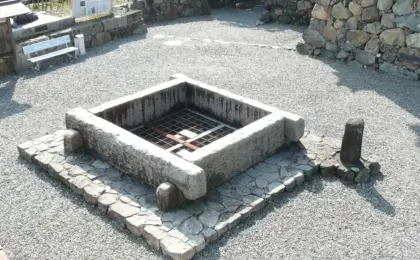
Mitsui Takatoshi (1622–1694), the patriarch who established the family’s fortunes, was born right here in Matsusaka. Today, the sacred site of his birth features a preserved well—used for his first ritual bath (ubuyu)—alongside a commemorative monument. While the private grounds are generally closed to general visitors, the adjacent urban landscape honors this monumental heritage.
Just a short distance from the birthplace sits the Wealthy Merchant Pocket Park, anchored by a striking, majestic lion statue.

- The Mitsukoshi Connection: Takatoshi opened a dry-goods store in Edo named Echigoya, which evolved over centuries into the beloved Mitsukoshi Department Store chain. The bronze lion statue in Matsusaka is a direct replica of the iconic guardian lions standing beneath Nelson’s Column in London’s Trafalgar Square—and a twin to the famous symbol guarding Mitsukoshi stores today.
- Local Folklore: Local tradition holds that straddling or sitting on the back of the bronze lion brings good fortune and makes wishes come true, making it a favorite interactive landmark for travelers.
- Address: 2176-10 Matsusaka-shi, Mie Prefecture 515-0081
- Access: 10 minutes on foot from JR/Kintetsu Matsusaka Station
3. The Hasegawa Family and the Cotton Empire
Alongside the Mitsui and Ozu families, the Hasegawa household dominated Matsusaka’s commercial landscape, operating a highly successful cotton wholesale business under the corporate name "Tamba."
The Hasegawa Family Residence is a sprawling complex encompassing not only pristine historical architecture but also a vast archive of commercial documents, ledgers, and ancient manuscripts. These artifacts provide invaluable primary documentation of Edo-period supply chains, labor practices, and inter-city trade.

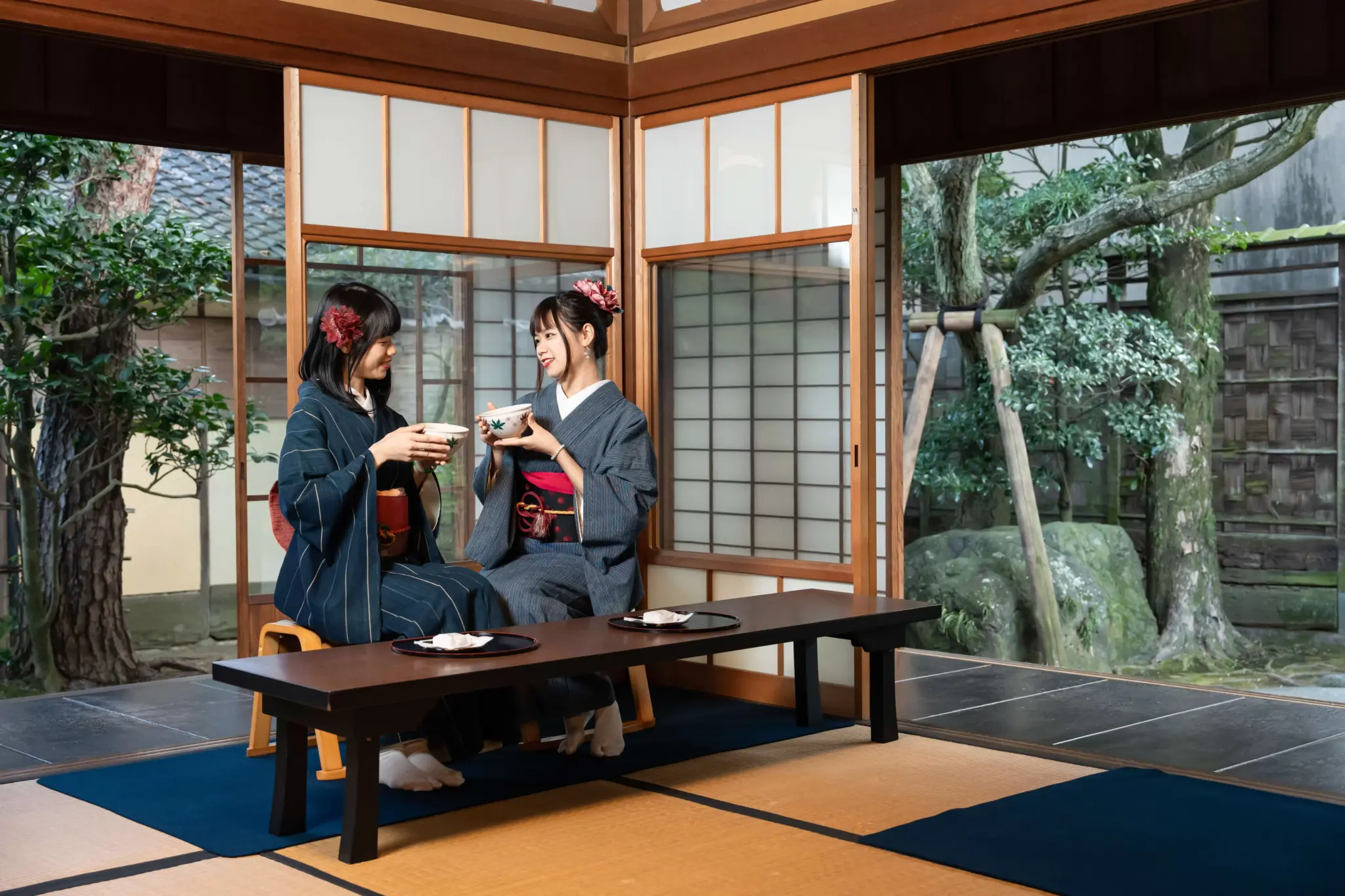
- Cultural Experience: Visitors touring the residence can step out into the estate’s traditional Japanese garden, where they can savor authentic freshly whisked matcha while viewing seasonal flora. Notably, the garden transforms into a vibrant canvas of crimson and gold foliage from late November to early December.
- Designations: Nationally designated Important Cultural Property; Mie Prefecture Designated Historic Site and Scenic Spot.
- Address: 1653 Matsusaka-shi, Mie Prefecture 515-0082
- Hours: 9:00 – 17:00 (Last entry at 16:30)
- Closed: Wednesdays (or the following weekday if Wednesday is a public holiday), New Year holidays
- Admission: Adults: 400 yen; Children (6–18 years): 200 yen
- Access: 10 minutes on foot from JR/Kintetsu Matsusaka Station
Supporting Context & Metrics: The Phenomenon of Matsusaka Momen
The commercial prowess of Matsusaka’s merchants was inextricably linked to textile production, specifically Matsusaka Momen (Matsusaka Cotton).
Textile Innovation and Market Dominance
Introduced to the Edo market by enterprising merchants like the Hasegawa family, Matsusaka Momen quickly captured the imagination of the urban populace.

- Manufacturing Technique: The fabric is woven from cotton yarn dyed uniformly with natural indigo (aizome), featuring sophisticated, subtle striped patterns known locally as Matsusakajima.
- Aesthetic Philosophy: Under strict sumptuary laws during the Edo period, commoners were forbidden from wearing flashy, brightly colored garments. Matsusaka Momen subverted this limitation through refined chic: from a distance, the garments appeared as solid, unadorned indigo, but upon closer inspection, intricate geometric stripes revealed a quiet, sophisticated elegance that appealed greatly to Edo’s fashionable townspeople.
- Market Metrics: During an era when Edo’s population hovered around one million people, Matsusaka Momen achieved astonishing commercial distribution, with over 500,000 bolts of fabric shipped annually from Mie to the capital.
Modern Revival: Weaving Workshops and Kimono Rentals
Today, visitors can engage directly with this living textile tradition at the Matsusaka Momen Hand-Weaving Center, located on the first floor of the Matsusaka City Industrial Promotion Center.
- Hands-On Experience: Visitors can purchase authentic artisanal products or participate in hands-on weaving workshops (fees apply) under the guidance of local craftspeople.
- Address: 1F Matsusaka City Industrial Promotion Center, 2176 Honmachi, Matsusaka-shi, Mie Prefecture 515-0081
- Hours: 9:00 – 17:00
- Closed: Tuesdays
- Access: 10 minutes on foot from JR/Kintetsu Matsusaka Station
The Kimono Walk Incentive Program
To enhance immersive heritage tourism, the Matsusaka Momen Kimono Rental Center allows travelers to dress in authentic indigo-striped kimonos for a day of sightseeing. As an extraordinary incentive, tourists wearing Matsusaka Momen kimonos enjoy free admission to several key municipal cultural institutions, including:

- Motoori Norinaga Memorial Museum
- Matsusaka City Cultural Properties Center
- Matsusaka City History and Folklore Museum
- Matsuura Takeshiro Memorial Museum
Stepping through the castle guard house and strolling past historic residences in an indigo kimono offers an authentic portal into nineteenth-century Japan.
Culinary Heritage: The Mastery of Matsusaka Beef
No historical exploration of Matsusaka is complete without addressing its world-famous culinary masterpiece: Matsusaka beef, universally celebrated as one of Japan’s three great Wagyu beef varieties alongside Kobe and Omi beef.

Wadakin: A Century of Sukiyaki Excellence
While numerous establishments throughout the city serve local beef, culinary purists frequently seek out Wadakin, a legendary, long-established restaurant that has spent generations perfecting the art of Matsusaka beef sukiyaki. Drawing gastronomes from across the globe, Wadakin is renowned for its uncompromising standards of quality.
- The Culinary Experience: Thickly sliced, heavily marbled Matsusaka beef melts instantly on the palate, harmonizing with rich, traditional sweet-savory broths simmered at the table. It represents the pinnacle of Japanese culinary craftsmanship.
- Address: 1878 Matsusaka-shi, Mie Prefecture 515-0081
- Hours: Weekdays 11:30 – 19:00 (Last order: 20:00 / Closing: 21:00); Weekends & Holidays: 11:00 – 19:00 (Last order: 20:00 / Closing: 21:00)
- Closed Days: Vary; please verify via the official website.
- Access: 10 minutes on foot from JR/Kintetsu Matsusaka Station
- Official Website: e-wadakin.co.jp/en
Future Outlook & Visitor Information
Matsusaka City stands as a model for regional heritage tourism in Japan, successfully bridging the gap between historical preservation and contemporary visitor engagement. By leveraging interactive initiatives—such as the kimono rental discount programs, hands-on textile workshops, and the meticulous restoration of merchant estates like the Ozu and Hasegawa houses—local authorities ensure that the legacy of Japan’s pioneering capitalists remains dynamic and accessible to new generations of global travelers.

Whether you are planning a single-day historical excursion or a deep-dive culinary tour, Matsusaka offers an enriching window into the mercantile soul of traditional Japan.
Essential Resources for Travelers
For comprehensive planning, updated seasonal event schedules, and localized travel maps, consult the official municipal portals:
- Matsusaka City Tourism Information Site: matsusaka-info.jp/english
- Official Instagram Channel: @discover_matsusaka






Belum ada komentar. Jadilah yang pertama berkomentar!