Matsusaka beef stands universally acknowledged as one of Japan’s "Big Three" legendary wagyu brands, alongside Kobe and Omi beef. Celebrated for its exquisite marbling, intensely rich aroma, and a melting-point fat structure so delicate it dissolves almost instantly upon contact with the palate, Matsusaka beef is traditionally synonymous with high-end, white-tablecloth gastronomy. Historically, enjoying A5-grade cuts meant investing heavily in exclusive sukiyaki or shabu-shabu courses at traditional ryokan or specialized steakhouses.
However, a quiet revolution is reshaping the culinary landscape of Matsusaka City, Mie Prefecture. Local establishments are breaking down the barriers of elitism, reimagining world-class wagyu through a lens of casual accessibility. Today, food enthusiasts can experience top-tier Matsusaka beef served across an unexpected spectrum of casual formats: rotating conveyor-belt yakiniku joints, nostalgic noodle houses, artisanal curry specialty shops, and even innovative dessert creations.
This comprehensive culinary investigation explores four standout destinations—alongside an innovative sweet-treat phenomenon—that prove world-class quality does not require an exorbitant price tag. By examining these establishments, travelers gain unprecedented insight into how Matsusaka’s deeply rooted culinary heritage continues to evolve, merging generations of butcher craftsmanship with modern, everyday dining culture.
Detailed Chronology & Restaurant Breakdown
The democratization of Matsusaka beef is rooted in a fascinating timeline of local adaptation, stretching from long-established yakiniku innovators to century-old noodle institutions and modern street-food pioneers.
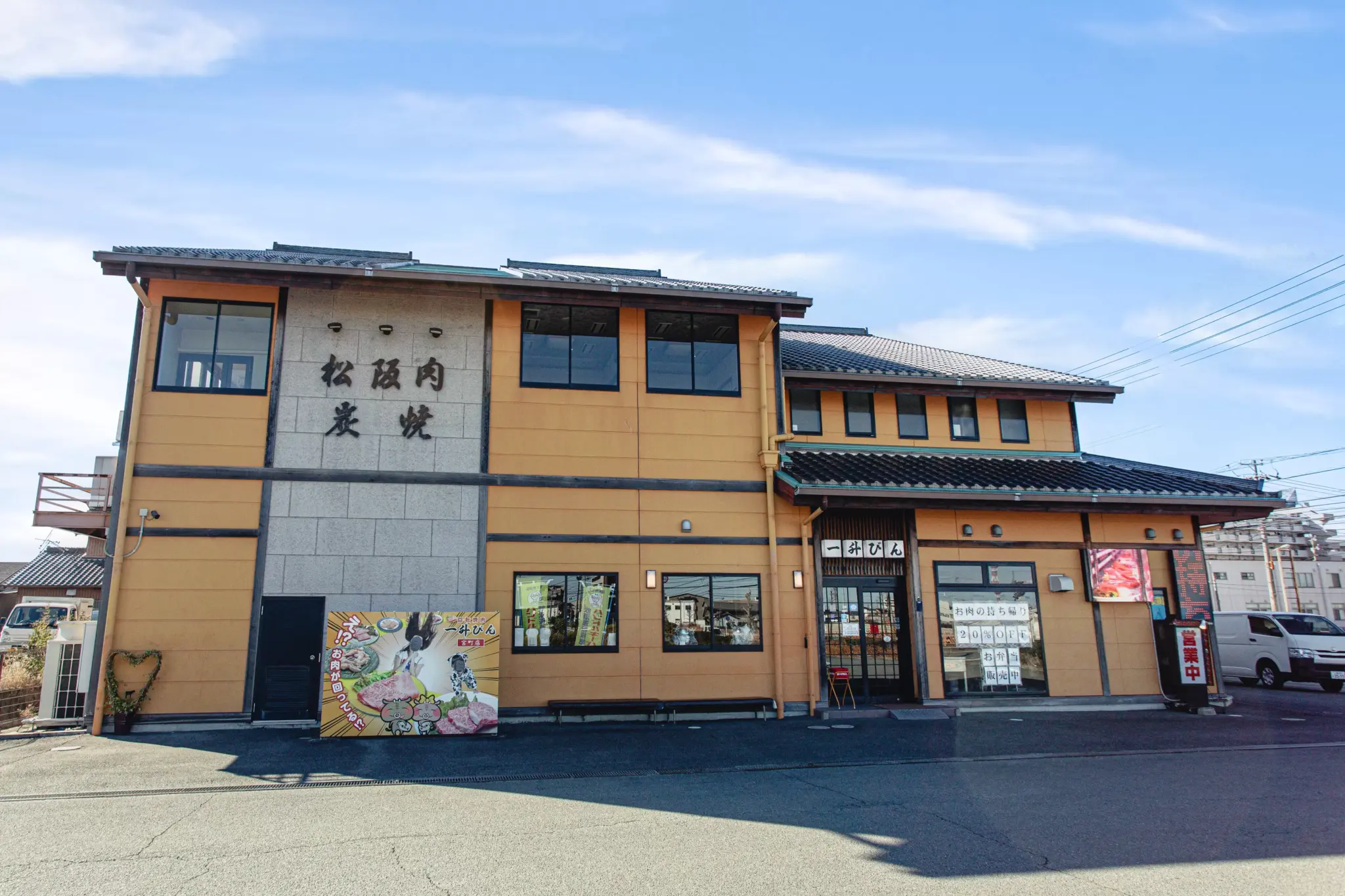
1. Kaiten Yakiniku Isshobin (Miyamachi Branch): The Conveyor-Belt Revolution
Founded in 1962, Isshobin has long anchored Matsusaka’s yakiniku scene. Recognizing the need to make premium beef approachable to a broader demographic, the establishment inaugurated its revolutionary Miyamachi branch in 2000, introducing the world to "conveyor-belt yakiniku."
Located a convenient five-minute drive from Matsusaka Station with ample parking for fifty vehicles, the restaurant provides two distinct dining environments: traditional table seating and innovative conveyor-belt counter booths. At the conveyor-belt seats, diners sit captivated as chilled, airtight rotating lanes present small plates of pristine, A5-grade Matsusaka beef and fresh vegetables.
Patrons select desired cuts—ranging from classic kalbi (short ribs) and tenderloin to rare, hard-to-find offal—by pressing a red release button that opens an automated sliding door. With plates starting at an astonishingly modest 350 yen, Isshobin purchases cattle whole, allowing diners to sample rare offal selections rarely exported beyond Mie Prefecture. The low melting point of the beef’s intramuscular fat demands only a light sear, releasing sweet, buttery flavors enhanced by house-blend miso and rock salt sauces.
2. Matsusaka Meat Udon Specialty Store Aoyagi: Heritage Meets Comfort
Opened in October 2023 along a historic street lined with the former residence of scholar Motoori Norinaga, Aoyagi bridges the gap between ultra-luxury dining and casual comfort. The restaurant is a direct offshoot of Gyugin Honten, an iconic historic institution renowned for high-end sukiyaki and shabu-shabu.
Born from a desire to invigorate the local community through familiar comfort foods, Aoyagi infuses high-end heritage into casual dining. Although orders are placed via an automated ticket machine at the entrance, the refined hospitality inherited from Gyugin shines through as staff personally deliver meals to tables within a modern Japanese interior.
Aoyagi utilizes the exact same caliber of carefully aged, Special Grade Matsusaka beef sourced by Gyugin. Signature dishes like the beef shabu-shabu udon feature smooth, slippery noodles draped in a mild, bonito-infused broth heightened by white soy sauce and the rich umami of melting wagyu fat. Starting at 1,180 yen, options range from classic meat udon to soy milk cream variations tailored to diverse palates.
3. Matsusaka Cyukasoba Fujiya: Redefining Chinese Noodles
Operating since 1929, Fujiya has spent 95 years defining the soul of Matsusaka’s comfort food. Located a short six-minute walk from Matsusaka Station, this historic noodle shop challenges the conventional Japanese definition of chuka soba (Chinese noodles).
While typical chuka soba conjures images of soy sauce broths topped with bamboo shoots and sliced roasted pork (chashu), Fujiya’s legendary rendition dispenses with traditional toppings entirely. Instead, bowls are piled high with crisp, abundant vegetables and tender ribbons of prime Matsusaka beef, all swimming in a savory, full-bodied seafood broth.
The natural sweetness of the vegetables melds seamlessly into the soup, coating thin, absorbent noodles. Alongside its famous Chinese noodles, Fujiya’s menu features hard-fried yakisoba and regional champon, drawing families and solo diners alike to its brightly lit, modern wooden interior renovated in 2010.
4. Tamaki: The Masterclass in Craft Curry Udon
Tucked away a short distance from Matsusaka Station (and a five-minute walk from JR Tokuwa Station), Tamaki operates as an intimate, husband-and-wife-run curry udon specialty shop so popular it frequently sells out by noon.
Tamaki’s culinary philosophy centers on a rare half-and-half soup base, pairing a traditional Japanese seafood broth with a rich, highly spiced curry. For discerning diners, the restaurant offers a strictly limited allocation of just five servings per day of Matsusaka Beef Curry Udon, utilizing premium beef sourced directly from Gyugin.
The owner’s dedication to spice blending is absolute: the curry is built upon a robust bouillon crafted from Matsusaka beef tendons, combined with a proprietary mix of over thirty spices. Diners are encouraged to experience the dish in phases—tasting the savory broth-heavy side first, then the spicy curry, before uniting them—and can elevate the heat using "Biwako Spice," an aromatic garam masala blend.
Beyond Savory: The Innovation of Maruyoshi Wagyu Ice Cream
Demonstrating the boundless versatility of Matsusaka beef, local butcher and restaurant chain Matsusaka Maruyoshi has introduced a viral gourmet dessert: Maruyoshi Ice Cream, available in Milk and Ise Tea flavors.
Priced at 500 yen for takeout and online orders (550 yen in-restaurant), this 120ml delicacy incorporates high-grade Matsusaka beef fat alongside fresh, pasteurized milk. Because Matsusaka beef fat possesses an exceptionally low melting point, its incorporation imparts an unprecedented, velvety-smooth mouthfeel and subtle richness that elevates dairy fats to a new sensory tier.
Supporting Context & Metrics
To fully appreciate the economic and cultural scale of Matsusaka’s culinary transformation, consider the following metrics and structural shifts defining the region:
Entry-Level Accessibility: Traditional Matsusaka beef dining courses routinely exceed 10,000 to 20,000 yen per person. Casual establishments highlighted in this report reduce entry barriers, offering exceptional cuts and dishes starting between 350 yen (per yakiniku plate) and 1,180 yen (for gourmet udon).
Supply Chain Integration: Institutions like Aoyagi and Tamaki leverage direct supply lines from century-old heavyweights such as Gyugin and Maruyoshi. This guarantees that even casual noodle shops utilize certified, aged A5-grade or Special Grade Matsusaka beef scraps and tendons without compromising quality.
Geographic Concentration: All major casual dining innovators are anchored within a 5- to 12-minute radius of Matsusaka Station, creating an exceptionally walkable or short-transit culinary district for international and domestic travelers alike.
Operational Longevity: The featured venues span nearly a century of culinary history—from Fujiya’s founding in 1929 and Isshobin’s establishment in 1962, to modern additions like Aoyagi (2023)—demonstrating a profound local commitment to preserving heritage while embracing contemporary formats.
Official Statements & Industry Insights
Local purveyors and restaurateurs emphasize that casual accessibility does not equate to a compromise in quality. Representatives from Kaiten Yakiniku Isshobin articulate this foundational mission:
"Since our founding, we have continued to protect the secret recipe of the miso sauce passed down from our predecessors while striving to provide safe, secure, high-quality Matsusaka beef at a reasonable price to as many people as possible. Whether through our traditional tables or our rotating conveyor belts, our goal remains ensuring that every guest experiences the genuine umami of our region."
Similarly, culinary historians and tourism boards note that Matsusaka’s willingness to blend luxury proteins with everyday comfort foods—such as Chinese noodles, curry, and udon—reflects a progressive regional identity. Rather than locking heritage ingredients behind exclusive dining rooms, local chefs view everyday dining as the most authentic ambassador for regional agricultural pride.
Future Outlook
Matsusaka stands at an inspiring crossroads of heritage and innovation. As global interest in Japanese wagyu intensifies, the city’s strategy of diversifying consumption formats serves as a masterclass in culinary sustainability and regional marketing.
The successful integration of premium beef into casual comfort foods—exemplified by Aoyagi’s wagyu-infused udon, Fujiya’s vegetable-rich chuka soba, Tamaki’s meticulously spiced tendon curries, and Maruyoshi’s pioneering wagyu fat ice cream—guarantees that Matsusaka will remain an essential destination for modern gastronomes.
For travelers and food researchers alike, the future of Matsusaka is clear: world-class beef is no longer reserved exclusively for milestone celebrations. By embracing casual dining, communal neighborhood noodle shops, and high-low culinary fusions, Matsusaka has ensured that its legendary beef will continue to capture the hearts and palates of generations to come.










Belum ada komentar. Jadilah yang pertama berkomentar!