

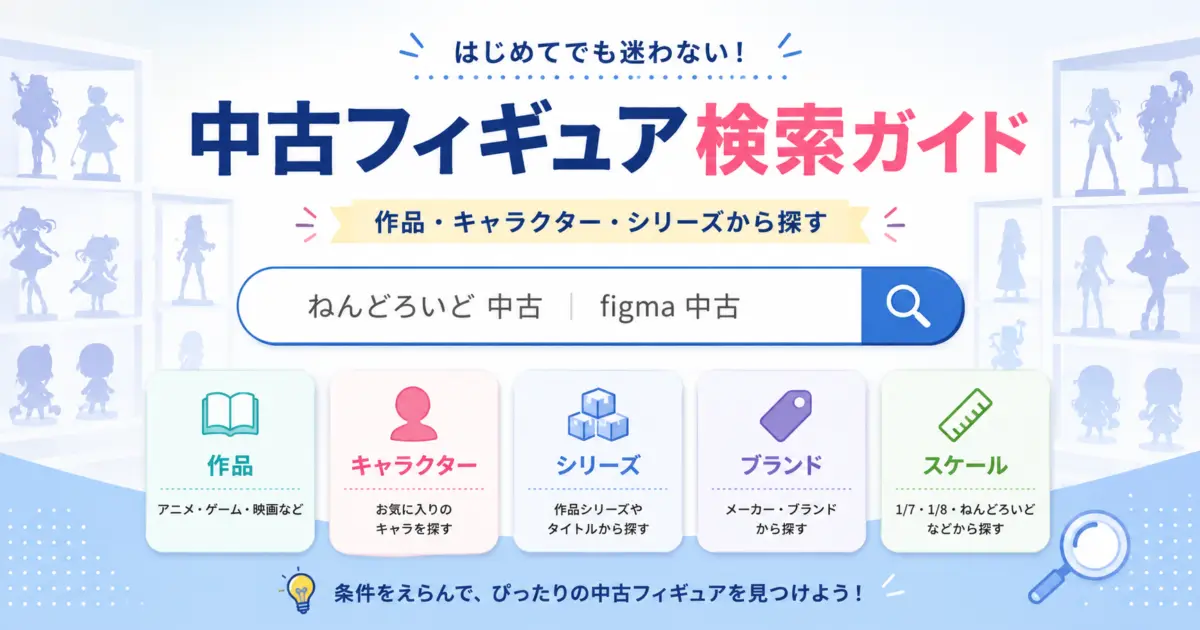
Executive Overview
The secondary market for collector figures has evolved from a niche hobby into a multi-billion-dollar global industry, characterized by high-stakes investments, sophisticated pricing algorithms, and a passionate community of collectors and investors alike. Driven by shifting consumer demographics, the rise of digital marketplaces such as Yahoo! Auctions Japan, and the increasing institutionalization of secondary sales platforms, tracking market valuations has never been more critical.
In recent years, the intersection of pop culture nostalgia, limited-edition manufacturing runs, and global logistics has transformed how rare figures are bought, sold, and appraised. This comprehensive report examines the current state of the secondary figure market, exploring the methodologies behind pricing strategies, the influence of major manufacturers like Good Smile Company and Alter, the impact of platform-specific search tools, and the macroeconomic factors shaping the future of collectible asset valuation.
Detailed Chronology: The Evolution of the Secondary Figure Market
To understand the current valuation models of secondary market figures, one must trace the historical trajectory of the hobby. What began in the late 20th century as a localized subculture centered around garage kits and imported vinyl statues has systematically expanded into a digitized, borderless ecosystem.
Phase One: The Niche Era (Late 1990s – Early 2000s)
During the early days of anime figure collecting, items were predominantly sourced through specialized import shops, convention floors, or direct orders from Japan via proxy services. Information was scarce, and pricing was largely dictated by physical rarity and regional availability rather than algorithmic data. Collectors relied heavily on printed magazines and message boards to determine the legitimacy and relative value of prized items.
Phase Two: The Digital Migration (Mid 2000s – 2010s)
As e-commerce platforms matured, the secondary market began migrating online. Platforms like Yahoo! Auctions Japan and eBay became vital conduits for international buyers. This era introduced the first wave of standardized pricing transparency, though language barriers and international shipping hurdles still created significant friction for overseas collectors. Database sites such as MyFigureCollection emerged, providing community-driven catalogs that laid the groundwork for modern asset tracking.
Phase Three: The Data-Driven Ecosystem (Present Day)
Today, the secondary figure market operates with a level of sophistication previously reserved for traditional financial assets. Advanced web-scraping tools, real-time price-tracking applications, and automated translation services allow collectors to monitor global pricing trends instantaneously. Major platforms now integrate historical sales data directly into user interfaces, empowering both novice buyers and seasoned investors to make informed decisions based on verified market liquidity.
Supporting Context & Metrics: Decoding Market Valuations
Navigating the secondary market requires a deep understanding of the metrics that drive price fluctuations. Unlike mass-market consumer goods, collector figures are subject to unique economic pressures rooted in scarcity, brand equity, and aesthetic craftsmanship.
Key Valuation Metrics
- Rarity and Production Run Size: The foundational driver of secondary market value. Figures produced in strictly limited quantities—such as convention exclusives or lottery prizes—frequently command exponential markups upon selling out at retail.
- Manufacturer Reputation: Brand equity plays a massive role in asset retention. Companies renowned for exceptional quality control, intricate sculpts, and faithful character representations (such as Alter, Good Smile Company, and Max Factory) generally hold or increase their value more reliably than secondary-tier manufacturers.
- Condition Grading (MIB vs. Loose): The distinction between "Mint in Box" (MIB), "Mint in Sealed Box" (MISB), and loose or displayed figures heavily influences pricing. Original packaging, pristine blister packs, and intact authenticity seals can account for a 30% to 50% premium on high-end collectibles.
- Market Liquidity: The frequency with which a specific figure changes hands determines its liquidity. High-demand releases from globally popular franchises (e.g., Fate/Grand Order, Neon Genesis Evangelion, or Genshin Impact) benefit from rapid turnover, allowing sellers to liquidate assets quickly without severe price depreciation.
Official Statements and Industry Insights
Industry analysts and marketplace executives emphasize that transparency is the cornerstone of modern figure collecting. As digital tools become more sophisticated, the gap between retail pricing and secondary market valuation is increasingly bridged by real-time analytics.
In recent commentary from leading auction and marketplace platforms, experts note that collectors are no longer merely purchasing display pieces; they are curating portfolios. "The modern collector approaches the secondary market with the eye of an asset manager," notes one industry insider. "They track release schedules, production delays, and aftermarket trends with remarkable precision. Consequently, platforms must evolve to provide robust data feeds, authentication guarantees, and seamless cross-border transaction capabilities."
Furthermore, manufacturers are taking note of aftermarket trends. While original retail prices remain anchored to production costs and licensing fees, the sheer velocity of secondary market appreciation has prompted some studios to reevaluate production run sizes to combat scalper inflation while meeting overwhelming consumer demand.
Future Outlook: Trends to Watch
As we look toward the horizon of the collector figure market, several key trends are poised to redefine the landscape:
- Integration of AI-Driven Valuation Tools: Future iterations of marketplace search engines are expected to incorporate artificial intelligence to predict future asset values based on historical appreciation rates, franchise longevity, and social media sentiment analysis.
- Stricter Authentication Protocols: With high-end figures routinely commanding thousands of dollars, the prevalence of bootlegs remains a persistent threat. Enhanced digital authentication—ranging from NFC-enabled packaging to blockchain-backed certificates of authenticity—will likely become standard industry practice.
- Sustainability and Packaging Evolution: As global supply chains face ongoing regulatory and environmental pressures, manufacturers are exploring sustainable packaging solutions that protect collectible integrity while minimizing ecological impact, directly influencing how secondary market storage and grading are evaluated.
Ultimately, the secondary market for collector figures remains a vibrant, high-stakes arena where passion meets economic strategy. By leveraging advanced search tools, monitoring manufacturer trends, and maintaining a rigorous understanding of condition grading, collectors can successfully navigate this dynamic landscape and secure prized pieces that hold both sentimental and monetary value for years to come.









Belum ada komentar. Jadilah yang pertama berkomentar!