

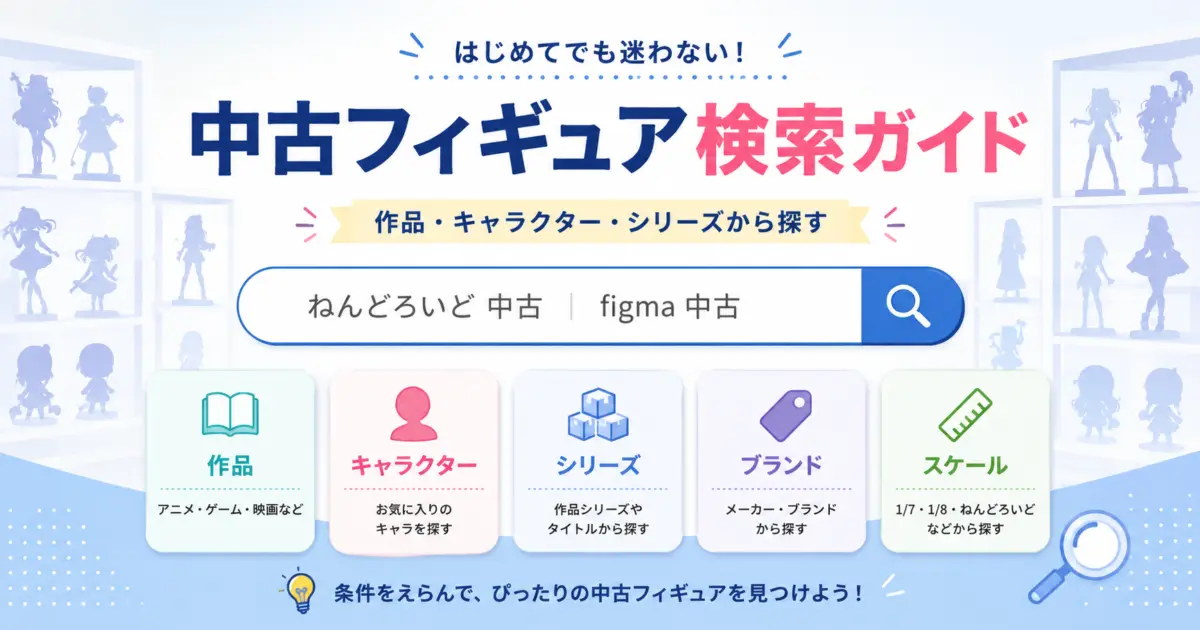
Executive Overview
The secondary market for collectible figures has evolved from a niche hobby into a sophisticated, multi-million-dollar global ecosystem. Driven by the explosive growth of pop culture, anime, gaming, and high-end cinematic franchises, acquiring, trading, and selling scale figures has become both a passionate pastime for enthusiasts and a serious alternative asset class for savvy investors.
However, as the secondary market scales to unprecedented heights, it brings forth complex challenges. Issues surrounding counterfeit goods, volatile pricing structures, authenticity verification, and fluctuating platform fees have made navigating the marketplace increasingly intricate. Whether you are a veteran collector looking to liquidate parts of your collection, a newcomer attempting to understand aftermarket pricing, or an investor tracking trends across platforms like Yahoo! Auctions and specialized marketplaces, comprehensive market awareness is essential.
This guide delivers an in-depth exploration of the secondary figure market, breaking down valuation methodologies, platform mechanics, authentication strategies, and future projections to help you master the art of figure collecting.
Detailed Chronology: The Evolution of the Secondary Figure Market
To understand where the secondary market stands today, it is vital to examine how it developed over the decades. The trajectory of figure collecting mirrors the broader commercialization of modern geek culture.
Phase 1: The Niche Era (Late 20th Century – Early 2000s)
In its infancy, figure collecting was largely localized, physical, and community-driven. Collectors relied heavily on specialized hobby shops, import specialty stores, and physical conventions (such as Wonder Festival or local comic-cons) to secure pieces. Information was scarce, prices were determined by regional distributors, and the secondary market consisted primarily of local trade networks, word-of-mouth transactions, and early web forums.
Phase 2: The Digital Transition (Mid-2000s – 2010s)
With the advent of global e-commerce platforms and specialized forums, the market rapidly decentralized and expanded across borders. Japanese domestic market (JDM) releases became directly accessible to international buyers through proxy services and specialized cross-border export stores. Concurrently, online marketplaces transformed pricing transparency. Rarity metrics began to dictate aftermarket values, and legendary manufacturers like Good Smile Company, Alter, and Max Factory began producing collector-grade scale figures designed specifically to meet growing global demand.
Phase 3: The Modern Professional Era (2020s – Present)
Today, the secondary figure market operates with sophisticated market analytics, professional grade verification processes, and institutional-level interest. Platforms utilize advanced algorithms to track historical sales data, providing real-time valuation metrics similar to financial stock tickers. Buyers and sellers alike utilize comprehensive pricing databases, authentication guides, and escrow services to mitigate risks, transforming what was once a casual hobby into a highly structured global marketplace.
Supporting Context & Market Metrics: Valuation and Pricing Dynamics
Valuing a collectible figure is both an art and a science. Unlike mass-produced consumer goods, figures derive their value from a complex matrix of scarcity, brand prestige, manufacturing quality, and cultural relevance.
Core Valuation Factors
- Manufacturer Reputation: Figures crafted by industry titans—such as Alter, Good Smile Company, Megahouse, and Kotobukiya—frequently command higher aftermarket retention rates due to their superior sculpting, paint application, and quality control standards.
- Character Popularity and Media Momentum: The value of a figure is inextricably linked to the ongoing popularity of its source material. A sudden anime sequel announcement, a critically acclaimed video game release, or a cinematic blockbuster can instantly spike demand and inflate aftermarket values overnight.
- Packaging and Condition Integrity: The "Mint in Box" (MIB) or "New in Box" (NIB) standard remains the gold standard for high-end collectors. Any damage to the original packaging, fading from UV exposure, or minor scuffs on the figure itself can significantly diminish its resale value.
- Limited Production Runs and Exclusives: Convention exclusives, limited-edition lottery prizes (such as Japan’s Ichiban Kuji lines), and made-to-order web-shop exclusives naturally create artificial scarcity, driving fierce competition in the secondary market.
Platform Dynamics and Fee Structures
Navigating secondary market platforms requires a thorough understanding of fee schedules and transaction mechanics. Major platforms—spanning domestic Japanese auction sites like Yahoo! Auctions Japan to specialized global collector portals—impose varying operational fees:
- Listing and Commission Fees: Most platforms take a percentage-based cut of the final sale price, typically ranging from 5% to 10%, alongside nominal listing or promotional fees.
- Shipping and Customs Logistics: Given the delicate nature of scale figures, logistics play a massive role in net profitability. International shipping rates, volumetric weight calculations, and import tariffs can drastically alter the financial equation for both buyers and sellers.
Official Statements and Industry Insights
Leading industry analysts and secondary market authorities have increasingly emphasized the necessity of transparency and rigorous authentication protocols. In recent interviews, marketplace administrators have highlighted a proactive shift toward protecting consumers from fraudulent bootlegs and predatory pricing schemes.
"The secondary figure market has matured past the point of casual hobbyist exchanges. Today’s collectors demand institutional-grade transparency, verified authenticity, and reliable historical pricing data before committing significant capital to rare pieces." — Secondary Market Logistics & Analytics Board
Industry compliance experts also note that as counterfeiters become increasingly sophisticated—replicating official packaging, holographic seals, and even minor paint shading—platforms must continually upgrade their verification standards. Sellers are now strongly encouraged to provide high-resolution, unedited photography of every angle, including close-ups of manufacturer stamps, copyright notices, and box serial numbers.
Future Outlook: Trends Shaping the Next Decade of Collecting
Looking ahead, the secondary market for scale figures and collectibles is poised for radical transformation driven by technological innovation and shifting consumer demographics.
Technological Integration in Authentication
To combat the persistent threat of bootlegs, manufacturers and marketplaces are exploring advanced anti-counterfeit measures. Future releases are expected to incorporate NFC (Near Field Communication) tags embedded within the base or packaging, allowing buyers to instantly verify authenticity via a smartphone application. Furthermore, blockchain-based provenance tracking may soon become commonplace for ultra-rare, high-value art figures, ensuring a tamper-proof chain of custody from the original sculptor to the current owner.
Sustainability and Eco-Friendly Packaging
As global regulatory pressures mount, the manufacturing and secondary storage of collectibles are shifting toward sustainable practices. Biodegradable blister packaging, eco-friendly box materials, and energy-efficient climate-controlled storage facilities will redefine how secondary market dealers preserve and ship high-end inventory.
Conclusion
The secondary figure market offers an exhilarating landscape for passionate collectors and savvy investors alike. By staying informed on valuation metrics, mastering authentication techniques, and understanding the operational dynamics of major trading platforms, enthusiasts can successfully navigate this multi-million-dollar arena. Whether you are looking to preserve the pristine condition of a prized centerpiece or hunting for that elusive holy grail figure, diligence, education, and market awareness remain your most valuable assets.








Belum ada komentar. Jadilah yang pertama berkomentar!