

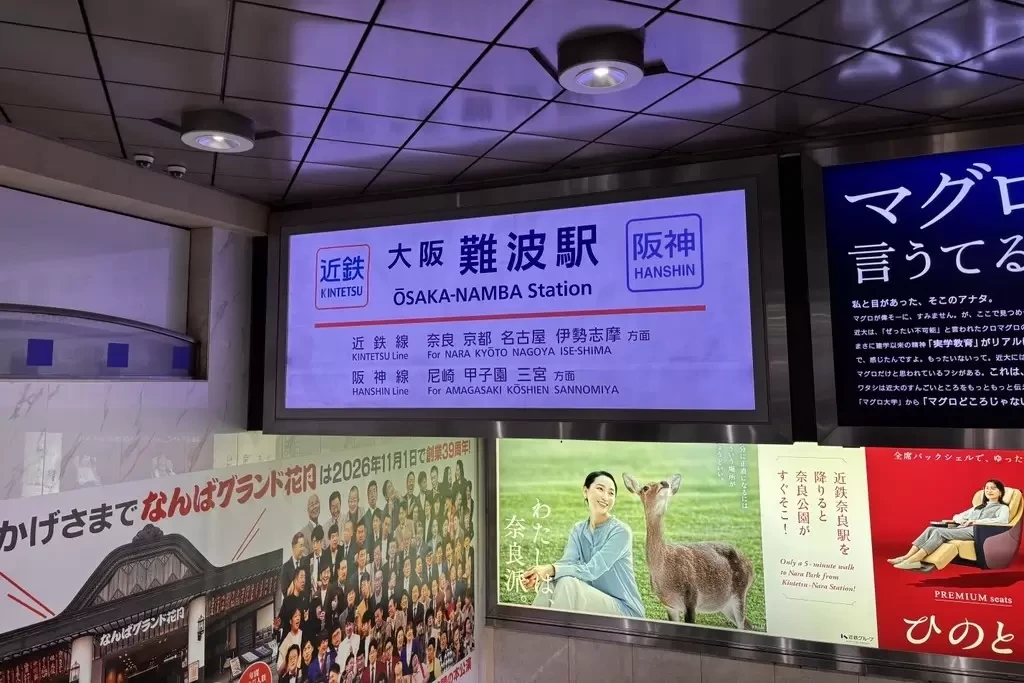
Executive Overview
For the discerning international traveler seeking to venture beyond Japan’s densely populated metropolitan corridors, the historic merchant city of Matsusaka in Mie Prefecture offers an exquisite synthesis of cultural heritage and world-class gastronomy. Famed globally for its legendary, impeccably marbled Matsusaka Beef—one of Japan’s premier Wagyu brands—and steeped in the mercantile prosperity of the Edo period (1603–1867), this hidden gem delivers an authentic, crowd-free Japanese experience.
Yet, for decades, regional destinations of this caliber posed logistical hurdles for first-time visitors uninitiated in the nuances of Japan’s multi-tiered railway network. Addressing this friction point, regional transit authorities have streamlined connectivity, transforming the journey into a seamless, highly predictable operation.
This comprehensive transit intelligence report provides a step-by-step masterclass in navigating the 2.5-hour corridor from Kansai International Airport (KIX) to Matsusaka Station. Featuring meticulous breakdown metrics, dual-option transit choices, precise ticketing mechanics, and subterranean routing directions, this guide ensures absolute confidence for travelers traversing the route for the very first time.
Detailed Chronology: Step-by-Step Transit Blueprint
The transit corridor from Kansai International Airport (KIX) to Matsusaka Station is engineered for efficiency, requiring precisely one straightforward transfer within the urban core of Osaka. Total travel time fluctuates between 2 hours and 30 minutes, with total capital outlays ranging dynamically from ¥4,190 to ¥4,890 depending on selected service classes.
Phase 1: Arrival and Aerodrome Navigation at Kansai International Airport (KIX)
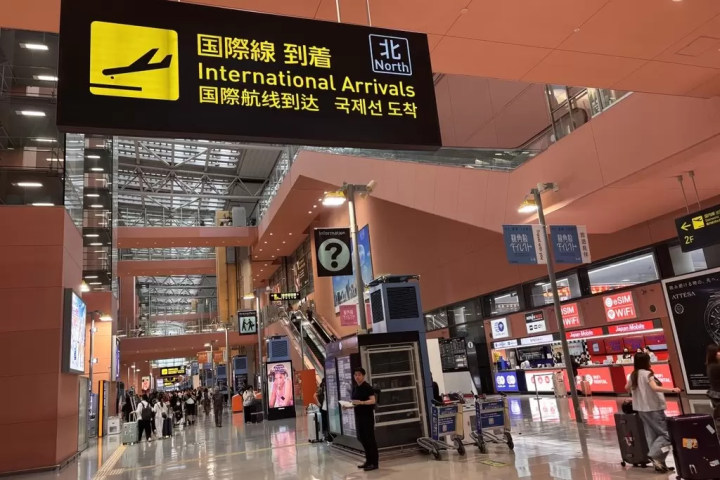
Upon touchdown and the clearance of international customs and immigration formalities at the International Arrival Lobby on Level 1 of KIX, the physical transit undertaking commences:
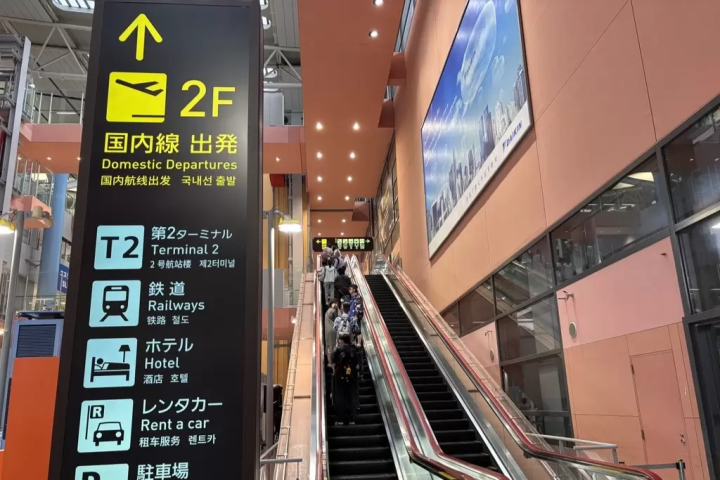
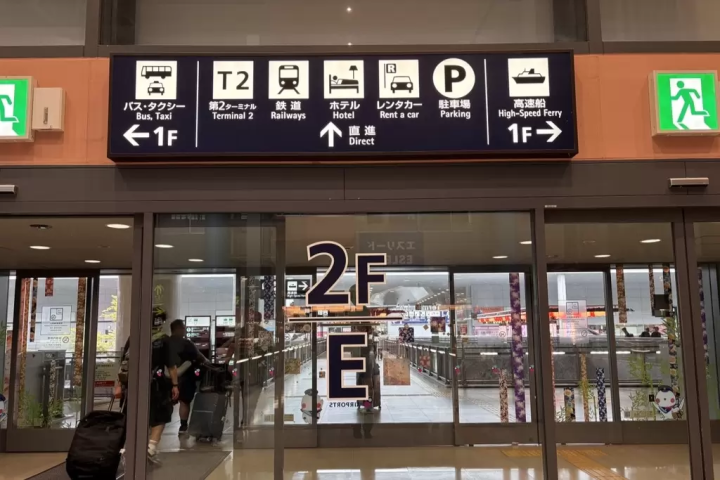
- Ascent to Level 2: Locate the clearly marked overhead signage directing passengers toward "Railways." Utilize the central elevators or escalators to ascend to the second floor.
- Pedestrian Bridge Crossing: Pass through the automated sliding glass doors, exiting the terminal building to access the covered, climate-controlled pedestrian bridge spanning the intervening maritime channel toward the railway terminal.
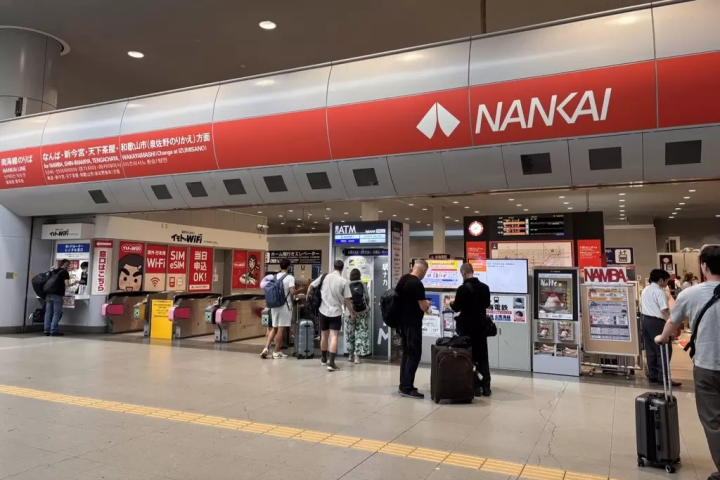
- Concourse Entry: Emerge directly into the primary transit concourse. Positioned adjacently, travelers will locate both the JR (Japan Railways) ticket gates and the Nankai Railway gates, alongside their respective automated ticket vending arrays and manned service counters.
Phase 2: Leg One — Kansai-Airport Station to Nankai Namba Station
Travelers must choose between two primary rail services operated by Nankai Electric Railway to bridge the distance from the offshore airport island to downtown Osaka.
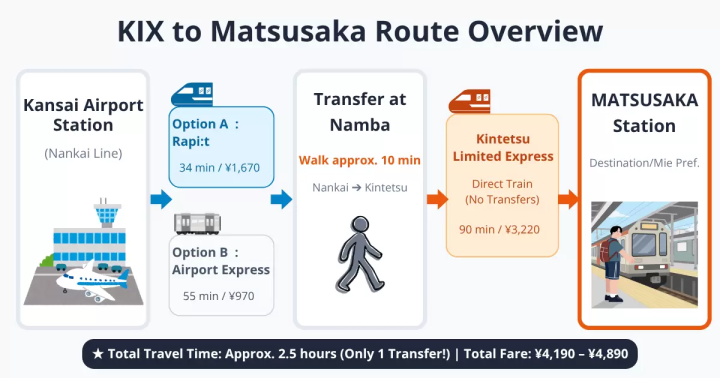
| Train Type | Travel Time | Total Fare (As of Sep 2026) | Operational Characteristics & Amenities |
|---|---|---|---|
| Option A: Rapi:t (Limited Express) | Fastest: 34–40 minutes | ¥1,670 (Base fare: ¥970 + Express surcharge: ¥700) | All-reserved seating, high-speed profile, dedicated luggage storage compartments, futuristic architectural design. |
| Option B: Airport Express | Approx. 55 minutes | ¥970 (Base fare only) | Commuter-style longitudinal seating, budget-optimized, no seat reservation requirements. |
Ticketing & Boarding Methodologies for Leg One
-
Method 1: Automated Vending Machines (Physical Tickets)
- Access the multi-lingual ticket kiosks, select your preferred language (e.g., English), and tap the "Purchase Limited Express ticket" prompt (for Option A) or standard ticket option (for Option B).
- Designate "Namba" as the destination terminal, specify departure timestamps and passenger manifests.
- When utilizing the Rapi:t service, select the integrated prompt allowing the simultaneous purchase of both the base fare ticket (¥970) and the Limited Express surcharge ticket (¥700).
- Complete transactions via cash or accepted international credit/IC cards, retrieve physical stock, and insert them directly into the optical turnstile gates.
-
Method 2: Digital Reservation + Contactless Tap-to-Ride (Modernized Protocol)
- Secure reserved seats in advance via the official Nankai Ticketless Service web portal.
- For the base fare component, bypass physical ticketing entirely by utilizing contactless payment cards (Visa, Mastercard, etc.) or integrated smartphone wallet systems directly at designated contactless-enabled optical turnstiles upon entry and exit.
-
Method 3: Manned Ticket Counters
- Engage station customer service agents directly at the Nankai counter, verbally transmitting destination parameters (Namba), party size, and scheduling preferences. Complete payment and receive traditional paper passage tokens.
Phase 3: The Urban Interlude — The Underground Transfer to Kintetsu Namba
Upon disembarking from the Nankai service at Nankai Namba Station (Platform Level, 3F), travelers undertake a fully indoor, weather-protected 10-minute subterranean transfer to Kintetsu Osaka-Namba Station.
Step-by-Step Subterranean Navigation Protocol:
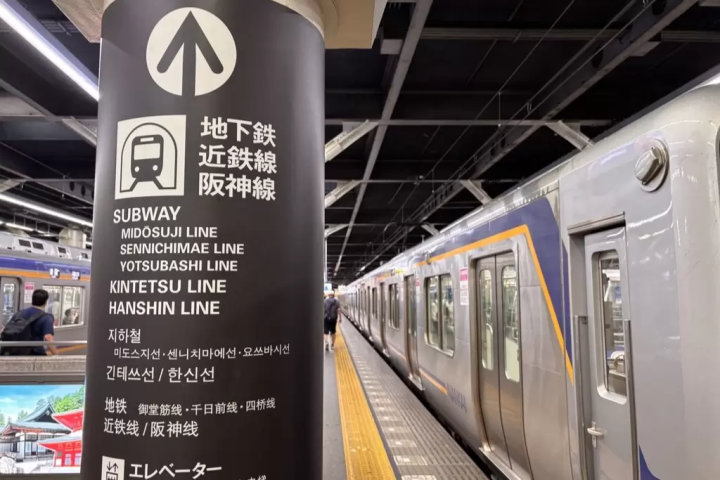
- Gate Egress: Alight from the train, scan the overhead directional signage for the "Kintetsu Line," proceed toward the North Exit, and pass through the ticket barriers.
- Descent to Level 1: Immediately upon clearing the Nankai gates, locate the adjacent escalators and descend to the ground floor (1F).
- Descent to Basement Level (B1F): Continue following the prominent "Kintetsu Line" visual markers, utilizing the subsequent bank of escalators or staircases to descend into the basement concourse (B1F).
- Subterranean Corridor Transit: Traverse the linear, climate-controlled underground walkway, keeping strictly oriented toward the persistent overhead Kintetsu directional indicators.
- Terminal Arrival: Emerge directly into the concourse of Kintetsu Osaka-Namba Station, characterized by its dedicated ticket windows and automated kiosk arrays.
Phase 4: Leg Two — Kintetsu Osaka-Namba Station to Matsusaka Station (Direct Service)
The final leg of the transit sequence utilizes the premier long-distance network of the Kintetsu Railway system, providing a direct, uninterrupted run into the heart of Mie Prefecture.
| Train Type | Travel Time | Total Fare (As of Sep 2026) | Operational Characteristics & Amenities |
|---|---|---|---|
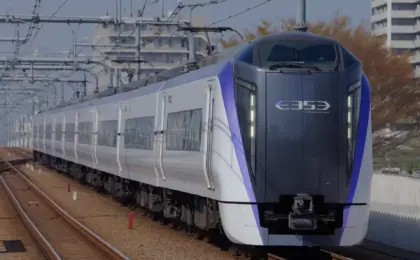
| Kintetsu Limited Express | Approx. 90 minutes | ¥3,220 (Base fare: ¥1,880 + Limited Express surcharge: ¥1,340) | Direct routing requiring zero transfers; all-board seats are fully reserved; plush reclining seating environments. |
Ticketing & Boarding Methodologies for Leg Two
-
Method 1: Kintetsu Multi-Lingual Ticket Vending Machines
- Access the kiosk interface, switch to English, and select "Purchase Limited Express ticket."
- Designate "Matsusaka Station" as the target destination, choose your preferred departure slot, and input party headcounts.
- Execute the integrated prompt to bundle the Limited Express surcharge ticket and the base fare ticket into a single transaction sequence.
- Tender payment via cash or credit card, collect issued paper vouchers, and feed them into the optical barriers.
-
Method 2: Kintetsu Internet Reservation + Contactless Tap-to-Ride
- Reserve designated seats online prior to travel via the Kintetsu Internet Reservation and Sales Service portal.
- For the base fare portion, execute a contactless tap utilizing foreign-issued credit cards or smartphone terminals at designated Kintetsu contactless ticket gates. (Note: If contactless processing fails, acquire traditional base tickets at station machines).
-
Method 3: Manned Kintetsu Ticket Counters
- Interact with ticketing personnel at the service counter, confirm travel details to Matsusaka, and execute transactions.
Supporting Context & Metrics
To contextualize the operational parameters of this journey, regional transport analysts have compiled definitive metrics regarding fiscal expenditure, temporal constraints, and structural efficiencies:
- Aggregate Temporal Investment: 150 minutes (2.5 hours) door-to-door, inclusive of the subterranean Osaka transfer window.
- Capital Outlay Matrix: Ranging from a minimum of ¥4,190 (utilizing the Nankai Airport Express + Kintetsu Limited Express combination) to a maximum of ¥4,890 (utilizing the premium Nankai Rapi:t Limited Express + Kintetsu Limited Express combination).
- Transfer Complexity Index: Extremely low. The entire routing utilizes covered indoor walkways, requiring zero open-air street navigation or complex metropolitan subway line changes.
- Geographical Advantage: Bypasses central Nagoya transit hubs entirely when coming from western international arrival points like KIX, streamlining the approach to the Kii Peninsula.
Official Statements and Local Insights
Municipal authorities in Mie Prefecture emphasize the strategic importance of smoothing the transit pathway for international visitors. According to regional tourism development boards:
"Matsusaka represents an irreplaceable chapter of Japanese cultural history—a town that grew immensely wealthy on the back of Edo-period merchant entrepreneurship, long before modern industrialization reshaped the nation. By optimizing and clearly documenting the transit corridors from Kansai International Airport, we are lowering the barrier to entry for international travelers. We invite guests to step off the high-speed Kintetsu rails directly into an atmosphere where timeless culinary art—authentic Matsusaka Beef—meets pristine architectural preservation."
Tourism representatives further highlight that the simplicity of the single-transfer route allows international visitors to transition smoothly from the hyper-modern environment of Kansai’s aviation hub directly into the tranquil, pedestrian-friendly historic districts of the city.
Future Outlook: Regional Tourism and Infrastructure Integration
As Japan continues to shatter inbound tourism records, regional municipalities outside the traditional "Golden Route" (Tokyo-Kyoto-Osaka) are aggressively upgrading their foreign-language wayfinding, digital payment compatibility, and accessibility infrastructure.
The widespread integration of contactless tap-to-ride payment protocols across both Nankai and Kintetsu networks marks a watershed moment for foreign visitors, effectively eliminating the historic friction of complex fare calculation and ticket-machine language barriers. Looking forward toward 2027 and beyond, municipal planners in Matsusaka anticipate a steady acceleration in independent, experiential travelers seeking out authentic culinary heritage and slow-travel destinations. By anchoring accessibility on robust, high-speed rail spines like the Kintetsu Limited Express network, Matsusaka positions itself at the vanguard of regional Japanese tourism sustainability—balancing heritage preservation with state-of-the-art transit convenience.



Belum ada komentar. Jadilah yang pertama berkomentar!