

Date: October 15, 2026
Location: Matsusaka City, Mie Prefecture, Japan
Executive Overview
As the scorching humidity of the Japanese summer recedes and gives way to crisp, invigorating mountain air, Mie Prefecture undergoes a breathtaking chromatic transformation. While globally renowned as the cradle of world-class Matsusaka Beef—a pinnacle of Wagyu excellence—central Mie’s Matsusaka City harbors a quieter, equally compelling treasure: an extraordinarily rich tapestry of autumn landscapes. From historic temples cradled by fiery Japanese maples to golden terraced rice fields sculpted into ancient mountain slopes, Matsusaka emerges each autumn as a premier destination for cultural tourism and scenic driving.
Easily accessible from major Kansai hubs such as Osaka, Kyoto, and Nara, as well as the bustling metropolis of Nagoya, Matsusaka bridges the gap between deep historical reverence and pristine natural splendor. As regional authorities and tourism boards prepare for the peak autumn foliage season spanning from early November to early December, travelers are increasingly looking beyond urban centers to experience the tranquil valleys and Edo-period architecture of this culturally dense municipality.
![[Autumn in Matsusaka, Mie] Breathtaking Foliage & Nature! 7 Scenic Spots to Visit](https://resources.matcha-jp.com/resize/720x2000/2026/10/15-272494.webp)
This comprehensive report examines seven essential scenic and historical destinations across Matsusaka City, analyzing their geographical significance, cultural heritage, and logistical frameworks to provide an authoritative roadmap for travelers, conservationists, and regional planners alike.
Detailed Chronology of the Autumn Transformation
The progression of autumn across Matsusaka City is an ecological phenomenon governed by elevation, temperature gradients, and regional microclimates. Understanding this precise timeline is critical for visitors and regional tourism coordinators seeking to maximize visual impact.
- Late October: The initial signs of koyo (autumn foliage) begin at higher elevations along the upper reaches of the Kushida River and deep within the Kahada Gorge. Nighttime temperatures drop sharply, triggering chlorophyll breakdown in deciduous trees.
- Early November: The color migration sweeps downward into the valleys and foothills. Iconic botanical landmarks, such as the monumental Hananoki tree at Mie Prefectural Iinan High School, begin their transition, shifting from vibrant greens to deep, arresting crimsons. Simultaneously, the historic terraced rice fields of Fukano reach their agricultural harvest apex, turning the mountain slopes into vast, cascading steps of liquid gold.
- Mid-to-Late November: This window represents the absolute peak of the autumn viewing season across the majority of Matsusaka’s interior. Temple grounds—most notably Taiunji Temple in the Haze area—reach maximum saturation, where fallen red maple leaves blanket temple stone steps and courtyard pathways, creating a striking contrast against weathered timber and bronze architecture.
- Early December: The final chapter of the autumn season unfolds in the urban core and lower elevations. The grand stone walls of the Matsusaka Castle Ruins become framed by a stark, elegant contrast of golden ginkgo fans and remaining ruby maples. By mid-December, the foliage transitions to a quiet, stark beauty as the region prepares for the stillness of winter.
Supporting Context & Metrics: Navigating Matsusaka’s Geography
To fully appreciate the scope of an autumn expedition through Matsusaka City, one must examine the spatial distribution of its assets. Spanning a diverse topographical profile that ranges from rugged inland mountain ranges to fertile river basins, Matsusaka covers a vast geographical area.
![[Autumn in Matsusaka, Mie] Breathtaking Foliage & Nature! 7 Scenic Spots to Visit](https://resources.matcha-jp.com/resize/720x2000/2026/10/15-272497.webp)
[Kansai Hubs / Nagoya]
       │
       ▼ (Via Ise Expressway)
[Matsusaka IC] ──┬── (15 mins) ──► [Matsusaka Castle Ruins & Samurai District]
                 ├── (30 mins) ──► [Chakura Roadside Station & Iinan District]
                 └── (60 mins) ──► [Kahada Gorge & Taiunji Temple (Haze Area)]
Key Geographic and Infrastructural Metrics:
- Territorial Accessibility: The primary artery for vehicular travel is the Ise Expressway, with the Matsusaka Interchange (IC) serving as the central distribution point for motorists heading into the interior.
- Drive Times to Major Zones:
- Urban Historic Core (Castle Ruins & Samurai District): ~15 minutes west of Matsusaka IC.
- Mid-Valley Region (Iinan District & Chakura Roadside Station): ~30 minutes southwest via Route 166.
- Deep Mountain Frontier (Haze Area, Taiunji Temple, Kahada Gorge): ~60 minutes southwest along the scenic Route 166 corridor.
- Public Transit Integration: JR and Kintetsu Matsusaka Station act as the primary rail terminals. Comprehensive local bus networks operated by Mie Kotsu connect rail passengers directly to inland destinations such as Michi-no-Eki Iitaka-eki and the Fukano agricultural zone.
The Seven Wonders of Matsusaka’s Autumn Landscape
Local tourism authorities have cataloged seven distinct locations that epitomize the seasonal shift in Matsusaka. Each site offers a unique intersection of natural beauty, historical architecture, and cultural resonance.
1. Taiunji Temple: Sacred Silence Amidst Crimson Canopies
Nestled deep within the serene mountains of the Haze district in Iitaka-cho, Taiunji Temple is widely celebrated not only as a masterclass in autumn aesthetics but also as a sacred sanctuary for families praying for healthy children. Typically peaking between mid-November and early December, the temple grounds offer an ethereal escape from modern life.
- Architectural & Natural Highlights: The undisputed centerpiece of the complex is its Octagonal Bronze Bell, an officially designated Cultural Property of Mie Prefecture. Framed by brilliant crimson Japanese maples, the heavy patina of the historic bell against the fiery canopy delivers an arresting visual and auditory harmony.
- Logistics: Located at 631 Haze, Iitaka-cho, Matsusaka-shi. Accessible via a scenic 1-hour drive from the Matsusaka IC.
2. The Monumental Hananoki Tree of Iinan High School
Standing proudly upon the athletic lawns of Mie Prefectural Iinan High School is a botanical titan: a protected Hananoki (Acer pycnanthum, a rare species of red maple indigenous to Japan) standing approximately 25 meters tall with a robust trunk circumference of 4 meters.
![[Autumn in Matsusaka, Mie] Breathtaking Foliage & Nature! 7 Scenic Spots to Visit](https://resources.matcha-jp.com/resize/720x2000/2025/05/08-232846.webp)
- Visual Dynamics: Beginning its transformation in early November, the tree reaches peak saturation by the middle of the month. Beyond looking up into the towering umbrella of scarlet leaves, visitors can witness the formation of a natural, ruby-red carpet as fallen foliage blankets the surrounding turf—making it a premier destination for landscape photography.
- Logistics: Located at 5480-1 Kayumi, Iinan-cho. Motorists can reach the site in roughly 30 minutes from Matsusaka IC. Public transit users can board a local bus from JR/Kintetsu Matsusaka Station bound for Michi-no-Eki Iitaka-eki and disembark directly at the Iinan Koko-mae stop.
3. Kahada Gorge: An Emerald and Ruby Ribbon
Stretching across a dramatic 40-kilometer corridor along Route 166, Kahada Gorge is a geological marvel defined by steep mountain walls, crystal-clear rapids, and vibrant seasonal vegetation.
- Scenic & Recreational Value: The emerald-green waters of the Kushida River run counterpoint to the mountainsides, which blaze in rich hues of ochre, amber, and crimson. A favored vantage point is situated near the historic Haze Station area along the river. From the swaying span of the local suspension bridge, observers are treated to unhindered panoramic views of the gorge. Furthermore, the gorge serves as a regional hub for outdoor enthusiasts, offering structured routes for hiking, cycling, and canoeing.
- Logistics: Centered around 148 Haze, Iitaka-cho, approximately 1 hour from Matsusaka IC.
4. Chakura Roadside Station (Michi-no-Eki Chakura): The Panorama of Route 166
Positioned strategically along the rolling topography of Route 166, Chakura Roadside Station redefines the concept of a highway rest stop. Constructed in a cozy, chalet-style log cabin architectural framework, it marries rustic comfort with sweeping geographical views.
- Amenities & Vista: The facility features an elevated second-floor lounge where visitors can sample regional refreshments while gazing out over the landscape. An outdoor observation deck provides an unobstructed panoramic sweep of the Kushida River winding through the multicolored autumn countryside below, serving as an ideal staging ground or rest point for regional motorists.
- Logistics: Situated at 452-1 Kayumi, Iinan-cho, roughly 30 minutes by car from the Matsusaka IC.
5. Fukano Terraced Rice Fields: Sculpted Gold in the Mountains
Carved painstakingly into the steep mountain gradients over centuries, the terraced rice fields of Fukano represent an enduring monument to traditional Japanese agrarian engineering. Honored as one of Japan’s Top 100 Terraced Rice Fields, the site comprises approximately 120 distinct stone-walled tiers ascending the valley.
![[Autumn in Matsusaka, Mie] Breathtaking Foliage & Nature! 7 Scenic Spots to Visit](https://resources.matcha-jp.com/resize/720x2000/2026/10/15-272502.webp)
- Cultural Landscape: From the designated viewing platform, visitors gaze out over a timeless pastoral scene. In autumn, the ripe golden rice stalks harmonize with the turning foliage of the adjacent woodlands, offering a poignant look at the nostalgic, vanishing countryside of rural Japan.
- Logistics: Located in Fukano, Iinan-cho. Accessible via a 30-minute drive from Matsusaka IC, or via the local bus from Matsusaka Station to the "Fukano" stop, followed by a scenic 20-minute uphill walk.
6. Matsusaka Castle Ruins: Stonework and Autumn Fire
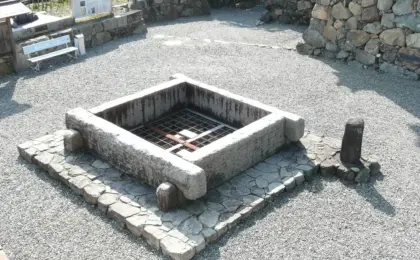
Constructed in 1588 by the visionary samurai lord Gamō Ujisato, the Matsusaka Castle Ruins (also known as Ojoshi Park) stand as the historical anchor of the city. While the original keep no longer stands, the site commands architectural authority through its impeccably preserved, cyclopean dry-stacked stone walls (uchikomi-hagi).
- Seasonal Contrast: Autumn breathes new life into the historic citadel. Brilliant yellow ginkgo fans and fiery red maples soften the austere, imposing geometry of the massive stone ramparts. Visitors who ascend to the highest fortifications are rewarded with sweeping, elevated vistas encompassing the urban expanse and distant mountain ridges.
- Logistics: Located at 1538-1 Tonomachi, Matsusaka-shi. A mere 15-minute drive from Matsusaka IC, or an easily walkable 15 minutes from JR/Kintetsu Matsusaka Station.
7. Castle Guard Residences: A Living Time Capsule
Flanking the immediate rear perimeter of the Matsusaka Castle fortifications lies the Castle Guard Residences (Gotemba-chaya and surrounding samurai quarters), a remarkably intact neighborhood where elite samurai warriors and their families were stationed during the final decades of the Edo period.
- Preservation Status: Recognized as one of the largest and most thoroughly preserved samurai housing complexes in all of Japan, this district is designated as an Important Cultural Property. Stone-paved alleys, traditional tile-roofed residences, and immaculately manicured living hedges (ikegaki) define the streetscape. Navigating these narrow lanes immediately following a tour of the castle ruins provides an immersive, tactile connection to feudal Japanese society.
- Logistics: Located at 1385 Tonomachi, Matsusaka-shi. Shares identical transit proximity with the Castle Ruins—15 minutes by car from Matsusaka IC or a 15-minute walk from Matsusaka Station.
Official Statements and Regional Tourism Outlook
As domestic and international travel patterns continue to evolve toward regional exploration and sustainable tourism, municipal leaders in Matsusaka are placing strategic emphasis on infrastructural readiness and cultural preservation.
![[Autumn in Matsusaka, Mie] Breathtaking Foliage & Nature! 7 Scenic Spots to Visit](https://resources.matcha-jp.com/resize/720x2000/2025/05/08-232841.webp)
In a recent briefing from the Matsusaka City Tourism Information Office, representatives emphasized the dual imperative of economic revitalization and ecological stewardship:
"Matsusaka is internationally celebrated for our culinary heritage—specifically Matsusaka Beef. However, our geographical diversity offers an equally profound narrative. The autumn season bridges our feudal past, preserved in the samurai districts and castle walls, with the pristine environmental assets of the Kahada Gorge and Fukano terraces. Our objective is to guide visitors seamlessly through this landscape, ensuring that rural communities benefit directly from sustainable tourism while preserving the tranquil integrity of these historic spaces."
Future Outlook: Sustainable Tourism and Infrastructure Development
Looking toward the late 2020s, regional planners are rolling out targeted initiatives to enhance the visitor experience without compromising the natural and historical fabric of Matsusaka:
![[Autumn in Matsusaka, Mie] Breathtaking Foliage & Nature! 7 Scenic Spots to Visit](https://resources.matcha-jp.com/resize/720x2000/2026/10/15-272507.webp)
- Enhanced Multilingual Signage: Deployment of advanced, solar-powered digital translation kiosks and physical signage across mountain corridors like Kahada Gorge and the Haze temple district to accommodate the rising influx of independent international travelers.
- Eco-Mobility Promotion: Expansion of cycling routes and promotion of electric vehicle (EV) charging stations near major waypoints such as Chakura Roadside Station, aligning with national decarbonization goals.
- Community-Led Conservation: Strengthening partnerships between local agricultural cooperatives in Fukano and municipal tourism boards to maintain the labor-intensive stone-walled terraced fields, ensuring these agricultural masterpieces survive for future generations.
Conclusion
Matsusaka City in autumn transcends the standard definition of a seasonal getaway. It is a living, breathing archive where nature and history enter into a striking annual dialogue. Whether tracing the reflective silence of bronze bells at Taiunji Temple, navigating the emerald and ruby corridors of Kahada Gorge, or walking the cobblestone lanes of samurai guards, travelers are invited to engage with a side of Japan that is deeply rooted, visually stunning, and profoundly peaceful.
For those seeking to escape the predictable tourist trails this autumn, Matsusaka offers an unparalleled journey into the golden heart of Mie Prefecture.
For further itinerary planning, real-time foliage condition updates, and transit schedules, consult the Matsusaka City Tourism Information Official Website or follow visual updates via the official Instagram handle @discover_matsusaka.






Belum ada komentar. Jadilah yang pertama berkomentar!