

Published: October 15, 2026
Author: Global Travel & Infrastructure Desk

Executive Overview
For millions of international and domestic travelers venturing out of Japan’s urban core, the majestic silhouette of Mount Fuji and the serene expanse of Lake Kawaguchiko remain paramount destinations. However, transitioning from the dense transit networks of Tokyo and its primary international hubs—Narita International Airport and Haneda Airport—to the picturesque Fuji Five Lakes region requires careful logistical planning.

This comprehensive guide evaluates the primary pathways connecting Tokyo to Lake Kawaguchiko, analyzing the trade-offs between highway buses, high-speed rail lines, and commuter transfers. Furthermore, this report details an optimized 48-hour itinerary designed to maximize cultural immersion, culinary exploration, and seamless regional mobility for travelers navigating Japan’s scenic highlands in late 2026.

Detailed Chronology: A Step-by-Step Transit and Itinerary Blueprint
To provide actionable insights for travelers, the following chronological breakdown traces a real-world journey originating at Haneda Airport, transiting through Shinjuku, and unfolding across a dynamic two-day exploration of Lake Kawaguchiko.

[09:00] Arrival at Haneda Airport
   │
   ├─► [09:33 - 09:56] Keikyu Airport Line Express ──► Shinagawa Station
   │
   ├─► [10:08 - 10:27] JR Yamanote Line ───────────────► Shinjuku Station
   │
   └─► [11:15 - 13:00] Chuo Expressway Bus ───────────► Kawaguchiko Station
Day 1: Arrival, Transit, and Lakeside Scenic Splendor
- 09:00 – Arrival at Haneda Airport: As one of Japan’s primary aviation gateways, Haneda Airport serves as the starting point for this expedition. International travelers clear customs and prepare for regional transit.
- 09:33 – Keikyu Airport Line Express: Passengers board the Keikyu Line directly from the airport terminal, utilizing one of the fastest rail connections to central Tokyo.
- 09:56 – Arrival at Shinagawa Station: After a brief 23-minute transit, passengers arrive at Shinagawa Station, a major transit node on the Yamanote Loop.
- 10:08 – JR Yamanote Line Outer Loop: Travelers transfer to the JR Yamanote Line, heading west toward Shibuya and Shinjuku.
- 10:27 – Arrival at Shinjuku Station: The train pulls into Shinjuku Station, the world’s busiest transportation hub. Travelers navigate the underground concourses toward the adjacent Shinjuku Expressway Bus Terminal (Busta Shinjuku).
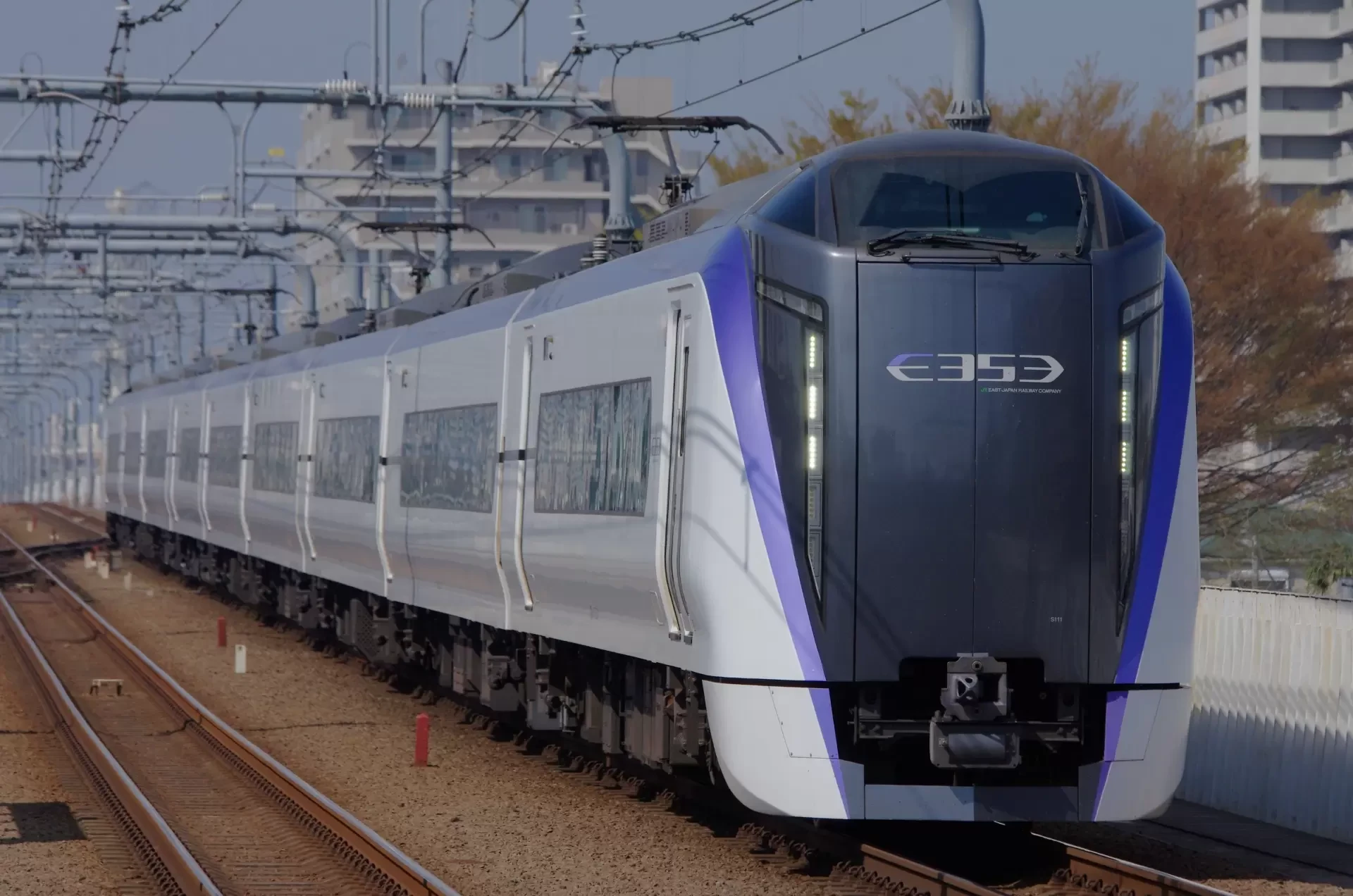
- 11:15 – Departure via Highway Bus: Passengers board the Chuo Expressway Bus operating on the Shinjuku–Fuji Five Lakes Line. This direct service bypasses the need for complex railway transfers.
- 13:00 – Arrival at Kawaguchiko Station: The bus arrives at Kawaguchiko Station on schedule, placing travelers at the threshold of the Fuji Five Lakes region.
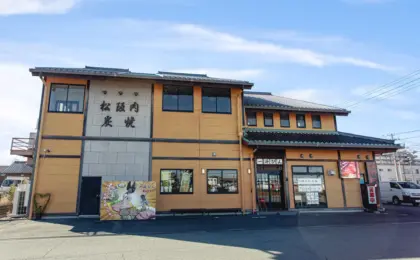
- 13:05 – Culinary Immersion at "Hoto Fudo": Following a brief walk from the station, visitors indulge in Hoto, Yamanashi Prefecture’s signature comfort food featuring flat udon noodles simmered in a rich pumpkin-miso broth alongside seasonal mountain vegetables.
- 14:00 – Transit to Oishi Park via Sightseeing Bus: Utilizing the local Lake Kawaguchiko Sightseeing Bus network, travelers journey along the northern shoreline toward Oishi Park.
- 14:20 – Arrival at Oishi Park: Visitors are greeted by unobstructed, panoramic vistas of Mount Fuji rising across the deep blue waters of Lake Kawaguchiko. A sweet culinary reward awaits at the park café in the form of regional lavender soft-serve ice cream.
- 15:00 – Return to Kawaguchiko Station: Travelers board the return sightseeing bus back to the central station hub before connecting to their evening accommodation.
- 15:20 – Arrival at Fuji Midori no Kyukamura: Guests check into "Fuji Midori no Kyukamura" (Fuji Green Vacation Village), having utilized the property’s pre-arranged complimentary shuttle service from Kawaguchiko Station.
- 16:00 – Onsen Rejuvenation: Visitors unwind from the day’s travels at the adjacent Fuji Chobo no Yu Yurari Onsen, soaking in therapeutic natural hot spring baths boasting direct views of Mount Fuji. (Travelers are advised to select accommodation packages that bundle onsen admission for optimal value).
- Evening: A peaceful night spent resting within the tranquil expanse of the Fuji-Hakodate-Izu National Park.
Day 2: Nature Trails, Cycling Adventures, and Return Transit
- 06:00 – Morning Awakening and Breakfast: Guests wake up to crisp alpine air, followed by a hearty breakfast at the resort. This is paired with an early morning nature walk along the forested paths surrounding the property, which are protected within the national park boundaries.
- 08:30 – Departure from Accommodation: Guests board the resort’s complimentary morning shuttle bus, returning to Kawaguchiko Station.
- 09:00 – Bicycle Rental at Fujikanko Travel: Travelers visit Fujikanko Travel, located directly opposite Kawaguchiko Station, to secure electric-assist bicycles. This rental service includes complimentary luggage storage, allowing visitors to explore unencumbered.
- 09:15 to 16:30 – Lakeside Cycling Exploration: Utilizing the high-torque electric bicycles—ideal for riders of all physical fitness levels—tourists navigate the perimeter of Lake Kawaguchiko, stopping at scenic points, artisan shops, and photography vantage points.
- 16:30 – Return of Equipment: Cyclists return to the Fujikanko Travel hub to drop off their bicycles and retrieve their stored luggage.
- 16:50 – Departure for Tokyo: Travelers board the evening express highway bus bound for Busta Shinjuku.
- 18:35 – Arrival in Shinjuku: The bus arrives at Shinjuku Bus Terminal, concluding the regional journey and seamlessly re-integrating travelers into Tokyo’s urban transit matrix.
Supporting Context & Metrics: Comprehensive Route Analysis
Choosing the correct mode of transport depends heavily on a traveler’s starting point, budget priorities, and risk tolerance regarding highway traffic congestion. The following data sets outline the logistical realities of traveling from Tokyo’s primary arrival points to Lake Kawaguchiko.

Part I: Airport Gateways to Central Tokyo (Shinjuku Station)
For international arrivals landing at Narita or Haneda, establishing a baseline transit strategy to Shinjuku Station is the critical first step.

Narita International Airport (NRT) to Shinjuku Station
| Means of Transportation | Average Duration | One-Way Fare (JPY) | Transfers Required | Key Operational Notes |
|---|---|---|---|---|
| Narita Express (N’EX) | 80 – 90 mins | ¥3,330 | None | Direct service; premium comfort; ideal for heavy luggage. |
| Keisei Skyliner + Local | 65 – 70 mins | ¥2,790 | 1 Transfer (Nippori) | Extremely fast to Nippori; requires transferring to JR Yamanote/Chuo lines. |
| Airport Limousine Bus | 85 – 110 mins | ¥3,600 | None | Direct terminal pickup; susceptible to Tokyo expressway traffic delays. |
| JR Conventional Lines | 90 – 100 mins | ¥1,490 | 1 Transfer (Nippori) | Budget-friendly commuter route; standing room likely during peak hours. |
Haneda Airport (HND) to Shinjuku Station
| Means of Transportation | Average Duration | One-Way Fare (JPY) | Transfers Required | Key Operational Notes |
|---|---|---|---|---|
| Airport Limousine Bus | 35 – 50 mins | ¥1,400 | None | Direct road transit; limited daily frequencies. |
| Keikyu Line + JR Yamanote | 40 – 45 mins | ¥590 | 1 Transfer (Shinagawa) | Highly efficient, cost-effective, and reliable commuter option. |
| Tokyo Monorail + JR | 45 – 50 mins | ¥780 | 1 Transfer (Hamamatsucho) | Scenic coastal elevated rail views before connecting to JR lines. |
| Monorail + Toei Oedo Line | 45 – 50 mins | ¥740 | 1 Transfer (Daimon) | Alternative subway transfer option avoiding Yamanote congestion. |
Part II: Shinjuku to Lake Kawaguchiko (The Final Leg)
Once anchored at Shinjuku Station or Busta Shinjuku, travelers face three primary vectors to reach Kawaguchiko Station.

| Means of Transportation | Average Duration | One-Way Fare (JPY) | Transfers Required | Strategic Recommendation |
|---|---|---|---|---|
| Chuo Highway Bus | 105 mins | ¥2,200 | None | Best Overall Value: Fastest and cheapest, but subject to highway traffic delays. |
| JR Fuji Excursion (Limited Express) | 110 mins | ¥4,200 | None | Most Reliable: Direct train from Shinjuku; immunity to road traffic; high demand requires advance booking. |
| JR Chuo Line + Fujikyu Railway | 135 – 150 mins | ¥3,800 – ¥4,000 | 1 Transfer (Otsuki Station) | Flexible backup option if direct Limited Express tickets are sold out. |
| Local JR & Regional Trains | 160 – 180 mins | ¥2,510 | 1 – 2 Transfers | Economical rail journey with multiple scenic stops; slower transit time. |
Part III: Complete End-to-End Cost and Time Matrices
Route A: Narita Airport via Highway Bus (Budget Priority)
- Transit Vector: Narita Express (N’EX) to Shinjuku $rightarrow$ Highway Bus to Kawaguchiko
- Total Duration: 3 hours 15 minutes minimum (excluding layover/transfer buffer times)
- Total Financial Cost: ¥5,530
- Narita Express: ¥3,330 (Basic fare ¥1,600 + Reserved seat surcharge ¥1,730)
- Express Highway Bus: ¥2,200
Route B: Narita Airport via Fuji Excursion Train (Time & Precision Priority)
- Transit Vector: Narita Express (N’EX) to Shinjuku $rightarrow$ JR Limited Express Fuji Excursion to Kawaguchiko
- Total Duration: 3 hours 20 minutes minimum
- Total Financial Cost: ¥7,530
- Narita Express: ¥3,330
- Fuji Excursion: ¥4,200 (Basic fare ¥2,580 + Limited express surcharge ¥1,620)
Route C: Haneda Airport via Highway Bus (Optimal Commuter Balance)
- Transit Vector: Keikyu Line (Shinagawa) + JR Yamanote to Shinjuku $rightarrow$ Highway Bus to Kawaguchiko
- Total Duration: 2 hours 25 minutes minimum
- Total Financial Cost: ¥2,730
- Keikyu Line + JR Connection: ¥590
- Highway Bus: ¥2,200
Route D: Haneda Airport via Fuji Excursion Train (All-Rail Seamless Transit)
- Transit Vector: Keikyu Line + JR to Shinjuku $rightarrow$ JR Limited Express Fuji Excursion
- Total Duration: 2 hours 30 minutes minimum
- Total Financial Cost: ¥4,730
- Keikyu Line + JR Connection: ¥590
- Fuji Excursion: ¥4,200
Official Statements and Strategic Regional Advice
Transportation authorities and regional tourism boards emphasize several critical guidelines for travelers navigating the Tokyo-Fuji corridor:

- The Highway Bus Traffic Caveat: While highway buses departing from Busta Shinjuku represent the most cost-effective and direct route (priced at ¥2,200 with a travel time of approximately 1 hour and 45 minutes), transportation officials issue regular warnings regarding weekend and holiday highway congestion along the Chuo Expressway. Commuters traveling during peak tourism seasons must allocate ample schedule buffers or opt for rail transit if strict punctuality is required.
- Advance Seat Reservations for Rail: The introduction of the JR Limited Express Fuji Excursion has revolutionized regional access by eliminating the traditional transfer at Otsuki Station. However, because these trains operate with a limited number of cars directly bound for Kawaguchiko, seats sell out weeks in advance. Travelers are strongly advised to secure reserved seating tickets online prior to arrival.
- Integrated Rail Pass Utilization: For international visitors planning extended explorations across eastern Japan, regional ticketing products such as the JR EAST PASS provide substantial cost savings and flexible access across participating lines, streamlining multi-destination itineraries. Official terms, validity maps, and purchasing portals are maintained via the official JR-EAST Pass Portal.
Future Outlook: Infrastructure Enhancements and Smart Tourism
As Japan’s tourism sector continues to adapt to unprecedented visitor volumes through 2026 and beyond, regional transit authorities are implementing targeted enhancements:

- Digital Reservation Ecosystems: Integration between highway bus operators (such as the Highway Bus Reservation Portal) and railway booking engines is expanding, allowing unified digital itineraries for international tourists.
- Micro-Mobility Expansion: The success of electric-assist bicycle leasing programs in Kawaguchiko—coupled with integrated baggage-handling services—points toward a broader regional shift away from private vehicular congestion and toward eco-friendly, active tourism infrastructure around the Fuji Five Lakes.
- Dynamic Traffic Management: Highway operators are deploying real-time predictive congestion algorithms linked to digital signage across Tokyo bus terminals, empowering travelers to dynamically pivot between highway coaches and rail alternatives based on live traffic analytics.
By balancing budget considerations against schedule reliability, modern travelers can seamlessly bridge the vibrant urban energy of Tokyo with the timeless, tranquil majesty of Mount Fuji.






Belum ada komentar. Jadilah yang pertama berkomentar!