

Date: October 15, 2026
Category: Gastronomy & Culinary Travel

Executive Overview
Renowned globally as one of the "Three Great Beefs" (Sandai Wagyu) of Japan, Matsusaka beef represents the absolute pinnacle of cattle-raising artistry. Hailing from Mie Prefecture, this legendary brand of Japanese Black cattle (Kuroge Washu) is historically celebrated for its exceptional marbling, buttery texture, and a melting point so low that the fat literally dissolves upon contact with human skin.

However, a persistent culinary myth suggests that experiencing authentic, top-tier Matsusaka beef is an exclusive luxury reserved for high-end kaiseki banquets and elite steakhouses costing hundreds of dollars per meal.

A quiet culinary revolution is transforming this narrative. Across the historic city of Matsusaka, an array of casual eateries, long-standing noodle shops, and innovative specialty spots are democratizing this premium protein. By integrating A5-grade Matsusaka beef into everyday comfort foods—such as conveyor belt yakiniku, regional-style Chinese noodles (chuka soba), artisanal udon, and even gourmet ice cream—local chefs are proving that world-class flavor can be both accessible and deeply rooted in casual dining culture. This report investigates four must-try culinary destinations and a pioneering dessert innovation that redefine how travelers can enjoy Japan’s most prized beef.

Detailed Chronology: The Evolution of Casual Matsusaka Dining
To understand how high-end Wagyu found its way into conveyor belts and noodle bowls, one must trace the timeline of culinary adaptation in Mie Prefecture.

- 1929: Matsusaka Cyukasoba Fujiya opens its doors, establishing a 95-year legacy of serving local comfort food. Over the decades, it anchors itself in the community by serving distinct regional Chinese noodles that depart from standard Tokyo- or Hakata-style ramen.
- 1962: Isshobin is founded as a traditional yakiniku establishment, laying the groundwork for what would become a staple meat-lover’s destination in Mie and Aichi prefectures.
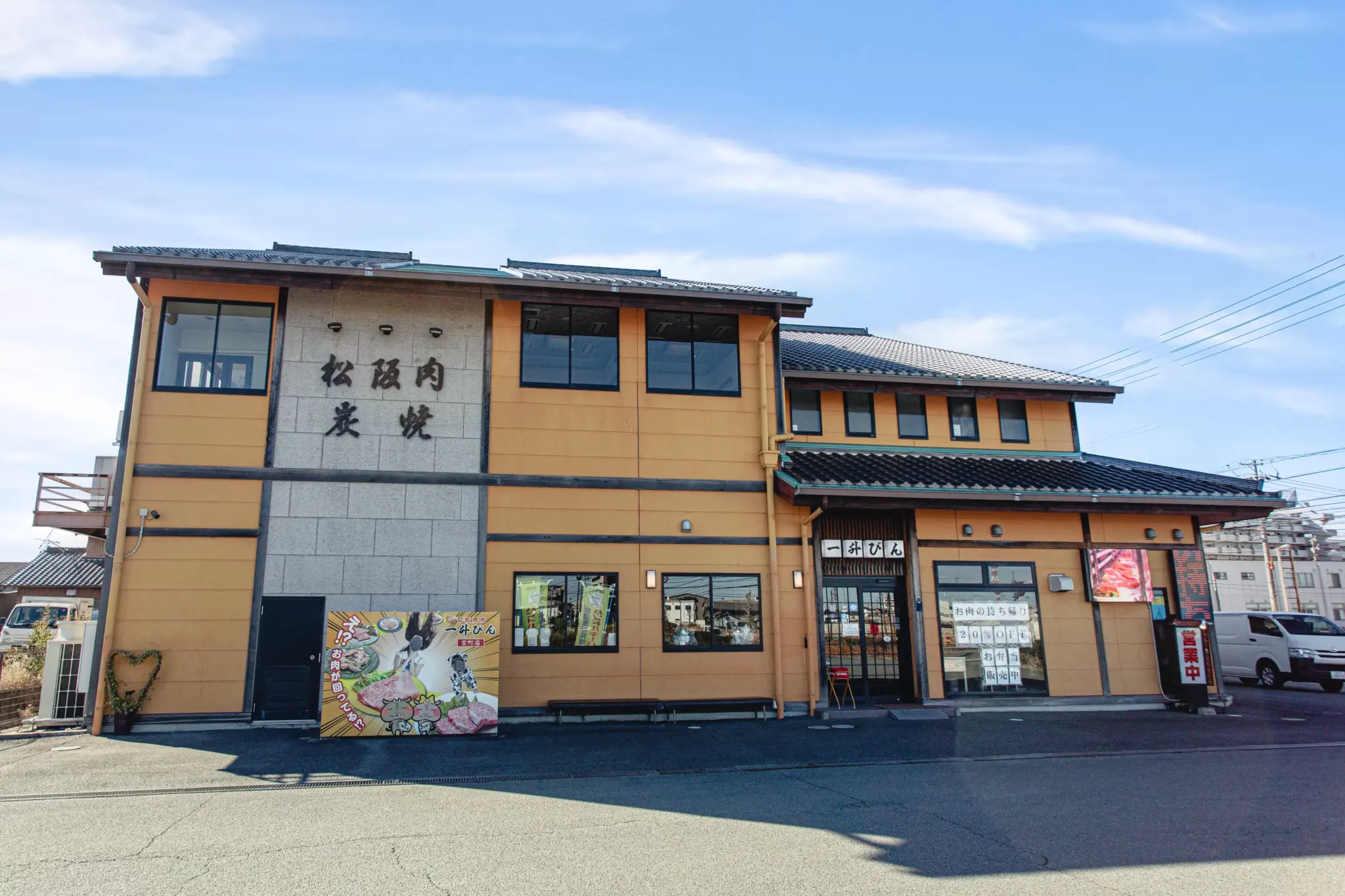
- 2000: The Isshobin Miyamachi Branch opens, revolutionizing local dining by introducing the world’s first conveyor belt (kaiten) yakiniku system, making individual cuts of premium beef approachable and fun.
- October 2023: Aoyagi opens its doors along the historic streets near the former residence of scholar Motoori Norinaga. Operated by the legendary Gyugin Honten—a historic sukiyaki and shabu-shabu institution—Aoyagi bridges the gap between ultra-luxury dining and casual lunch crowds by serving Matsusaka beef in a dedicated udon format.
- Present Day: Modern innovators like curry udon specialist Tamaki and butcher-shop chain Matsusaka Maruyoshi push boundaries further, introducing limited-edition daily servings of beef-tendon-infused curries and even savory-sweet beef-fat ice cream.
Supporting Context & Metrics: The Four Must-Try Culinary Destinations
1. Kaiten Yakiniku Isshobin (Miyamachi Branch): High-Tech Wagyu on a Roll
Located just a five-minute drive from Matsusaka Station with ample parking for 50 vehicles, the Miyamachi branch of Isshobin solves a common dining dilemma: how to sample multiple cuts of A5-grade beef without committing to an expensive multi-course set menu.

- The Concept: The restaurant features two distinct dining areas. Traditional booth seats offer privacy for families and groups, while the conveyor belt section puts small plates of raw meat and fresh vegetables on a continuous rotation.
- The Technology: A transparent, temperature-controlled glass case houses the rotating plates. Guests simply press a red release button to open an automated door, grab their desired plate, and let it snap shut.
- The Menu & Pricing: Plates start at an astonishingly reasonable 350 yen. Because Isshobin purchases cattle whole, diners can sample rare cuts—such as premium small intestine offal (horumon) rarely exported outside Mie Prefecture—alongside classic kalbi (short ribs) and loin.
- Culinary Technique: Due to the exceptionally low melting point of Matsusaka beef fat, grilling requires only a light sear on each surface. Paired with house-blend miso sauce or rock salt, the meat delivers an instant, sweet burst of unctuous flavor without any lingering gamey odor.
2. Matsusaka Meat Udon Specialty Store Aoyagi: Heritage Meets Comfort
Situated a ten-minute walk from Matsusaka Station along a preserved merchant street, Aoyagi is the brainchild of Gyugin Honten, a revered historic institution specializing in Matsusaka beef sukiyaki and shabu-shabu.

- Atmosphere & Service: Housed in a modern Japanese building, the restaurant retains the meticulous hospitality of its parent company. Though orders are placed via an entrance ticket machine, staff warmly deliver the dishes directly to guests at the counter or table.
- Culinary Integrity: Despite offering bowls starting at 1,180 yen, Aoyagi uses the exact same caliber of meat—including aged Special Grade Matsusaka beef—utilized by high-end traditional establishments.
- Signature Dish: The beef shabu-shabu udon features smooth, easily digestible noodles bathed in a delicate bonito and white soy sauce broth. The rich umami of the thinly sliced beef melts directly into the soup, complemented by the textural crunch of green pea sprouts and finely minced scallions.
3. Matsusaka Cyukasoba Fujiya: Defying Ramen Conventions
Operating since 1929, Fujiya sits a six-minute walk from Matsusaka Station. It challenges everything outsiders expect from Japanese noodle shops.

- The Regional Style: Unlike classic chuka soba characterized by clear shoyu broth, menma (bamboo sheets), and chashu pork, Matsusaka’s unique style of Chinese noodles features a robust seafood-and-vegetable broth loaded with a mountain of crunchy, finely chopped vegetables and tender slices of Matsusaka beef.
- The Experience: Completely renovated in 2010 to feature clean wooden tables, Fujiya attracts a diverse crowd of locals and travelers. The soup absorbs the natural sweetness of the abundant vegetables, resulting in a rich, full-bodied profile that feels hearty yet harmonious. Alongside its famous Chinese noodles, the restaurant is equally celebrated for its crispy hard yakisoba (katayakisoba).
4. Tamaki: The Masterclass in Curry Udon
Located a 12-minute drive from Matsusaka Station (or a 5-minute walk from JR Tokuwa Station), Tamaki is a postage-stamp-sized culinary temple run by a husband-and-wife duo.

- Exclusivity: Due to high demand and limited seating, the shop frequently sells out by noon.
- The Half-and-Half Innovation: Inspired by childhood memories, the owner serves unique bowls split between a mild Japanese bean-paste (ankake) broth and a deeply spiced curry.
- The Matsusaka Beef Curry Udon: Limited to just five servings per day, this bowl uses prime beef sourced directly from Gyugin. The curry base is built upon a rich bouillon made from Matsusaka beef tendons, fused with a proprietary blend of over 30 freshly fried spices. Diners are encouraged to layer on "Biwako Spice"—a garam masala-inspired powder—to adjust the heat profile dynamically.
Official Statements & Industry Insights
"Our goal since founding has been to preserve the secret recipes passed down by our predecessors while ensuring that safe, secure, and high-quality Matsusaka beef remains accessible to everyday patrons, from local families to visiting tourists."
— Management Statement, Kaiten Yakiniku Isshobin
The culinary expansion into casual dining formats highlights a broader economic and cultural shift within Mie Prefecture. Rather than protecting the brand behind impenetrable luxury price walls, local industry leaders recognize that culinary tourism thrives on accessibility.

Furthermore, culinary experimentation extends beyond savory main courses. Matsusaka Maruyoshi, a prominent butcher and restaurant group, recently introduced Maruyoshi Ice Cream (available in Milk and Ise Tea flavors for 500–550 yen). By rendering high-grade Matsusaka beef fat—which liquefies at exceptionally low temperatures—and blending it with fresh pasteurized milk, the confectioners achieved a remarkably smooth, velvety mouthfeel that challenges traditional dairy science.

Future Outlook
Matsusaka has firmly cemented its status as a multi-dimensional gastronomic destination. The success of conveyor-belt yakiniku, high-end udon shops operating out of historic districts, and century-old ramen houses proves that culinary heritage does not need to remain static to retain its prestige.

As younger generations of chefs and legacy institutions continue to cross-pollinate traditional techniques with casual dining formats, Matsusaka is poised to attract an increasingly diverse wave of international food tourists. For travelers planning a journey through Mie Prefecture, the message is clear: experiencing the legendary melt-in-your-mouth perfection of Matsusaka beef no longer requires a reservation at an exclusive dining hall. It can be found on a rotating plate, inside a steaming bowl of regional noodles, or even atop a scoop of artisanal ice cream.





Belum ada komentar. Jadilah yang pertama berkomentar!