

Executive Overview
Chiba Prefecture, extending dramatically eastward from Tokyo to embrace both Tokyo Bay and the expansive Pacific Ocean, has long operated in the shadow of the capital’s towering culinary reputation. Yet, beneath its quiet pastoral landscapes and historic canal districts lies a deeply rooted, fiercely proud gastronomy. From the centuries-old unagi (eel) preparation methods preserved in the historic merchant town of Sawara to the volcanic ash soils of Katori City yielding some of Japan’s finest sweet potatoes, Chiba offers an exceptional intersection of tradition and agricultural innovation.
This investigative culinary review explores the prefecture’s premier gastronomic assets: the singularly exclusive Koisuru Buta (“Pork in Love”), the velvety innovation of sweet potato IMO PPUCCINO, peak-season Pacific seafood near Cape Gyoubu, and a three-hundred-year lineage of charcoal-grilled eel. Whether accessed via an effortless 90-minute rail journey from Tokyo or traversed by automobile along scenic coastal routes, Chiba presents a compelling, multi-sensory itinerary for the discerning culinary traveler.
Detailed Chronology & Regional Gastronomy
1. The Three-Century Heritage of Unagi Kappo Yamada
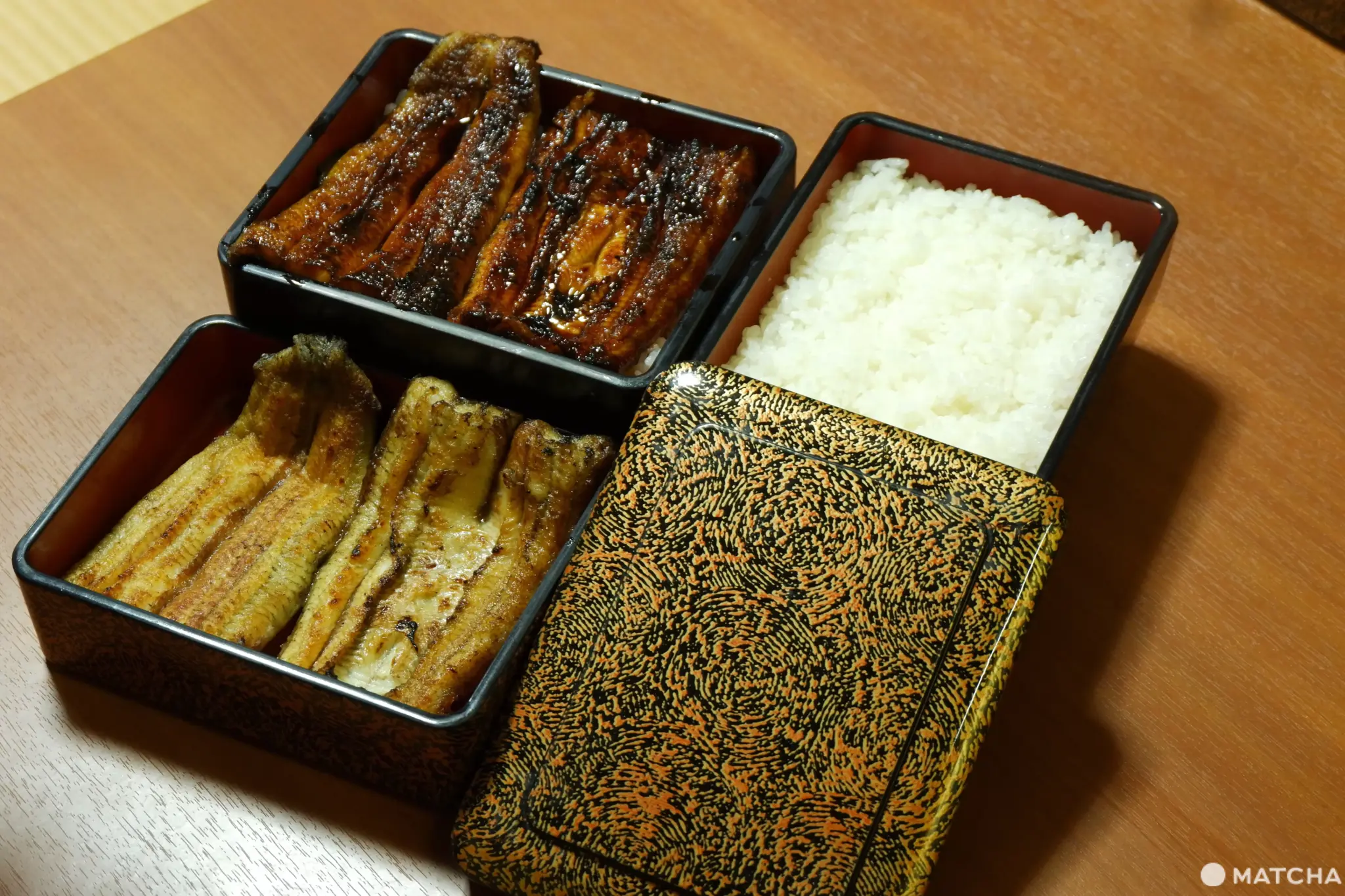
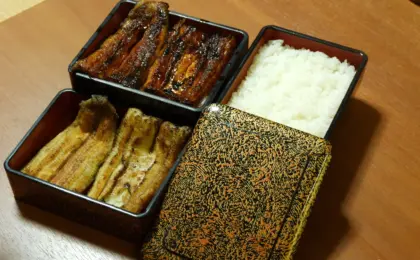
The architectural and cultural heart of Katori City’s historic Sawara district—often referred to as "Little Edo" due to its preserved Edo-period merchant houses and intersecting canals—serves as the custodian of an extraordinary culinary lineage. At the center of this tradition stands Unagi Kappo Yamada, an establishment boasting over 300 years of continuous operation.
Operating in a region historically enriched by freshwater resources, Yamada has perfected the Kanto style of eel preparation, distinguishing itself from Kansai methodologies through a meticulous multi-step process. Traditionally, Kanto-style unagi involves an initial plain grilling (shirayaki), followed by steaming to render out excess fat, and concluding with multiple applications of a secret, decades-old tare (sweet soy sauce glaze) over charcoal.

Yamada, however, departs from convention through a proprietary thermal technique. Rather than introducing external steam, the chef places the plain-grilled eel inside a tightly sealed enclosure, allowing the residual heat of the fish to gently soften the fibers. The final stage utilizes premium Kishu Binchotan charcoal—renowned for its steady, smoke-free infrared heat—imparting a delicate smokiness while preserving the eel’s natural gelatinous texture. Accompanied by rare seasonal delicacies such as grilled eel liver (kimo-yaki), Yamada’s craft represents a living museum of Japanese culinary heritage. Due to unrelenting demand and a strict no-reservation policy, early weekday arrivals are vital for securing a table.
2. The Romance of Katori: Cafe Netaimo and the Sweet Potato Renaissance
Moving from the waterways of Sawara to Chiba’s rich agricultural interior reveals a lesser-known statistical reality: Chiba Prefecture ranks second nationwide in sweet potato production, trailing only Kagoshima. The secret to this agricultural success lies in Katori City’s nutrient-dense volcanic ash soil, which provides ideal drainage and mineral composition for root vegetables.

Amidst the preserved historical streetscapes sits Cafe Netaimo, an establishment capitalizing on this regional asset. Located a convenient ten-minute walk from Sawara Station, the cafe bridges historic preservation with modern dessert culture through its signature creation: the IMO PPUCCINO.
Crafted from locally harvested, slow-roasted Beni Haruka sweet potatoes—a cultivar celebrated for its exceptionally high sugar content and custard-like mouthfeel—the IMO PPUCCINO is a dense, velvety beverage served in variations of Kuromitsu (traditional Japanese black sugar syrup) and rich chocolate. This innovative beverage encapsulates Chiba’s capacity to honor traditional farming while appealing to contemporary, aesthetic-driven food tourism.

3. Porcine Perfection: The Koisuru Buta Research Institute
While crossbred pork (Sangenbuta) is ubiquitous across the Japanese archipelago, Chiba’s Koisuru Buta (translated literally as "Pork in Love") redefines industrial livestock standards through an ethical, welfare-forward paradigm. Raised at a specialized, singular facility in Chiba that deliberately rejects corporate expansion to maintain uncompromising quality control, these pigs are reared under conditions designed to maximize emotional and physical well-being.
The foundational philosophy asserts that content, stress-free livestock yield inherently superior meat. Farmers employ bespoke feed formulations enriched with natural ingredients, resulting in fat profiles that defy conventional expectations of pork. Unlike standard commercial pork—which often exhibits a distinct gamey aroma and heavy greasiness—Koisuru Buta fat possesses a clean, subtle sweetness that melts seamlessly on the palate.

Culinary experts advise against preparation methods that strip away this signature fat, such as deep-frying into heavy tonkatsu. Instead, the research institute and affiliated chefs advocate for shabu-shabu (gentle broth immersion), light steaming, or a precise pan-searing technique: crisping the exterior over high heat before resting on low heat to lock in natural juices. Artisanal sausages and cured hams further showcase the versatility of this rare regional livestock.
4. Coastal Abundance: Sardines and Oysters at Country House Tsubaki
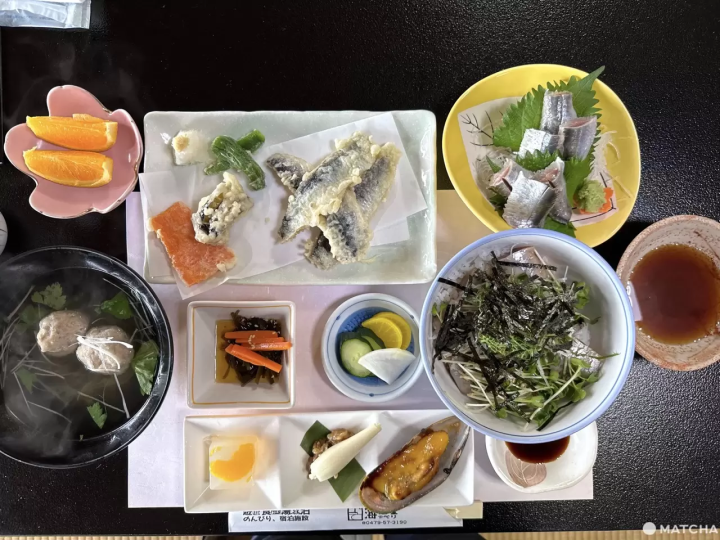
Bordering the marine intersection of Tokyo Bay and the Pacific Ocean, Chiba’s coastal gastronomy peaks during the transitional early summer months. Country House Tsubaki, situated near the dramatic bluffs of Cape Gyoubu, offers diners panoramic ocean vistas alongside a dual-seafood phenomenon: the confluence of peak sardine season (May through July) and prime oyster harvesting (June through August).

A June excursion to Country House Tsubaki provides the rare opportunity to experience both marine delicacies at absolute peak freshness. The establishment’s signature sardine set meals demonstrate the multi-faceted versatility of the fish, offering raw sashimi, delicate crisp tempura, and savory seafood rice bowls (kaisendon) in a single sitting. Complementing the sardines are locally sourced yellowtail (buri) sushi preparations, where rich, nutrient-dense fish oils harmonize with perfectly vinegared sushi rice—a culinary achievement that earned the restaurant critical acclaim on the prominent Japanese gastronomic television broadcast Syoku no Aisaidai (Colors of Food).
Supporting Context & Metrics
To contextualize Chiba Prefecture’s position within Japan’s broader agricultural and tourism landscape, the following data points underscore the region’s economic and gastronomic significance:

- Agricultural Standing: Chiba consistently ranks among Japan’s top five prefectures in overall agricultural output, leveraging its proximity to the Greater Tokyo Area (home to over 37 million consumers) to ensure farm-to-table freshness.
- Sweet Potato Production: Securing the #2 national ranking in sweet potato yield, Chiba produces hundreds of thousands of tons annually, with Katori City acting as the epicentre for premium cultivars like Beni Haruka and Narita Yume Daichi.
- Accessibility Metrics: Sawara Station and the surrounding historic district are accessible from Tokyo Station via the JR Sobu and Narita lines in approximately 90 minutes, making the region exceptionally viable for both zero-emission rail day-trippers and extended regional itineraries connecting to Narita International Airport.
- Livestock Exclusivity: The Koisuru Buta Research Institute maintains a strict single-farm operational model. By refusing to license or franchise its raising techniques to mass-market operations, the farm preserves an exclusive supply chain that guarantees traceability and ethical animal husbandry.
Official Statements & Expert Perspectives
Local agricultural authorities and culinary preservationists emphasize that Chiba’s gastronomic identity is undergoing a vital renaissance.
A spokesperson for the Katori City Tourism Association noted:

"For decades, international travelers viewed Chiba merely as a transit corridor connecting Narita Airport to Tokyo. Today, through deliberate investments in preserving our Edo-period streetscapes in Sawara and elevating indigenous agricultural products like our volcanic-soil sweet potatoes and artisanal pork, Chiba is establishing itself as a premier, independent culinary destination."
Culinary travel writer and regional researcher Sami Shan highlights the accessibility and depth of the prefecture’s food culture:

"What makes Chiba remarkable is the stark concentration of historical mastery and modern agricultural innovation within a short radius. You can stand inside a 300-year-old unagi house utilizing ancestral charcoal techniques in the morning, and sip a roasted sweet potato cappuccino in a restored merchant warehouse by afternoon. It is a seamless fusion of past and present."
Future Outlook
As international tourism to Japan diversifies beyond Tier-1 metropolitan hubs like Tokyo, Kyoto, and Osaka, prefectures offering authentic, regional narratives are poised for significant growth. Chiba’s strategic proximity to Tokyo and Narita Airport positions it ideally for the burgeoning slow-travel and agri-tourism markets.

Future initiatives by local municipalities aim to enhance rail-to-trail infrastructure, encouraging visitors to explore Sawara’s canals on foot or by traditional flat-bottomed boat (Yorifune) before embarking on culinary trails extending toward the Boso Peninsula’s rugged coastline. By maintaining strict quality controls—exemplified by the singular operation of the Koisuru Buta farm and the uncompromised charcoal traditions of Unagi Kappo Yamada—Chiba ensures that modernization will not dilute its ancestral flavors. For the culinary traveler, the Boso Peninsula stands ready to be discovered not as a secondary stop, but as a primary pillar of Japanese gastronomy.


Belum ada komentar. Jadilah yang pertama berkomentar!