For decades, international visitors to Tokyo have gravitated toward the neon-drenched corridors of Shinjuku, the youth-centric fashion avenues of Shibuya, and the historic temples of Asakusa. Yet, just a stone’s throw away from these congested tourist checkpoints lies a remarkably preserved slice of old-world Tokyo: Kameido.
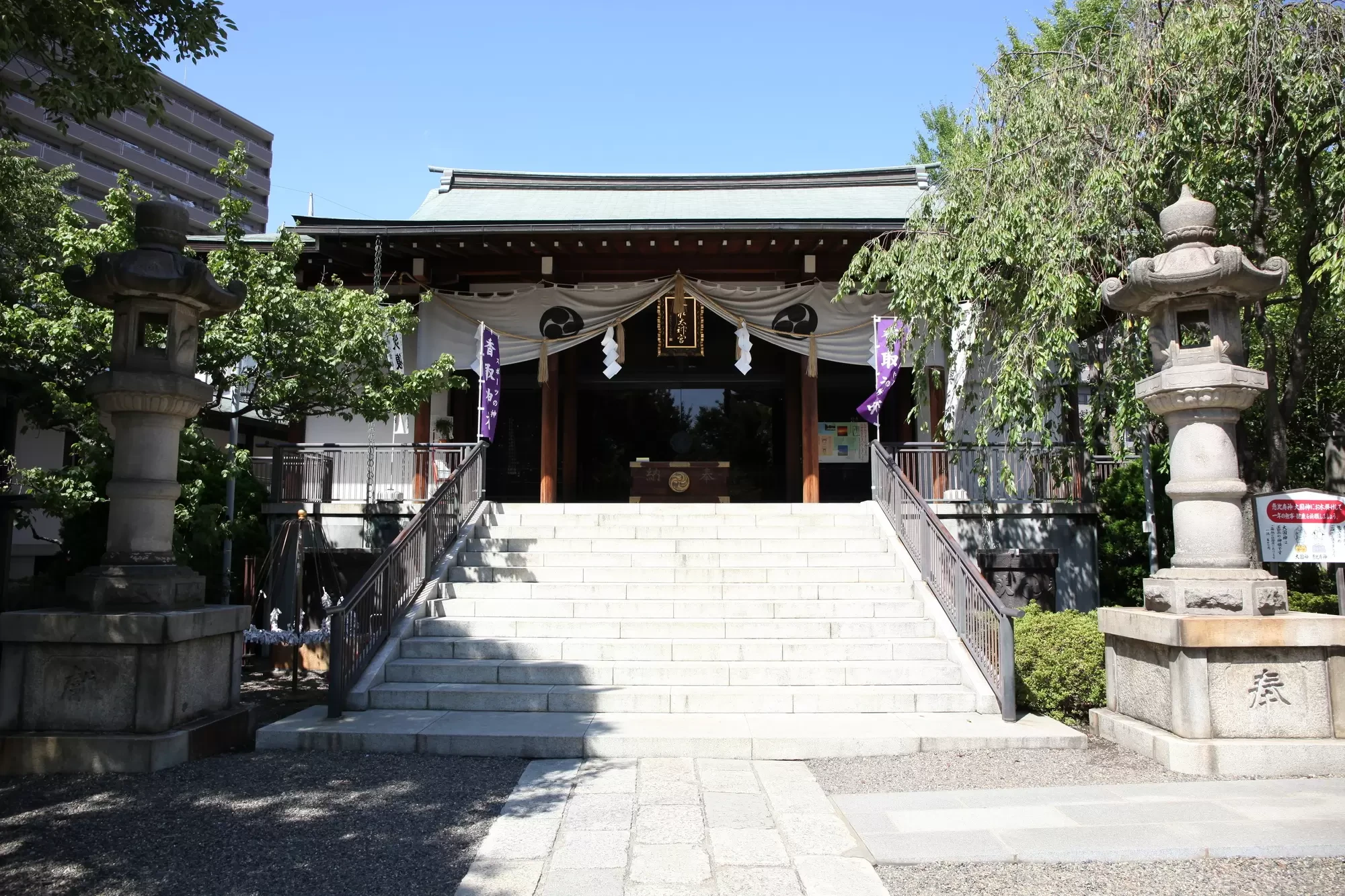
Positioned in Koto Ward, Kameido presents an alluring duality. It seamlessly blends quiet, deeply nostalgic residential neighborhoods with modern commercial hubs, making it one of the capital’s best-kept secrets for savvy travelers. Renowned primarily among horticultural enthusiasts for the stunning wisteria blooms at Kameido Tenjin Shrine, the district has quietly emerged as an exceptional base for accommodation and exploration.
Offering unbeatable budget-friendly hotels near Kameido Station, robust transit connections via the JR Sobu Line, and an authentic shitamachi (historic downtown) ambiance free from overwhelming crowds, Kameido is redefining what it means to experience Tokyo on a budget without sacrificing accessibility, culture, or culinary excellence.
Detailed Chronology: From Edo Period Outpost to Modern Urban Haven
To truly understand Kameido’s contemporary charm, one must examine its historical trajectory, which spans centuries of transformation.
The Edo Period: Cultivating Shitamachi Culture
During the Edo period (1603–1868), Kameido established itself as an integral part of the shogunate’s eastern expansion. The area’s fertile lowlands along the rivers made it ideal for agriculture—most notably giving rise to legendary local produce like the "phantom" Kameido daikon radish. Simultaneously, spiritual landmarks such as the Kameido Tenjin Shrine (founded in 1661) drew crowds of pilgrims from Edo proper. These early roots cultivated the warm, community-centric atmosphere that characterizes the neighborhood’s shopping streets today.
The Post-War Era: Culinary Innovation
Following the disruptions of the mid-20th century, Kameido reinvented itself as a working-class commercial hub. The post-war era witnessed the birth of culinary institutions that would eventually scale into nationwide phenomena. In 1953, the legendary Kameido Gyoza opened its doors, serving up crisp, meticulously crafted pan-fried dumplings that remain a local religion to this day. Other culinary icons, such as the Funabashiya traditional sweet shop and the original Kameido Horumon offal-grilling establishment, cemented the neighborhood’s reputation as a gastronomic destination.
The 21st-Century Renaissance: Modern Retail Meets Heritage
Kameido’s modern era is defined by a delicate balance of preservation and revitalization. The opening of KAMEIDO CLOCK in April 2022 injected a fresh wave of contemporary commerce into the eastern side of the neighborhood. This master-planned retail complex, alongside the long-standing atre Kameido directly connected to the station, proved that the district could modernize its infrastructure while maintaining its deeply rooted local identity. Today, Kameido stands as an authoritative case study in how historic Tokyo neighborhoods can adapt to modern tourism demands without losing their soul.
Supporting Context & Metrics: Accessibility, Infrastructure, and Economy
For the modern traveler, location and cost efficiency are paramount. Kameido scores exceptionally high on both fronts, operating as a logistical powerhouse hidden behind a tranquil facade.
Transit Connectivity: Navigating the Hub
While Kameido lacks its own dedicated subway line, its integrated multi-modal transportation network ensures seamless travel across the metropolis:
JR Chuo-Sobu Line (Yellow Trains): Serving as the economic backbone of the area, JR Kameido Station connects travelers directly to major hubs such as Kinshicho, Akihabara, Asakusabashi, and Shinjuku. Commuters should note that while local yellow trains stop frequently at Kameido, the faster Sobu Line Rapid (blue trains) bypasses the station, requiring a quick transfer at neighboring Kinshicho.
Tobu Kameido Line: Operating as a nostalgic two-car shuttle, this historic line runs between Kameido Station and Hikifune Station (near Tokyo Skytree) in just eight minutes, offering a picturesque look at traditional residential Tokyo.
Toei Bus Network: Filling the subway gap with remarkable efficiency, buses depart regularly from the North Exit terminal, offering direct, stress-free transit to Asakusa, Ueno Park, Tsukiji, Monzen-Nakacho, and Kinshicho.
Economic Advantages: Budget Stays and Everyday Pricing
Accommodation costs in central Tokyo districts like Ginza or Shibuya can quickly drain a travel budget. In contrast, hotels located in and around Kameido—such as HOTEL MYSTAYS Kameido, alongside nearby properties in Kinshicho like the Sotetsu Fresa Inn and Lotte City Hotel—offer significantly lower nightly rates.
Furthermore, local commerce relies on everyday neighborhood pricing rather than inflated tourist-trap markups. From the 100-yen shops at KAMEIDO CLOCK to the affordable local eateries along Kameido Chuo-dori, travelers enjoy exceptional purchasing power.
Official Statements and Local Insights
Tourism authorities and municipal leaders within Koto Ward have increasingly highlighted Kameido as a vital asset for sustainable urban tourism.
"Kameido represents the beating heart of Tokyo’s historic working-class culture," notes a regional tourism promotion representative. "As central districts experience high-density tourism pressure, areas like Kameido offer international visitors a genuine, breathable alternative. Here, travelers do not merely observe Japanese culture as spectators—they share coffee shops with local artisans, shop alongside neighborhood residents, and participate in centuries-old traditions at our shrines."
Local merchants echo this sentiment, emphasizing that the neighborhood’s charm lies in its unpretentious hospitality. The owners of historic establishments like Kameido Gyoza and Funabashiya maintain that their primary mission has always been serving the local community first, which inadvertently creates the authentic, welcoming environment that modern travelers crave.
Future Outlook: Kameido’s Role in Tokyo’s Tourism Landscape
Looking ahead, Kameido is poised to absorb a growing share of independent, culture-seeking travelers looking to bypass overcrowded landmarks.
Urban development initiatives in Koto Ward continue to prioritize pedestrian-friendly zones, riverside promenade improvements along the Kyu-Nakagawa River, and enhanced multilingual tourist support services at facilities like Kameido Umeyashiki. As remote work and extended-stay travel trends grow globally, neighborhoods equipped with kitchen-enabled accommodations (such as HOTEL MYSTAYS Kameido) and robust local amenities are expected to see surging demand.
Kameido proves that a destination does not need high-end luxury boutiques or flashing neon skyscrapers to leave a lasting impression. By anchoring itself in rich historical traditions, culinary mastery, and smart, accessible urban planning, Kameido stands out as one of Tokyo’s most rewarding, comfortable, and enduring hidden gems.






Belum ada komentar. Jadilah yang pertama berkomentar!