Chiba Prefecture—traditionally viewed by international travelers as little more than a logistical corridor connecting Narita International Airport to central Tokyo—is quietly undergoing a profound culinary renaissance. Beyond its sprawling urban boundaries, Chiba boasts an agricultural and maritime bounty that rivals Japan’s most celebrated gastronomic destinations. From the volcanic ash-enriched soils of Katori City, which yield some of the nation’s finest sweet potatoes, to centuries-old unagi (eel) institutions along the canal-lined streets of historic Sawara, Chiba offers an immersive narrative of tradition, innovation, and terroir.
This comprehensive gastronomic investigation explores the prefecture’s premier culinary pillars: the exclusive "Koisuru Buta" (Pork in Love) project, the viral yet deeply authentic sweet potato innovations at Cafe Netaimo, the seasonal coastal seafood treasures near Cape Gyoubu, and a 300-year-old culinary legacy of Kanto-style eel preparation at Unagi Kappo Yamada. Designed for both the independent rail traveler and the adventurous road-tripper, this guide maps out a meticulously curated itinerary through Chiba’s evolving flavor profile.
Detailed Chronology & Geographical Itinerary
Phase I: Historic Sawara – The 300-Year-Old Eel Tradition at Unagi Kappo Yamada
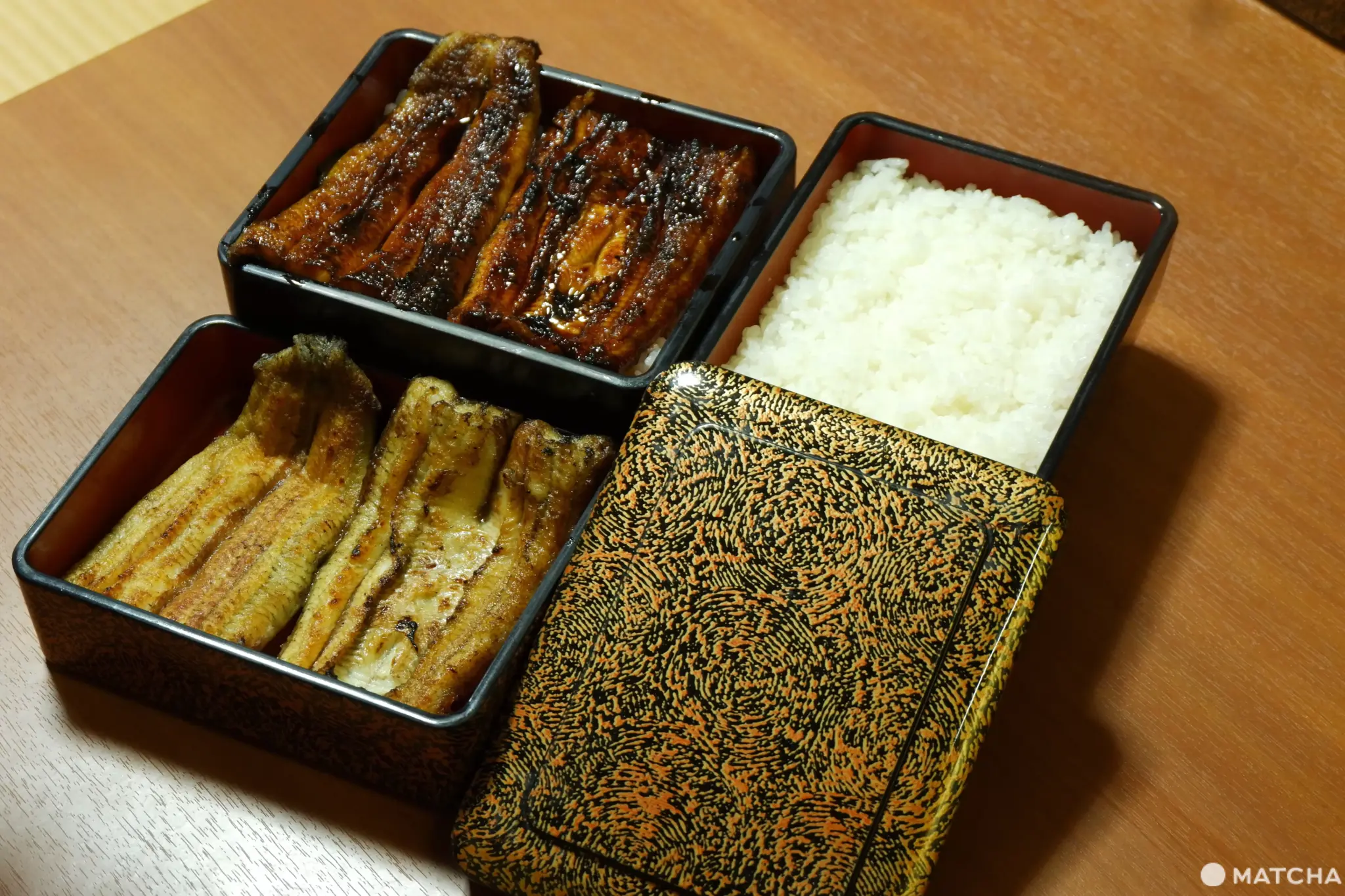
The journey begins in Katori City’s historic district of Sawara, often celebrated as "Little Edo" due to its remarkably preserved canal banks, merchant houses, and Edo-period streetscapes. It is here, just a convenient ten-minute walk from Sawara Station, that one encounters the architectural and culinary monument known as Unagi Kappo Yamada. Operating continuously for over three centuries, Yamada represents the pinnacle of traditional Kanto-style eel craftsmanship.
Because the establishment does not accept reservations and routinely commands long queues, culinary tourists are strongly advised to arrive early or plan their visit for a weekday. The restaurant’s longevity is rooted in an unwavering dedication to technique. Unlike Kansai-style preparation, which grills the eel directly over an open flame until crisp, Kanto-style unagi requires a delicate, multi-step process designed to render excess fat and achieve a melt-in-the-mouth texture.
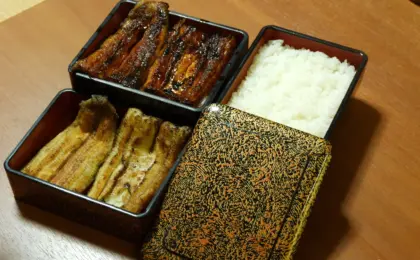
While standard Kanto preparation involves steaming the split eel after an initial plain grilling, Yamada employs a proprietary technique. Instead of conventional steam boxes, the chef places the plain-grilled eel inside a sealed chamber, allowing the residual heat of the fish to gently steam the meat from within. The final stage involves finishing the fillet over premium Kishu Binchotan charcoal, repeatedly basting it in a proprietary, decades-old tare sauce. For the adventurous palate, Yamada also serves rare seasonal delicacies such as grilled eel liver (kimo-yaki), offering a bitter-savory counterpoint to the rich, unctuary sweetness of the primary dish.
Phase II: The Sweet Potato Innovation of Katori – Cafe Netaimo
A short stroll deeper into the historic streets of Katori City brings travelers to Cafe Netaimo, a modern culinary outpost bridging Chiba’s rich agricultural heritage with contemporary cafe culture. Chiba Prefecture ranks second nationwide in sweet potato production, trailing only Kagoshima. The secret to this agricultural success lies in Katori’s rich, well-draining volcanic ash soil (kuroboku), which provides optimal mineral composition and temperature regulation for root development.
The harvest season kicks off in earnest each summer, beginning as early as June, and triggers a wave of sweet potato-centric menus across the region. At Cafe Netaimo, the undisputed star is the IMO PPUCCINO—a thick, velvety dessert drink crafted from locally roasted Beni Haruka sweet potatoes, a cultivar celebrated for its exceptionally high sugar content and smooth, custard-like mouthfeel. Available in two distinct iterations—rich Kuromitsu (Japanese black sugar syrup) and decadent Chocolate—the beverage redefines the humble tuber into a luxurious, artisanal indulgence.
Accessible via a 1.5-hour train journey from central Tokyo to Sawara Station, this district serves as an ideal day-trip destination or an effortless overnight stop for international travelers looking to unwind before catching an outgoing flight from Narita Airport.
Phase III: The Romance Pork Research Institute – Raising "Pork in Love"
Venturing beyond the urban core of Katori into Chiba’s rolling agricultural interior reveals one of Japan’s best-kept livestock secrets: Koisuru Buta (literally, "Pork in Love"). While standard crossbred pork (Sangenbuta) is ubiquitous across the Japanese archipelago, Chiba’s Koisuru Buta stands apart due to an uncompromising philosophy of animal welfare and dietary management.
Raised on a single, dedicated farm in Chiba Prefecture that deliberately refuses to expand its operations in order to preserve absolute quality control, these pigs are raised in low-stress, highly enriched environments designed to keep them content and thriving. Local farmers meticulously control feed compositions, resulting in a livestock product with a remarkably clean, sweet flavor profile devoid of the gamey odors typical of mass-produced pork.
Culinary experts emphasize that the true signature of Koisuru Buta lies in its fat. Unlike conventional pork fat, which can be heavy or waxy, the fat of Koisuru Buta melts at a lower temperature and imparts a clean, subtle sweetness. Consequently, traditional deep-frying methods such as tonkatsu are discouraged, as they render out the precious, flavorful fats. Instead, local chefs advocate for shabu-shabu hot pot, gentle steaming, or precise pan-searing—crisping both sides over high heat before gently finishing over low heat. Artisanal sausages and cured hams produced from this rare meat are equally prized by visiting gourmands.
Phase IV: Coastal Bounty at Country House Tsubaki
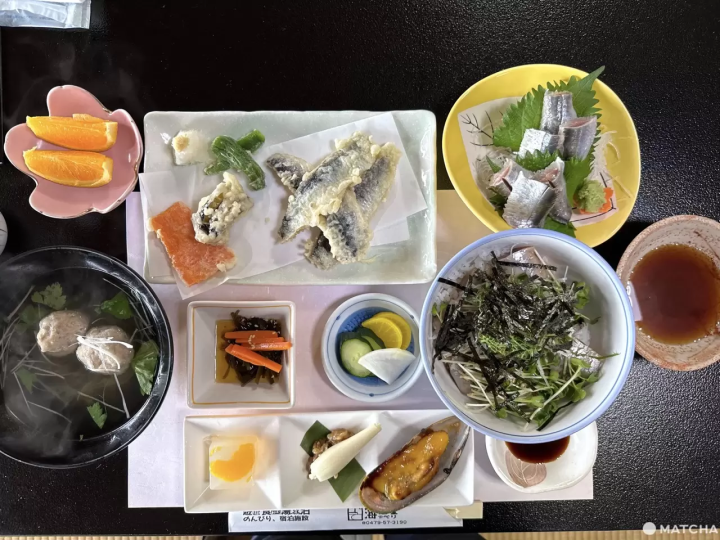
No gastronomic exploration of Chiba would be complete without turning toward the Pacific coastline. Situated near the dramatic vistas of Cape Gyoubu, Country House Tsubaki (also known as Country House Tsubakiri) offers a dual-seafood experience that captures the essence of Chiba’s early summer maritime harvest.
The timing of a visit is critical for seafood purists: Chiba’s sardine (iwashi) season runs from May through July, while Pacific oysters reach their absolute peak between June and August. Visiting in June creates a fleeting culinary window where both delicacies can be consumed at the absolute zenith of their freshness.
Country House Tsubaki elevates these seasonal catches through comprehensive tasting formats. Their signature sardine set meals integrate sashimi, delicate tempura, and overflowing seafood rice bowls (kaisendon), allowing diners to experience the silvery fish across multiple textures. Another menu standout is the yellowtail (buri) sushi, where rich, savory fish oils harmonize perfectly with impeccably seasoned sushi rice. The establishment’s culinary excellence has earned it critical acclaim, including features on prominent Japanese television programs such as Syoku no Aisaidai (Colors of Food).
Supporting Context & Metrics
To fully appreciate Chiba’s culinary stature within the national context, several key agricultural and geographical metrics must be considered:
Sweet Potato Production Ranking: Chiba Prefecture holds the #2 position nationwide in total sweet potato output, producing hundreds of thousands of tons annually. The concentration of volcanic ash soil in Katori City is a primary driver of this high ranking.
Geographic Proximity & Transit Accessibility: Sawara Station, the gateway to Katori’s historic canal district and unagi heritage, is located roughly 90 minutes by rail from central Tokyo. This makes the region uniquely suited for low-carbon, rail-based culinary tourism.
Livestock Exclusivity: Koisuru Buta is cultivated on precisely one farm in Chiba Prefecture. This intentional bottleneck ensures strict oversight of animal welfare, feed sourcing, and processing standards.
Peak Seasonal Windows:
Eel (Unagi): Year-round availability, with peak cultural consumption during Doyo no Ushi no Hi (mid-summer).
Sardines: May through July.
Oysters: June through August.
Sweet Potatoes: Harvest begins in June, with peak sweetness developing through autumn and winter storage.
Official Statements & Industry Perspectives
Agricultural economists and local culinary historians note that Chiba’s food culture is experiencing a structural shift away from anonymous mass production toward hyper-local provenance.
A spokesperson for the regional agricultural cooperative notes:
"For decades, Chiba acted as a vital pantry for Tokyo, supplying raw ingredients without receiving independent culinary recognition. Today, artisans, chefs, and farmers are reclaiming that narrative. By emphasizing rare livestock models like Koisuru Buta and protecting 300-year-old culinary lineages in Sawara, Chiba is establishing itself as an independent, premier destination for domestic and international epicures alike."
Hospitality analysts further emphasize that the accessibility of Chiba’s inland and coastal treasures—bridging the gap between Narita Airport and central Tokyo—positions the prefecture ideally for international travelers seeking authentic, off-the-beaten-path gastronomic encounters without the grueling transit times associated with Japan’s more remote prefectures.
Future Outlook
Looking ahead, Chiba Prefecture’s culinary tourism sector is poised for sustained, controlled growth. Initiatives highlighting sustainable agriculture, animal welfare, and historical preservation are expected to anchor future regional development plans.
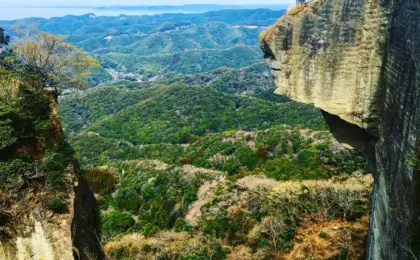
For the public transit traveler, expanding walkability initiatives around Sawara Station and enhancing English-language digital resources for establishments like Cafe Netaimo and Unagi Kappo Yamada will continue to lower barriers to entry. Meanwhile, self-drive culinary itineraries looping from the historic canals of Katori down to the dramatic Pacific cliffs of Cape Gyoubu will remain the gold standard for travelers seeking complete immersion in Chiba’s rich gastronomic tapestry.
Whether one is savoring the ethereal sweetness of an IMO PPUCCINO alongside an Edo-era canal, partaking in centuries-old charcoal-grilled eel, or discovering the remarkably tender fat of pasture-raised romance pork, Chiba proves that true culinary treasure often lies just beyond the shadow of the capital.






Belum ada komentar. Jadilah yang pertama berkomentar!