

Executive Overview
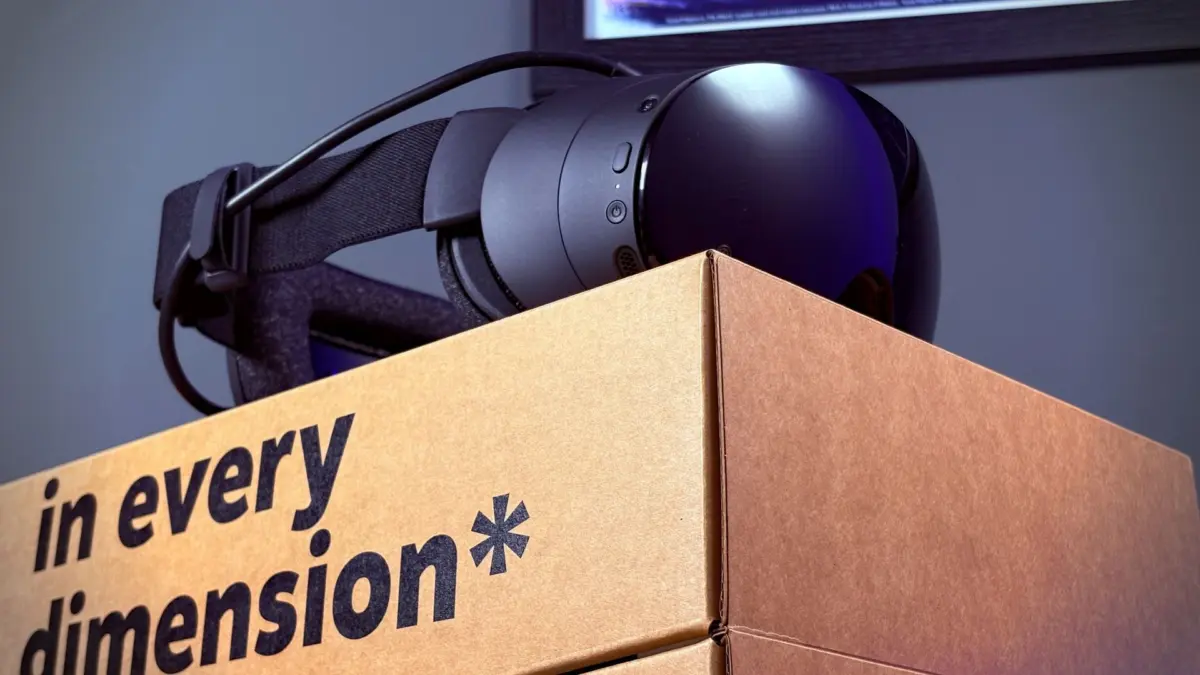
The intersection of PC hardware enthusiasm and internet culture has long produced eccentric, community-driven creations. From custom Steam Deck boot animations—such as those inspired by the television sitcom Scrubs—to heavily modified controller layouts, Valve’s hardware ecosystem thrives on open-source philosophy and user empowerment. The latest manifestation of this vibrant homebrew energy comes via the Reddit community, where a developer known as Kebakent has engineered a Windows screensaver featuring Valve’s newly launched Steam Frame virtual reality headset and its companion controllers bouncing endlessly across the display.
Released in September with a hefty starting price tag of $1,059, the Steam Frame has remained an elusive piece of hardware for many enthusiasts, particularly those transitioning from alternative setups like the PlayStation VR2. While the steep cost puts the cutting-edge wireless VR system out of reach for a significant portion of gamers, Kebakent’s open-source screensaver—aptly titled FrameBounce—offers a tongue-in-cheek digital placeholder.
More importantly, the project highlights Valve’s uniquely permissive approach to intellectual property and user-generated content. Built using official promotional artwork granted to the developer by Valve, the screensaver underscores a broader corporate strategy that encourages community engagement, mirroring Valve’s recent decisions to release free CAD files for both the Steam Frame and the Steam Controller. As enthusiasts continue to wait for wider availability and more accessible pricing tiers, the homebrew community has stepped in to fill the void with humor, technical ingenuity, and a shared passion for PC gaming hardware.
Detailed Chronology: From Hardware Launch to Homebrew Nostalgia
The timeline leading to the creation of the FrameBounce screensaver traces the rapid escalation of consumer interest and community mobilization surrounding Valve’s latest virtual reality endeavor.
- September: Valve officially launches the Steam Frame VR headset, opening a reservation lottery with a starting price of $1,059. The wireless capabilities and high-end specifications instantly capture the attention of the broader virtual reality community, drawing comparisons to existing hardware like the PlayStation VR2. However, the high barrier to entry leaves many prospective buyers admiring the device from afar.
- Mid-September: The r/SteamFrame subreddit experiences a surge of traffic, with users engaging in intense speculation, tracking shipping configurations, and expressing collective anxiety over reservation windows. As hardware discussions reach a fever pitch, the community’s creative elements begin looking for ways to interact with the device conceptually rather than practically.
- Late September: Following a trend of open hardware policies, Valve releases comprehensive CAD files for the Steam Frame under a Creative Commons Attribution Non-Commercial Share-Alike license. This move enables 3D printing enthusiasts and modders to design custom accessories and structural housing modifications, setting a precedent for open developer-community collaboration.
- Present Day: Reddit user Kebakent unveils the FrameBounce screensaver project on r/SteamFrame. After securing direct permission from Valve to utilize official promotional artwork for a non-commercial application, the developer publishes the open-source project to GitHub. Complete with a ready-to-run
.screxecutable file and customizable parameters for speed, size, and rotation, the screensaver quickly becomes a viral sensation among budget-constrained VR enthusiasts.
Supporting Context & Metrics: The Economics and Culture of Open-Source Hardware
To understand the cultural significance of a bouncing Steam Frame screensaver, one must examine the financial landscape of high-end virtual reality hardware and Valve’s historical relationship with user modifications.
The Cost Barrier of Modern VR
At $1,059, the Steam Frame represents a significant financial investment. While enthusiasts point to its advanced wireless fidelity, ergonomic design, and seamless integration with the Steam ecosystem as justification for the price, the cost effectively stratifies the VR market. For players transitioning from tethered ecosystems or budget-friendly headsets, the investment requires careful budgeting. This economic reality has fostered a distinct subculture of humor online, where users joke about "coping mechanisms"—such as watching promotional videos or utilizing simulated software loops—to experience the illusion of ownership without the accompanying credit card statement.
The Legacy of Valve’s Homebrew Culture
Valve has cultivated one of the most mod-friendly hardware communities in the history of personal computing. This philosophy dates back to the early days of Steam Controller customization and reached a fever pitch with the launch of the Steam Deck handheld gaming PC.
- Custom Boot Animations: Following the release of the Steam Deck, community members quickly discovered how to alter system boot sequences. TikTok accounts and Reddit threads dedicated to custom boot videos—ranging from nostalgic television intros to absurd meme formats—demonstrated an unprecedented level of consumer personalization.
- CAD File Releases: By publishing official CAD models for the Steam Controller, its companion puck, and now the Steam Frame, Valve actively invites physical modification. This strategy contrasts sharply with closed-ecosystem competitors who litigate or actively block third-party repairs and modifications.
FrameBounce fits seamlessly into this historical trajectory. By transforming high-end corporate product imagery into a nostalgic, retro-style bouncing logo screensaver reminiscent of classic Windows screen savers, Kebakent bridges the gap between corporate marketing and grassroots internet culture.
Official Statements & Developer Insights
The development of FrameBounce was executed with strict adherence to copyright standards, bolstered by Valve’s accommodating stance on fan projects.
According to developer Kebakent, the creation of the screensaver required direct communication with the corporation to ensure compliance with intellectual property laws. In statements shared with the r/SteamFrame community, Kebakent clarified the origins of the visual assets:
"Valve confirmed I have permission to use the artwork for this non-commercial project."
Furthermore, the developer prioritized user customization and accessibility, structuring the project as a fully open-source repository hosted on GitHub under an MIT license. Technical specifications embedded within the software allow users to tailor the experience to their desktop preferences:
- Configurable Parameters: Users can adjust object size, movement velocity, rotational speed, and display brightness.
- Accessibility: The repository includes a pre-compiled
.scrfile, allowing even non-technical users to install and run the screensaver immediately on Windows operating systems without needing to compile source code from scratch.
This collaborative, transparent approach mirrors Valve’s broader administrative philosophy regarding community creations. By permitting non-commercial utilization of promotional assets, Valve effectively allows its user base to function as an organic marketing extension while maintaining goodwill among purists and developers.
Future Outlook: What Next for the Steam Frame Community?
As the initial wave of Steam Frame shipments continues to reach early adopters, the hardware landscape is poised for rapid evolution.
- Proliferation of 3D-Printed Mods: With the official CAD files circulating freely across the internet, the coming months will likely see an influx of bizarre, highly functional, and aesthetically unique 3D-printed modifications. From custom facial interfaces to ergonomic controller grips, the community is expected to push the physical boundaries of what the Steam Frame can be.
- Software Emulation and Novelty Projects: Projects like FrameBounce demonstrate that community engagement extends far beyond physical hardware ownership. As long as a financial or logistical barrier keeps the Steam Frame out of reach for the average consumer, digital homebrew projects—virtual unboxings, simulated dashboards, and ironic screensavers—will likely remain a staple of the r/SteamFrame ecosystem.
- Potential Price Adjustments and Iterations: While a price drop on a newly launched flagship VR headset is unlikely in the immediate short term, historical trends with devices like the Steam Deck suggest that future hardware revisions, refurbished units, or bundle sales may eventually lower the barrier to entry.
Until that day arrives, budget-conscious gamers and virtual reality hopefuls will continue to rely on community-made novelties. Whether utilized as a genuine desktop aesthetic or an ironic coping mechanism for the financially cautious, FrameBounce stands as a testament to the enduring creativity of the PC gaming community—proving that even if you cannot afford to wear the hardware, you can always watch it bounce endlessly across your monitor.




Belum ada komentar. Jadilah yang pertama berkomentar!