

Executive Overview
In a sweeping hardware and software development announcement that significantly alters the timeline of its graphics roadmap, Advanced Micro Devices (AMD) has accelerated the deployment of its FidelityFX Super Resolution (FSR) 4.1 upscaling technology. Originally scheduled to arrive on older desktop architectures and specialized mobile APUs much later in the decade, FSR 4.1 is rolling out far ahead of schedule.
The announcement, reinforced by corporate leadership and the latest Adrenalin software drivers, impacts a massive footprint of over one billion active gaming devices worldwide. Most notably, owners of Radeon RX 6000-series graphics cards—previously slated to wait until 2027 for next-generation upscaling features—are receiving FSR 4.1 support through current driver iterations.
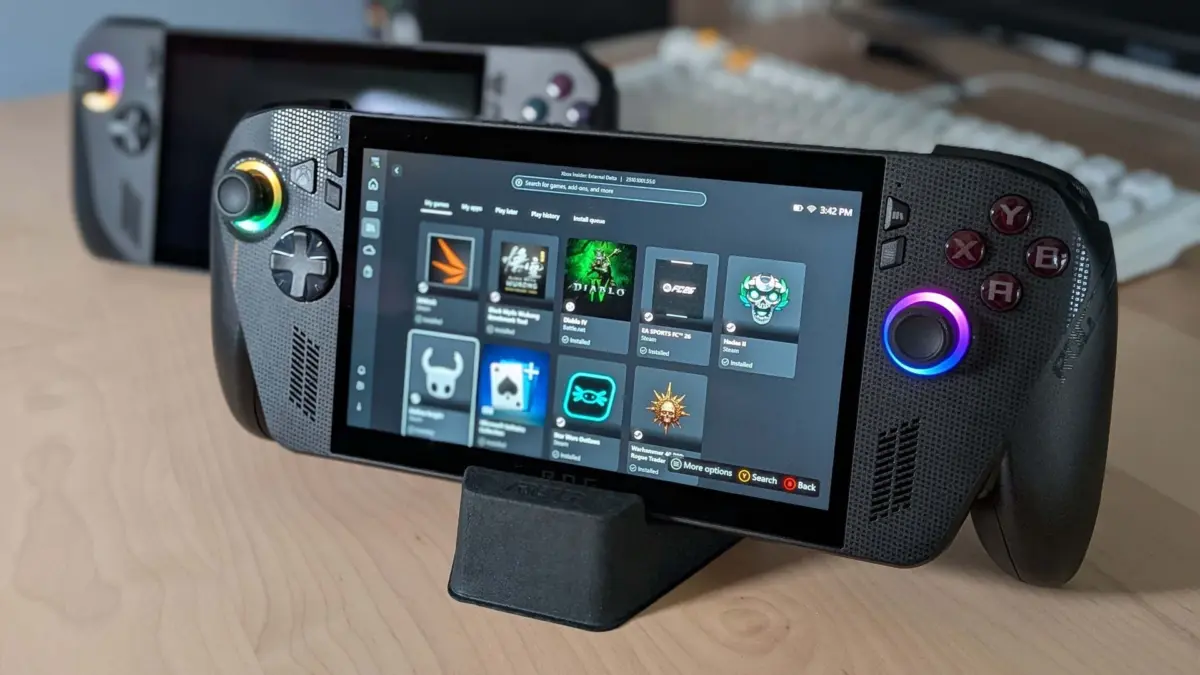
Simultaneously, AMD is cementing its dominance in the burgeoning portable PC and console market. The company has confirmed that FSR 4.1 is being integrated into upcoming hardware ecosystems, including future Xbox products, upcoming Asus ROG handhelds powered by next-generation Z2 chips, and specialized mini-desktops utilizing advanced APU architecture. By bringing FSR 4 to the non-proprietary Vulkan API, AMD is also opening up advanced spatial and temporal upscaling for Linux-based systems, including the Steam Deck. This comprehensive strategy underlines AMD’s aggressive push to maximize hardware efficiency across disparate form factors, laying a robust technological foundation for both current generations and future console iterations.
Detailed Chronology of the FSR 4.1 Rollout
The deployment of AMD’s FidelityFX Super Resolution technology has undergone rapid evolution over the past several quarters. Understanding the current acceleration requires examining the timeline of hardware adoption, software patches, and corporate disclosures that brought the industry to this juncture.
The RX 7000-Series Foundation
The groundwork for the FSR 4 architecture was formally laid earlier this year when AMD introduced baseline support for its modern upscaling paradigm to the Radeon RX 7000-series graphics cards. Gamers utilizing RDNA 3 desktop GPUs experienced immediate performance gains alongside noticeable improvements in visual fidelity, positioning AMD’s upscaling suite as an increasingly viable alternative to Nvidia’s market-leading Deep Learning Super Sampling (DLSS). However, owners of the preceding generation—the massive installed base of Radeon RX 6000-series users—were initially told they would need to exercise patience. Internal roadmaps suggested that older architectures would not see deep algorithmic integration of FSR 4 features until 2027.

The Accelerated RX 6000-Series Integration
Breaking from previous expectations, AMD altered its strategy this week with the release of a landmark Adrenalin driver update. This new software package officially brings FSR 4.1 capabilities to Radeon RX 6000-series graphics cards. By shaving years off the projected timeline, AMD has granted millions of legacy desktop users access to modern temporal reconstruction algorithms, effectively extending the functional lifespan of RDNA 2 hardware in modern, graphically demanding AAA titles.
APU, Handheld, and Console Expansion
Alongside the desktop GPU updates, AMD’s product roadmap has expanded to encompass an array of specialized computing solutions. The company confirmed that FSR 4.1 will be optimized for:
- Gorgon Halo and Strix Halo chips, targeted at high-performance mini desktops and mobile workstations.
- Gorgon and Strix Halo Ryzen 9 laptop chips, designed to bring console-quality scaling to portable computer chassis.
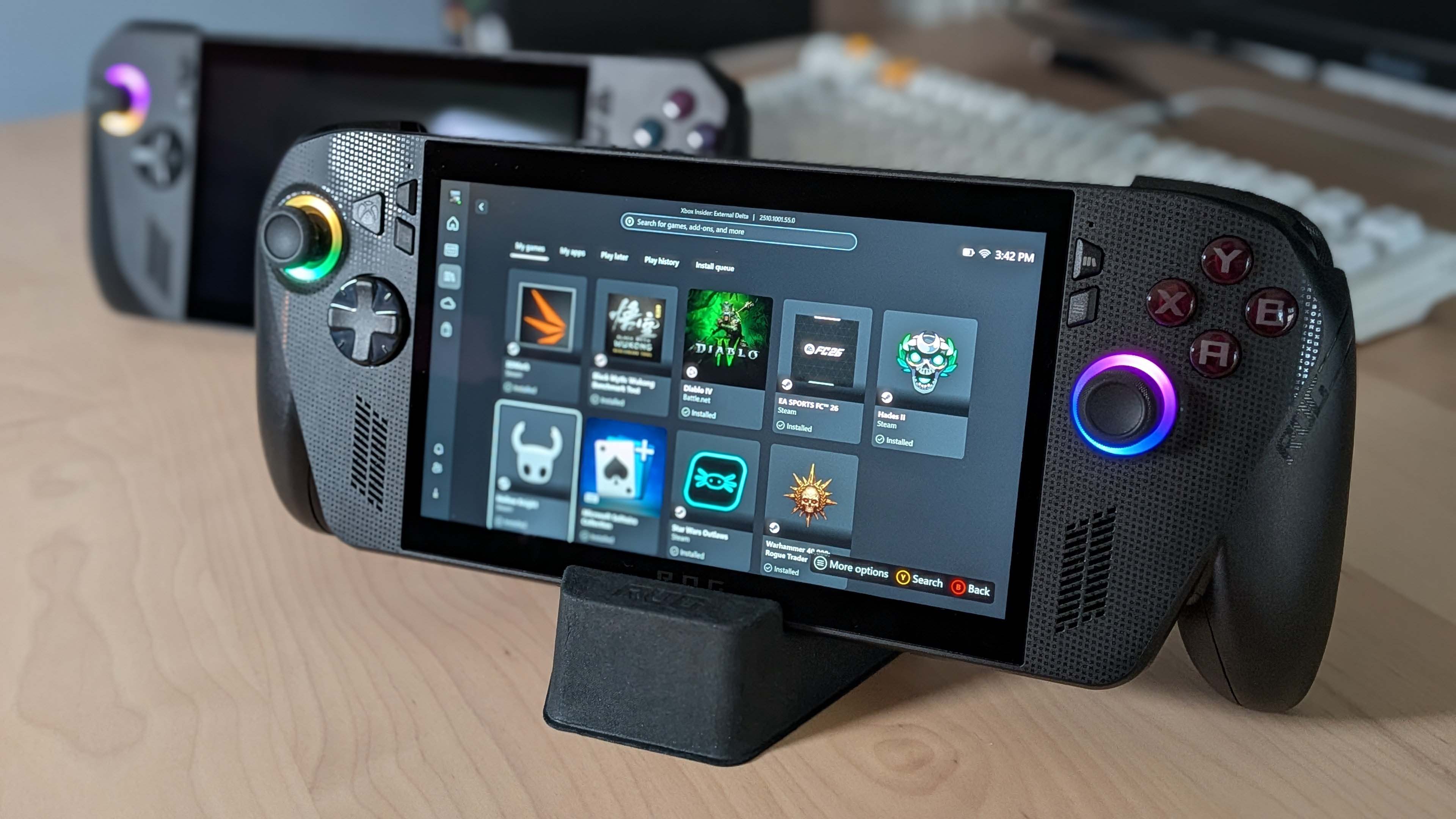
- Z2 Extreme (Z2E) and Z2A handheld silicon, ensuring that the next generation of portable gaming PCs can punch well above their weight class in terms of resolution and frame-rate stability.
- Xbox console integration, with dedicated optimizations tailored for forthcoming hardware iterations, including customized Asus ROG Xbox-branded handheld solutions.
Supporting Context & Metrics: The Scale of AMD’s Hardware Footprint
To fully understand the gravity of AMD’s FSR 4.1 expansion, industry analysts must examine the sheer volume of hardware currently circulating in the global consumer electronics market. During a public statement on social media platform X, Jack Huynh, Senior Vice President and General Manager of Computing and Graphics at AMD, highlighted the immense scale of the company’s ecosystem.
Reaching Over a Billion Devices
Huynh emphasized that AMD currently powers over one billion gaming devices worldwide, encompassing custom silicon inside home consoles (PlayStation 5, Xbox Series X/S, and Steam Deck), millions of discrete desktop graphics cards, and a massive share of the modern laptop market. Despite this commanding market penetration, Huynh’s message—"we’re still building"—signals an aggressive corporate philosophy aimed at continuous software-driven performance optimization rather than resting on hardware sales alone.
FSR Redstone and Game Adoption Metrics
A critical metric in the success of any upscaling technology is game developer adoption. AMD announced that FSR Redstone is now actively deployed in over 400 games running on Radeon 9000-series graphics cards. This broad developer integration ensures that consumers purchasing modern AMD hardware will not face a scarcity of compatible titles.
Furthermore, AMD is rolling out advanced auxiliary features such as Ray Regeneration—the company’s direct counterpart to Nvidia’s Ray Reconstruction denoiser. By utilizing advanced neural network-based denoising techniques, Ray Regeneration cleans up the visual noise inherent in real-time ray-traced reflections and global illumination, resulting in sharper lighting effects without a catastrophic frame-rate penalty.
Breaking Down API Barriers: The Vulkan Integration
Perhaps one of the most consequential technical developments announced alongside FSR 4.1 is its upcoming integration into the Vulkan API.
- DirectX 12 vs. Vulkan: DirectX 12 serves as Microsoft’s proprietary, high-performance API dominant in Windows environments. Conversely, Vulkan operates as an open-standard, cross-platform alternative.
- Linux and Handheld Implications: Operating systems like Linux—which forms the foundation of Valve’s wildly successful Steam Deck and various other portable gaming ecosystems—rely heavily on Vulkan for low-overhead rendering.
Historically, proprietary upscaling suites often faced friction or delayed support when migrating away from DirectX environments. By bringing FSR 4 to Vulkan, AMD has leveled the playing field for non-Microsoft operating systems, ensuring that Linux gamers and portable PC enthusiasts can enjoy the full suite of temporal upscaling and frame-generation benefits without API-induced bottlenecks.
Official Statements and Industry Insights
The acceleration of the FSR 4.1 lifecycle represents a major pivot in how AMD communicates its long-term software support strategy. In his official communications, Jack Huynh framed the development as part of an ongoing mission to deliver generational leaps in efficiency to everyday consumers, regardless of whether they purchased their hardware last month or several years ago.
Industry insiders note that the decision to fast-track FSR 4.1 to older RX 6000-series cards may be a strategic response to competitive pressures in the mid-range GPU market. As software-based upscaling increasingly becomes the primary mechanism through which modern titles achieve playable frame rates at native 1440p and 4K resolutions, maintaining parity across multiple generations of graphics hardware is essential for maintaining brand loyalty.
Moreover, the strategic alignment with upcoming mobile and console silicon—specifically the Z2 Extreme and Z2A handheld chips—positions AMD as the undisputed king of the handheld gaming PC market. Devices like the Asus ROG Ally series have already captured significant market share, and ensuring that future iterations launch with out-of-the-box support for advanced AI-driven upscaling guarantees a seamless user experience that rivals traditional desktop configurations.
Future Outlook: What Lies Ahead for AMD Users
While AMD has not yet provided a rigid, date-by-date calendar for the complete deployment of FSR 4.1 across every single tier of its vast product stack, the trajectory is unmistakably positive.
Revitalizing Older Rigs
For budget-conscious gamers and those holding onto older desktop architectures (such as RDNA 2-based RX 6000 systems), the arrival of FSR 4.1 means that upgrading their graphics card may not be necessary to enjoy upcoming graphic-intensive releases. By leaning on algorithmic upscaling, older rigs can stretch their functional lifespans by an estimated two to three years, maintaining acceptable frame rates in graphically demanding titles.
The Console Horizon
Looking further ahead, industry analysts widely anticipate that future generations of home consoles—including subsequent iterations of the Xbox and PlayStation hardware ecosystems—will continue their deep technical partnerships with AMD. By laying the groundwork for FSR 4 optimization on console architectures and specialized mobile APUs today, AMD is ensuring that its software stack is mature, battle-tested, and deeply integrated into the development pipelines of major game studios before next-generation consoles officially hit store shelves.
Ultimately, AMD’s accelerated FSR 4.1 rollout demonstrates a mature and consumer-friendly software strategy. By bridging the gap between legacy desktop cards, modern mobile chips, handheld gaming PCs, and open-source APIs like Vulkan, AMD is turning software innovation into a powerful tool for ecosystem retention across the entire spectrum of digital entertainment.








Belum ada komentar. Jadilah yang pertama berkomentar!