


The current landscape of PC simulation gaming is undergoing a quiet revolution, propelled not by AAA blockbusters with photorealistic graphics, but by deeply atmospheric, mechanics-driven indie titles. Among the thousands of entries currently flooding digital distribution platforms, Probably Stolen—an upcoming cyberpunk shopkeeping simulator developed by tinyBuild and Global Tetrahedron—has emerged as a breakout phenomenon. During the latest Steam Next Fest, an event notorious for burying even promising projects beneath an avalanche of over 8,000 competing demos, Probably Stolen achieved a staggering milestone, peaking at 34,230 concurrent players and securing a coveted spot among Steam’s 100 most-played games.
This unexpected triumph highlights a growing appetite among gamers for immersive, gritty simulations that blend mundane economic management with morally ambiguous speculative fiction. Evoking the atmospheric dread and corporate decay found in universes like Judge Dredd or Cyberpunk 2077, the game casts players as proprietors of a rundown corner store on a dystopian space station. Far from a simple retail management exercise, the title weaves together scavenging mechanics reminiscent of Fallout, investigative document examination akin to Papers, Please, and the delightfully illicit temptation of fencing counterfeit cybernetic wares. With its official full release scheduled for October 28, Probably Stolen is poised to transition from a viral festival demo to a major indie commercial hit.
Detailed Chronology: From Concept to Viral Phenomenon
The trajectory of Probably Stolen from a niche indie concept to a viral Steam Next Fest sensation is a testament to the power of targeted atmospheric design and iterative public playtesting.
The Early Development and September Demo Phase
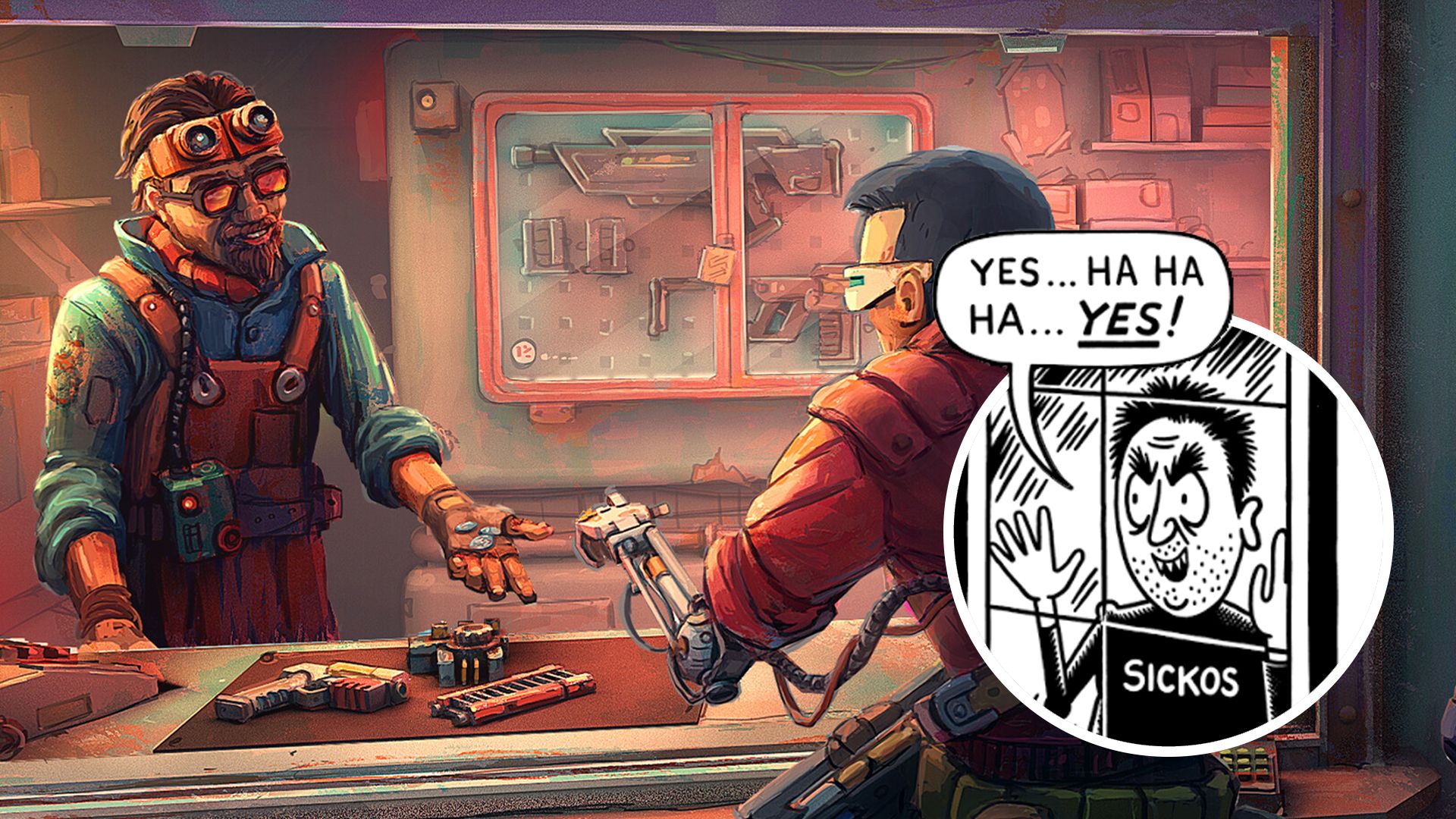
Long before it captured tens of thousands of simultaneous users, the development team behind Probably Stolen—partnering with publisher tinyBuild—spent months refining the core loop of low-level survival commerce. The game’s initial public exposure arrived in September, when an early demo dropped quietly onto Steam. This preliminary build was designed to test the fundamental mechanics: manning a cash register, haggling with patrons across a grimy counter, and balancing inventory acquisition with daily overhead.
Even in this embryonic stage, the demo resonated strongly with early adopters. Players immediately recognized the distinct flavor of its setting—a neon-drenched, rusted-out space station where patrons range from ordinary, exhausted citizens to hardened criminals and desperate rebels. The September release served as a crucial proving ground, allowing developers to gather telemetry, squash critical bugs, and fine-tune the delicate economic balancing act that underpins the entire experience.
Steam Next Fest and the 34,230 Concurrent Player Peak
The true turning point arrived with the latest iteration of Steam Next Fest. Competing against an unprecedented ocean of over 8,000 playable demos, survival and simulation titles often struggle to break through the algorithmic noise. However, Probably Stolen defied expectations through a potent combination of organic social media sharing, streamer interest, and immediate word-of-mouth enthusiasm.
As players downloaded the updated festival demo, engagement metrics climbed exponentially over the course of the week. By the height of the event, the game surged past established multiplayer titles and major demo releases to record a peak of 34,230 concurrent players. This massive influx catapulted the title directly into the upper echelon of Steam’s overall most-played games list, catching both industry analysts and the developers themselves by surprise. The viral momentum transformed a routine promotional week into a massive validation of the game’s unique design philosophy.
Supporting Context & Metrics: Decoding the Appeal of Dystopian Retail
To understand why Probably Stolen captured the imaginations of tens of thousands of players during Steam Next Fest, one must examine the intricate web of gameplay systems that elevate it far above standard shopkeeping simulators.
The Mechanics of Dystopian Commerce
At first glance, the core loop follows a familiar simulation structure: order stock, place items on shelves, ring up customers, and turn a profit. However, the game subverts this cozy paradigm by embedding it within a harsh sci-fi ecosystem. The shop is located in a decaying space station where resources are scarce, and survival requires ingenuity bordering on criminality.
- Scavenging and Survival: When the storefront closes for the night, the gameplay shifts from retail management to desperate exploration. Players venture out into the station’s dark corridors to scavenge trash piles and abandoned industrial sectors, hunting for discarded scrap, valuable components, or rare salvage that can be flipped for a high profit.
- Crafting and Industrial Enterprise: Survival in a dystopia means getting your hands dirty. Players can eventually acquire smelting equipment to process raw metals into ingots, or engage in more dubious agricultural ventures—such as operating a subterranean rat farm to harvest and sell alternative protein sources.
- Specialty Sourcing and Networking: To stay competitive, proprietors cannot rely solely on standard wholesalers. Players must navigate relationships with specialized black-market vendors to acquire rare, high-end contraband that attracts affluent clientele.
Moral Dilemmas and Bureaucratic Intrigue
What truly separates Probably Stolen from its genre peers is its integration of ethical quandaries. Drawing clear inspiration from Lucas Pope’s masterpiece Papers, Please, the game forces players to weigh cold hard cash against moral integrity.
A sprawling underground resistance movement fights tirelessly against the oppressive corporate-state hegemony that runs the space station. Players frequently find themselves interacting with members of this rebellion. The choice is stark: turn in a wounded freedom fighter to the totalitarian authorities for a lucrative corporate bounty, or risk everything by sheltering them and keeping quiet when local enforcers come asking questions.
Furthermore, the simulation dips its toes into the art of deception. Utilizing a magnifying glass mechanic reminiscent of Strange Horticulture, proprietors can closely inspect incoming inventory for subtle flaws, indicating forged or counterfeit goods. Rather than destroying these fakes, players are given the option to deliberately pass them off to gullible, wealthy elites who lack the expertise to distinguish genuine cybernetic enhancements from cheap knock-offs. This layer of systemic chicanery adds a brilliant layer of dark humor and player agency to the daily grind.
Official Statements and Industry Reception
The breakout success of Probably Stolen during Steam Next Fest has generated significant commentary from both the development camp and the broader gaming press, highlighting the industry-wide shift toward high-concept, highly focused simulation games.
While specific corporate press releases from tinyBuild have focused primarily on gratitude toward the player base, community managers and developers have expressed overwhelming shock at the velocity of the game’s adoption. In statements shared across developer blogs and social media channels, the team noted that the sheer volume of concurrent users during Next Fest far exceeded internal stress tests and projections.
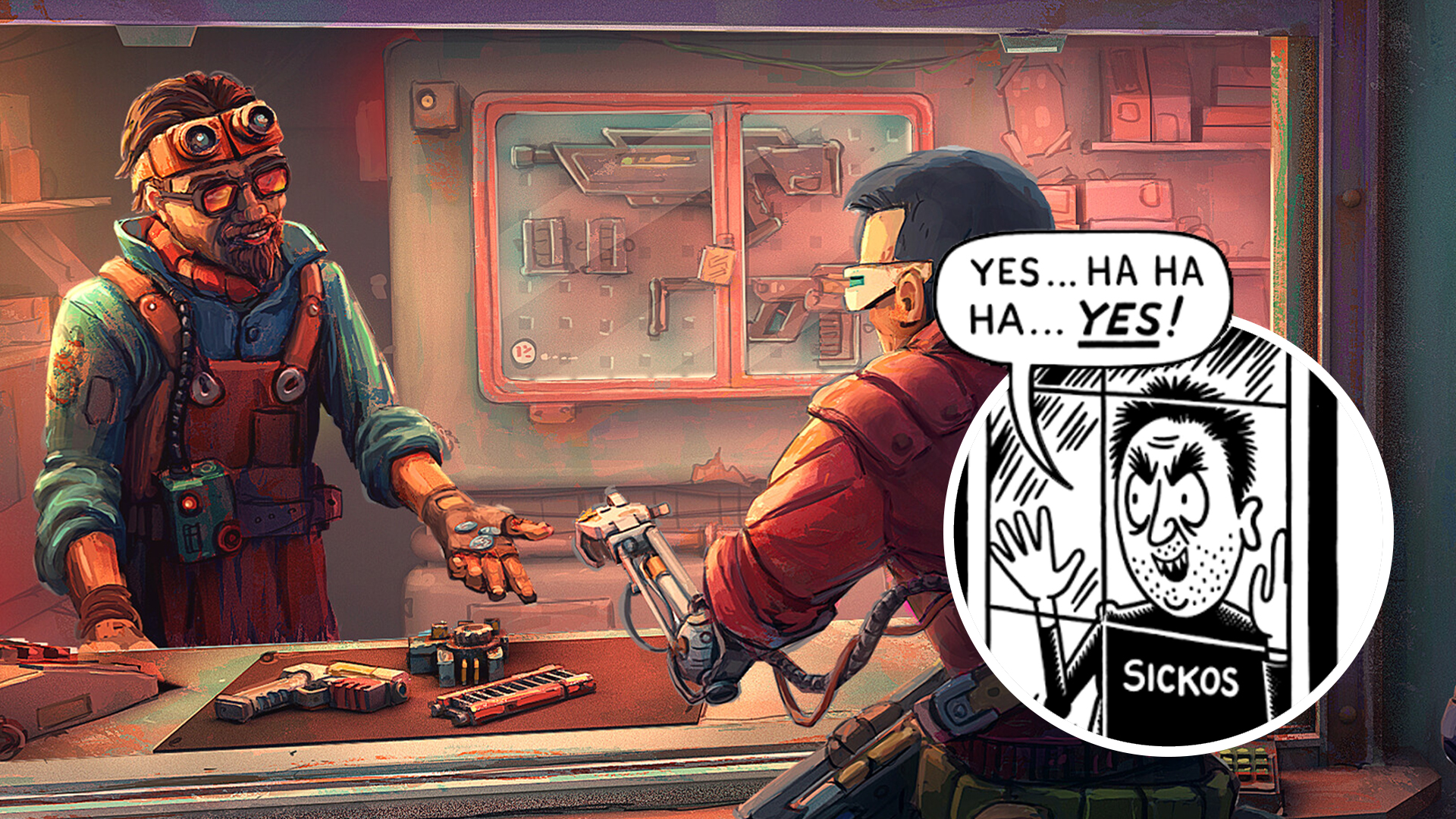
Industry critics and media outlets have been similarly effusive in their praise. Reviewers have highlighted the game’s uncanny ability to evoke the specific aesthetic and tonal weight of legendary cyberpunk media. A prominent recurring sentiment across critical reviews is that Probably Stolen successfully captures the feeling of "running a corner store in Judge Dredd or Cyberpunk 2077." By grounding massive, sweeping sci-fi tropes—corporate greed, underground rebellions, cybernetic black markets—into the intimate, mundane environment behind a cash register, the developers have crafted a narrative canvas that feels both vast and intimately personal.
Future Outlook: The Road to the October 28 Launch
With Steam Next Fest successfully concluded and the demo having served as an extraordinarily effective stress test and marketing engine, all eyes are now fixed on the horizon. The transition from festival darling to full commercial release is notoriously difficult, yet Probably Stolen enters this final phase with substantial tailwinds.
Immediate Launch Timeline
The primary indicator of the game’s health is its impending release date. Rather than leaving fans waiting in prolonged limbo—a common pitfall of viral demo periods—tinyBuild and Global Tetrahedron have positioned the game for an immediate rollout. Probably Stolen is officially scheduled to launch next week on October 28.
This rapid turnaround capitalizes directly on the momentum generated by the 34,230 concurrent players currently discussing, streaming, and sharing the demo. By maintaining short distances between major promotional beats, the publishing team minimizes the risk of audience fatigue and ensures that wishlists convert immediately into day-one sales.
Long-Term Viability and Expansion Potential
Looking beyond the initial launch window, the structural design of Probably Stolen leaves ample room for post-release support and community-driven content expansions. Simulation games thrive on longevity, replayability, and modding potential. If the full game delivers on the promises established in the demo—deepening the economic models, expanding the narrative branches involving the underground resistance, and introducing new tiers of contraband and corporate oversight—it has all the necessary ingredients to secure a permanent place in the pantheon of beloved indie management sims.
For now, the immediate mandate for simulation enthusiasts and cyberpunk fans alike is clear: download the remaining demo if you haven’t already, prepare your cash register, and get ready to weigh your morals against the cold, hard currency of a dystopian future when Probably Stolen hits Steam on October 28.





Belum ada komentar. Jadilah yang pertama berkomentar!