

Executive Overview
For anyone who spent time in front of a desktop computer in the early 1990s, the cultural footprint of Berkeley Systems’ After Dark software suite—and specifically its ubiquitous Fish! screensaver—is indelible. Long before screensavers were rendered obsolete by modern power management settings and OLED display technologies, they served a vital functional purpose: preventing phosphor burn-in on heavy, cathode-ray tube (CRT) monitors. Yet, After Dark transcended mere utility, evolving into an aesthetic pillar of early personal computing.
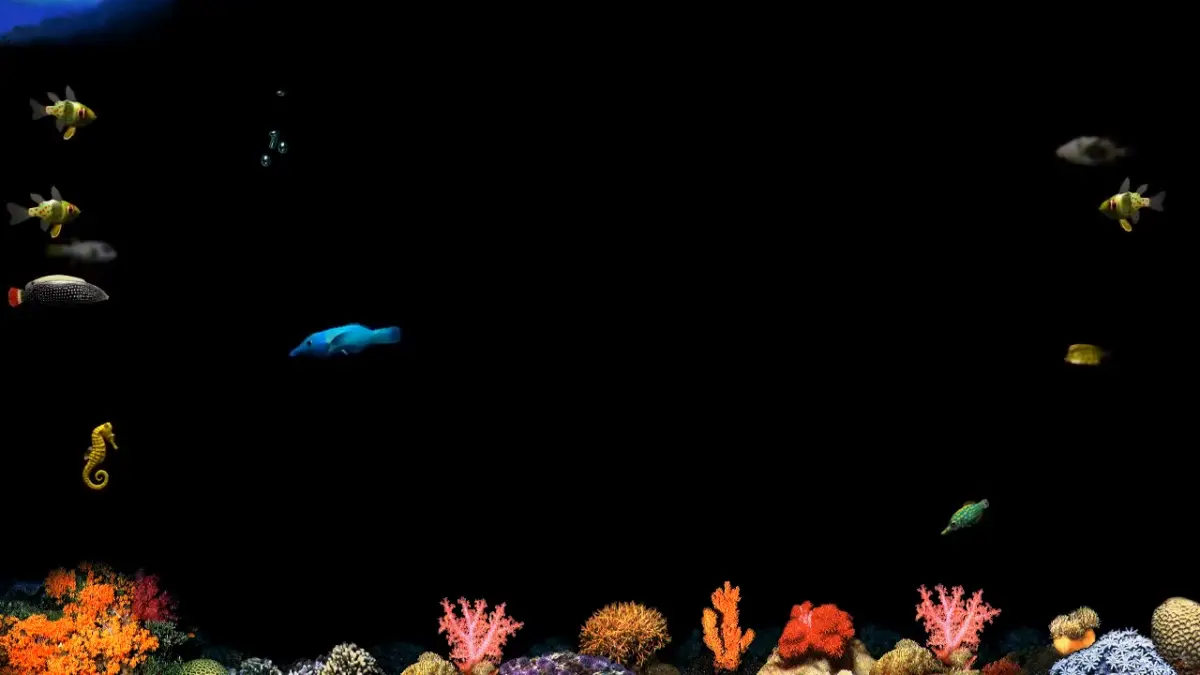
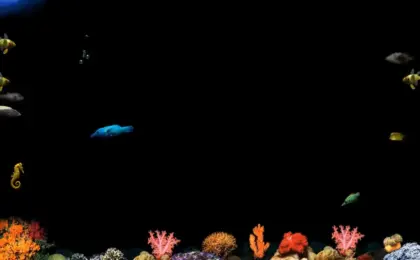
At the heart of this digital phenomenon was an unassuming, looping animation of marine life gliding serenely across office monitors worldwide. Recently, fresh light has been shed on the genesis of this cultural touchstone by Ed Fries, co-founder of After Dark and the former vice president of Game Publishing at Microsoft. In a revealing discussion with historian and creator Jesse Petrilla, Fries detailed how a routine artistic request for a dentist’s office scene catalyzed a programming project that would inadvertently launch his career in software publishing, birth an underground collective of corporate developers, and cement a permanent icon in computing history.
Detailed Chronology: From Static Stills to a Global Phenomenon
The Dentist’s Office Inspiration
The origins of the legendary Fish! screensaver trace back to a seemingly mundane creative hurdle. Before joining Microsoft to work on Excel, Ed Fries was heavily involved in early graphics and software development. While an artist was assembling a digital scene intended to depict a typical dentist’s office, she ran into a familiar compositional challenge: authenticity.
"She wanted to have an aquarium in it because there’s always an aquarium in a dentist’s office," Fries recounted during his interview with Petrilla.
Seeking a way to make the static scene more dynamic, the artist approached Fries with a straightforward question: could a small section of the monitor display moving fish? As a seasoned video game programmer, Fries recognized the technical feasibility immediately. His response was characteristically direct: "I’m a video game programmer. I can make fish move on the screen. Give me the fish, and I’ll make them move."
The Prototypes: Parentheses and Bubbles
Fries initially constructed a rudimentary, localized looping animation. However, the creative potential of the assets quickly outgrew the confines of a single digital room. Fries returned to the artist, requesting larger, more detailed fish characters to test a burgeoning, highly ambitious concept.
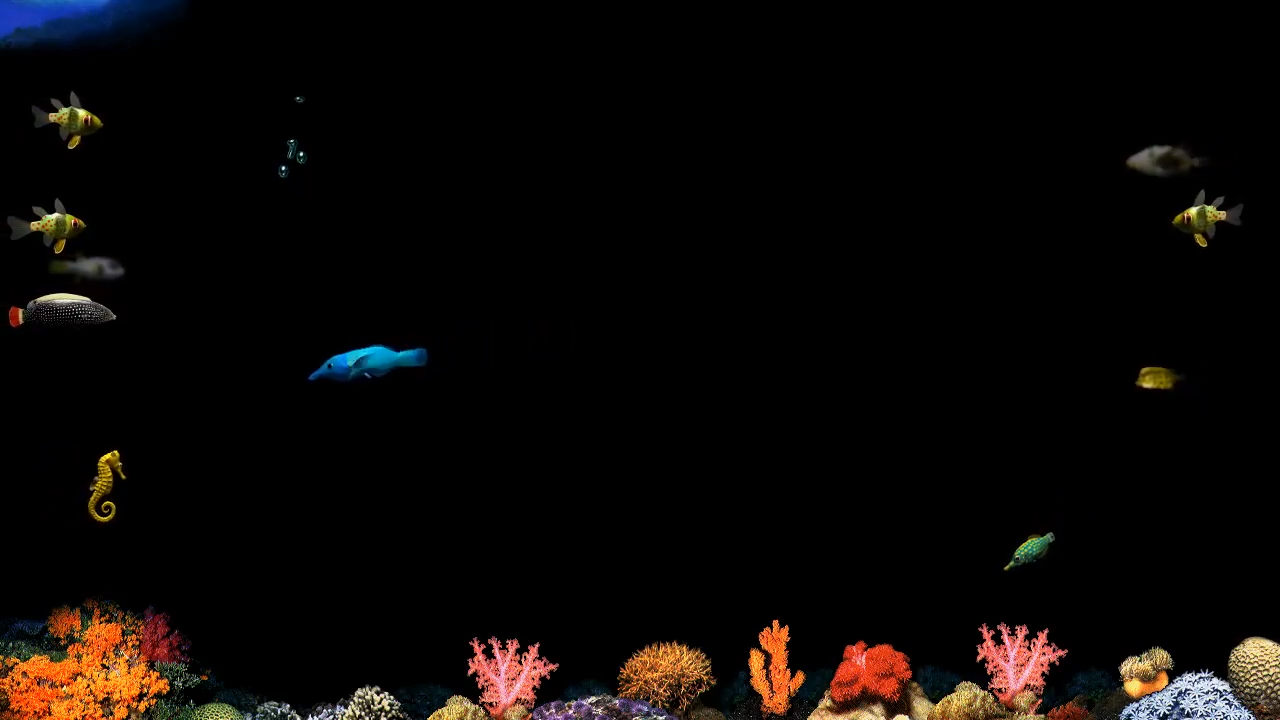
Working late hours at the office, Fries transformed his entire monitor into a virtual ocean. In its earliest iterations, the screensaver was far from the polished commercial product it would eventually become. The primitive simulation utilized simple typographical characters and basic shapes: parentheses (( )) were cleverly repurposed to mimic the undulating movement of water currents, while lowercase letter ‘o’s served as rising bubbles.
Despite its crude mechanics, the prototype possessed an undeniable hypnotic charm. Colleagues passing by Fries’s desk began requesting personal copies. Within weeks, the late-night experiment metastasized across the company’s local network. "Pretty soon when I’d go home at night, I’d see it running on all these computers around the office, which was fun," Fries noted. "Anyway, that was kind of the start of my whole fish phase of my career, which I don’t always talk about."
Transitioning to Microsoft and the ‘Bogus Software’ Era
Fries’s career trajectory shifted significantly when he was hired full-time by Microsoft to work on the burgeoning Excel spreadsheet application. Rather than abandoning his graphical side projects, Fries utilized the fish screensaver as a practical sandbox to master the nuances of the Windows operating system architecture.
As the Windows port gained traction, a colleague from the Microsoft Word development team approached Fries with a request to develop a Macintosh iteration. This cross-platform collaboration blossomed into a larger, informal subculture within the tech giant.
Fries and his cohorts formed a clandestine internal group dedicated to crafting humorous, non-essential software utilities and games during off-hours. Operating entirely under the radar of corporate management, this underground collective christened themselves "Bogus Software." Members of this renegade cell even engineered a specialized "fish editor," allowing users to custom-design and personalize the species inhabiting their digital tanks—an early precursor to modern user-generated content and modding culture.
Supporting Context & Metrics: The Technical and Cultural Landscape of the Early ’90s
To fully appreciate the impact of the After Dark fish screensaver, one must examine the technological constraints and office environments of the early 1990s.
The Technological Imperative of Screensavers
In the era preceding flat-panel displays, desktop computing relied heavily on CRT monitors. These devices operated by projecting electron beams onto a phosphor-coated glass screen. If a static image remained displayed on the monitor for extended periods, the continuous bombardment of the electron beam caused permanent localized degradation of the phosphor coating—a phenomenon known as "screen burn-in."
Screensavers were designed to mitigate this risk by actively cycling pixels whenever user input (via keyboard or mouse) ceased for a pre-determined duration. While companies like Berkeley Systems marketed utility packages to prevent hardware damage, products like After Dark recognized that corporate workers were desperate for an injection of personality and amusement into otherwise sterile office environments.
Market Penetration and Cultural Resonance
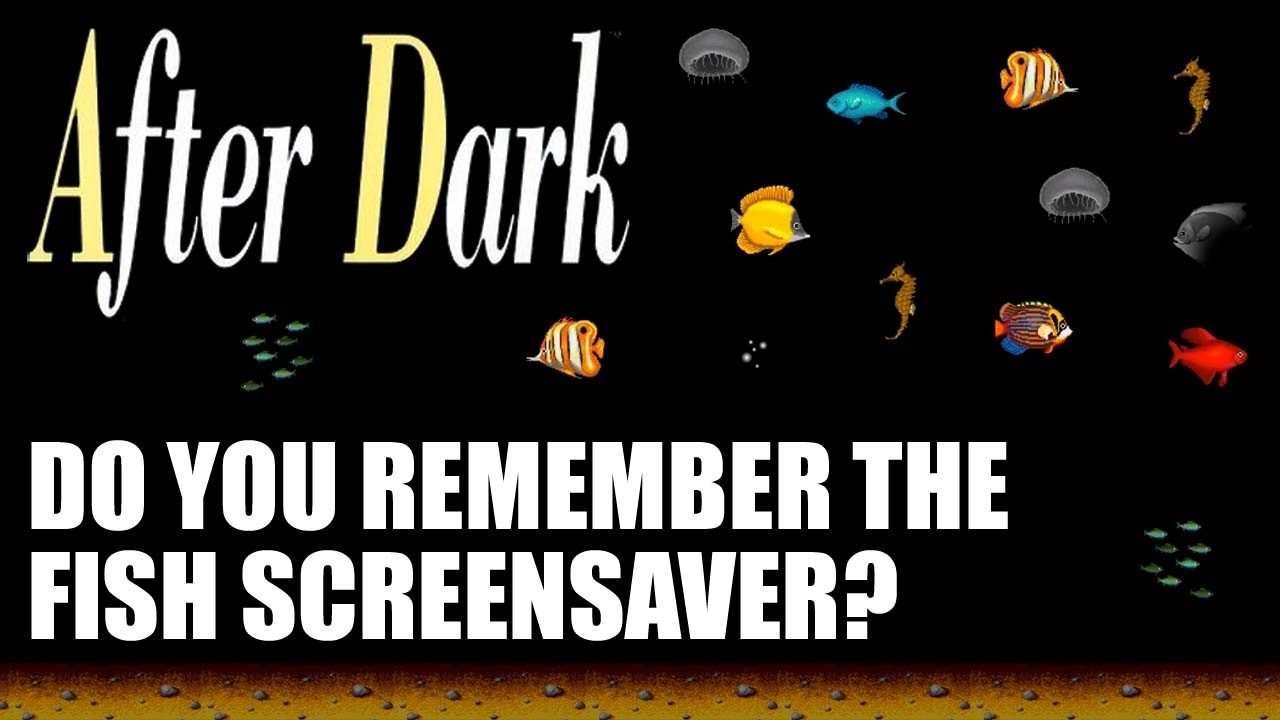
After Dark, released initially in 1989 for the Macintosh and later ported to Microsoft Windows in 1991, revolutionized the category by transforming a utilitarian feature into a canvas for complex, whimsical animations. Alongside iconic modules like the flying toasters (Flying Toasters!), the fish tank stood out due to its organic, lifelike behavior and soothing ambient appeal.
- Cross-Platform Dominance: The software achieved mass adoption across both enterprise and consumer markets, becoming standard-issue installation software for millions of office PCs worldwide.
- Workplace Psychology: The introduction of customizable, passive entertainment like the fish tank helped humanize the personal computer during its transition from specialized corporate tool to household appliance. It fostered an early form of digital leisure in the workplace, paving the way for casual gaming and interactive desktop widgets.
Official Statements and Retrospective Insights
Reflecting upon his unexpected journey from low-level systems programming to overseeing game publishing empires at Microsoft, Ed Fries remains remarkably grounded about his contributions to digital pop culture.
"I’m a video game programmer. I can make fish move on the screen. Give me the fish, and I’ll make them move." — Ed Fries
Industry historians note that the casual, exploratory nature of 1990s software development played a vital role in nurturing such innovations. Unlike modern, heavily compartmentalized corporate software pipelines governed by strict monetization strategies and agile sprint cycles, the tech industry of the early ’90s often permitted talented engineers to tinker, experiment, and share unauthorized creations across local area networks.
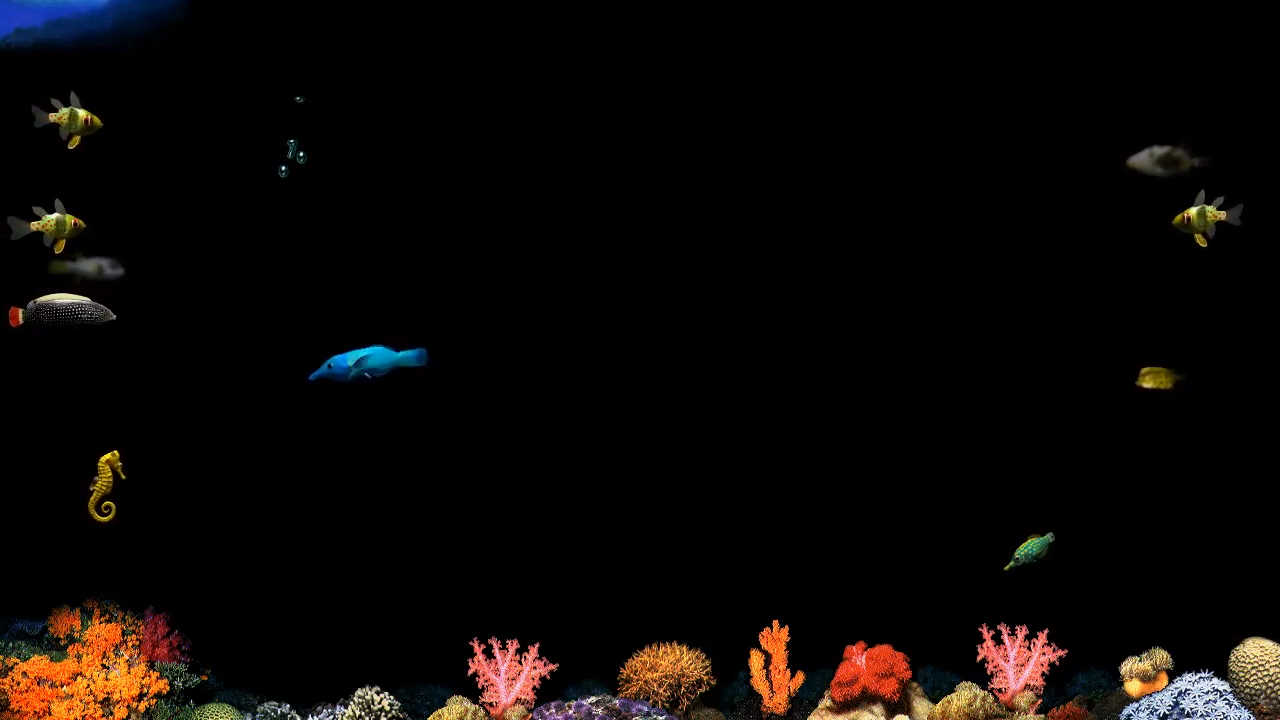
The existence of groups like Microsoft’s "Bogus Software" highlights an era where corporate innovation was frequently driven by bottom-up, passion-led experimentation rather than top-down executive mandates. By treating the Windows API as a playground for aquatic simulations, Fries and his colleagues inadvertently shaped the aesthetic expectations of an entire generation of computer users.
Future Outlook: The Legacy of Passive Digital Art
As computing has evolved, the literal function of the screensaver has been rendered obsolete. Modern Liquid Crystal Display (LCD) and Light Emitting Diode (LED) panels do not suffer from phosphor burn-in in the traditional CRT sense, and power management profiles automatically put modern operating systems into low-power sleep states within minutes of inactivity.
Yet, the conceptual lineage of the After Dark fish tank endures. In contemporary digital culture, the desire for ambient, low-stakes digital environments has experienced a massive resurgence. From the popularity of "lo-fi hip hop radio to study/relax to" streams featuring looping anime loops, to virtual fireplaces, digital aquariums on smart TVs, and idle simulation games, modern consumers actively seek out the same hypnotic tranquility that Ed Fries coded into existence on a late-night office computer three decades ago.
Furthermore, the democratization of software development through accessible engines and indie game platforms ensures that developers continue to find inspiration in quirky, unexpected places—proving that whether sparked by a dentist’s office decoration or an off-hand artistic request, whimsical ideas possess the power to shape the digital landscape for generations.






Belum ada komentar. Jadilah yang pertama berkomentar!