

Executive Overview
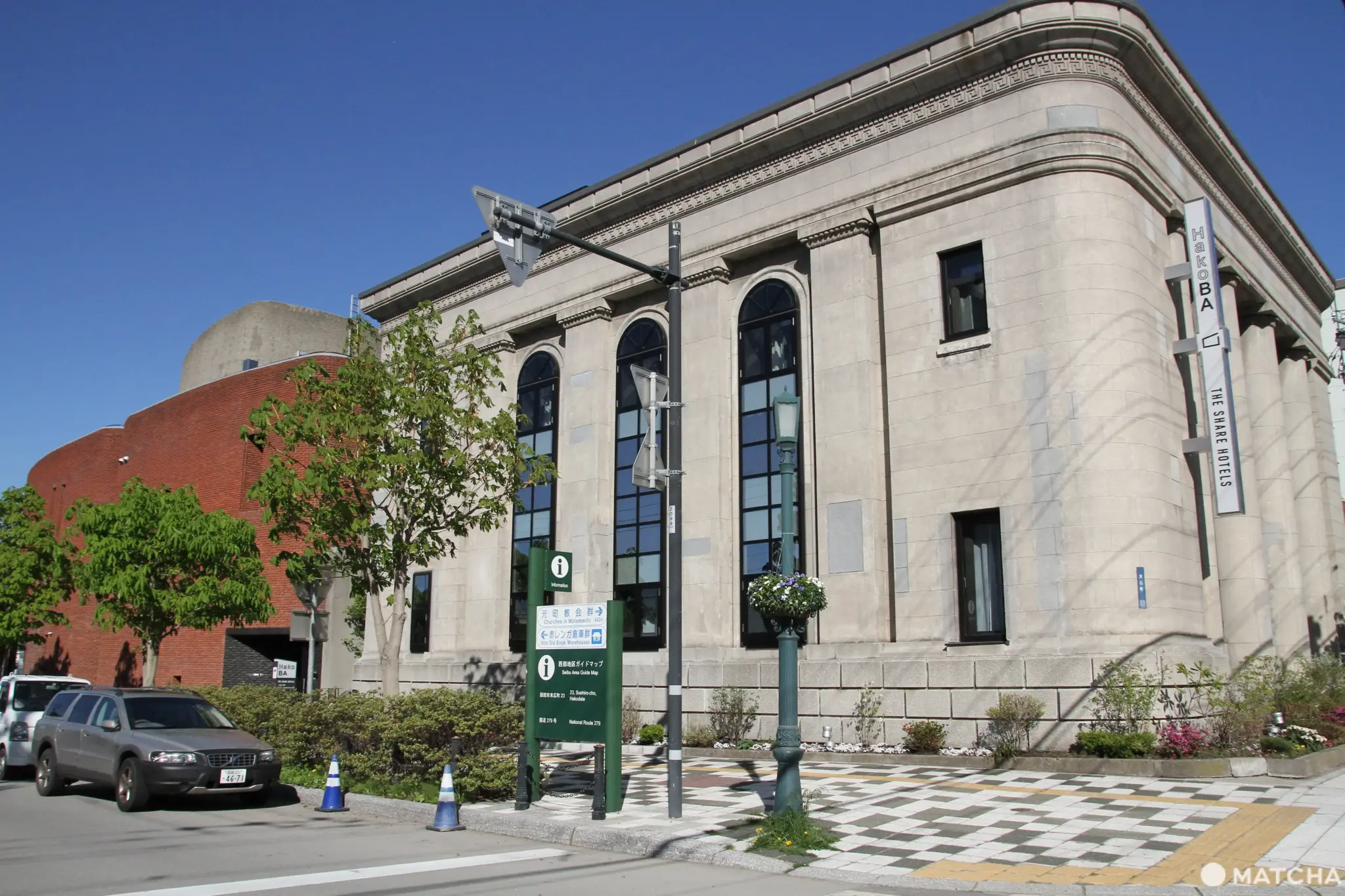
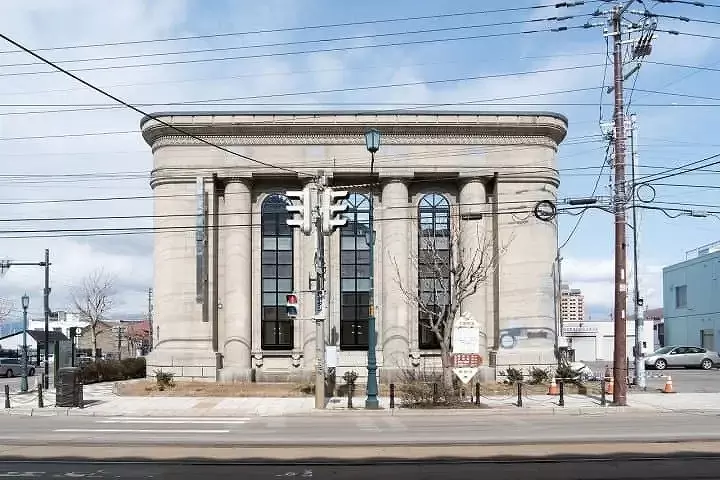
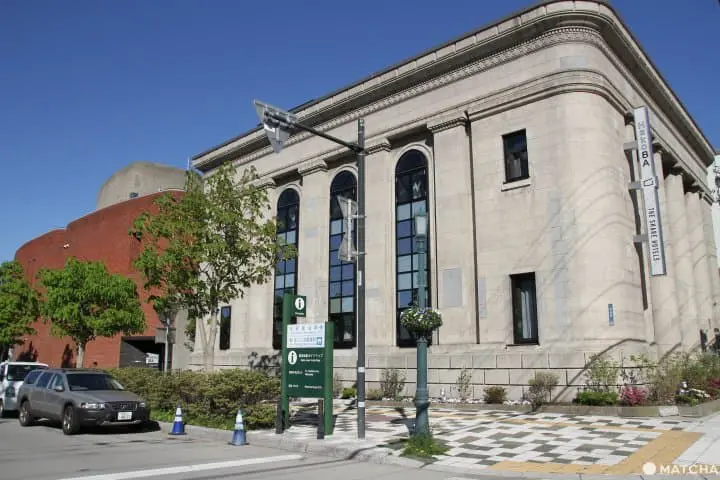
In the heart of Hokkaido’s historic waterfront district, the art of adaptive reuse has reached a striking architectural crescendo. HakoBA Hakodate, a next-generation boutique hotel operated by the renowned Japanese lodging developer L&G Global Business, stands as a testament to preservation, modern design, and community-integrated tourism. Spanning two distinctive historic structures—an 85-year-old former bank building that operated locally until its closure in 2010 and an adjoining former art museum—the property bridges the gap between Meiji-era maritime nostalgia and contemporary aesthetic sensibilities.
Positioned strategically within walking distance of Hakodate’s most treasured landmarks, including the Kanemori Red Brick Warehouses and the cinematic Hachimanzaka slope, HakoBA Hakodate offers travelers more than just a place to sleep. It delivers an immersive cultural experience. Featuring industrial-chic interiors, private rooftop terraces overlooking Michelin-starred nightscapes, art-filled communal lounges, and a shared rooftop kitchen designed to foster community, the property redefines what it means to stay in a historic destination.
This comprehensive report examines the structural evolution, architectural choices, guest accommodations, and community impact of HakoBA Hakodate, offering an authoritative look at one of Hokkaido’s most compelling hospitality success stories.
Detailed Chronology: From Financial Institution to Cultural Sanctuary
The Architectural Blueprint of a Financial Landmark
The history of HakoBA Hakodate is deeply intertwined with the economic and architectural evolution of Hakodate port. Constructed more than eight decades ago during a period of rapid modernization in northern Japan, the primary building served as a commercial bank, anchoring the bustling maritime trade district. Its robust concrete-and-steel framework was engineered to withstand both the harsh northern winters and the coastal seismic activity native to the region.
Following its closure as a financial institution in 2010, the building briefly functioned as a local hotel before sitting vacant. The property’s vast potential caught the eye of forward-thinking Japanese developers who recognized that the true value of the structure lay in its architectural integrity and its location along the scenic Hakodate Bay.
The Restoration Process: Balancing Preservation and Modernity
Rather than razing the structures to make way for modern high-rises, the development team embarked on a meticulous multi-year restoration project. The guiding philosophy was simple: preserve the architectural bones while injecting modern, functional design elements that would appeal to contemporary travelers, digital nomads, and design enthusiasts.
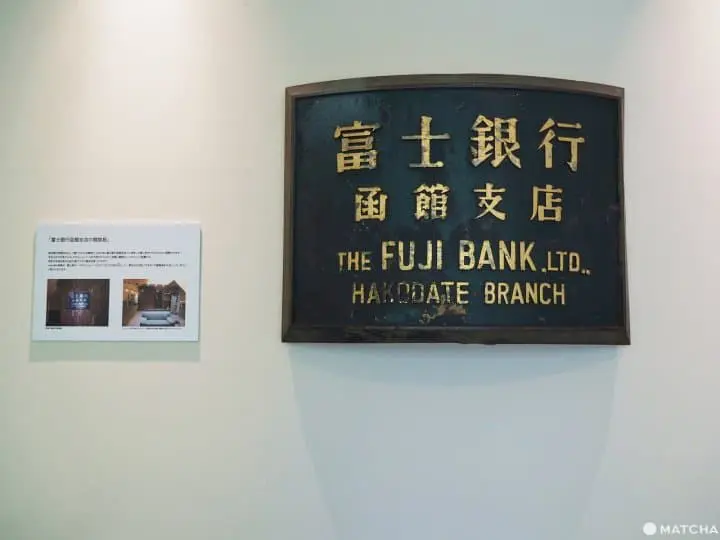
- Exterior Preservation: The exterior of the former bank building was restored to match its historical footprint almost precisely. Upon arrival, guests are greeted by the original bank sign hanging proudly above the entrance, instantly transforming check-in into a museum-grade experience.
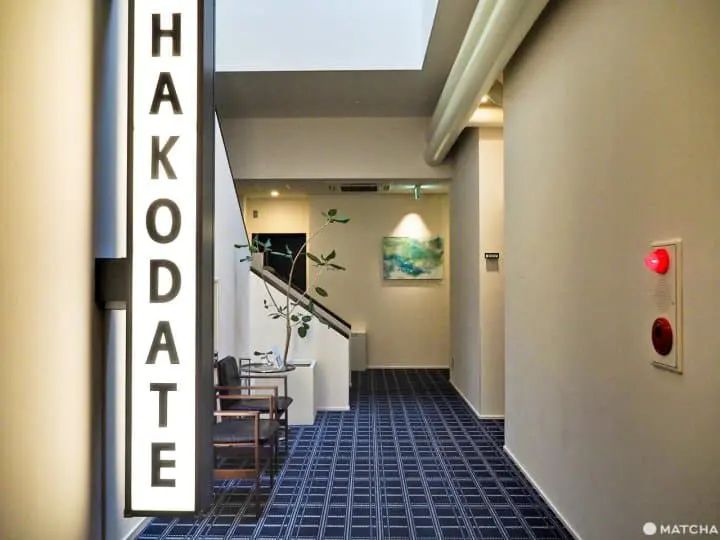
- The Hallway Gallery: In the hallways, historical artifacts from the building’s previous hotel era are displayed for guests to study. Notably, signage designed by legendary Japanese graphic designer Masoyashi Nakajo—famed for his visual identity work for the Museum of Contemporary Art Tokyo and Shiseido Parlour—serves as a bridge between mid-century commercial art and modern hospitality.
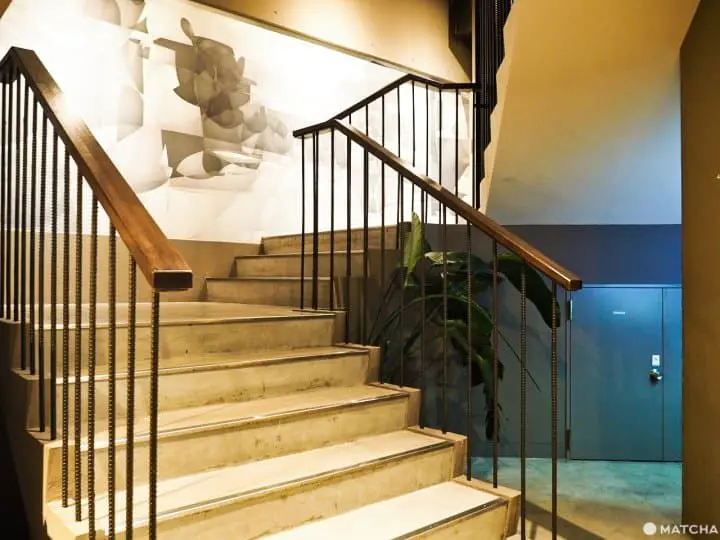
- Industrial-Chic Staircases: Inside the main stairwells, designers stripped away the thick coverings encasing the original support columns. By leaving the raw steel framework exposed and pairing it with warm, handcrafted wooden handrails, the hotel achieved a sophisticated industrial-chic aesthetic that honors the building’s utilitarian past.
Supporting Context & Metrics: Hakodate’s Tourism Ecosystem and Property Layout
The Hakodate Tourism Landscape
To fully understand the strategic value of HakoBA Hakodate’s location, one must examine the broader tourism metrics of southern Hokkaido. Hakodate is globally celebrated for its breathtaking nightscape, famously awarded three Michelin stars. The view from the summit of Mt. Hakodate overlooks the city’s unique, hourglass-shaped isthmus, illuminated against the dark waters of Tsugaru Strait and Hakodate Bay.
Furthermore, the city’s historic waterfront district welcomes millions of domestic and international visitors annually. Key attractions within a one-kilometer radius of HakoBA Hakodate include:
- Kanemori Red Brick Warehouses: A collection of late-19th-century red-brick shipping warehouses converted into vibrant retail, dining, and cultural spaces.
- Hachimanzaka Slope: A dramatic sloping street lined with trees and streetlamps that stretches straight down to the shimmering blue waters of the harbor, frequently featured in Japanese cinema and television commercials.
- Hakodate Morning Market (Asaichi): A bustling marketplace featuring over 250 stalls selling ultra-fresh seafood, including sea urchin (uni), salmon roe (ikura), and king crab.
Property Layout and Building Composition
HakoBA Hakodate is divided into two distinct structural concepts: the BANK building and the DOCK building. Together, they offer a diverse array of room types designed to cater to everyone from solo budget backpackers to multi-generational families and corporate retreat groups.
| Building Name | Primary Aesthetic | Room Categories | Target Demographic |
|---|---|---|---|
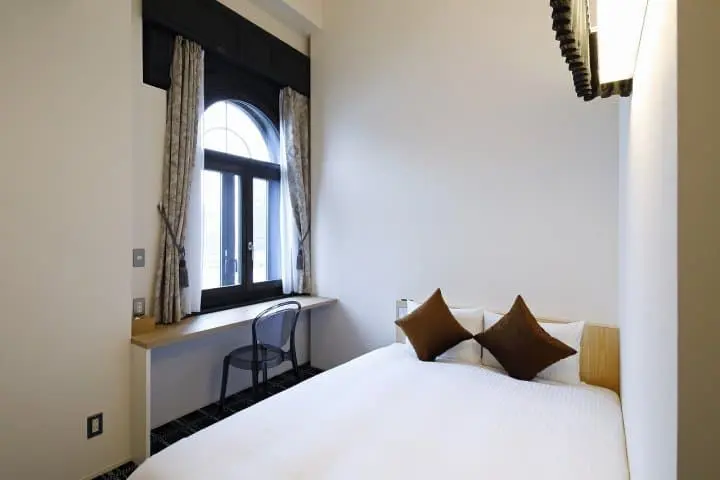
| BANK Building | Restored historic bank architecture, tiled flooring, high ceilings, preserved structural beams. | Double Rooms, Maisonette Suites, Private Terrace Rooms | Couples, design enthusiasts, families seeking spacious comfort. |
| DOCK Building | Contemporary, functional, space-optimized design with industrial finishings. | Economy Group Rooms (Bunk beds), Multi-bed dormitories | Groups of friends, budget-conscious travelers, adventure tourists. |
Official Statements and Design Philosophy
In exclusive commentary shared with industry analysts, representatives from L&G Global Business and the creative teams behind HakoBA Hakodate shed light on the core philosophy guiding the property:
"When we approached the former bank building, we did not see an outdated commercial asset; we saw a vault of memories belonging to the people of Hakodate. Our goal was never to overwrite the past, but rather to translate it into a language that modern travelers can understand and appreciate. Every exposed beam, every preserved window frame, and every piece of restored signage acts as a silent storyteller."
— Design and Development Team, HakoBA Hakodate
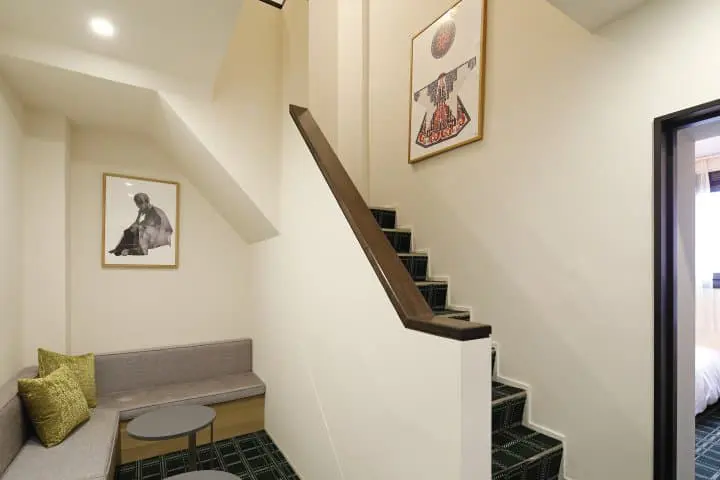
The integration of local art further cements this philosophy. The BANK lounge functions not only as a waiting area but as a rotating gallery space dedicated to contemporary artists from Hokkaido. By showcasing local literature, craftwork, and paintings, the hotel transforms its common areas into cultural hubs where travelers can engage directly with the regional arts community.
Spotlight on Accommodations: The Maisonette and Rooftop Experience
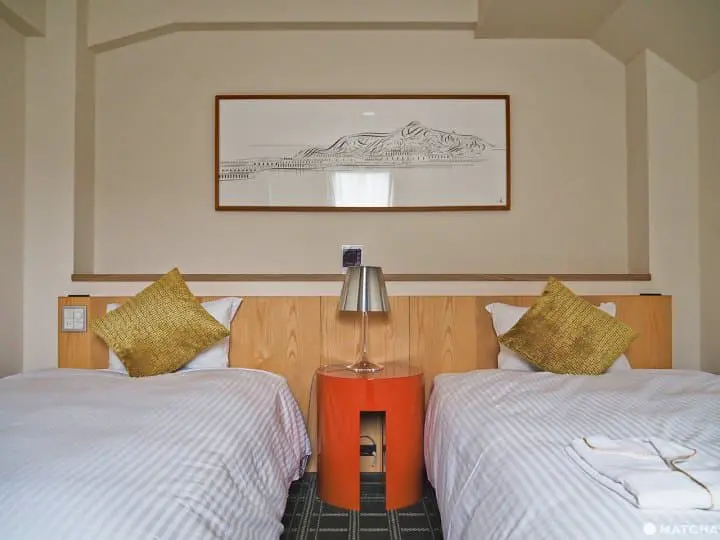
Among the property’s crown jewels is the two-story MAISONNETTE room, engineered to accommodate up to four guests. Featuring soaring high ceilings, the room boasts an expansive lower-level living area designed to encourage communal interaction. Separate bedrooms on both the first and second floors ensure that travelers with differing sleep schedules can enjoy privacy without compromising on shared holiday time.
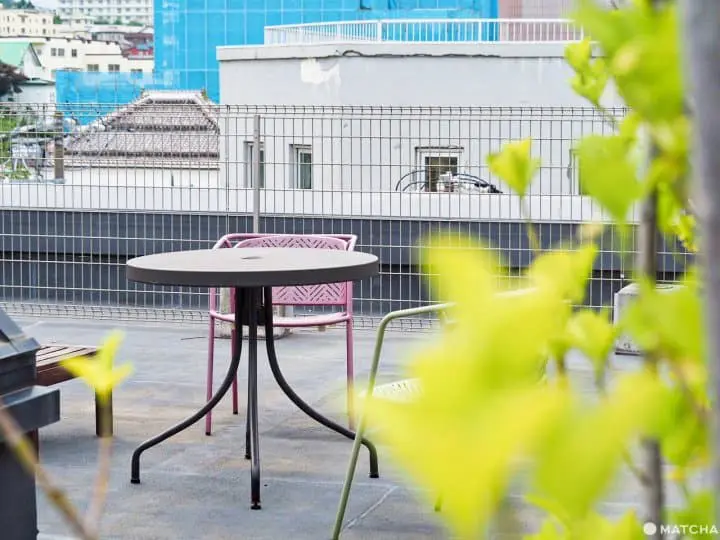
The highlight of the upper-tier rooms, however, is the private rooftop terrace. On clear evenings, guests can recline with a craft beverage while taking in panoramic views of the illuminated harbor. During the peak summer season, the terrace serves as a front-row VIP viewing platform for the Hakodate Port Festival fireworks displays, offering an unobstructed vista over the sparkling bay.
Future Outlook: The Evolution of Experiential and Heritage Lodging
As global travel trends shift decisively away from homogenized, cookie-cutter luxury hotels in favor of hyper-local, story-driven accommodations, properties like HakoBA Hakodate are charting the course for the future of the hospitality industry.
Sustainable Urban Renewal
The success of adaptive reuse projects in secondary Japanese cities like Hakodate demonstrates that sustainable tourism is not merely about energy efficiency; it is about cultural and structural preservation. By converting abandoned commercial infrastructure into vibrant community-centric hotels, developers are revitalizing local economies without contributing to urban sprawl.
Empowering the Independent Traveler
HakoBA’s emphasis on shared spaces—such as the communal rooftop kitchen where guests can prepare seafood freshly purchased from the nearby Hakodate Morning Market—reflects a broader movement toward participatory travel. Modern tourists no longer wish to remain passive consumers of luxury; they seek authentic, tactile engagements with local food systems, neighborhood cultures, and fellow travelers.
Furthermore, the hotel’s innovative amenities, such as on-site e-bike rentals equipped to effortlessly conquer Hakodate’s steep, winding hills, empower guests to explore off-the-beaten-path neighborhoods that traditional tour buses miss entirely.
Conclusion
HakoBA Hakodate is much more than a stylish place to rest your head after a day of exploring Mt. Hakodate. It is an architectural bridge connecting the financial ambitions of 20th-century Hokkaido with the creative, community-focused tourism of the 21st century. By seamlessly fusing historical preservation with modern artistic expression, HakoBA Hakodate has secured its status as an essential destination within Japan’s evolving hospitality landscape—proving that the most memorable journeys often begin inside the walls of the past.



Belum ada komentar. Jadilah yang pertama berkomentar!