

Publication Date: May 28, 2026
Category: Collectibles & Hobbyist Market Analysis
Executive Overview
The secondary market for pre-owned anime figures has matured into a multi-billion-dollar global ecosystem, characterized by sophisticated pricing algorithms, verified authentication protocols, and a rapidly expanding collector base. No longer viewed simply as a casual hobbyist playground, the pre-owned figure economy operates with the precision of traditional financial markets.
Fueled by integrated platforms like Yahoo! Auctions Japan, specialized secondary market storefronts, and automated price-tracking systems, collectors and investors alike are scrutinizing data-driven metrics closer than ever before. As global demand for rare, limited-edition, and vintage character models surges, understanding the mechanics of valuation, condition grading, and platform reliability has become essential for anyone participating in this dynamic marketplace.
Detailed Chronology & Market Evolution
The journey of the secondary figure market from localized hobbyist trades to a digitized, frictionless global economy spans several distinct eras:
- The Analog Era (Pre-2010): Characterized by physical storefronts in Akihabara, independent hobby shops, and word-of-mouth trading conventions. Price discovery was highly localized, and international buyers relied heavily on proxy services or direct, risky peer-to-peer messaging boards.
- The Digital Transition (2010–2018): The rise of global shipping, translated auction platforms, and dedicated online marketplaces (such as Mandarake, AmiAmi pre-owned sections, and early Yahoo! Auctions cross-border integrations) brought transparency to pricing. Condition grading standards began to formalize.
- The Algorithmic Era (2019–Present): Driven by machine learning, automated price aggregators, and real-time scrapers, pricing has become hyper-efficient. Platforms now cross-reference historical sales data instantly, meaning rare figures can appreciate or depreciate based on micro-trends within weeks or even days.
Supporting Context & Metrics: Decoding Figure Valuation
Understanding how pre-owned figures are valued requires a deep dive into the primary drivers of secondary market pricing. Several core factors dictate the market value of any given collectible:
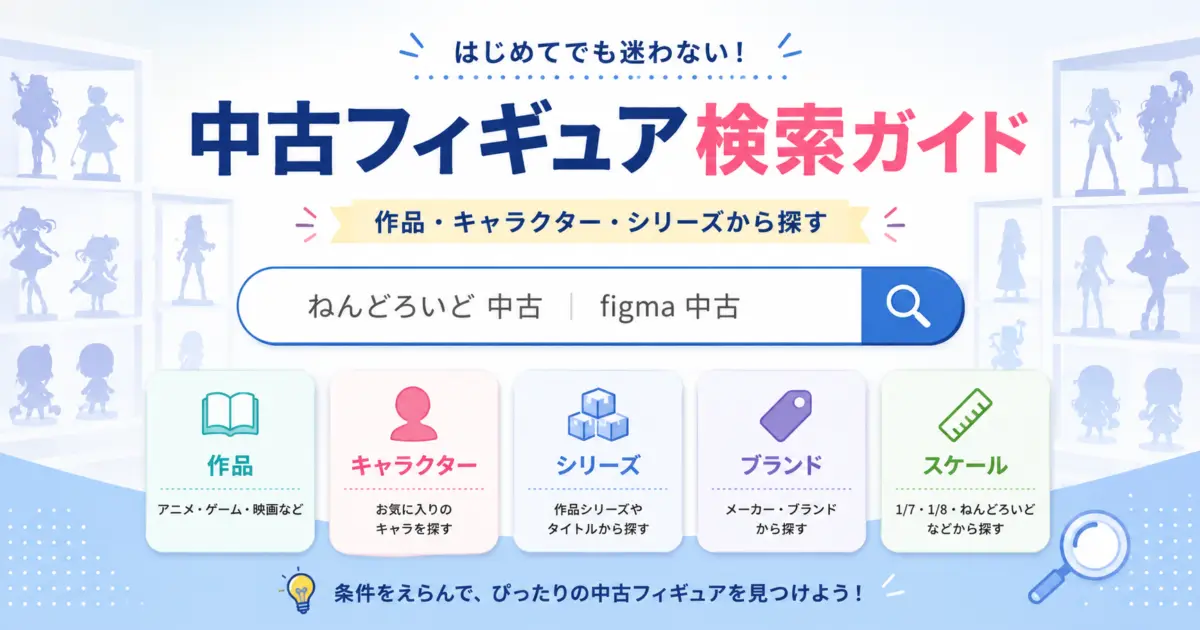
- Manufacturer Reputation & Lineage: Brands known for exceptional quality control and limited production runs—such as Alter, Good Smile Company (including their iconic figma and scale lines), MegaHouse, and Aniplex+—consistently command higher secondary values. Conversely, mass-produced prize figures from crane games typically hold lower resale potential unless tied to an exceptionally rare promotional event.
- Condition Grading Systems: The difference between an unopened, factory-sealed (MIB: Mint in Box) figure and a displayed, loose figure can be upwards of 50% in market value. Graders look closely at box integrity, sun-fading, dust accumulation, and the presence of all original accessories (alternate faceplates, weapons, stands).
- The "Waifu" and Mainstream Media Effect: Market demand fluctuates heavily based on seasonal anime releases, movie premieres, and manga arcs. A breakout character from a currently airing series will often see immediate, temporary spikes in secondary pricing, which collectors must time carefully to avoid overpaying during speculative bubbles.
Official Statements and Industry Perspectives
Major stakeholders across the hobbyist landscape have increasingly emphasized transparency and consumer protection. Industry analysts note that as counterfeit figures become more sophisticated—often utilizing high-grade PVC and convincing packaging replicas—the burden of verification has shifted toward platform operators.
Leading marketplace executives have highlighted the deployment of automated AI-driven authentication tools. These systems cross-reference known bootleg markers against user-submitted listing photos, flagging irregularities in box typography, paint application bleeding, and base plate manufacturer stamps before items go live to the public.
Furthermore, consumer advocacy groups advise buyers to utilize escrow services and verified intermediary platforms to safeguard against shipping damage and misrepresentation of item conditions. As the market continues to scale, trust remains the single most critical currency.
Future Outlook: Trends to Watch
Looking ahead, the pre-owned figure ecosystem is poised for continued transformation. Key developments expected over the coming years include:
- Blockchain-Enabled Provenance: The potential integration of digital certificates of authenticity (NFTs or secure ledger entries) linked to high-end collectible boxes to verify ownership history and combat counterfeiting.
- Predictive Pricing Models: Advanced machine-learning tools that will allow collectors to forecast future appreciation curves based on secondary market velocity, licensing renewals, and studio announcements.
- Eco-Friendly Packaging Standards: As secondary markets handle millions of shipments globally, pressure is mounting on both manufacturers and secondary vendors to adopt sustainable, reusable packaging solutions that do not compromise the mint condition of delicate scale figures.
For seasoned collectors and novice hobbyists alike, navigating this landscape requires constant vigilance, reliance on data-driven insights, and a keen eye for authenticity. By leveraging modern price-tracking tools and adhering to strict condition-grading standards, participants can successfully build, curate, and monetize collections in one of the most vibrant subcultures of modern pop culture.








Belum ada komentar. Jadilah yang pertama berkomentar!