


Executive Overview
As the video game industry prepares for what is undeniably its most monumental commercial release of the decade, a parallel drama is unfolding behind closed doors at one of its most prestigious studios. Rockstar Games—the powerhouse developer responsible for some of the highest-grossing entertainment properties in human history—is facing a pivotal moment in its corporate and labor history. Over a crucial two-week window this November, employees at the studio will head to the polls to vote on official union recognition.
Strategically bracketed around the eagerly anticipated console launch of Grand Theft Auto 6 on November 19, this upcoming ballot represents much more than a standard workplace vote. If successful, the IWGB (Independent Workers’ Union of Great Britain) Rockstar Game Workers Union will officially establish itself as the largest game industry union in the United Kingdom.
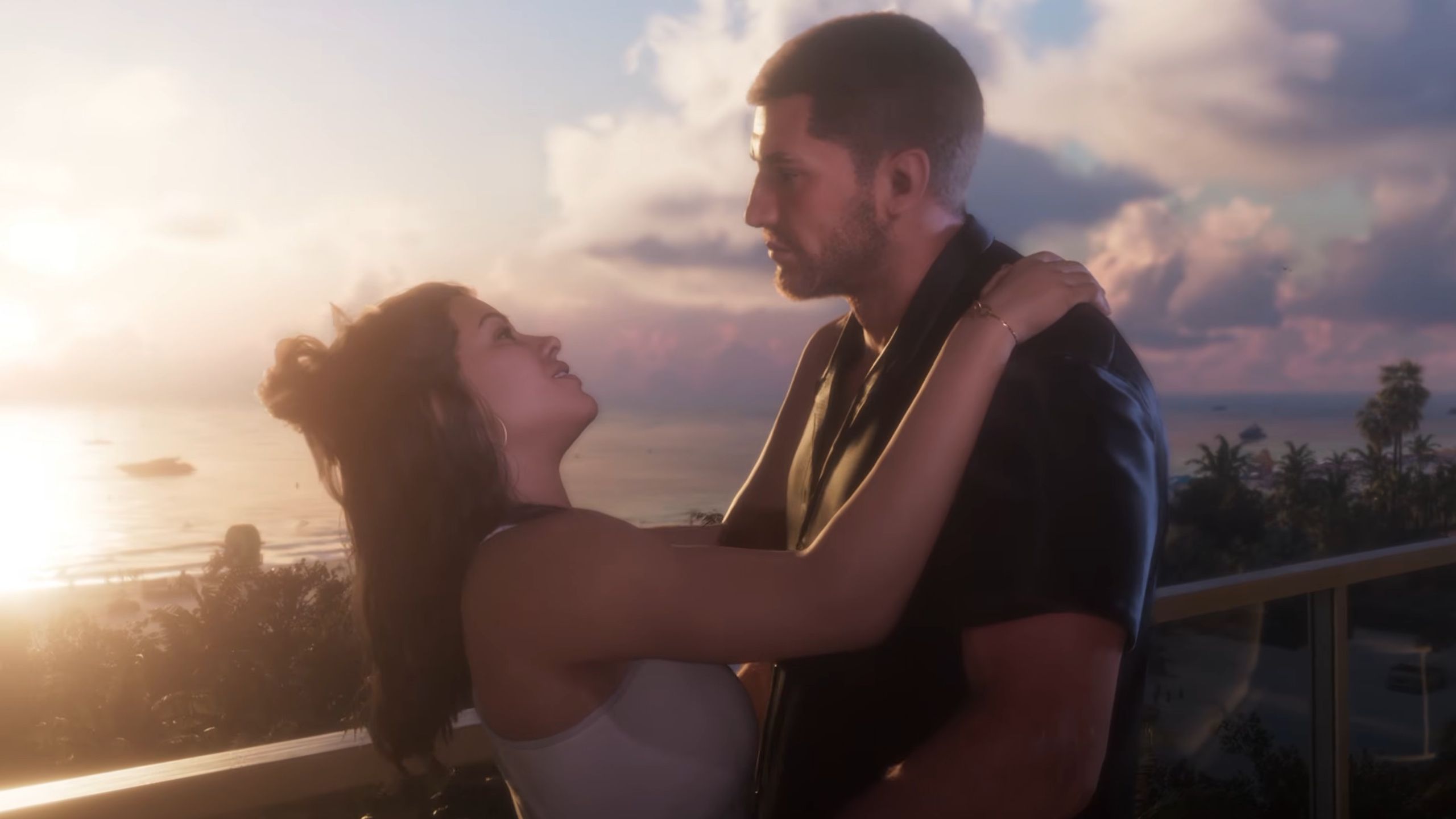
This watershed moment is the culmination of years of escalating tensions, underground organizing, high-stakes legal battles, and a fiercely contested debate over worker rights within the modern AAA gaming landscape. While millions of players focus their attention on the streets of Leonida and the exploits of protagonists Jason and Lucia, hundreds of developers are fighting for their own form of permanence: a legal voice in matters of compensation, job security, workplace transparency, and the ethical implementation of emerging technologies like generative artificial intelligence.
Detailed Chronology: From Whispers to the Ballot Box
To understand the weight of the upcoming November vote, one must examine the rocky road that led Rockstar’s workforce to this juncture. For decades, the AAA games industry operated under a culture of intense crunch, opaque management structures, and a top-down corporate hierarchy that left developers with little recourse regarding their working conditions.
The Path to Collective Bargaining
Unionization efforts at Rockstar did not happen overnight. For years, individual developers shared grievances regarding the grueling hours required to finish massive open-world titles, unpredictable overtime policies, and a stark disconnect between executive decisions and ground-level realities. When workers finally decided to organize under the banner of the IWGB, negotiations regarding a formal recognition deal commenced in July.
However, the road to a democratic vote has been fraught with accusations of corporate suppression and legal retaliation.
The October 2025 Firing Crisis
The tensions reached a boiling point in October 2025, sending shockwaves through the global gaming community. In what the IWGB forcefully categorized as "the most ruthless act of union busting in the history of the UK games industry," Rockstar terminated 31 employees simultaneously.
Management defended the mass firings by alleging that the affected workers had compromised company security by leaking Grand Theft Auto 6 information within a public Discord server. The union and the dismissed developers vehemently denied these allegations, countering that the security infractions were merely a pretext used by executives to purge prominent organizers and kneecap the burgeoning union movement before it could gain legal footing.
The fallout from these terminations immediately escalated beyond corporate boardrooms. The dismissed workers and their advocates took their fight to the public sphere, staging demonstrations and speaking out against what they described as a corporate culture rooted in intimidation. The dispute eventually found its way to an employment tribunal in Scotland, where pre-trial testimonies painted a bleak picture of a modern workplace allegedly fueled by fear. One fired developer delivered an impassioned pre-trial speech declaring, "The modern workplace runs on fear. Today, we are fighting fear."
Despite these severe disruptions, the organizing committee refused to back down. The resilience of the workforce forced management back to the negotiating table, ultimately resulting in the agreement to hold a legally binding recognition vote this November.
Supporting Context & Metrics: What the Union Vote Entails
The stakes of the November 12–26 ballot cannot be overstated. Should the union secure the necessary majority vote, the IWGB Rockstar Game Workers Union will cross a threshold that fundamentally alters the labor dynamics of the UK games sector.
Core Demands of the Rockstar Game Workers Union
The scope of the recognition agreement covers a comprehensive array of workplace issues that have long been sources of friction between developers and studio leadership:
- Pay and Bonuses: Establishing transparent metrics for salary structures, performance bonuses, and closing persistent demographic pay gaps, including the gender pay gap.
- Overtime and Working Hours: Replacing uneven, ad-hoc, and historically exhausting overtime policies with standardized, fair compensation and reasonable hour caps, particularly during the critical "crunch" periods leading up to major releases.
- Post-Release Job Security: Addressing the industry-wide anxiety surrounding studio downsizing, contract terminations, and redundancies that frequently plague developers once a major project ships and publisher expectations shift.
- Pensions and Parental Leave: Securing robust, standardized benefit packages that offer long-term financial security and family support for employees.
- Generative AI Policies: Establishing clear, worker-approved guidelines on how generative artificial intelligence tools are integrated into the creative and technical pipelines, protecting human labor from being prematurely replaced or devalued by algorithmic shortcuts.
The Significance of the Timeline
The decision to hold the vote from November 12 to November 26—spanning the week before and the week after Grand Theft Auto 6 hits PlayStation 5 and Xbox Series X/S consoles—is a masterstroke of timing. It ensures that the eyes of the global gaming media, investors, and consumers will be fixed squarely on Rockstar at the exact moment its workers exercise their democratic rights.
As Shanti Easton-Steel, a Rockstar Game Workers Union committee member, noted: "This November, we have the chance to make gaming history not once but twice. As all our hard work, skill and creativity are experienced by GTA VI players for the first time, our voices will now be heard for the first time too."
Official Statements and Industry Perspectives
The clash between Rockstar’s legendary output and its internal labor struggles has drawn commentary from across the games industry, highlighting a stark ideological divide between corporate priorities and worker welfare.
Worker and Union Perspectives
Union leadership has framed the vote as a vital human necessity rather than merely an administrative hurdle.
IWGB Union president Alex Marshall emphasized the deeply personal nature of the struggle during a recent address:
"For anyone who cares about the games industry or the people who keep it running, this vote is just as historic as the game release. But for workers at Rockstar, it is so much more personal: it is fundamentally a choice about whether you get to have a say in how your day-to-day life is organised."
Echoing this sentiment, Shanti Easton-Steel pointed out the emotional disconnect many developers feel between taking pride in the games they build and experiencing frustration over how they are treated as internal stakeholders:
"For me, this vote comes down to ensuring employees at Rockstar get honesty and openness surrounding the decisions that affect them. When management choices are kept hidden, we can’t properly address issues like the gender pay gap, the uneven and ever-changing policies on overtime pay, or the concerns many co-workers hold around job security post-release… I’m immensely proud of the games Rockstar gives its fans—I want to be equally proud of the voice Rockstar gives its staff."
Management’s Evolving Stance
Historically, major publishers have fiercely resisted unionization efforts, often deploying high-priced legal teams and aggressive anti-union consultants to dissuade employees. However, Rockstar’s posture appears to be undergoing a pragmatic shift.
While Rockstar Games has not issued a formal corporate press release concerning the specifics of the looming two-week vote, recent indicators suggest a softening of direct opposition. Jennifer Kolbe, Rockstar’s Head of Publishing, offered a telling glimpse into executive thinking during a recent in-depth feature with Bloomberg chronicling the tumultuous making of Grand Theft Auto 6. Kolbe remarked:
"We go where the team goes. So if they want a union, they will have a union."
Whether this statement represents a genuine corporate willingness to embrace collaborative labor relations or a calculated diplomatic response to intense public scrutiny remains to be seen. Nevertheless, it marks a significant departure from the outright hostility reported by organizers during the October 2025 termination crisis.
Future Outlook: A New Era for AAA Game Development?
As the calendar ticks closer to November 12, the implications of the Rockstar union vote extend far beyond the studio’s Edinburgh and international offices. The video game industry has long operated under a model of exceptionalism—where the cultural significance and astronomical profits of blockbuster releases were used to justify grueling labor practices, volatile employment conditions, and a general lack of collective employee power.
If the IWGB Rockstar Game Workers Union successfully achieves recognition, it will provide a powerful blueprint for developers at other massive studios—such as Epic Games, Electronic Arts, Ubisoft, and Activision Blizzard—where organizing efforts have faced steep institutional hurdles. A unionized Rockstar proves that even within the most secretive, high-stakes environments in entertainment, collective action is possible.
Conversely, a defeat at the ballot box could embolden corporate entities seeking to maintain absolute top-down control over their workforces, potentially chilling the broader international movement toward video game labor rights.
For now, the world waits with bated breath. On one side lies Grand Theft Auto 6—a cultural titan poised to break every entertainment sales record in history. On the other lies the quiet, determined resolve of the developers who built it, standing together to ensure that their livelihoods, security, and voices are valued just as much as the digital empires they create.







Belum ada komentar. Jadilah yang pertama berkomentar!