

Executive Overview
The global video game industry finds itself at a profound philosophical and technical crossroads, divided sharply across geographic and cultural lines regarding the integration of Artificial Intelligence (AI) into game development. While North American and European development studios—alongside widespread guilds and audience bases—maintain a deep-seated skepticism and outright hostility toward generative AI tools, the landscape in Japan tells a markedly different story.
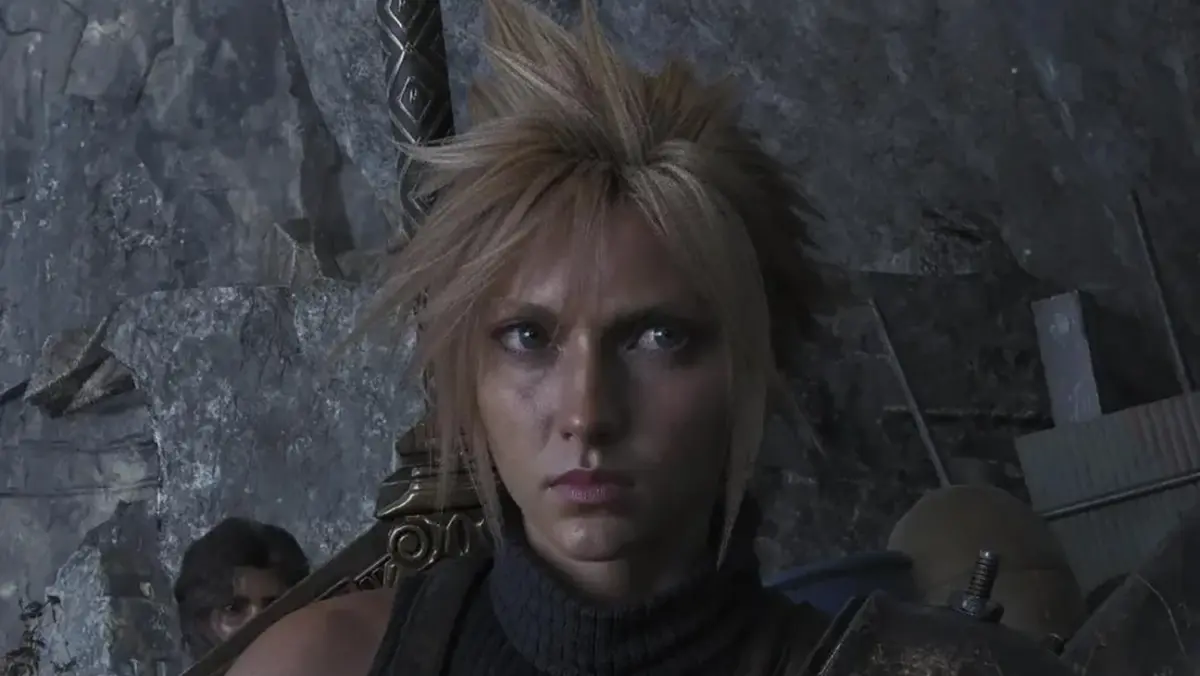
Recent commentary from legendary Japanese game developers, including key figures from Square Enix’s storied Final Fantasy and Mana franchises, reveals a willingness to lean into the AI wave. Speaking in a recent, comprehensive interview with Famitsu, industry veterans Hiromichi Tanaka and Yoshinori Kitase argued that mastering AI will soon become a mandatory survival skill for major game studios and independent developers alike.
However, this divergence in sentiment highlights a deeper, more volatile tension within the modern digital economy. While Japanese veterans view AI as an evolutionary tool that will spark a competitive golden age of ideas, Western analysts and independent creators point to a darker reality: a marketplace increasingly saturated with low-effort "vibe-coded" asset flips, rampant cloning controversies, and the devaluation of human artistry. As the industry races toward an automated future, the fundamental question remains whether generative tools will democratize creativity or ultimately drown the ecosystem in a rising tide of digital detritus.
Detailed Chronology: The Evolution of AI in Modern Game Development
To understand the current discourse surrounding AI in Japanese versus Western development circles, it is essential to trace how generative technologies have steadily infiltrated the pipeline over the past several years.
The Rise of Accessible Tools and Democratization (2020–2022)
Long before generative AI became a household controversy, the democratization of game development was already well underway. The widespread adoption and refinement of accessible, high-powered game engines like Unreal Engine and Unity lowered the technical barrier to entry. Independent developers could produce commercial-grade 3D titles with small teams. However, this era also laid the groundwork for automation; procedural generation algorithms and early machine-learning plugins began appearing in mainstream pipelines to assist with terrain generation, texture upscaling, and basic debugging.
The Generative Explosion and Cultural Splintering (2023–2024)
The commercialization of large language models (LLMs) and advanced text-to-image/text-to-code generators in 2023 sent shockwaves through the creative sectors. In North America and Europe, the reaction was swift and defensive. Major entertainment unions, including SAG-AFTRA and Japanese equivalents like the Japan Actors Union, began organizing pushbacks, demanding heavy legal restrictions against the unauthorized AI scraping and cloning of human likenesses and voices.
Conversely, Japanese industry surveys consistently demonstrated a higher tolerance and institutional curiosity regarding AI implementation. Rather than viewing the technology strictly as an existential threat to employment, many Japanese studios began evaluating how machine learning could alleviate crunch culture, optimize asset pipelines, and handle repetitive coding tasks.
The "Vibe-Coding" Era and the Cloning Crisis (2025–Present)
By 2026, the intersection of AI and game development reached a chaotic new milestone. The popularization of automated code generation gave birth to the phenomenon of "vibe-coding" and mass-decompiled console ports flooding platforms like Steam. Digital storefronts became inundated with thousands of near-identical, low-effort demos during events like Steam Next Fest. The human cost of this frictionless content creation became glaringly apparent: independent studios like the creators of Moonlighter were forced to pull their high-profile demos offline out of genuine fear that automated tools would instantly clone their hard-earned intellectual property before it could even hit the market.
Supporting Context & Metrics: Dueling Industry Perspectives
The philosophical chasm between East and West is not merely anecdotal; it is backed by empirical data from industry surveys and unfolding market conditions.
- The Regional Divide: Dueling industry surveys published over the past year indicate that Japanese game developers are significantly more receptive to integrating AI into their workflows than their North American counterparts. While Western developers frequently cite ethical concerns, copyright issues, and the displacement of junior artists and writers, Japanese management structures tend to view AI through the lens of productivity enhancement and operational efficiency.
- The Marketplace Dilution: During recent digital showcases such as Steam Next Fest, platforms have struggled to curate over 8,000 competing demos. A substantial percentage of these submissions have been flagged by critics as "worthless vibe-coded slop"—low-quality, AI-generated or rapidly assembled templates designed to game discovery algorithms rather than offer genuine entertainment value.
- The Vulnerability of Indies: While AAA giants possess the legal teams and capital to navigate copyright complexities, independent developers are bearing the brunt of the technological fallout. The ease with which bad actors can replicate art styles, game loops, and source code via generative tools has turned digital storefronts into hostile environments for creative experimentation.
Official Statements: Insights from the Famitsu Roundtable
The debate gained fresh momentum following a high-profile feature in Famitsu, subsequently analyzed and translated by Automaton, featuring perspectives from titans of classic JRPG development.
Hiromichi Tanaka, whose legendary tenure at Square Enix included pivotal leadership roles across early Final Fantasy titles and the Mana series until his departure in 2012, offered a pragmatic view of the technological shift:
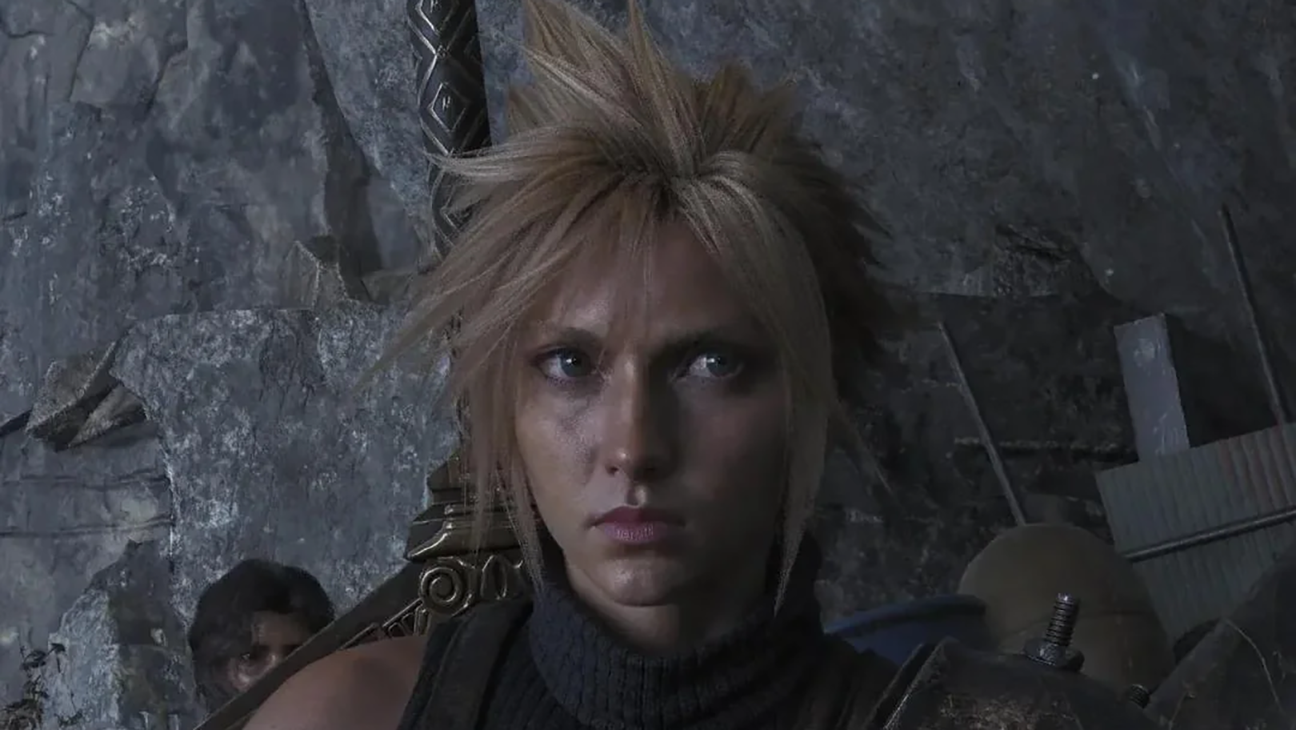
"Creations of the future will definitely come down to how well people can master the use of AI."
Tanaka believes that mastering these tools will ultimately shift the competitive landscape away from raw technical production power and toward a pure "competition of ideas." In theory, when technical barriers are flattened, the strength of the core concept should dictate a game’s success.
Yoshinori Kitase, another industry veteran and the current producer behind heavy-hitting projects like Final Fantasy VII Rebirth, echoed these sentiments while issuing a stark warning to legacy companies:
"Major game companies will need to rethink their development methods to avoid being swept away by this wave."
Kitase drew parallels to the indie boom catalyzed by accessible game engines, noting that modern support tools mean "even people with limited experience can more easily make games."
Crucially, both developers acknowledged the irreplaceable nature of human intuition. Kitase emphasized that pure automation results in uninspired, flavorless content, asserting:
"Humans need to be involved in the initial step of turning zero into one… That will never change. The next generation of creators absolutely needs the ability to turn zero into one."
Future Outlook: Navigating the Automated Horizon
As the video game industry looks toward the remainder of the decade, the integration of AI is no longer a speculative concept—it is an operational reality reshaping every tier of development.
The optimistic vision articulated by veterans like Tanaka and Kitase—where human vision guides AI tools to spark a golden age of creative competition—serves as an appealing ideal. However, bridging the gap between this corporate optimism and the chaotic realities of the digital marketplace will require robust regulatory frameworks, ethical data practices, and stronger platform-level protections against asset theft and cloning.
For major studios, adapting to the AI wave may indeed be a matter of corporate survival. Yet, unless the industry addresses the flood of low-quality automation threatening to drown independent creators, the ultimate cost of this technological revolution may be the very spirit of grassroots innovation that made video games a dominant global art form in the first place.






Belum ada komentar. Jadilah yang pertama berkomentar!