

Published: October 30, 2026
Dateline: Ogaki, Gifu Prefecture
Executive Overview
Tucked away just a 30-minute railway journey from the bustling urban sprawl of Nagoya lies Ogaki City, a medium-sized municipality in Gifu Prefecture with a population of approximately 160,000 residents. While major metropolitan hubs often capture the immediate attention of international travelers, Ogaki offers an alternative narrative—one rooted in quiet resilience, profound historical gravity, and a distinct aesthetic untouched by modern over-tourism.
Often celebrated as the "City of Water" and famously immortalized as the concluding destination of master haiku poet Matsuo Basho’s legendary 2,400-kilometer pilgrimage, Ogaki operates as a living museum of Edo-period (1603–1868) architecture, samurai heritage, and natural hydrological phenomena. This investigative travelogue provides an exhaustive guide to navigating Ogaki’s photogenic topography, examining its seasonal attractions, infrastructural accessibility, and the cultural frameworks that sustain its timeless appeal.

Detailed Chronology: From Feudal Stronghold to Modern Cultural Haven
To truly understand Ogaki’s visual and historical landscape, one must trace its evolution through the centuries. The region’s strategic importance dates back well before the unification of Japan, marked by milestones that continue to shape its contemporary identity.

[1535] ── Construction of Ogaki Castle (Toki Clan / Miyagawa)
  │
[1566] ── Toyotomi Hideyoshi erects Sunomata "One-Night" Castle
  │
[1600] ── Battle of Sekigahara: Ogaki Castle serves as Ishida Mitsunari's Western Army HQ
  │
[1665] ── Inception of the historic Ogaki Festival
  │
[1694] ── Matsuo Basho completes his "Okuno Hosomichi" journey in Ogaki
  │
[1959] ── Reconstruction of the Ogaki Castle Keep following WWII destruction
  │
[Present] ── Emergence as a premier, off-the-beaten-path destination for cultural tourism
The Feudal Foundations and the Battle of Sekigahara
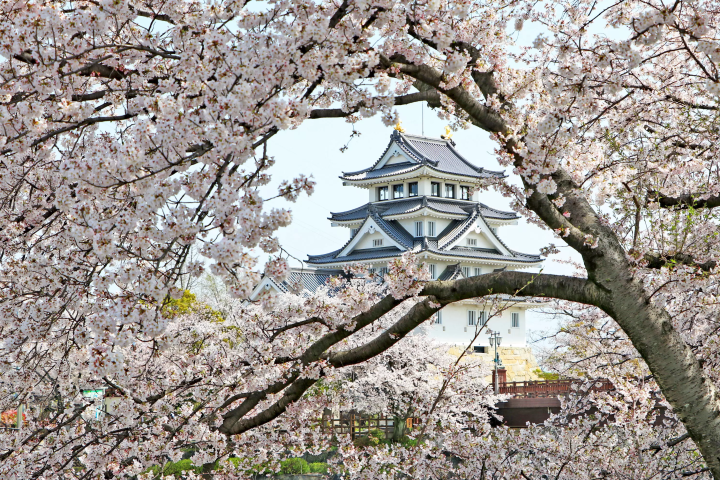
Ogaki’s structural history is anchored by its fortifications. Ogaki Castle, said to have been established in 1535 by Kichizaemon Miyagawa of the Toki clan, evolved into an impregnable defensive network surrounded by extensive moats. Its defining historical moment arrived in 1600 during the Battle of Sekigahara, the decisive conflict that paved the way for the Tokugawa shogunate. The castle functioned as the western headquarters for Ishida Mitsunari. Although the original structure—designated a national treasure in 1936—was tragically lost to air raids in July 1945, the faithful reconstruction of its white keep in April 1959 stands today as the proud architectural heartbeat of the city.
Similarly, the Sunomata "One-Night" Castle, constructed along the Saikawa River in 1566 by Kinoshita Tokichiro (later known as Toyotomi Hideyoshi), embodies the romantic ingenuity of Japan’s Sengoku (Warring States) period. Long shrouded in historical ambiguity, the site’s authenticity was firmly validated in 1977 with the discovery of ancient documents within the Maeno family archives in Konan City, Aichi Prefecture. Today, the reconstructed keep functions as the Sunomata One-Night Castle Historical Museum, offering profound insights into Hideyoshi’s military campaigns.
The Nakasendo Post Town and Literary Legacy
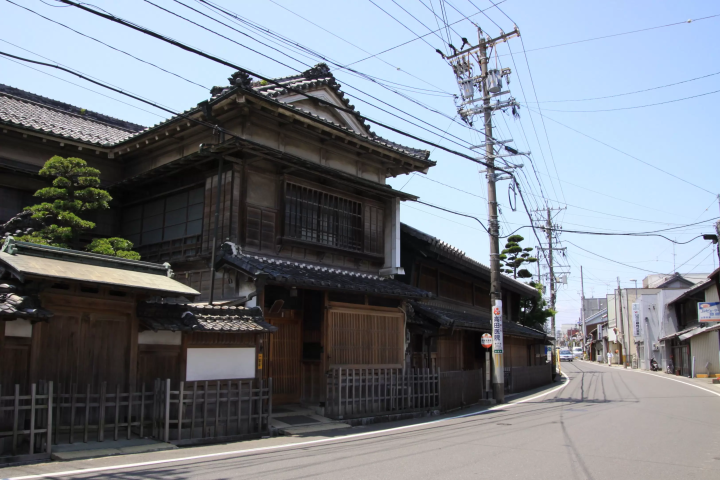
Beyond its castles, Ogaki prospered as a vital post town along the Nakasendo and Mino roads, which connected Edo (modern-day Tokyo) to Kyoto. Akasaka-juku preserves this commercial legacy, featuring traditional merchant houses and narrow alleys that transport visitors directly into the Edo period.
Furthermore, Ogaki holds a hallowed place in Japanese literature. It marks the terminus of Matsuo Basho’s epic 2,400-kilometer journey, immortalized in his masterpiece Okuno Hosomichi ("Narrow Road to the Deep North"). A quiet bronze statue of Basho stands near the riverbanks, greeting modern travelers who seek to retrace the footsteps of history through the lens of a camera.
Supporting Context & Metrics: The Hydrology and Geography of Ogaki
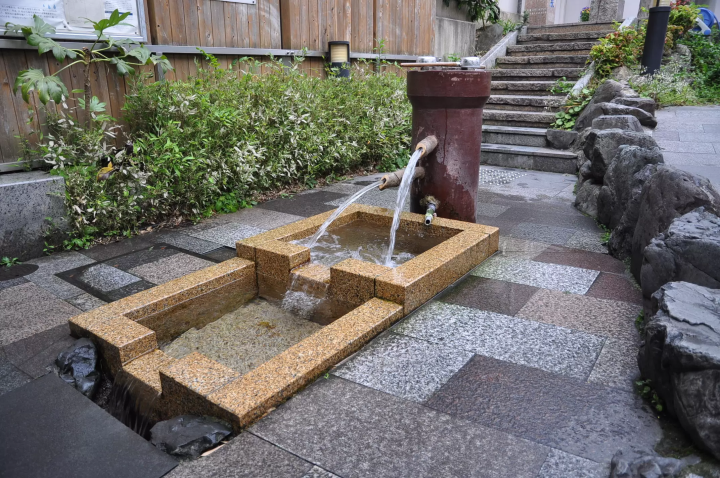
Ogaki’s identity cannot be separated from its water. Filtered steadily through subterranean limestone layers, abundant pure groundwater springs forth throughout the municipal boundaries, earning the city its enduring moniker: the "City of Water."
Hydrological and Geographical Metrics
- City Population: Approximately 160,000 residents.
- Geographical Area: Located in the western sector of Gifu Prefecture within the Nobi Plain.
- Spring Water Integration: Dozens of active spring sites supply residential daily life and fuel local culinary arts.
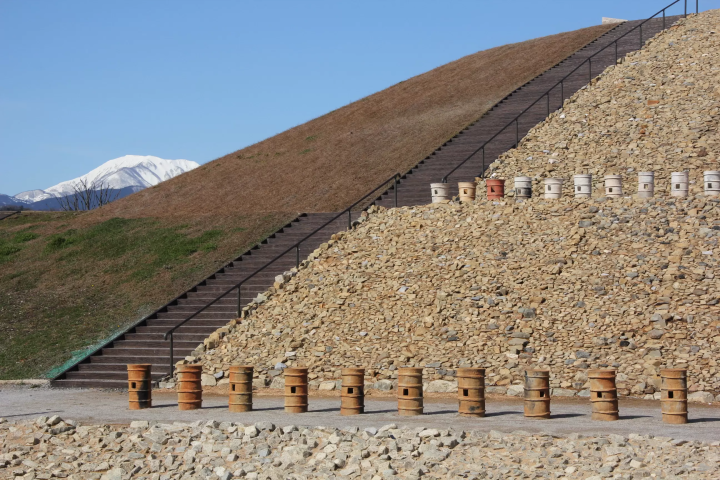
- Ono Kofun Dimensions: Gifu Prefecture’s largest keyhole-shaped burial mound spans a total length of approximately 150 meters, dating back roughly 1,600 years to the Kofun period (3rd to 7th centuries).
Culinary Arts Born of Pure Water: Mizu Manju
The city’s pristine groundwater birthed one of its most iconic culinary treasures: Mizu Manju. Encased in a translucent, shimmering kudzu-starch outer layer and chilled continuously in flowing spring water, these delicate Japanese confections are served in small glass cups from April through September. Their delicate, swaying aesthetic and mild sweetness make them a prime subject for culinary photography and a refreshing treat for international tourists.
Seasonal Attractions and Photogenic Landscapes
Ogaki presents a dynamic visual diary across all four calendar seasons, offering travelers distinct vistas ranging from vernal cherry blossoms to winter illuminations.

Spring: Blossoms and Canal Cruises
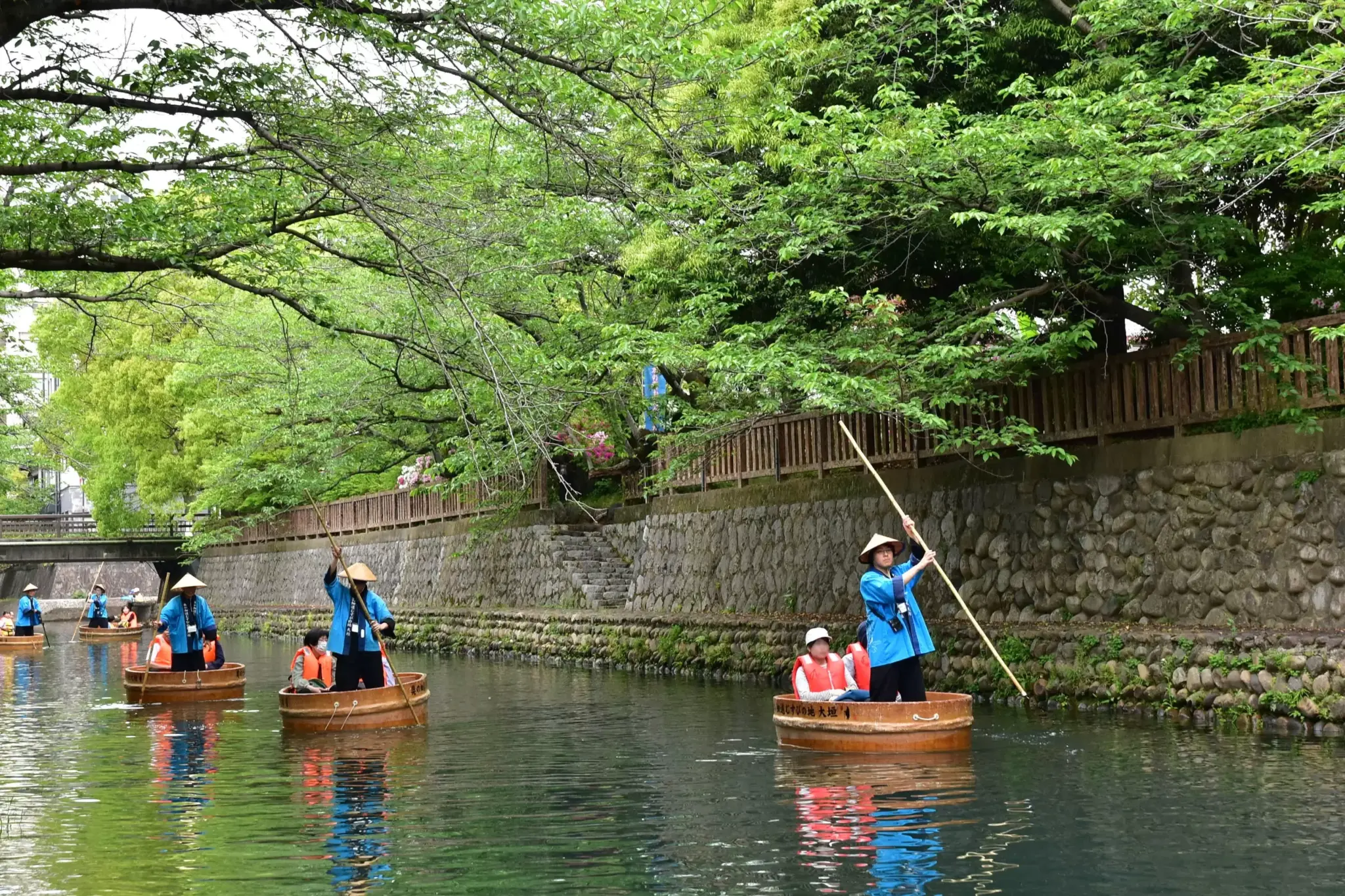
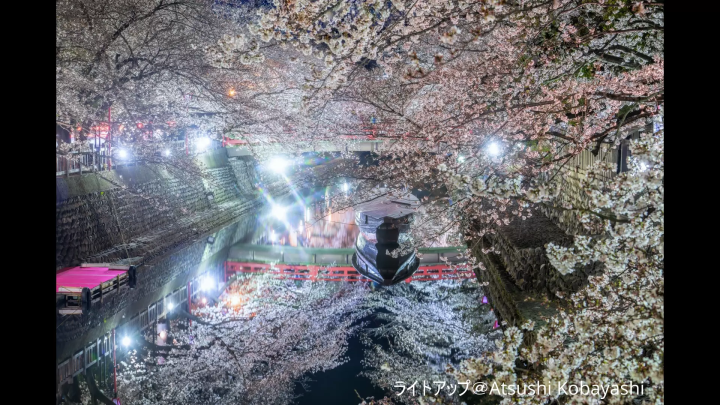
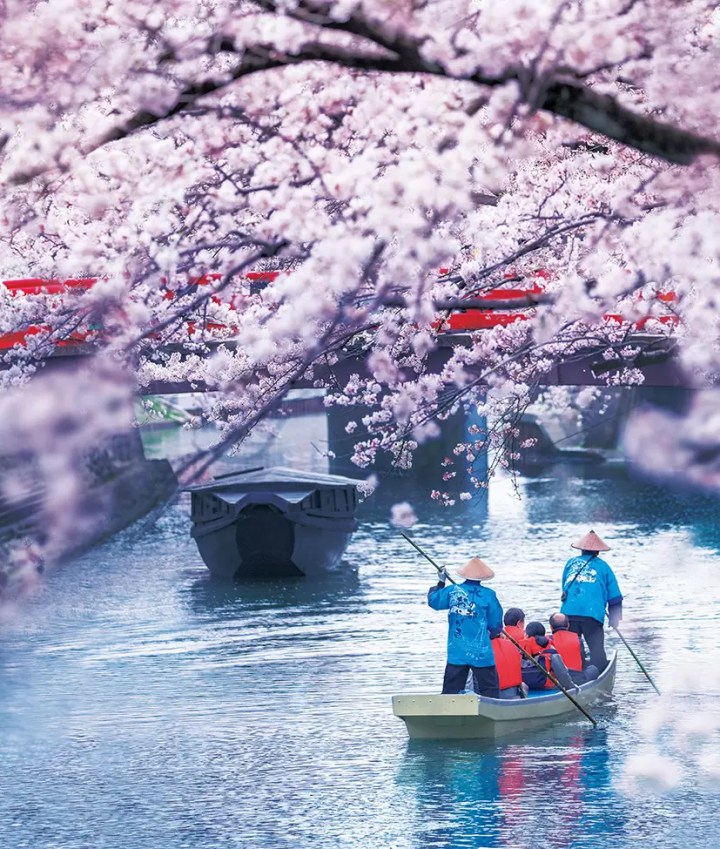
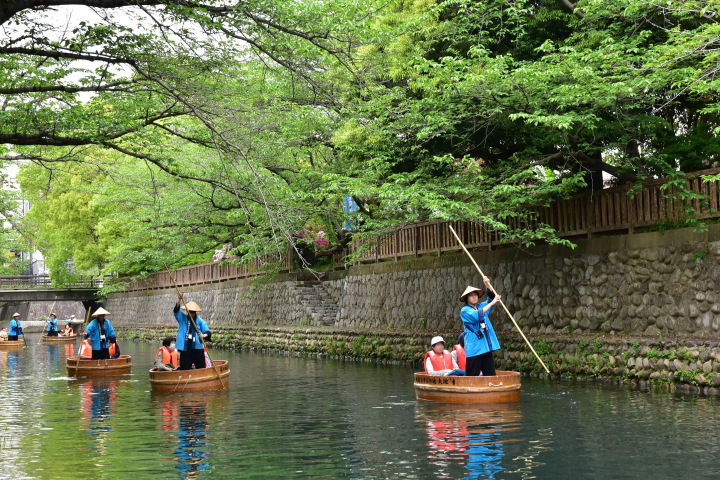
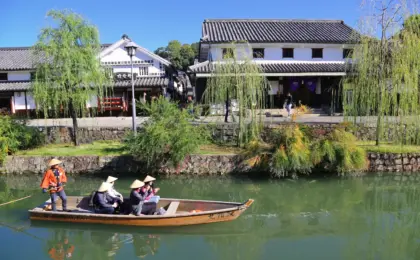
- Suimon River Boat Rides: Spring in Ogaki is defined by leisurely wooden boat cruises along the Suimon River. Passengers glide beneath weeping willows and a canopy of blooming cherry trees, capturing scenes where pale pink petals drift softly onto the water’s surface.
- Sunomata Cherry Blossoms: The embankments of the Saikawa River near the Sunomata One-Night Castle erupt into vibrant pinks during April, creating a quintessential Japanese landscape complete with traditional festival food stalls.
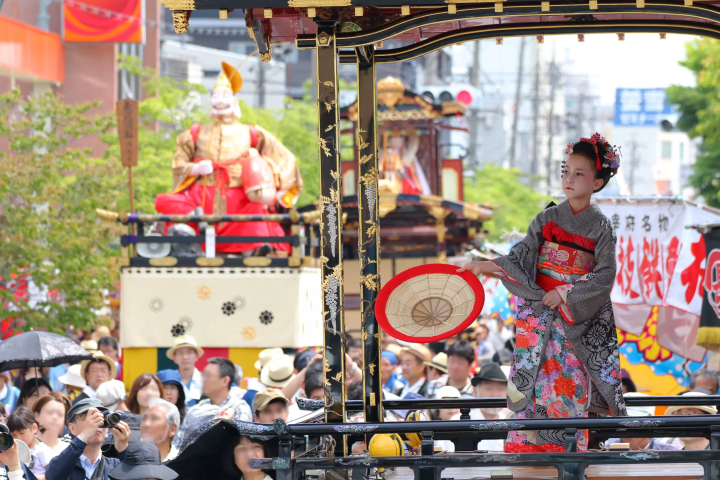
- The Ogaki Festival: Established in 1665, this UNESCO Intangible Cultural Heritage event features magnificent, ornate floats parading through the historic streets, accompanied by traditional musicians, vibrant lanterns, and nearly 400 street food vendors every May.
Summer: Fireflies, Tub Boats, and Lanterns
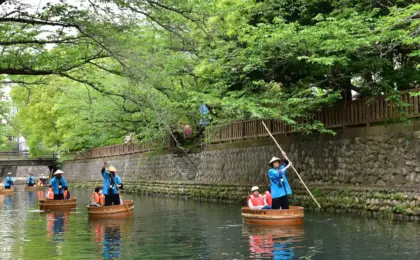
- Tarai-bune (Wooden Tub Boats): Offering a rare interactive experience, visitors can step into large wooden tubs (approximately 1.5 meters in diameter) and propel themselves down the Suimon River using a single wooden pole, providing a low-angle perspective for unique photography.
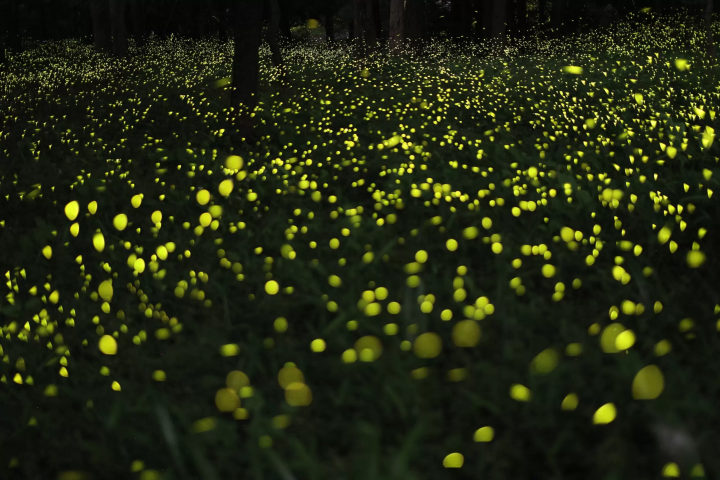
- Hime Fireflies of Mount Kinsho: In late June, the slopes of Mount Kinsho host a rare natural phenomenon: the flight of the Hime firefly. Characterized by rapid, brilliant golden blinking, these insects create an otherworldly display. Note: Advanced reservations via Myojo-rinji Temple are strictly required.
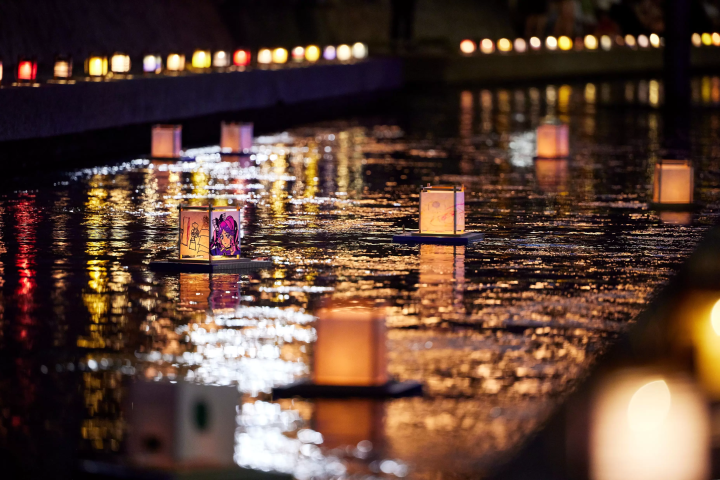
- Manto Nagashi: Held every August, this traditional Obon ceremony involves floating countless illuminated paper lanterns down the Suimon River to honor ancestral spirits, casting a warm, reflective glow across the water.
- Sunflower and Shinkansen Fields: August brings expansive sunflower fields where brilliant yellow blooms stretch toward the summer sky, juxtaposed against the high-speed blur of passing Tokaido Shinkansen bullet trains.
Autumn: Foliage and Feudal Processions
- Tara Gorge: Located in Kamiishizu-cho, this rugged gorge boasts vibrant autumn foliage, suspension bridges, dynamic waterfalls, and dramatic rock formations.
- Ochaya-yashiki Garden: A historic garden used as lodging for the Tokugawa shogunate, featuring fiery autumn maples contrasting against ancient stonework and rich green moss.
- Myojo-rinji Temple: Perched high in Akasaka-cho, this sacred site offers sweeping vistas of the Nobi Plain framed by brilliant fall leaves, far removed from urban crowds.
- Akasaka-juku Princess Procession: Every November, the historic post town comes alive with a magnificent reenactment of a Edo-period daimyo (feudal lord) procession, complete with participants in historically accurate attire.
Winter: Illuminations, Snowscapes, and Folklore
- Ogaki Illumination: Centered around "Turtle Pond" in the south plaza of Ogaki Station, contemporary light art transforms the winter nights of December into a magical urban landscape.
- Snow-Draped Ogaki Castle: On rare winter mornings following a snow forecast, the white castle keep draped in pristine white snow offers a serene, fleeting glimpse of feudal majesty.
- Hadaka Matsuri (Naked Festival): Held in February at Hokoin Temple, participants clad only in loincloths brave the winter chill in a ritual prayer for health and bountiful harvests.
- Sunomata Hina Dolls: Throughout February and March, the eaves of historic homes in the Sunomata district are adorned with hanging hina dolls in anticipation of Girls’ Day, blending traditional craftsmanship with old-world streetscapes.
Infrastructural Access and Navigation Strategy
Successfully navigating Ogaki requires an understanding of its multi-layered transit ecosystem. Because attractions are distributed between the compact city center and surrounding districts like Akasaka, Sunomata, and Kamiishizu, efficient mobility is essential.
[Arrival Point] ── JR Ogaki Station (30 mins via JR Tokaido Main Line from Nagoya)
                       │
         ┌─────────────┴─────────────┐
         ▼                           ▼
[City Center Exploration]     [Suburban & Rural Access]
  • 10-15 minute walk radius    • Electric-assist bicycle rentals
  • Ogaki Castle, Suimon River  • Yoro Railway (retro local line)
  • Basho statue, Spring spots  • Bus routes (Akasaka / Sumimata)
                                • Car rental / Taxis (Tara Gorge)
Transportation Modes and Recommendations
- Railway Access: Visitors arriving from Nagoya take the JR Tokaido Main Line (Rapid) directly to Ogaki Station in roughly 30 minutes. Travelers from Tokyo utilize the Tokaido Shinkansen to Nagoya before transferring.
- Bicycle Rentals (The Optimal Choice): To maximize photographic exploration, renting an electric-assist bicycle is highly recommended. Available for as low as 1,000 yen per day at locations such as the Oku no Hosomichi Haiku Journey Museum and the Quintessa Hotel Ogaki, these bikes allow travelers to easily navigate suburban inclines leading to Akasaka and peripheral heritage sites.
- Local Buses and Railways: Regional bus routes connect Ogaki Station to Akasaka, Sunomata, and Aobaka (though schedules require advance checking). For rail enthusiasts, the retro-style Yoro Railway provides a charming transit option to the Akasaka district.
- Automotive Transit: For remote, mountainous terrain such as Tara Gorge in Kamiishizu, car rentals or taxis stationed around Ogaki Station are necessary.
Future Outlook
As international tourism in Japan seeks sustainable alternatives to overcrowded major hubs, Ogaki City stands positioned at an advantageous juncture. Local municipal authorities, in partnership with regional tourism boards, are increasingly prioritizing digital infrastructure—such as multilingual signage, improved digital route mapping for cyclists, and controlled-access protocols for ecological treasures like the Mount Kinsho fireflies.
By balancing heritage preservation with accessible infrastructure, Ogaki offers a compelling blueprint for regional tourism development. For the discerning traveler and photographer, Ogaki represents a rare opportunity: a destination where Japan’s feudal past, hydrological wonders, and seasonal poetry remain authentic, unhurried, and deeply rewarding.






Belum ada komentar. Jadilah yang pertama berkomentar!