

Publication Date: October 31, 2026
Location: Oita Prefecture, Kyushu, Japan
Category: Travel Safety / Infrastructure / Regional Mobility
Executive Overview
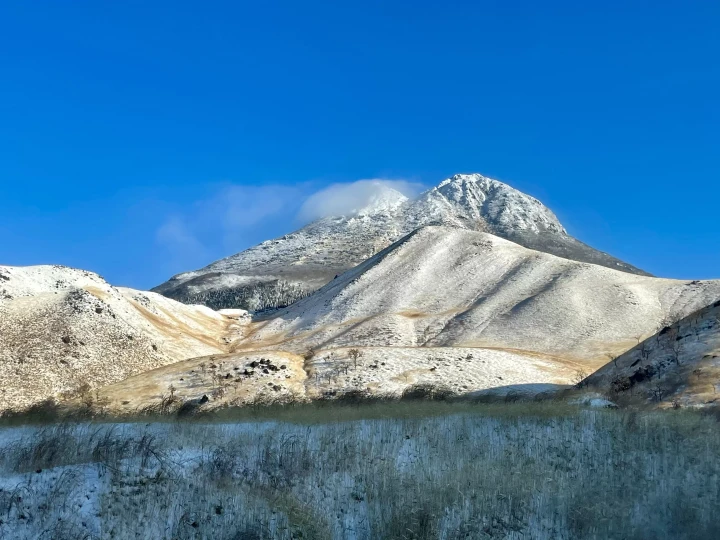
Oita Prefecture, celebrated nationwide for its rejuvenating hot spring resorts—most notably Yufuin and Beppu—and dramatic scenic routes like the Yamanami Highway and the Kuju Mountain Range, serves as a premier destination for domestic and international travelers alike. However, beneath the region’s picturesque exterior lies a complex and demanding driving environment.
As autumn yields to the harsh freezing temperatures of winter, the mountainous topography of central Kyushu transforms. For urban motorists and international visitors unaccustomed to rural Japanese infrastructure, navigating these high-altitude corridors presents distinct, high-stakes hazards. From sudden, dense mountain mists and black ice to unpredictable wildlife crossings and uncurbed roadside drainage ditches, the region demands absolute vigilance.
This comprehensive investigative guide explores the critical safety protocols required for motoring through Oita’s alpine passes during the colder months. Designed specifically to safeguard city drivers and foreign tourists utilizing rental vehicles, this report details essential mechanical preparations, localized weather countermeasures, and defensive driving strategies necessary to prevent catastrophic accidents on winding rural roads.
Detailed Chronology & Seasonal Hazards
The transition from October through March introduces a rapid escalation of environmental challenges across Oita’s elevated terrain. Understanding how these hazards manifest chronologically across the autumn-winter continuum is vital for preventing vehicular immobilization and structural collisions.
Phase I: The Autumn Transition (October – November)
As the autumn foliage peaks along the Yamanami Highway and Yufuin basin, two primary hazards emerge: early darkness and concealed infrastructure.
- Accelerated Nightfall: In mountainous regions, direct sunlight recedes far earlier than in coastal or urban basins. Between late October and February, absolute darkness descends between 4:30 PM and 5:00 PM. Mountain roads lack the ubiquitous street lighting and commercial neon illumination standard in cities like Tokyo or Fukuoka. Navigating these unlit, winding corridors post-sunset without prior experience vastly increases spatial disorientation and collision risks.
- Leaf-Obscured Drainage Ditches: Traditional rural roads frequently feature open, uncurbed drainage gutters carved directly into the asphalt edge. During autumn, falling leaves blanket these gutters, effectively camouflaging deep hazards. Drivers attempting to yield to oncoming traffic often pull too far to the left, resulting in tires slipping off the paved surface and plunging into the ditch—rendering the vehicle entirely immobile.
Phase II: The Winter Deep Freeze (December – March)
As temperatures plummet below freezing, alpine Oita enters its severe winter regime, bringing severe traction challenges.
- Localized Black Ice: Even in the absence of active snowfall, moisture seeping from mountain rock faces accumulates in shaded roadway depressions. This moisture rapidly freezes into black ice. Traditional rubber compound tires lose all adhesion under these conditions, rendering braking systems dangerously ineffective.
- Dense Mountain Fogs ("Gas"): Precipitation and rapid temperature fluctuations generate dense, low-altitude mists that can reduce forward visibility to mere meters. Drivers can easily lose sight of centerlines and lane boundaries, escalating the risk of catastrophic head-on and rear-end collisions.
Supporting Context & Metrics: Roadway Realities and Rental Risk Factors
To fully comprehend the gravity of driving in Oita’s highlands, one must examine the intersection of foreign motorist statistics, geographical vulnerabilities, and vehicle dynamics.
The Rental Car Vulnerability Index
International tourism in Kyushu has rebounded aggressively, with a significant percentage of visitors opting for self-drive itineraries via rental agencies in Fukuoka, Beppu, or Oita Airport. However, structural differences in driving culture create acute risks:
- Lane Discipline: Japan operates strictly on the left side of the road. Multi-lane highways designate the right lane exclusively for passing. Unfamiliar tourists frequently linger in passing lanes, provoking aggressive maneuvers from local drivers or causing driver anxiety.
- Vehicle Width Perception: Rental fleets frequently consist of compact cars or compact SUVs. Drivers unaccustomed to right-hand-drive configurations or narrower Japanese lanes routinely misjudge their vehicle’s left-side boundary, leading directly to the aforementioned drainage-ditch incidents.
- Recovery Delays: When a vehicle becomes stranded on a narrow mountain pass, towing services can take several hours to navigate winding secondary roads to the scene. This not only strands the travelers in areas with notoriously weak cellular reception but also blocks vital emergency and local traffic arteries.
Yamanami Highway Dynamics
The Yamanami Highway—spanning the distance from Yufuin to Aso—features long, undulating stretches that invite motorists to admire the sweeping vistas of the Kuju range. Because traffic lights are scarce, vehicles frequently travel at high velocities. When motorists suddenly brake or swerve onto the road shoulder to photograph scenery without utilizing turn signals well in advance, trailing vehicles traveling at highway speeds are left with insufficient reaction time, precipitating violent rear-end collisions.
Wildlife Encounters: The Yufuin-Beppu Corridor
The mountainous connective pass between Beppu and Yufuin is a known hotspot for wild deer populations. Active primarily from dusk through dawn, these animals frequently graze along road shoulders. A collision with a medium-to-large Japanese deer can structurally compromise a vehicle’s engine bay, shatter the radiator, and disable the car entirely.
Official Guidelines & Expert Countermeasures
To mitigate the myriad risks associated with Oita’s winter mountain roads, regional authorities, traffic safety associations, and rental car providers enforce a strict set of operational protocols.
1. Mandatory Winter Tire Implementation
Between December and March, vehicles traversing the high-elevation zones of Yufuin, Kuju, and surrounding passes must be equipped with winter tires (studded or friction snow tires).
- Regulatory Enforcement: Under severe weather conditions, highway authorities enforce "Winter Tire Regulations." Vehicles lacking proper equipment are legally barred from entering specific mountain sections.
- Rental Specification: Motorists must explicitly request winter tires when booking a rental vehicle for travel during these months. Assuming standard summer tires will suffice is a dangerous gamble.
2. Defensive Fog Protocol
When enveloped by dense mountain mists:
- Reduce speed immediately and increase the following distance threefold.
- Activate both headlights and rear fog lamps to maximize vehicle silhouette visibility.
- The Pull-Over Mandate: If visibility drops to an unsafe degree or psychological anxiety mounts, do not force forward progress. Safely signal and pull into an authorized rest area, scenic pull-off, or wide parking bay. Wait patiently for atmospheric conditions to stabilize.
3. Wildlife Mitigation and Road Edge Awareness
- Maintain a strict spatial buffer from the left edge of rural roads to avoid concealed ditches.
- Upon spotting wildlife (such as deer) on the shoulder, immediately decelerate without swerving abruptly into oncoming traffic. Do not sound the horn aggressively, as this may startle the animal into erratic movements.
4. Managing Pressure and Fatigue
Mountain driving requires intense cognitive processing. Drivers experiencing pressure from faster-moving local traffic behind them must never panic or accelerate beyond their comfort level. Instead, utilize the first available wide shoulder or scenic viewpoint to pull over, let the trailing vehicles pass, and take a physical break to reset cognitive focus.
Pre-Departure Safety Checklist
Before turning the ignition key for an autumn or winter excursion into Oita’s highlands, verify completion of the following preparatory steps:
- [ ] Weather Intelligence Check: Review localized forecasts covering mountain elevations for rain, fog, and snowfall alerts.
- [ ] Tire Verification: Confirm that winter/studded tires are physically mounted and inflated to correct pressures (mandatory Dec–Mar).
- [ ] Itinerary Buffer Analysis: Calculate sunset times (accounting for 4:30 PM dark-falls) and structure travel to complete all mountain transits by early afternoon.
- [ ] Lighting Inspection: Test all headlights, high beams, and fog lamps for optimal operational status.
- [ ] Control Familiarization: Locate and test hazard light switches, windshield wipers, and turn signal stalks (noting their right-side configuration on Japanese domestic market vehicles).
- [ ] Emergency Contact Storing: Program critical local assistance numbers into your mobile device:
- Police (Emergency): 110
- Fire / Ambulance: 119
- Roadside Assistance / JAF (Japan Automobile Federation): Retain rental agency emergency dispatch numbers.
Future Outlook: Infrastructure and Smart Tourism Integration
As Oita Prefecture continues to draw record numbers of international tourists year-round, local municipal governments and tourism bureaus are ramping up infrastructure modernization efforts.
Future initiatives slated for rollout across the Yamanami Highway and Yufuin access routes include the installation of high-visibility LED reflective studs along uncurbed drainage ditches, dynamic electronic messaging boards broadcasting real-time black-ice and fog warnings in multiple languages, and an expansion of designated wide-pullout rest bays. Furthermore, rental car agencies are increasingly implementing mandatory digital safety briefing modules for foreign clients prior to vehicle handover.
By combining upgraded physical infrastructure with proactive driver education, Oita aims to preserve the accessibility of its breathtaking natural landscapes while ensuring that every visitor’s journey through its misty, volcanic highlands remains safe, memorable, and secure.






Belum ada komentar. Jadilah yang pertama berkomentar!