

Executive Overview
In the realm of industrial tourism, factory tours in Japan have long established a reputation for offering immersive, transparent, and often delicious glimpses into the nation’s manufacturing prowess. Travelers frequently seek out confectioneries, breweries, and textile mills to witness the genesis of everyday consumer goods, concluding their visits with samples of the wares produced on-site. However, a singular, unconventional establishment in Fukui Prefecture is redefining the traditional factory excursion by swapping out taste-testing for a uniquely visceral experience: shattering heavy, industrial-grade ceramics with bare fists.
Situated in the historic city of Echizen, Echizen Seramika specializes not in delicate, decorative pottery, but in the production of kawara—heavy-duty, traditional Japanese earthenware roof tiles. These architectural components are essential for withstanding the brutal regional climate, characterized by punishing winter snowpacks and relentless year-round humidity. As the ancient craft faces severe economic headwinds, leading to a dwindling number of active producers, Echizen Seramika has opened its doors to the public. The resulting factory tour offers a rare, dual-faceted attraction: an authoritative look into the endangered heritage of regional craftsmanship, paired with a cathartic, martial-arts-style tile-smashing experience that tests the visitor’s physical resolve against uncompromising industrial resilience.
![Visiting Fukui can teach travelers how to make, and smash, Japanese kawara tiles [Photos]](https://soranews24.com/wp-content/uploads/sites/3/2026/09/x-gif-3-810024490-17.jpg?w=1000&h=525&crop=1)
Detailed Chronology: The Making of an Echizen Kawara
A visit to Echizen Seramika—available strictly by prior reservation—transcends the typical walkthrough. It is a carefully curated educational narrative that traces the journey of raw, unyielding earth from a massive outdoor deposit all the way to its final, weather-sealed deployment on traditional Japanese rooftops.
Phase I: Introduction and Raw Material Procurement
The tour commences with an introductory multimedia presentation, orienting visitors to the foundational production processes and the regional historical significance of kawara. Following this briefing, guests are led directly onto the operational floor of the facility.
![Visiting Fukui can teach travelers how to make, and smash, Japanese kawara tiles [Photos]](https://soranews24.com/wp-content/uploads/sites/3/2026/09/x-gif-3-810024490-1.gif?w=320)
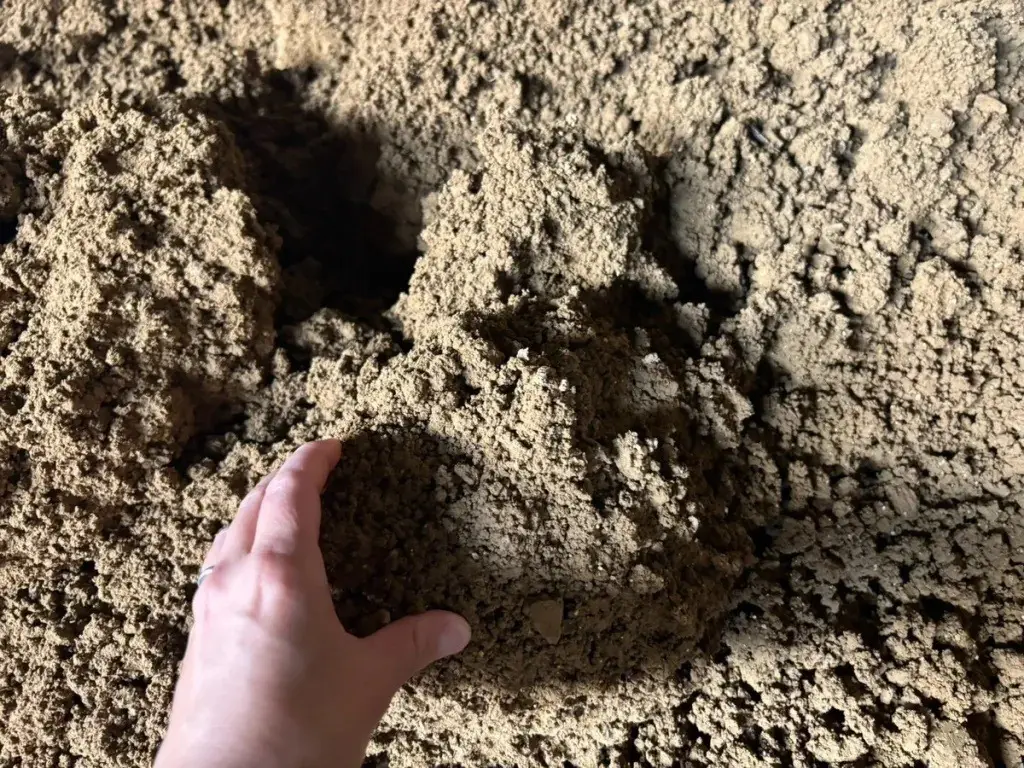
The initial stop on the physical tour is the factory’s colossal clay pile. Upon scooping a handful of the subtly moist earth, visitors quickly realize that raw, unprocessed regional clay possesses an earthy, malleable tactility, clumping naturally into a dense ball within the palm. Yet, as factory experts explain, untreated earth is wholly inadequate for structural ceramics. Raw clay often contains naturally occurring detritus, including large pebbles, organic matter, and foreign debris. If left unaddressed, these impurities disrupt the uniform consistency of the molded material, creating internal structural weaknesses that would inevitably cause catastrophic failure under the weight of heavy snow or seismic activity.
Consequently, the production staff meticulously combs and purifies the clay, ensuring that every batch achieves a homogenous texture capable of enduring extreme environmental stress.
![Visiting Fukui can teach travelers how to make, and smash, Japanese kawara tiles [Photos]](https://soranews24.com/wp-content/uploads/sites/3/2026/09/x-gif-3-810024490-2.gif?w=320)
Phase II: Molding, Drying, and Glazing
Once the clay has been refined, purified, and kneaded to perfection, it is fed into specialized heavy-duty machinery. The clay is pressed into intricate molds, shaping it into the distinct, sweeping contours characteristic of traditional Japanese architectural tiles.
Following the pressing stage, the newly formed clay units are set aside in a controlled environment to undergo a critical drying phase. Moisture must be steadily and uniformly evacuated from the clay body to prevent warping or cracking prior to firing. Once thoroughly dried, a specialized, weather-resistant glaze is meticulously applied to the surface, providing a protective barrier against moisture infiltration and frost damage.
![Visiting Fukui can teach travelers how to make, and smash, Japanese kawara tiles [Photos]](https://soranews24.com/wp-content/uploads/sites/3/2026/09/x-gif-3-810024490-3.jpg?w=640)
Phase III: The Fiery Crucible of the 61-Meter Kiln
The culmination of the manufacturing process takes place in the factory’s astonishing primary heating apparatus. While visitors familiar with small-scale pottery classes might envision standard, oven-sized studio kilns, Echizen Seramika operates on an entirely different industrial scale.
The facility houses a massive, tunnel-shaped kiln measuring an imposing 61 meters (200 feet) in length. Within this industrial titan, glazed tiles are subjected to punishing temperatures soaring to 1,200 degrees Celsius (2,192 degrees Fahrenheit). The tiles endure this thermal crucible for a continuous 24-hour cycle.
![Visiting Fukui can teach travelers how to make, and smash, Japanese kawara tiles [Photos]](https://soranews24.com/wp-content/uploads/sites/3/2026/09/x-gif-3-810024490-4.jpg?w=640)
Operating a kiln of this magnitude is an intricate logistical undertaking. Due to the immense energy requirements and thermodynamic stabilization periods needed to bring a 61-meter tunnel to 1,200 degrees Celsius, continuous daily firing is unfeasible. Instead, Echizen Seramika strategically schedules one or two massive firing batches per month. Consequently, visitors are advised that while they may not always witness the active blazing interior of the kiln during their specific tour window, the sheer scale of the dormant tunnel infrastructure remains an awe-inspiring testament to heavy industrial production.
Supporting Context & Metrics: Heritage, Environment, and Rigor
To fully appreciate the gravity—both literal and figurative—of an Echizen Seramika tour, one must examine the socio-economic and geographical landscape that forged this manufacturing tradition.
![Visiting Fukui can teach travelers how to make, and smash, Japanese kawara tiles [Photos]](https://soranews24.com/wp-content/uploads/sites/3/2026/09/x-gif-3-810024490-5.jpg?w=640)
The Geography of Resilience: Fukui’s Climate Demands
Fukui Prefecture is geographically renowned—and occasionally beleaguered—by its severe meteorological conditions. Winters along the Hokuriku region bring legendary snowfalls, often accumulating meters of heavy, wet powder that exerts crushing downward pressure on residential and commercial structures. Simultaneously, the region experiences persistently high humidity throughout the spring, summer, and autumn months.
These twin environmental pressures historically dictated the architectural vernacular of the region. Homes required roofing materials that were not only waterproof and frost-resistant but possessed immense compressive strength. Echizen kawara emerged over centuries as the definitive solution, engineered specifically to repel moisture and bear extraordinary structural loads without fracturing.
![Visiting Fukui can teach travelers how to make, and smash, Japanese kawara tiles [Photos]](https://soranews24.com/wp-content/uploads/sites/3/2026/09/x-gif-3-810024490-6.jpg?w=640)
An Endangered Regional Craft
The manufacture of Echizen roof tiles is not merely a commercial enterprise; it is a vital pillar of regional cultural heritage. Generations of local artisans dedicated their lives to mastering the balance of clay composition, glazing chemistry, and kiln management.
However, modern construction trends, shifts in architectural preferences, and the broader economic decline of traditional manufacturing sectors in rural Japan have devastated the industry. At its historical peak, dozens of independent producers thrived across the Echizen area, churning out tiles for temples, traditional residences, and civic buildings. Today, that once-bustling ecosystem has contracted drastically. Echizen Seramika stands as one of only two manufacturers remaining dedicated to preserving and perpetuating the authentic craft of Echizen kawara. A visit to their facility is, therefore, an act of cultural witness, supporting the last guardians of an endangered trade.
![Visiting Fukui can teach travelers how to make, and smash, Japanese kawara tiles [Photos]](https://soranews24.com/wp-content/uploads/sites/3/2026/09/x-gif-3-810024490-7.jpg?w=640)
The Physics of Factory Seconds and Quality Control
Visitors who progress to the tour’s interactive finale are often struck by a paradoxical realization: the sheer abundance of tiles available for visitors to shatter implies a high rate of defective manufacturing. However, company representatives are quick to clarify that this surplus is a direct reflection of Echizen Seramika’s exceptionally uncompromising quality control standards.
Tiles that fail to meet the rigorous structural tolerances required for actual building construction—even those with microscopic aesthetic imperfections or minute internal stresses—are immediately relegated to the status of "factory seconds." Yet, these rejected units retain an astonishing degree of residual durability. In fact, these factory seconds are structurally so dense and robust that even seasoned martial artists find them virtually impossible to break with an unassisted blow.
![Visiting Fukui can teach travelers how to make, and smash, Japanese kawara tiles [Photos]](https://soranews24.com/wp-content/uploads/sites/3/2026/09/x-gif-3-810024490-8.jpg?w=640)
To ensure that tour participants can successfully channel their inner karate master without suffering severe hand trauma, the factory employs a diamond cutter to introduce a strategic, partial micro-crack into the center of each secondary tile prior to the activity.
Official Statements & Field Testing: A Reporter’s Trial by Fist
To evaluate the practical mechanics and entertainment value of the tile-smashing experience, Japanese-language reporter Natsuno Futon undertook the tour, opting for the comprehensive five-tile course.
![Visiting Fukui can teach travelers how to make, and smash, Japanese kawara tiles [Photos]](https://soranews24.com/wp-content/uploads/sites/3/2026/09/x-gif-3-810024490-9.jpg?w=640)
The Methodology of the Smash
Participants are given the option to attempt breaking their allotted tiles simultaneously or in staggered increments. Consulting closely with the facility’s expert tour guides, Futon chose a progressive approach: initiating her trial with a pair of tiles, culminating in a three-tile finale.
Initial attempts quickly proved that industrial-grade earthenware tolerates hesitation poorly. Striking downward with flat knuckles yielded zero structural fractures, underscoring the formidable integrity of the material even after diamond-scoring. Recognizing the impasse, the veteran tour guide stepped in with professional technique refinement:
![Visiting Fukui can teach travelers how to make, and smash, Japanese kawara tiles [Photos]](https://soranews24.com/wp-content/uploads/sites/3/2026/09/x-gif-3-810024490-10.jpg?w=640)
- The Stance & Posture: Rather than attempting a standard, downward martial-arts punch, the guide instructed Futon to maintain a loose fist with the thumb positioned upward.
- The Execution: Participants are directed to deliver an overhead swinging motion, harnessing gravity and rotational momentum to concentrate force squarely on the pre-scored center.
Upon executing this adjusted technique, the results were instantaneous. The stubborn tiles yielded with a satisfying, resonant crack, splitting cleanly under the focused kinetic impact. Emboldened by this initial success, Futon advanced to the final three-tile stack. Applying the newly mastered overhead striking mechanics, she effortlessly cleaved the entire stack in one decisive motion, translating industrial frustration into pure, cathartic recreation.
Future Outlook: Industrial Tourism and Cultural Preservation
As rural manufacturing sectors across Japan grapple with generational succession crises and economic modernization, facilities like Echizen Seramika are pioneering innovative pathways to survival. By integrating industrial tourism with interactive, experiential attractions, the company bridges the gap between cold manufacturing and public engagement.
![Visiting Fukui can teach travelers how to make, and smash, Japanese kawara tiles [Photos]](https://soranews24.com/wp-content/uploads/sites/3/2026/09/x-gif-3-810024490-11.jpg?w=640)
Economic Viability Through Tourism
The financial framework of the Echizen Seramika tour is designed to be accessible while generating secondary revenue streams. While the guided factory walkthrough itself is offered completely free of charge (subject to mandatory prior reservation), participants pay a modest fee of 500 yen (approx. $3.15 USD) per tile designated for the smashing activity.
For visitors seeking a more traditional, creative engagement rather than a destructive catharsis, the facility also offers an alternative package: a miniature tile-making workshop bundled with the standard factory tour for 3,000 yen. Reservations for both the smashing course and the crafting workshop can be seamlessly booked via major Japanese travel platforms, including Jalan.
![Visiting Fukui can teach travelers how to make, and smash, Japanese kawara tiles [Photos]](https://soranews24.com/wp-content/uploads/sites/3/2026/09/x-gif-3-810024490-12.jpg?w=640)
Preserving Regional Identity for Tomorrow
Looking forward, Echizen Seramika’s dual strategy of education and experiential entertainment serves as a blueprint for endangered craft preservation. By inviting domestic travelers and international tourists directly onto the production floor, the company demystifies heavy industry, fosters a deep appreciation for regional climate-adaptive engineering, and ensures that the legacy of Echizen kawara endures.
Whether visitors arrive to marvel at a 61-meter tunnel kiln operating at 1,200 degrees Celsius or to test their mettle against diamond-scored factory seconds, Echizen Seramika has successfully transformed an industrial necessity into an unforgettable cultural landmark.
Factory Information & Visitor Details
- Facility Name: Echizen Seramika (越前セラミカ)
- Address: 5-12 Ikenokamicho, Echizen-shi, Fukui-ken 915-0824 (福井県越前市池ノ上町5-12)
- Official Website: e-seramika.com
- Booking Platform: Reservations can be arranged via Jalan Travel.





Belum ada komentar. Jadilah yang pertama berkomentar!