

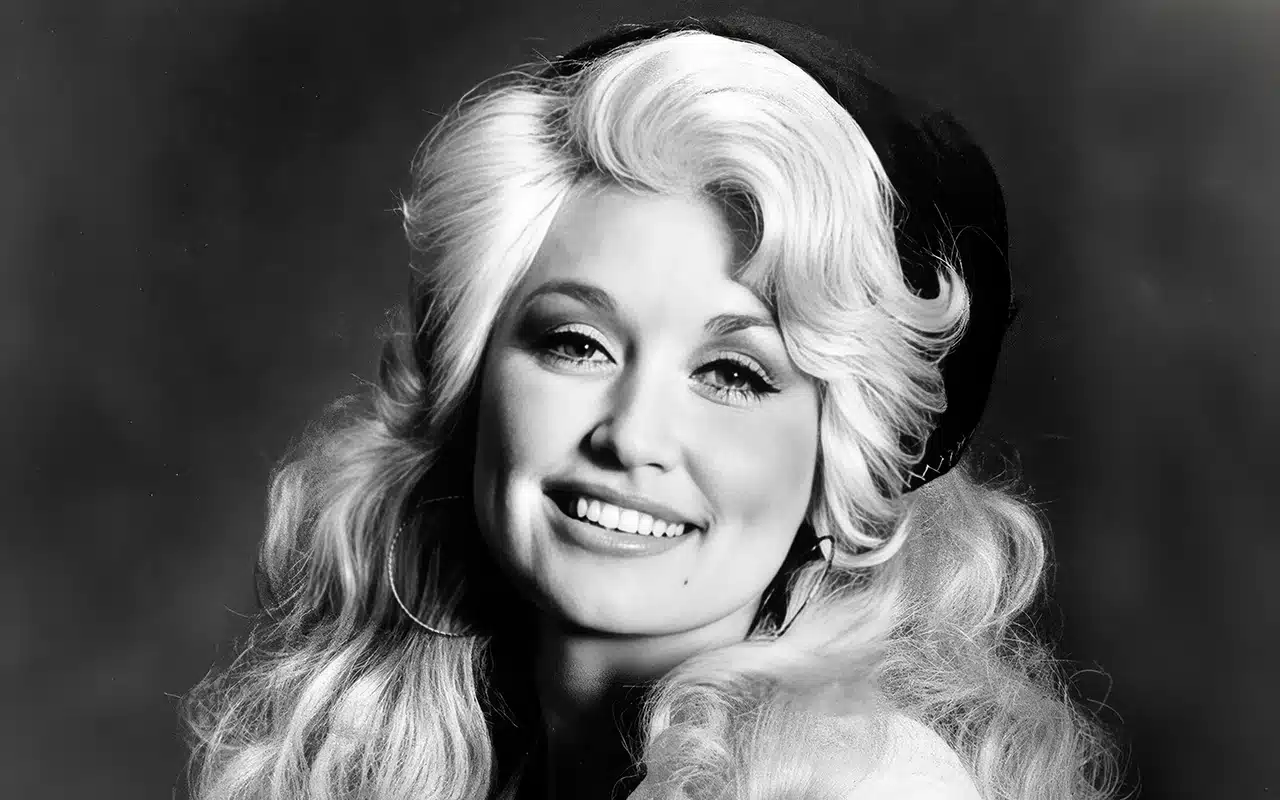
Executive Overview
Few figures in modern entertainment have achieved the cultural ubiquity, cross-demographic adoration, and artistic longevity of Dolly Parton. As cultural commentators, peers, and fans grapple with the profound loss following her passing, the retrospective examination of her career reveals a multi-layered titan who was far more than a purveyor of country radio hits. As Jane Fonda famously observed, "She can see into people. She’s deep. It’s like through her songs, she opens her arms wide and embraces such a broad swath of people that don’t always feel seen."
While her public image was frequently defined by high-camp aesthetics, towering wigs, rhinestone-encrusted outfits, and self-deprecating humor about her appearance, Parton was the master architect of her own multi-colored empire. She was a brilliant songwriter, a shrewd businesswoman, a tireless philanthropist, and a cultural anthropologist who understood the power of visual iconography decades before the social media age. Her artistry lived at the intersection of populist entertainment and profound, unyielding empathy. She weaponized her campy persona not to obscure her depth, but to invite audiences in, proving that true pop brilliance requires both absolute sincerity and calculating self-awareness.
Detailed Chronology: From Appalachian Poverty to Global Superstardom
1. The Mountain Roots and Early Nashville Success (1946–1970s)
Born into Dickensian poverty as one of twelve children in rural Sevier County, Tennessee, Parton’s early life provided the raw material for a self-mythology that would fuel her entire career. The hardships of her Appalachian upbringing were not merely biographical footnotes; they were the wellspring of her deep-rooted empathy for the marginalized.
Moving to Nashville immediately after graduating high school in 1964, Parton initially found success as a songwriter before joining forces with country icon Porter Wagoner on his syndicated television variety show in 1967. Her tenure on Wagoner’s show proved that she was not just an accomplished musician, but a natural comedienne and charismatic television presence. However, Parton quickly realized that her ambitions extended beyond the traditional boundaries of the country music establishment.
2. The Crossover Era and Hollywood Expansion (1970s–1980s)
By the late 1970s, Parton set her sights on pop crossover success and Hollywood stardom. This transition was met with skepticism from traditionalists who accused her of "selling out." In a definitive 1976 New York Times interview, Parton countered her critics with characteristic clarity: "I don’t want to leave the country, but to take the country with me wherever I go."
Her ambitions culminated in a series of landmark cultural moments, most notably starring alongside Jane Fonda and Lily Tomlin in the 1980 workplace satire 9 to 5. The film, which championed the underdog and skewered corporate misogyny, aligned perfectly with Parton’s performance ethos. She followed this with major silver-screen roles in The Best Little Whorehouse in Texas (1982) and Steel Magnolias (1989). In each film, Parton did not rely on classical dramatic transformation; rather, she deployed her formidable screen presence, playing variations of her own persona—big-hearted, witty, and resilient.
3. The Roots Renaissance and Bluegrass Triology (1998–2003)
By the mid-1990s, the gleaming rhinestone persona threatened to overshadow her musical output, and country radio was becoming increasingly hostile to legacy artists. Rather than chasing fleeting pop trends, Parton engineered a brilliant, organic pivot back to her roots.
The release of 1998’s Hungry Again sparked a late-career renaissance, paving the way for her transcendent bluegrass trilogy: The Grass Is Blue (1999), Little Sparrow (2001), and Halos & Horns (2002). Liberated from the pressure of chasing commercial chart hits, Parton famously remarked during an NPR interview: "You can’t make much money [making bluegrass music], so I had to get out in the world and kinda make a living so I could afford. I had to get rich so I could afford to sing like I’m poor again."
Supporting Context & Metrics: The Dual Anatomy of Parton’s Artistry
The Armor of Camp and Self-Awareness
Throughout her career, critics routinely underestimated Parton based on her aesthetic choices. Early interviews, such as a famously condescending 1970s exchange with Barbara Walters—who dismissed her as a "hillbilly"—highlighted a pervasive cultural bias against women who embraced overt femininity and hyper-sexualized camp.

Parton’s genius lay in her complete awareness of this dynamic. As she frequently noted, her exaggerated look was a deliberate Trojan horse: "I just decided that I would do something that would at least get the attention. Once they got past the shock of the ridiculous way I look, then they would see there were parts to be appreciated… Show business is a money-making joke, and I always like telling jokes."
In songs like "Backwoods Barbie," she explicitly warned listeners not to misinterpret her cover:
"Don’t judge me by the cover ’cause I’m a real good book / Don’t be fooled by thinkin’ that the goods are not all there / Don’t let these false eyelashes lead you to believe that / I’m as shallow as I look ’cause I run true and deep."
Darkness, Empathy, and the Human Condition
Beneath the glittering surface and bubbly ebullience, Parton’s catalog contains moments of stark, unyielding tragedy. Her songwriting persistently excavated pain, capturing the scalloped edge of lace where beauty meets despair:
- "Down from Dover": A haunting acoustic narrative of a pregnant teenager abandoned by her partner, culminating in a stillborn child.
- "Little Sparrow": A masterclass in poetic warning that addresses the crushing cruelty of romantic betrayal: "All ye maidens, heed my warning / Never trust the hearts of men / They will crush you like a sparrow / Leaving you to never mend."
- "Hello God": A raw, questioning spiritual reckoning written in the immediate aftermath of the September 11 terrorist attacks.
- "Travelin’ Thru": Written for the film Transamerica, this track gave voice to a transgender individual navigating identity and acceptance, proving that her advocacy for the LGBTQIA+ community was deeply woven into her creative fabric.
Philanthropic Metrics and Economic Impact
Parton’s artistic output was matched by an extraordinary commitment to civic duty and community investment. Key pillars of her philanthropic legacy include:
- The Imagination Library: Founded in 1995, this initiative has gifted over 200 million free books to children worldwide, fundamentally transforming early childhood literacy metrics across the United States, Canada, the UK, Australia, and Ireland.
- Appalachian Investment: Through the Dollywood Foundation, she poured millions into economically blighted regions of East Tennessee, providing employment, educational scholarships, and disaster relief funds (such as the My People Fund following the 2016 Gatlinburg wildfires).
- Scientific Research: In 2020, Parton donated $1 million to Vanderbilt University Medical Center, directly funding the early-stage research that helped develop the Moderna COVID-19 vaccine.
Official Statements and Industry Tributes
The global outpouring following Parton’s passing reflected her status as a secular saint of modern culture. Colleagues, artists, and cultural icons rushed to honor her monumental impact:
- Jane Fonda: Emphasized Parton’s profound psychological depth and inclusive vision, noting that she gave voice to those who "don’t always feel seen."
- Pop and Country Successors: Contemporary icons ranging from Lady Gaga and Katy Perry to Kacey Musgraves, P!nk, and Reba McEntire have repeatedly cited Parton as their foundational blueprint. They inherited her core thesis: that steely, unyielding strength and aching vulnerability are not mutually exclusive, but rather mutually reinforcing.
- Literary and Art Critics: Scholars frequently compare Parton’s mastery of mass media and pop iconography to Andy Warhol. However, unlike Warhol’s detached observation, Parton maintained absolute authorial control over her cartoon-colored empire, serving as both its subject and its master architect.
Future Outlook: The Indelible Blueprint of a Cultural Icon
As the cultural landscape moves further into the 21st century, Dolly Parton’s blueprint remains foundational to modern entertainment. She obliterated the artificial barrier between "high art" and "low camp," proving that populist accessibility does not preclude artistic genius.
Future generations of singer-songwriters, particularly women in country and pop genres, will continue to study her playbook. They will learn how to navigate corporate machinations without sacrificing creative integrity, how to weaponize humor against institutional condescension, and—most importantly—how to weaponize radical, uncompromising empathy.
Dolly Parton’s physical presence may have left the stage, but the library of her work—rich, deep, glittering, and true—remains open to every soul searching for a place to fit in. As she famously sang, her music runs true and deep, ensuring that her legacy will endure as long as humans seek comfort in song.




Belum ada komentar. Jadilah yang pertama berkomentar!