

Executive Overview
In the high-stakes theater of modern video game development, the cadence of announcements has traditionally served as a barometer for consumer anticipation. For decades, the industry standard dictated that a studio would unveil its tentpole projects years in advance, slowly dripping cinematic teasers and developer diaries to build a roaring crescendo of hype. However, the recent disclosures at BlizzCon have fundamentally upended this playbook. Blizzard Entertainment delivered a double-feature of announcements that left the gaming community oscillating between profound shock and cynical fatigue: the return of StarCraft as an open-world shooter slated for a distant 2030 release, alongside the surprisingly rapid confirmation of Diablo 5 earmarked for 2029.
To the average consumer, these timelines read as an exercise in cognitive dissonance. Announcing a blockbuster project half a decade before its tentative launch date feels like an anachronism—a relic of an era before development hell, scope creep, and industry-wide restructuring became the norm. Yet, beneath the surface of fan discourse and social media hand-wringing lies a more complex corporate narrative.
Blizzard President Johanna Faries has defended these sprawling horizons, framing them as a calculated display of institutional confidence under the watchful eye of parent company Microsoft. But as the studio navigates a volatile labor landscape—marked by the looming specter of further workforce reductions—these aggressive multi-year roadmaps function as more than just creative declarations. They are strategic deployments of corporate capital, designed to project stability, secure institutional buy-in, and galvanize a workforce standing on shifting sands.
Detailed Chronology: The BlizzCon Revelations and Consumer Reception
The atmosphere inside the convention hall during the opening keynote was electric, charged with the palpable history of two of PC gaming’s most storied franchises. That electricity, however, was short-lived, immediately giving way to a volatile mix of bewilderment and backlash.
The sequence of events unfolded as follows:
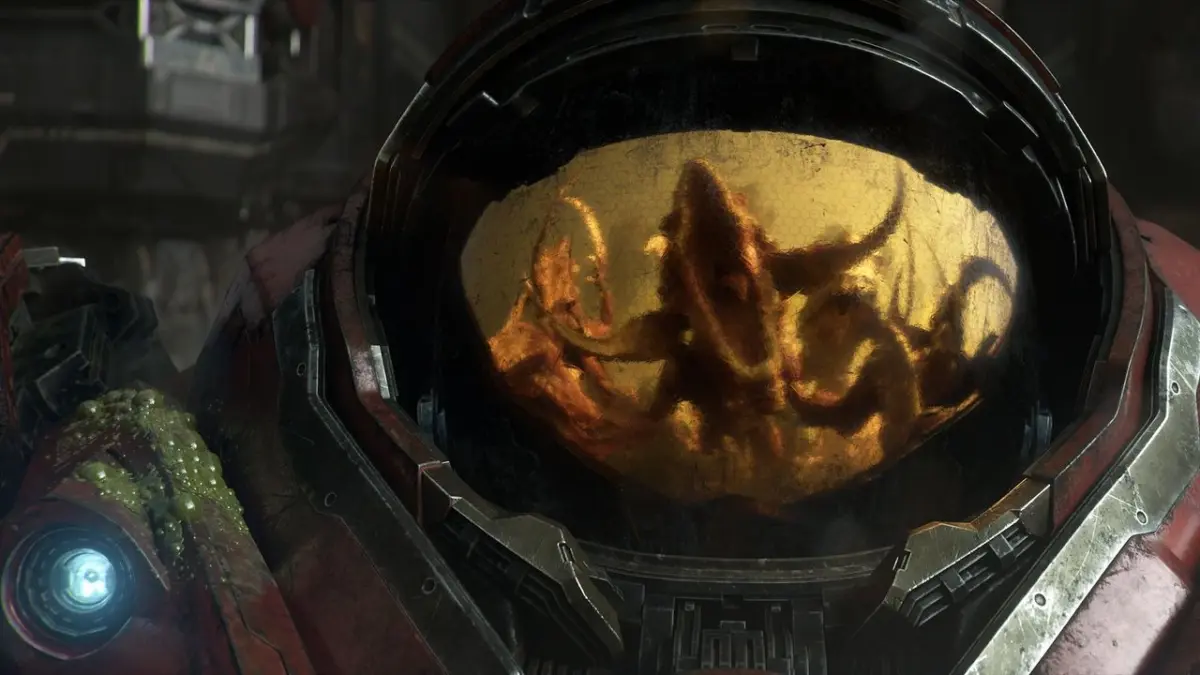
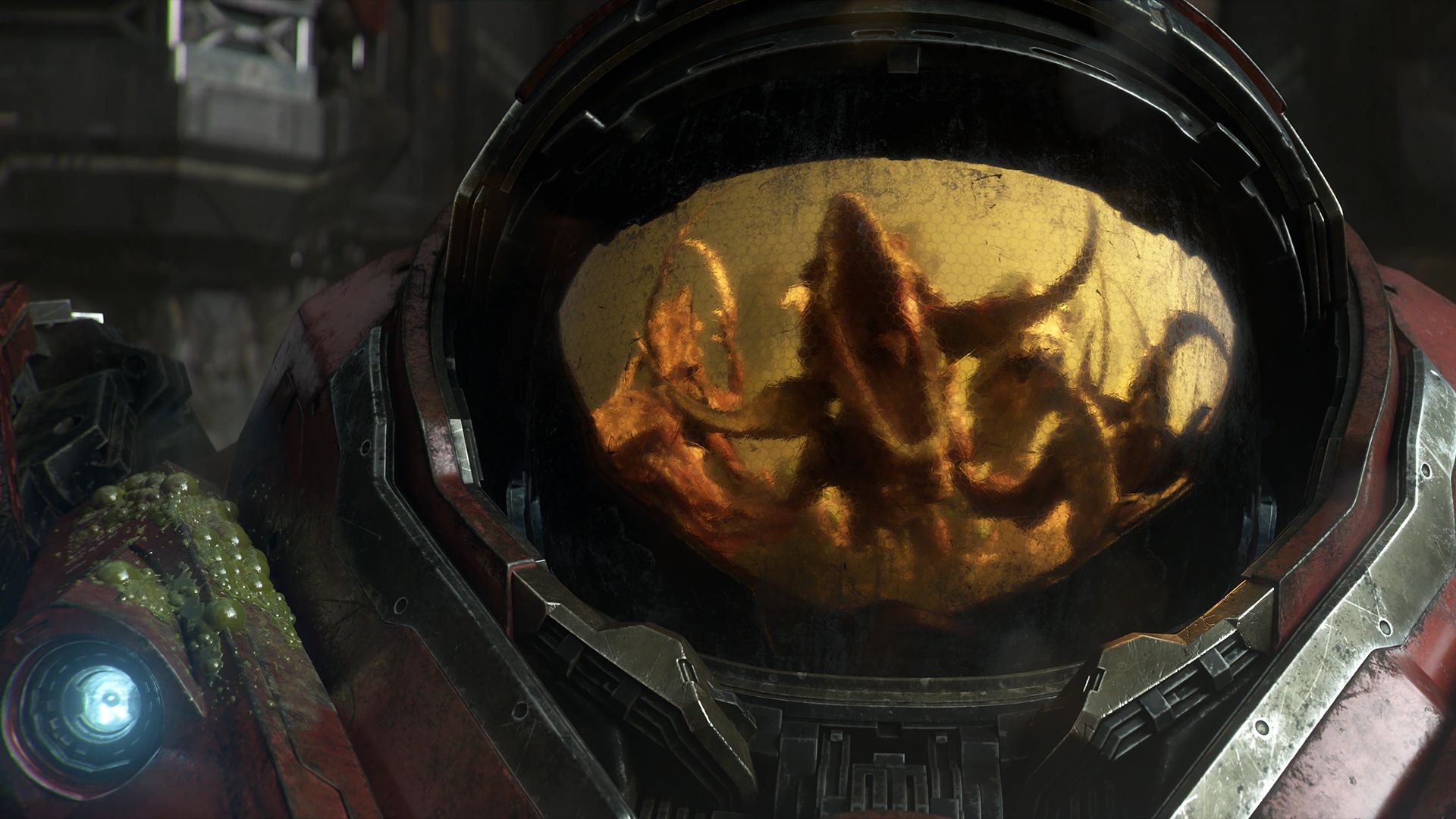
- The StarCraft Teaser: The presentation opened with a sweeping, high-fidelity cinematic that instantly sent shockwaves of nostalgia through the audience. Veterans of the Koprulu Sector leaned forward, anticipating a return to the real-time strategy (RTS) roots that defined a genre.
- The Twist and the Backlash: The excitement evaporated the moment the screen cut to black, revealing a stark, unyielding title card: STARCRAFT RETURNS — 2030. Adding insult to injury for purists, subsequent details confirmed that the legendary franchise would not be returning to its RTS origins, but would instead be reimagined as an open-world shooter. The reaction across community forums and social media platforms was swift and uniform; initial euphoria curdled into exasperation at a four-to-six-year wait for a genre-swapped spin-off.
- The Diablo 5 Acceleration: Compounding the temporal shock was the surprise announcement of Diablo 5, targeting a 2029 release window. While the gap between Diablo 3 and Diablo 4 spanned an agonizing 11 years, the turnaround between Diablo 4 and its successor is currently charted at a mere six years. This compressed development cycle raised immediate red flags among industry analysts who questioned the structural feasibility of maintaining quality control at such a breakneck pace.
The public reaction exposes a growing fatigue with the "early-access announcement" culture. When a studio asks consumers to invest emotional capital in a product that is half a decade away from reality, the psychological contract between developer and player frays. Modern gamers, conditioned by decades of perpetual delays, vaporware, and corporate pivots, view dates attached to half-decade-distant trailers with an asterisk of skepticism. They understand that a 2030 release date does not mean a game is arriving; it means the marketing cycle has begun prematurely.
Supporting Context & Metrics: Navigating the Shadows of Microsoft’s Restructuring
To view these announcements purely through the lens of creative ambition would be to miss the broader economic and industrial ecosystem in which Blizzard currently operates. The timing of these long-horizon reveals cannot be divorced from the grim realities of the broader tech and gaming sectors, specifically the cascading layoffs orchestrated by Microsoft following its acquisition of Activision Blizzard.
While Blizzard has managed to momentarily evade the harshest cuts of the recent "grim reset" scythe that swept through Xbox divisions, the reprieve is widely understood to be temporary. Industry insiders and labor monitors have pointed toward subsequent waves of restructuring slated for the coming years, creating an atmosphere of institutional anxiety among developers.
In this light, the decision to broadcast a slate of massive, multi-year projects serves several critical internal functions:
- Signaling Corporate Vitality: By committing publicly to sweeping titles like a new StarCraft epic and Diablo 5, Blizzard communicates to Microsoft leadership that the studio remains a premier, forward-looking asset capable of driving massive ecosystem engagement and subscription metrics for years to come.
- Talent Acquisition and Retention: In an industry plagued by perpetual uncertainty, ambitious roadmaps signal to prospective and current employees that long-term funding is secured. It establishes a narrative that the studio is staffing up for a grand future, making it an attractive destination for top-tier talent even amidst industry-wide turmoil.
- Shifting the Narrative: Publicly anchoring the discourse to creative milestones helps mitigate the corrosive effects of negative press surrounding layoffs and corporate restructuring, replacing stories of contraction with visions of expansion.
However, this strategy carries inherent risks. Pledging allegiance to distant release dates while internal stability remains precarious creates a dangerous pressure cooker for the development teams tasked with realizing these oversized ambitions.
Official Statements: Decoding the Leadership Paradigm
Addressing the skepticism head-on in an exclusive interview with Bloomberg ahead of the convention, Blizzard President Johanna Faries offered a glimpse into the executive philosophy driving these long-range disclosures. Her remarks provide crucial context for understanding the studio’s current operational ethos.
"We want to convey confidence in some of our biggest bets coming forward," Faries stated, addressing the rationale behind the early announcements. "We’re a Blizzard that’s going to ship, and ship big, and ship on time, and all hands on deck to set those projects up for success."
This quote is a masterclass in executive signaling. The emphasis on shipping "on time" is a direct response to a historical pain point for Blizzard—a studio once infamous for the developer mantra, "It’s done when it’s done," which frequently resulted in multi-year delays or outright cancellations (such as the infamous StarCraft: Ghost). By promising punctuality and scale simultaneously, Faries is attempting to reforge Blizzard’s identity into a predictable, high-output engine of revenue.
Furthermore, Faries addressed the delicate balance between corporate performance and internal culture, especially given the turbulent waters of post-acquisition integration:
"Preserving that has been my ultimate focus," she noted, discussing the preservation of Blizzard’s unique cultural and creative identity. "The unique special sauce that is Blizzard both culturally and creatively. And to the extent that we can perform well for Microsoft, I think that should be seen as a mutual win."
Yet, bridging the gap between corporate profitability for Microsoft and a healthy, sustainable workplace for rank-and-file developers remains one of the greatest challenges of modern AAA game development. While Faries expressed her desire for BlizzCon to function as "a sort of oasis, a moment for real joy" for both staff and fans, the juxtaposition of joyful community celebrations against the backdrop of industry-wide job insecurity highlights the deep fractures running through the contemporary games industry.
Future Outlook: The Road to 2030 and Beyond
As the dust settles on BlizzCon, Blizzard finds itself at a historic crossroads. The studio is leaning heavily into its legacy IP, attempting to modernize venerated franchises to appeal to contemporary market tastes while retaining the core goodwill of its foundational audience.
The pivot of StarCraft into an open-world shooter is emblematic of this philosophy. It represents a calculated risk—an acknowledgment that the traditional RTS genre, while beloved by a dedicated hardcore community, lacks the broad, monetization-friendly mass-market appeal of modern action-shooter hybrids. Whether this gamble pays off will depend entirely on execution, but the five-year runway provides the development team with ample time to iterate, stumble, and refine their vision.
Similarly, the expedited timeline for Diablo 5 suggests that Blizzard is transitioning its flagship ARPG into a more frequent, annualized or semi-regular release cadence, moving away from the decade-long droughts of the past. If the studio can deliver a structurally sound, content-rich experience by 2029 without sacrificing the creative integrity of the franchise, it could establish a new operational benchmark for the company.
However, the road ahead is fraught with hazards. Committing to a 2030 delivery date for StarCraft means navigating an unpredictable technological and economic landscape. Hardware generations will shift, industry trends will pivot, and internal organizational structures will undoubtedly face further stress tests.
Ultimately, Blizzard’s strategy is a high-stakes high-wire act. By flashing its cards half a decade early, the studio has staked its reputation on its ability to weather internal storms, satisfy corporate overlords, and deliver generational hits on an uncompromising schedule. Whether the reality of 2030 matches the grand promises of today remains one of the most compelling narratives to watch in the modern games industry.



Belum ada komentar. Jadilah yang pertama berkomentar!