

Executive Overview
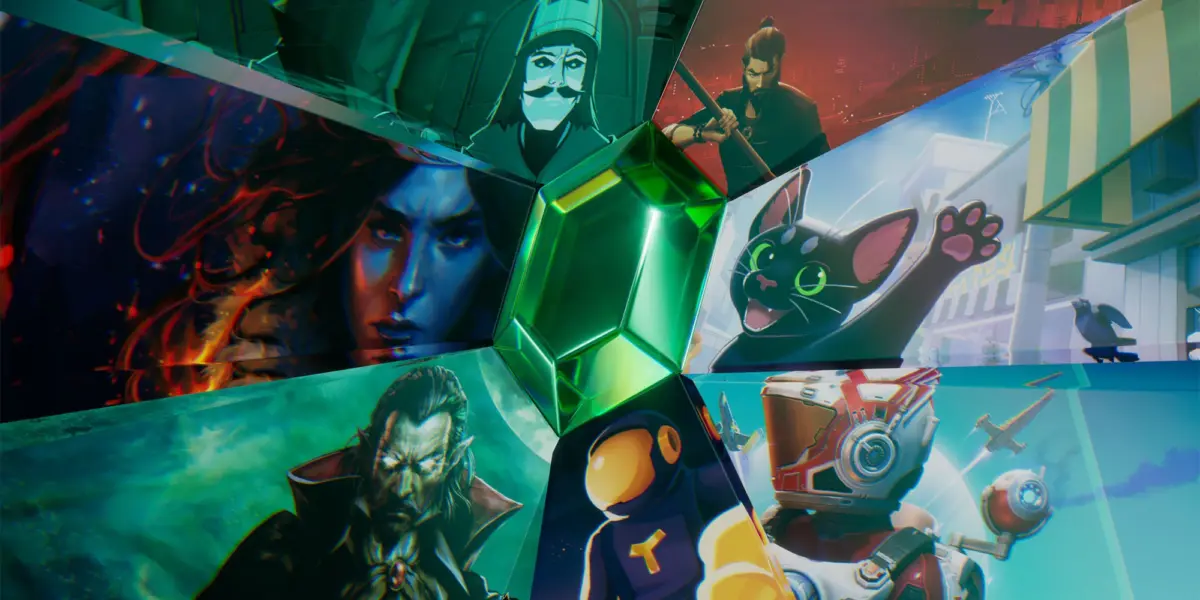
In the fast-paced ecosystem of mobile technology, where blockbuster franchises backed by massive marketing budgets frequently dominate the charts, independent developers remain the pulsating heart of gaming innovation. Recognizing this dynamic, Apple has officially launched its annual "Indie Games Week" on the App Store. This multi-day celebration is designed to turn the spotlight toward the daring creators, small studios, and solo developers who continually push the boundaries of artistic expression, mechanical design, and narrative depth on iOS and iPadOS.
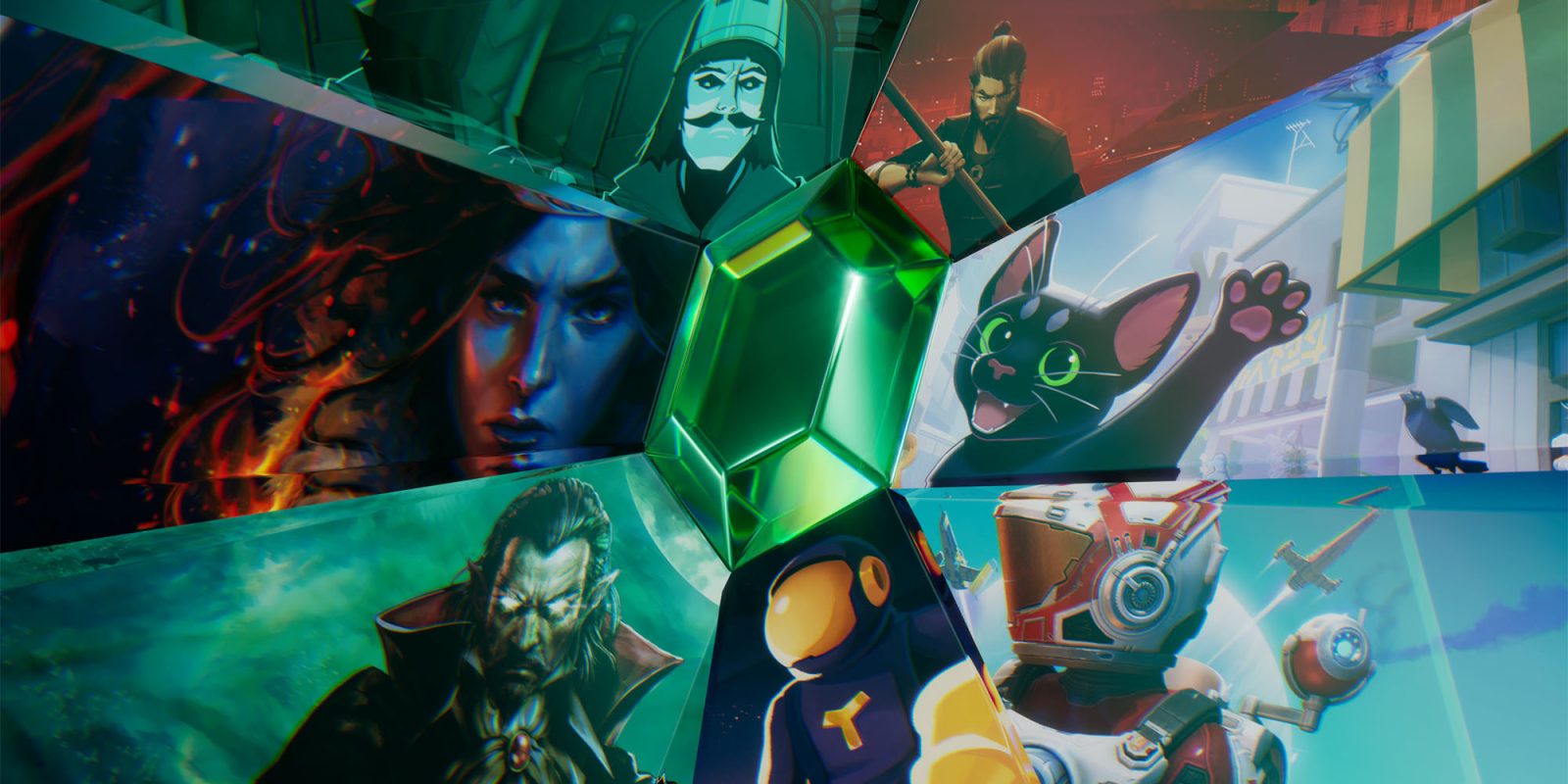
This year’s showcase places a special emphasis on seven standout titles that have either recently graced the App Store or are slated for imminent release. By granting these emerging and established indie titles premier placement across the App Store’s editorial front page, Apple aims to bridge the gap between visionary creators and a global audience of hundreds of millions of active device users.
As mobile hardware—powered by Apple’s silicon architectures—grows increasingly sophisticated, the barrier between console-quality experiences and portable gaming continues to blur. Indie developers are uniquely positioned to leverage these technological leaps, crafting intricate, emotionally resonant worlds that transcend traditional mobile tropes. This deep-dive report explores the details of Indie Games Week, analyzes the broader ecosystem impact of independent development on Apple platforms, examines official leadership insights, and assesses what the future holds for the mobile indie gaming landscape.
Detailed Chronology: The Evolution and Rollout of Indie Games Week
The journey toward Indie Games Week is rooted in Apple’s long-standing strategy of curating human-centric editorial content over purely algorithmic discovery. Understanding the timeline and philosophy of how Apple elevates independent voices reveals the deliberate effort behind these spotlight events.
The Shift Toward Curated Discovery
For years, indie developers faced immense challenges in achieving visibility within an App Store saturated with millions of applications. Recognizing that exceptional games were routinely being buried under the weight of hyper-monetized hyper-casual games and massive publisher footprints, Apple radically overhauled the App Store interface in 2017. This redesign introduced a dedicated "Today" tab, transforming the store from a simple digital storefront into a rich editorial magazine.
Over subsequent years, special dedicated events—such as Indie Games Week—matured from sporadic promotional banners into high-profile, recurring calendar fixtures. These events provide a predictable, high-visibility runway for creators who might otherwise lack the capital for expansive user-acquisition campaigns.
The 2026 Showcase Rollout
Kicking off in October, the latest iteration of Indie Games Week rolled out globally across all regional App Store storefronts simultaneously. The rollout strategy followed a precise chronological and editorial sequence:
- Teaser Phase: Leading up to the official launch, the App Store editorial team began populating pre-orders and early-access notifications, driving anticipation through developer interviews and behind-the-scenes concept art profiles.
- Global Launch Day: Apple published its official newsroom announcement, flipping the switch on curated collections, developer spotlights, and exclusive editorial essays dedicated to the seven featured titles.
- Interactive Engagement: Throughout the week, the App Store features deep-dive articles, gameplay video reels, and developer commentary tracks designed to educate players on how and why these unique worlds were built.
By structuring the event as a week-long immersive experience rather than a one-day drop, Apple maximizes organic discovery, allowing word-of-mouth momentum to build across social media and gaming communities.
Supporting Context & Metrics: The State of Indie Gaming on Mobile
To fully understand the significance of Apple’s Indie Games Week, one must examine the broader economic and cultural metrics governing the independent mobile gaming sector.
The Democratization of Game Development
The tools required to build world-class games have never been more accessible. Engines like Unity, Unreal Engine, and Godot—alongside specialized mobile development kits—allow small teams or even single developers to build visually stunning, mechanically complex titles. Apple’s continuous optimization of its Metal graphics API, combined with the staggering processing power of modern iPhone and iPad processors (such as the A-series and M-series chips), has effectively turned every pocket device into a capable gaming console.
According to industry tracking and developer surveys:
- Market Share: Independent games account for a rapidly expanding percentage of critical acclaim and user engagement on modern digital storefronts, routinely outperforming traditional AAA ports in player retention metrics.
- The Subscription Effect: Services like Apple Arcade have fundamentally altered the monetization paradigm for indie developers. By removing the friction of microtransactions and upfront paywalls, subscription models allow developers to focus entirely on artistic integrity and pure gameplay mechanics. Many titles featured during Indie Games Week either draw inspiration from or transition smoothly into ecosystems built around quality-first curation.
- Global Reach: The App Store’s presence in over 175 regions grants indie studios—ranging from tiny European boutiques to emerging developers in Southeast Asia and South America—instantaneous access to a truly global audience without requiring physical distribution or localized publishing deals.
Official Statements and Industry Insights
The philosophy driving Apple’s dedication to independent creators was emphasized in statements released by the company’s executive leadership. Carson Oliver, Apple’s head of App Store Worldwide, provided a comprehensive perspective on the core motivations behind Indie Games Week:
"Indie games are constantly pushing the boundaries of creativity to deliver unique gameplay experiences to Apple users, and we wanted to take a moment to celebrate these games and the teams that take creative risks to push gaming forward," said Carson Oliver, head of App Store Worldwide. "Whether from a solo developer or a growing studio, the App Store gives bold ideas a global stage — turning daring visions into worldwide hits. We’re thrilled with the incredible games launching on the App Store this week and amazed by their breathtaking artistry, brilliant design, and deeply moving stories."
This sentiment underscores a crucial shift in how digital storefronts view their responsibilities. Rather than acting purely as passive utilities for software delivery, modern platforms increasingly view themselves as cultural patrons—fostering art, preserving narrative innovation, and championing diverse creative voices that challenge conventional game design.
Industry analysts have frequently pointed out that while large corporate publishers tend to rely on iterative sequels and risk-averse formulas to protect shareholder value, independent developers are the primary engine of industry-wide innovation. Mechanics that eventually become industry standards—ranging from roguelike deckbuilders to narrative-driven walking simulators—frequently originate in the fertile, low-stakes experimental grounds of the indie scene before being adopted by mainstream giants. Apple’s focused spotlight ensures that this vital cycle of innovation remains healthy and adequately funded.
Future Outlook: Where Mobile Independent Gaming is Headed
As we look toward the horizon of interactive entertainment, the intersection of mobile hardware, spatial computing, and independent game development points toward an extraordinarily bright future.
The Integration of New Formats
With the advent of platforms like Apple Vision Pro and the continued refinement of cross-device continuity across Mac, iPad, and iPhone, indie developers are no longer restricted to traditional flat screens. The spatial computing paradigm offers unprecedented opportunities for spatial puzzles, immersive narrative exploration, and tactile physical interactions. Indie studios, known for their agility and willingness to experiment with uncharted interfaces, are ideally positioned to pioneer the software library for these emerging mediums.
Cloud Gaming and Cross-Progression
Furthermore, the maturation of cloud services, advanced local processing, and universal controller compatibility means that an indie game started on an iPhone during a morning commute can be seamlessly continued on an iPad or Mac at home. This hardware fluidity benefits independent studios tremendously, as players increasingly expect high-fidelity experiences that respect their time and hardware ecosystem choices.

What’s Next for Players?
For consumers, events like Indie Games Week serve as an essential compass in an increasingly overwhelming digital ocean. As thousands of applications flood app marketplaces weekly, trusted curation becomes the ultimate luxury. By highlighting titles defined by their artistic integrity, emotional depth, and mechanical originality, Apple ensures that players are regularly reminded of why video games are considered one of the most powerful storytelling mediums of our time.
Whether you are a seasoned gamer looking for your next narrative obsession or a casual player interested in supporting grassroots creativity, exploring the curated collections on the App Store during Indie Games Week offers a front-row seat to the future of interactive art.
Are you planning to check out any of Apple’s featured indie games this week? Have you discovered a hidden gem on the App Store that left a lasting impression? Let us know your thoughts and recommendations in the comments below.





Belum ada komentar. Jadilah yang pertama berkomentar!