

Date: August 30, 2026
Location: Mie Prefecture, Japan
Executive Overview
As the sweltering heat of the Japanese summer gradually yields to the crisp, invigorating breeze of the changing seasons, travelers across Honshu begin casting their eyes toward the high country. For those situated in the bustling metropolitan corridors of Nagoya and Osaka, the ultimate autumn escape lies hidden within the rugged peaks of Mie Prefecture. Rising majestically above the surrounding landscape, Mt. Gozaisho (Gozaisho-dake) stands as a premier destination for leaf-peeping enthusiasts, offering a stunning panoramic spectacle that arrives weeks ahead of the lowlands.
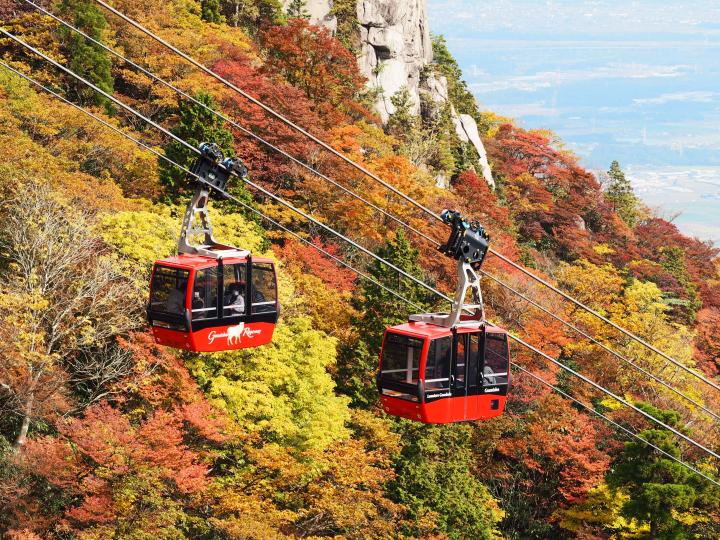
At the heart of this seasonal transformation is the iconic Gozaisho Ropeway, an engineering marvel that carries visitors effortlessly from the misty thermal havens of Yunoyama Onsen up to the alpine reaches of the summit park. Spanning an elevation change from 400 meters to an impressive 1,212 meters above sea level, the ropeway serves as a vertical portal to early autumn.
The upcoming 2026 autumn season promises extraordinary sights, enhanced further by the continued popularity of the newly unveiled "COCORRU Terrace"—a cutting-edge observation deck and photogenic hotspot that opened its doors in late October 2025. Combining world-class natural beauty, accessible day-trip logistics from major Kansai and Chubu hubs, and rich alpine flora, Mt. Gozaisho represents an essential anchor of Japan’s autumn tourism landscape.
Detailed Chronology of the Autumnal Front
The progression of autumn on Mt. Gozaisho is a dynamic, multi-stage natural event dictated by steep elevation gradients and sudden temperature drops. Understanding the seasonal timeline is crucial for travelers hoping to catch the mountain at the height of its colorful splendor.
Mid-to-Late October: The Summit Ignites in Crimson
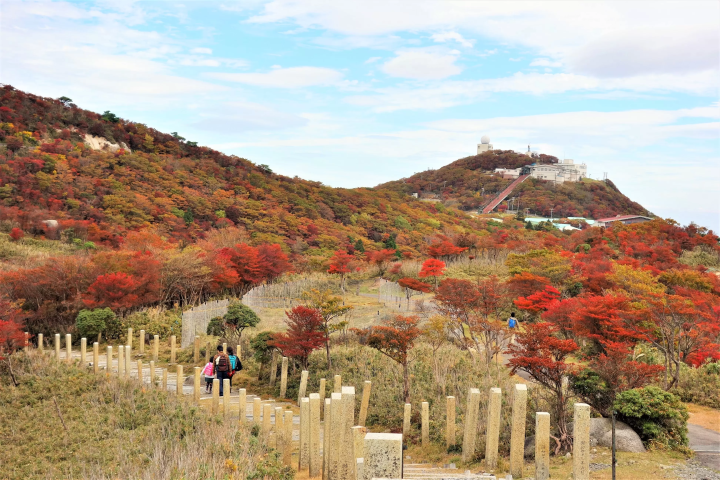
While the base of the mountain remains kissed by the lingering warmth of summer, the high-altitude zones experience a rapid drop in nighttime temperatures. This thermal shift triggers the production of anthocyanin pigments in the ericaceous plant species that blanket the Summit Park, transforming the landscape into a sea of deep crimson.
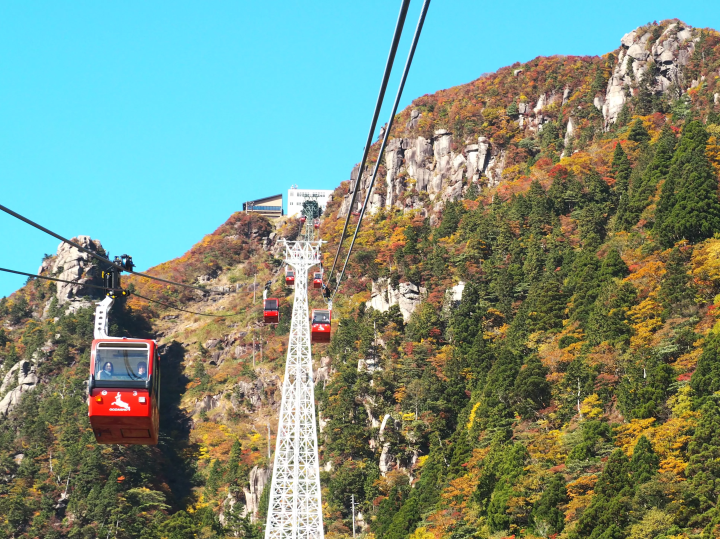
Around October 20th each year, the azalea leaves at the summit reach their absolute peak. Botanically, the summit is exceptionally rich in members of the Ericaceae family, including brilliant red azaleas, delicate white azaleas, and the graceful bell-shaped blooms of Enkianthus campanulata (dōdan-tsutsuji). Because the alpine air cools long before the valleys below, visitors arriving in late October are treated to a magnificent early-season preview of autumn, painting the rocky slopes near the ropeway’s mountaintop park station in vibrant hues of red, orange, and gold.
November: The Descending Tapestry and Valley Splendor
As November progresses, the vibrant foliage front steadily marches down the mountainside. During this peak period, the landscape takes on the appearance of a sprawling, hand-woven tapestry.
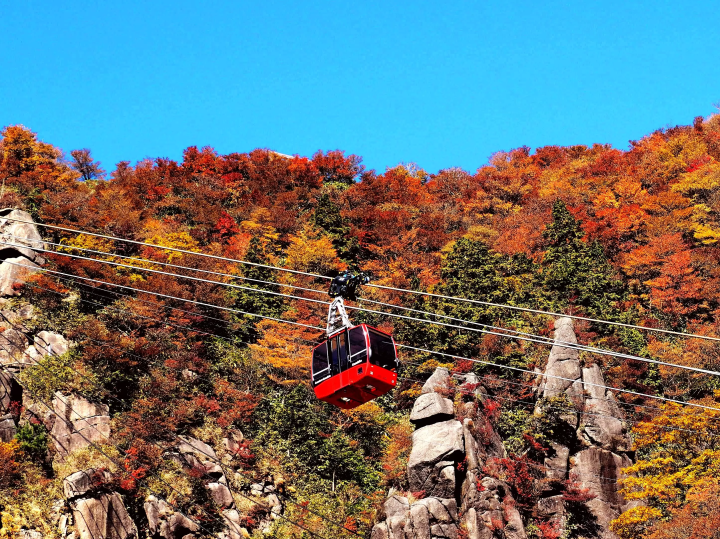
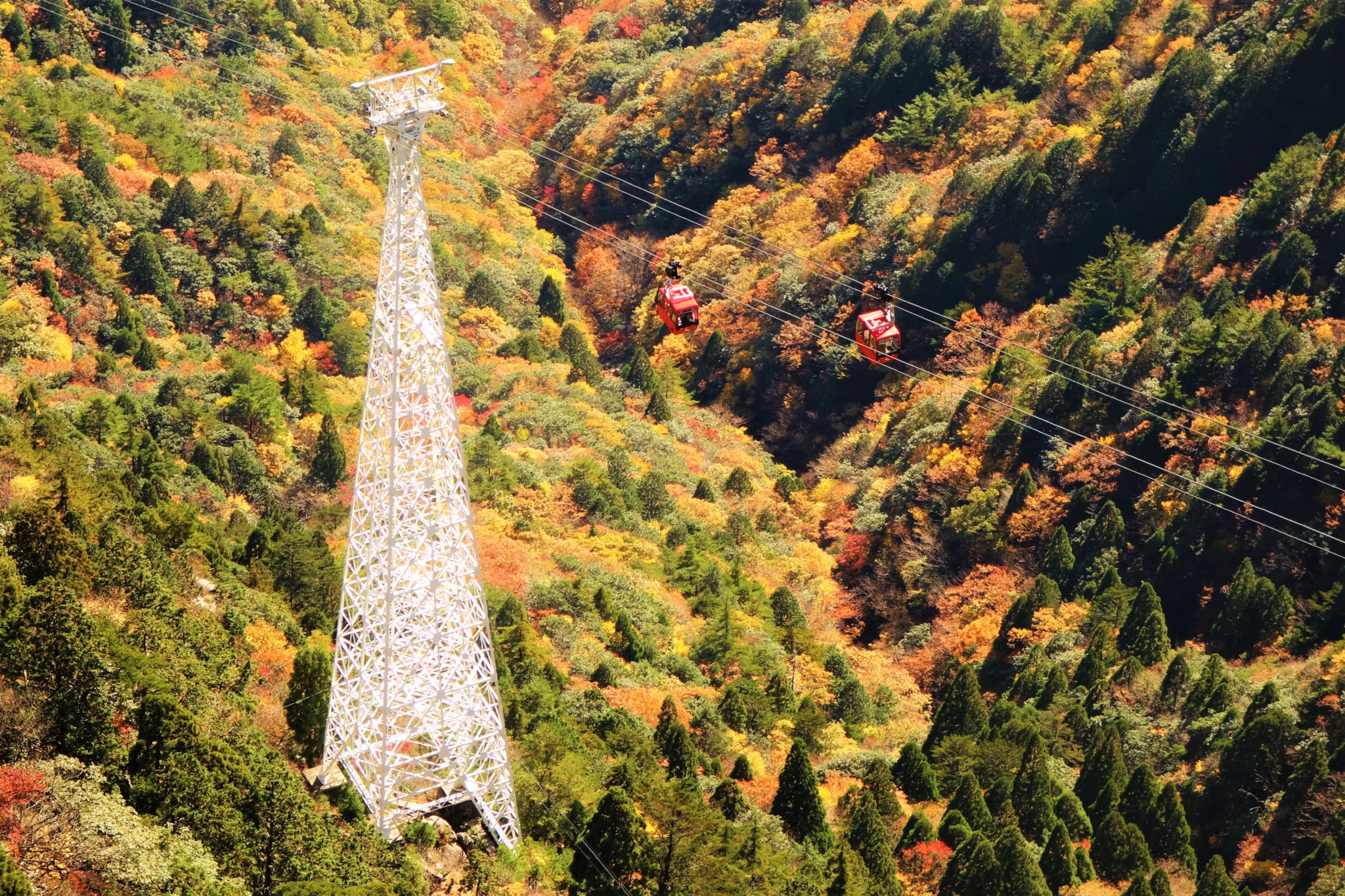
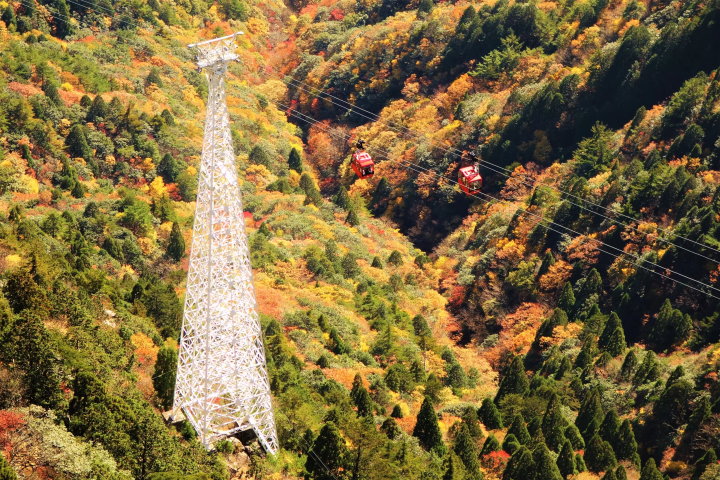
Particular attention should be paid to the deep valleys surrounding "Tower No. 6," the prominent symbol tower of the Gozaisho Ropeway. Here, the interplay of steep gorges, winding streams, and dense mixed-deciduous forests creates a breathtaking vista when viewed from the suspended cabins of the ropeway.
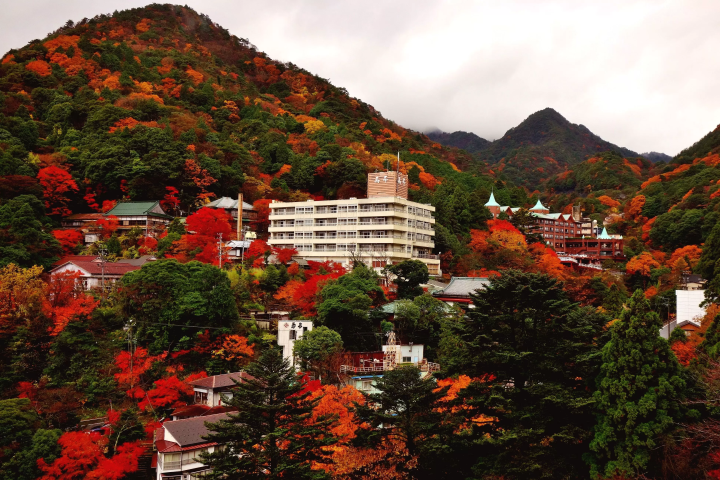
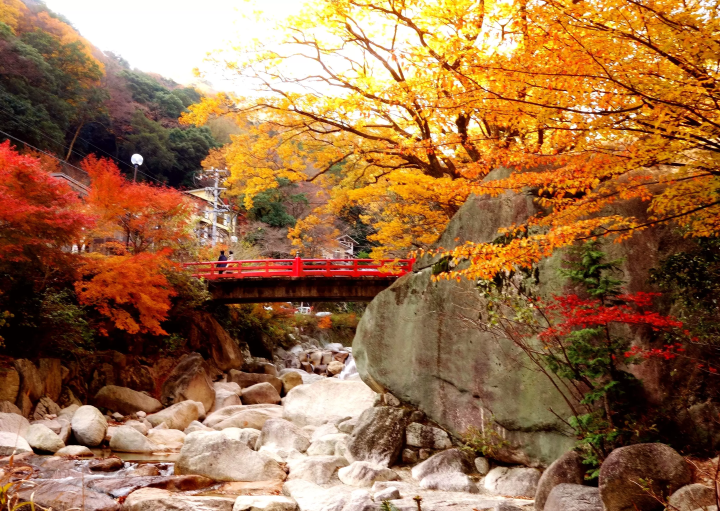
By late November, the seasonal wave reaches the very base of the mountain. Yunoyama Onsen, nestled along a crystal-clear stream at 400 meters of elevation, undergoes a dramatic transformation. The native Japanese maples lining the riverside turn brilliant shades of scarlet and amber, creating a fantastical, illuminated world as twilight descends upon the historic hot spring town.
Supporting Context, Infrastructure & Practical Metrics
Navigating a major mountain destination requires careful logistical planning, particularly during peak leaf-peeping season when crowds flock to Mie Prefecture. The following metrics, pricing structures, and transit guidelines provide a comprehensive blueprint for visitors.
Gozaisho Ropeway and Sightseeing Lift Metrics
- Ropeway Elevation Range: Ascends from Yunoyama Onsen Station (400m) to Sancho Park Station (1,212m).
- Ropeway Fares (Round Trip):
- Adults (Aged 13 and over): ¥2,600
- Children (Aged 4 to 12): ¥1,300
- Toddlers (Aged 1 to 3): Free
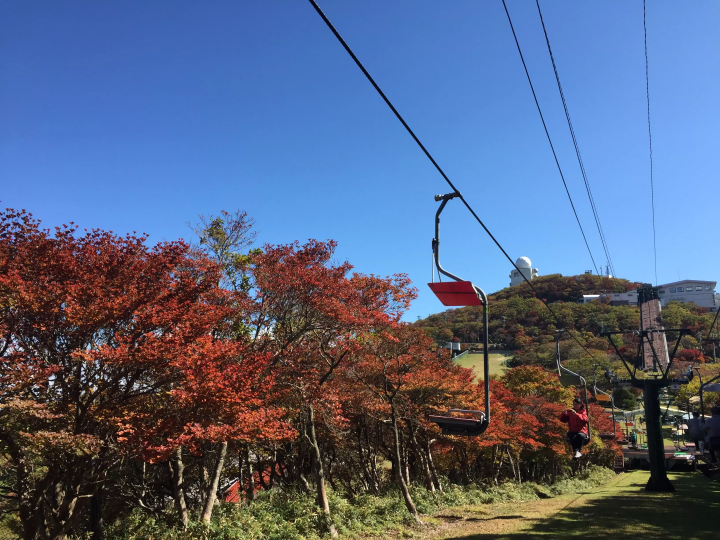
- Sightseeing Lift (Summit Area): Connects Ropeway Sancho Park Station to the true summit of Mt. Gozaisho.
- Distance: 500 meters
- Duration: Approximately 8 minutes
- Configuration: Single-seater cabins
- Fare: ¥400 one-way / ¥700 round-trip (Uniform pricing for all passengers aged 4 and older; infants/small children are prohibited from riding for safety reasons).
Dining and Culinary Offerings at Altitude
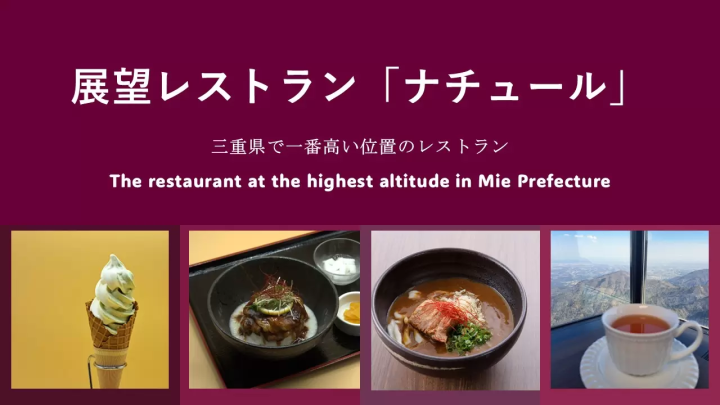
Visitors exploring the summit park need not worry about provisions. Situated at the top of the mountain is the observation restaurant "Nature," which offers sweeping vistas of the surrounding peaks and the distant cityscape of Mie Prefecture.
- Signature Dish: The renowned Gozaisho Curry Udon, celebrated for its rich broth and warming spices—ideal for the crisp alpine climate.
- Seasonal Menus: A rotating selection of local delicacies, comfort foods, and handcrafted sweets designed to complement the autumnal theme.
Transportation and Accessibility Logistics
Strategically positioned between Nagoya and Osaka, Mt. Gozaisho is exceptionally well-connected via public transit, though visitors must navigate the system with precision to avoid delays.
-
Railway Phase (Kintetsu Railway):
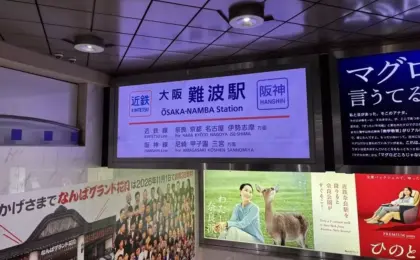
- Travelers originating from either Nagoya or Osaka should book their journey to Kintetsu Yokkaichi Station.
- Crucial Transit Tip: Upon arrival at Kintetsu Yokkaichi, transfer immediately to the Kintetsu Yunoyama Line and ride it to the final stop, Yunoyama Onsen Station. (Travel time from Yokkaichi: approx. 26 minutes).
- Value Ticket: Foreign tourists and domestic travelers alike can maximize savings by utilizing the Kintetsu Rail Pass.
- Important Warning: Do not take trains bound for JR Yokkaichi Station, as it is located at a considerable distance from the Kintetsu terminal and will disrupt your travel schedule.
-
Bus Phase (Mie Kotsu Bus):
- From Yunoyama Onsen Station, board the Mie Kotsu bus bound specifically for "Yunoyama Onsen Gozaisho Ropeway Mae."
- The bus journey is a brief, 10-minute sprint directly to the ropeway base.
-
Traffic Congestion Advisory:
- During peak autumn weekends and holidays, regional roadways leading to Yunoyama Onsen experience heavy vehicular traffic and significant parking congestion.
- Expert Recommendation: To bypass traffic gridlocks and eliminate parking wait times, travelers are strongly advised to utilize the public rail and bus network, or plan their excursions for weekdays.
Official Insights & The Modern Visitor Experience
Management at the Gozaisho Ropeway continues to innovate, ensuring that generational visitors and first-time tourists alike encounter a seamless blend of pristine wilderness and modern hospitality.
The Debut of COCORRU Terrace
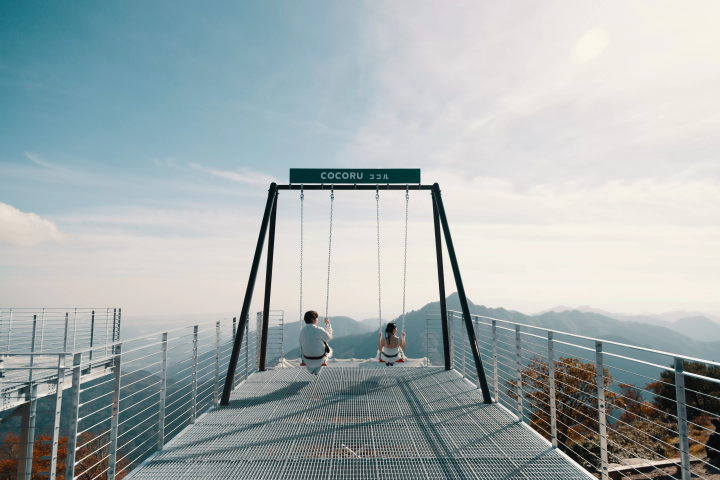
Opened on October 31, 2025, the "COCORRU Terrace" has rapidly established itself as the premier Instagrammable landmark within the Gozaisho-dake Mountain Park. Perched strategically to capture sweeping vistas of the Ise-Shima region and the expanse of Mie Prefecture, the terrace features a thrilling observation swing that projects riders out over the dramatic topography. This installation has successfully merged outdoor adventure with modern social media culture, giving visitors a designated space to capture cinematic memories against a backdrop of turning leaves.
Preserving Natural Wonder Through Digital Engagement
Recognizing the rapid shifts in weather patterns and foliage progression, the Gozaisho Ropeway administration maintains an active digital footprint. Real-time updates regarding peak color transitions, weather advisories, and maintenance schedules are regularly published across their official social media channels, including their dedicated Facebook and Instagram portals. Officials encourage all prospective travelers to consult these feeds prior to departure to ensure optimal viewing conditions.
Future Outlook
As environmental awareness and domestic tourism trends evolve, Mt. Gozaisho remains a cornerstone of sustainable regional travel in the Kansai and Chubu spheres. The seamless integration of public transit promotion—steering visitors away from private carbon-heavy vehicles on weekends—highlights a forward-thinking approach to managing high-volume eco-tourism.
Looking toward future seasons, the administration plans to continue refining infrastructure while protecting the delicate alpine ecosystems that make the summit’s Ericaceae colonies so unique. Whether returning to savor a steaming bowl of Curry Udon at Restaurant Nature, testing one’s nerve on the swings of COCORRU Terrace, or simply watching the scarlet foliage wave across the valleys from the suspended quiet of the ropeway, Mt. Gozaisho stands ready to offer an unforgettable encounter with the soul of Japanese autumn.





Belum ada komentar. Jadilah yang pertama berkomentar!