

Executive Overview
Just two hours west of the bustling metropolis of Tokyo lies a tranquil highland realm where alpine crispness, rich regional gastronomy, and tectonic architecture converge. Hokuto City, situated at the dramatic southern foothills of the Yatsugatake mountain range in Yamanashi Prefecture, offers travelers a unique perspective on Japan’s most revered natural emblem: Mount Fuji.
![[Two hours from Tokyo ] Chasing the spectacular views of Mount Fuji in Hokuto City | An autumn trip by local train and on foot](https://resources.matcha-jp.com/resize/720x2000/2026/08/21-269335.webp)
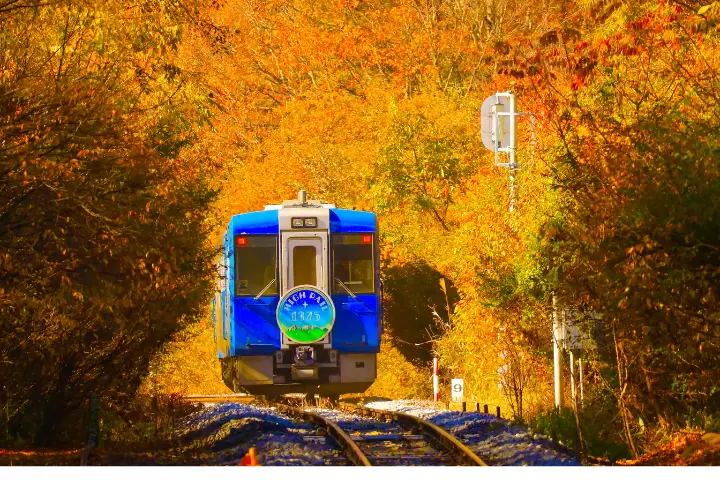
Rather than treating the snow-capped stratovolcano as a fixed, terminal destination, this carefully curated autumn itinerary reimagines travel as a pursuit. By utilizing the rustic charm of local railways and traversing ancient footpaths through high-altitude terrain exceeding 1,000 meters, visitors are treated to a dynamic, ever-shifting panorama of Mount Fuji. As the seasonal larch and maple forests burst into brilliant shades of amber and crimson, this rail-and-trail expedition uncovers a slower, more deliberate way to experience Japanese highland culture, local culinary heritage, and restorative hot spring traditions.
![[Two hours from Tokyo ] Chasing the spectacular views of Mount Fuji in Hokuto City | An autumn trip by local train and on foot](https://resources.matcha-jp.com/resize/720x2000/2026/08/26-269643.webp)
Detailed Chronology: A Step-by-Step Autumn Itinerary
Executing this meticulously planned one-day journey requires an appreciation for rural transit schedules, crisp mountain weather, and the rich cultural landmarks sprinkled across Hokuto’s plateau. Below is the chronological blueprint for travelers seeking to capture the ultimate autumn views of Mount Fuji.
![[Two hours from Tokyo ] Chasing the spectacular views of Mount Fuji in Hokuto City | An autumn trip by local train and on foot](https://resources.matcha-jp.com/resize/720x2000/2026/08/21-269336.webp)
Morning Departure and the Gateway to the Highlands
- 10:07 AM – 10:15 AM | JR Kobuchizawa Station to Kai-Koizumi Station (Koumi Line)
- Duration: ~8 minutes by train.
- Operational Insight: The journey begins at JR Kobuchizawa Station, easily accessible via the Limited Express Azusa from Tokyo. Before descending to the platforms, visitors should visit the station’s rooftop observation deck (Mount Fuji View Point 1). Here, a sweeping horizon reveals the towering mass of Mount Fuji standing in harmonious juxtaposition with the rugged Yatsugatake range and the distant Minami (Southern) Alps. Boarding the regional Koumi Line—affectionately dubbed the "Yatsugatake Kogen (Highland) Line"—passengers must manually press the exterior door buttons to enter. Because most stations along this line are unmanned and unequipped for IC transit cards, travelers must secure a physical numbered boarding ticket and settle fares directly with the conductor using exact change.
Crystal Waters and Culinary Heritage at Sanbuichi Yusui
- 10:30 AM onward | Sanbuichi Yusui Park & Soba Restaurant Sanbuichi
- Duration: ~10-minute walk from Kai-Koizumi Station.
- Scenic & Cultural Highlights: Sanbuichi Yusui Park protects one of Japan’s Top 100 Famous Waters, fed entirely by subterranean snowmelt from the Yatsugatake mountains. In autumn, the surrounding canopy of larch and maple trees explodes into vibrant golds and reds, framing the rushing crystalline waters. Travelers can ascend the Sanbuichi Yusui Museum’s rooftop observation floor (Mount Fuji View Point 2) to witness Mount Fuji appearing noticeably larger and more pronounced than from Kobuchizawa.
- Gastronomic Stop: Following the morning walk, visitors can head directly to the adjacent Soba Restaurant Sanbuichi. Autumn marks the seasonal harvest of new buckwheat (shin-soba). The house specialty—Nihachi Soba (80% buckwheat, 20% wheat flour) served with crispy seasonal tempura—highlights the pristine quality of Hokuto’s glacier-fed waters. Traveler Tip: Reservations are not accepted; guests must register their names at the reception desk to secure a digital paging device, as wait times can exceed one hour during peak foliage periods.
Traversing the Vibrant Highlands to the "Yellow Bridge"
- 1:45 PM – 1:53 PM | Kai-Koizumi Station to Kai-Oizumi Station
- Duration: ~8 minutes by local train.
- 2:00 PM – 2:30 PM | Kai-Oizumi Station to Yatsugatake Kogen Great Bridge
- Duration: ~30 minutes on foot.
- Trail Experience: Exiting at Kai-Oizumi Station, travelers embark on a leisurely 30-minute foot journey through pastoral lanes blanketed in autumn colors. The crisp, clean mountain air and rustling foliage transform the walk into a deeply meditative experience.
- 2:30 PM onward | Yatsugatake Kogen Great Bridge (Mount Fuji View Point 3)
- Structural & Panoramic Marvel: Spanning a dizzying height of 100 meters and stretching 490 meters across the valley, the Yatsugatake Kogen Great Bridge—locally nicknamed the "Yellow Bridge"—serves as the emotional crescendo of the expedition. Looking south from the bridge’s observation deck, Mount Fuji dominates the horizon, appearing closer and more majestic than at any previous stop. Turning backward, hikers are rewarded with an equally stunning view of the vibrant, multicolored Yatsugatake peaks and the sprawling Minami Alps.
Fermentation Culture and Sweet Respite
- 3:00 PM – 3:20 PM | Yatsugatake Kogen Great Bridge to Natural Diner Cocoro
- Duration: ~20 minutes on foot.
- 3:20 PM onward | Natural Diner Cocoro
- Culinary Interlude: This artisanal cafe specializes in wholesome, organic refreshments rooted in Japanese fermentation traditions. Their signature amazake ice cream—derived entirely from natural rice and rice-koji without refined sugars—offers a gentle, nutrient-dense sweetness often referred to in Japan as "drinkable IV fluid." Additionally, their 100% organic buckwheat crepes deliver a deeply earthy, nutty flavor profile that perfectly complements the rustic highland environment.
Twilight Immersion at Panorama no Yu
- 4:00 PM – 4:15 PM | Natural Diner Cocoro to Panorama no Yu Hot Spring
- Duration: ~15 minutes on foot.
- 4:15 PM – 5:00 PM | Panorama no Yu Hot Spring (Mount Fuji View Point 4)
- Hydro-Therapeutic Finale: The ultimate conclusion to an active highland expedition is an open-air soak in natural mineral waters. Panorama no Yu features expansive outdoor baths designed to frame Mount Fuji directly on the horizon. If weather conditions cooperate, bathers can watch the setting sun cast a warm, alpenglow hue across the stratovolcano’s snow-dusted summit.
- Evening Amenities: Before catching the return train at Kai-Oizumi Station (a mere 5-minute walk away), visitors can browse the facility’s boutique shop for local Hokuto honey and regional sweets, or enjoy a nostalgic post-bath bowl of ramen or katsu curry at the adjacent Izumi Restaurant.
Supporting Context & Practical Metrics
Navigating high-altitude Japanese regional transit requires careful preparation. Below are critical metrics and operational guidelines compiled for autumn travelers:
![[Two hours from Tokyo ] Chasing the spectacular views of Mount Fuji in Hokuto City | An autumn trip by local train and on foot](https://resources.matcha-jp.com/resize/720x2000/2026/08/20-269254.webp)
- Altitude & Climate: Most walking routes operate at elevations exceeding 1,000 meters. Temperatures fluctuate rapidly near mountain zones. Visitors are strongly advised to wear layered clothing, wind-resistant outerwear, and sturdy walking shoes.
- Hydration & Supplies: Several walking segments span 20 to 30 minutes without convenience store access. Carrying a personal water bottle is mandatory.
- Transit Etiquette & Ticketing:
- Koumi Line trains operate on infrequent schedules; strict adherence to printed timetables is required.
- IC cards (Suica/Pasmo) are largely unsupported at unmanned stations along the Koumi Line. Passengers must take numbered boarding tickets and pay cash fares directly to the driver upon alighting.
- On-board change machines cannot break large bills (e.g., 5,000-yen or 10,000-yen notes); exact change and small-denomination currency must be prepared in advance.
- Seasonal Constraints: Autumn daylight hours shorten rapidly. Setting a relaxed schedule ensures travelers clear open-air walking paths well before dusk. Visibility of Mount Fuji remains entirely weather-dependent; travelers should view the mountain sightings as a majestic bonus to an already rewarding nature walk.
Official Guidelines & Key Operational Metrics
| Facility / Landmark | Operating Hours | Key Restrictions & Logistics | Access & Contact |
|---|---|---|---|
| Sanbuichi Yusui Museum & Park | 9:00 AM – 5:00 PM (Closed Tuesdays) | Shared parking (80 regular spaces); admission is free. | ~10 min walk from Kai-Koizumi Station / Tel: 0551-32-0058 |
| Soba Restaurant Sanbuichi | 11:00 AM – 3:00 PM (L.O. 14:30) | No reservations accepted; ticketing system via reception pager. | Adjacent to Sanbuichi Yusui / Tel: 0551-32-8318 |
| Yatsugatake Kogen Great Bridge | Open 24 Hours (Observation Deck) | Free parking on the east (Kiyosato) side (15 spaces). | ~30 min walk from Kai-Oizumi Station |
| Natural Diner Cocoro | 11:00 AM – 4:00 PM (Fri/Sat primarily) | Reservations preferred; winter months require booking 4 days in advance. | ~15 min walk from Kai-Oizumi Station / Tel: 050-1726-0770 |
| Panorama no Yu Hot Spring | 10:00 AM – 10:00 PM (L.O. 21:30) | Closed 2nd/4th Tuesdays. Adults: ¥830; Children: ¥420. Cash only. | ~5 min walk from Kai-Oizumi Station / Tel: 0551-38-1341 |
Future Outlook: Sustainable Tourism & Regional Connectivity
As domestic and international travelers increasingly seek slow-travel alternatives away from congested urban centers, regions like Hokuto City represent the vanguard of sustainable Japanese tourism. By encouraging visitors to step off high-speed expressways and onto local railway carriages and pedestrian footpaths, Hokuto successfully distributes economic vitality across smaller rural hamlets such as Kobuchizawa, Kai-Koizumi, and Kai-Oizumi.
![[Two hours from Tokyo ] Chasing the spectacular views of Mount Fuji in Hokuto City | An autumn trip by local train and on foot](https://resources.matcha-jp.com/resize/720x2000/2026/08/20-269249.webp)
Local tourism boards anticipate continued infrastructure enhancements centered around eco-mobility, including seasonal shuttle networks like the Kiyosato Picnic Bus and improved multilingual digital timetables. For the modern traveler, this evolution signals a promising shift: a future where discovering iconic landmarks like Mount Fuji is measured not by how quickly one arrives at a viewing platform, but by the depth of the cultural, sensory, and ecological landscape experienced along the way.




Belum ada komentar. Jadilah yang pertama berkomentar!