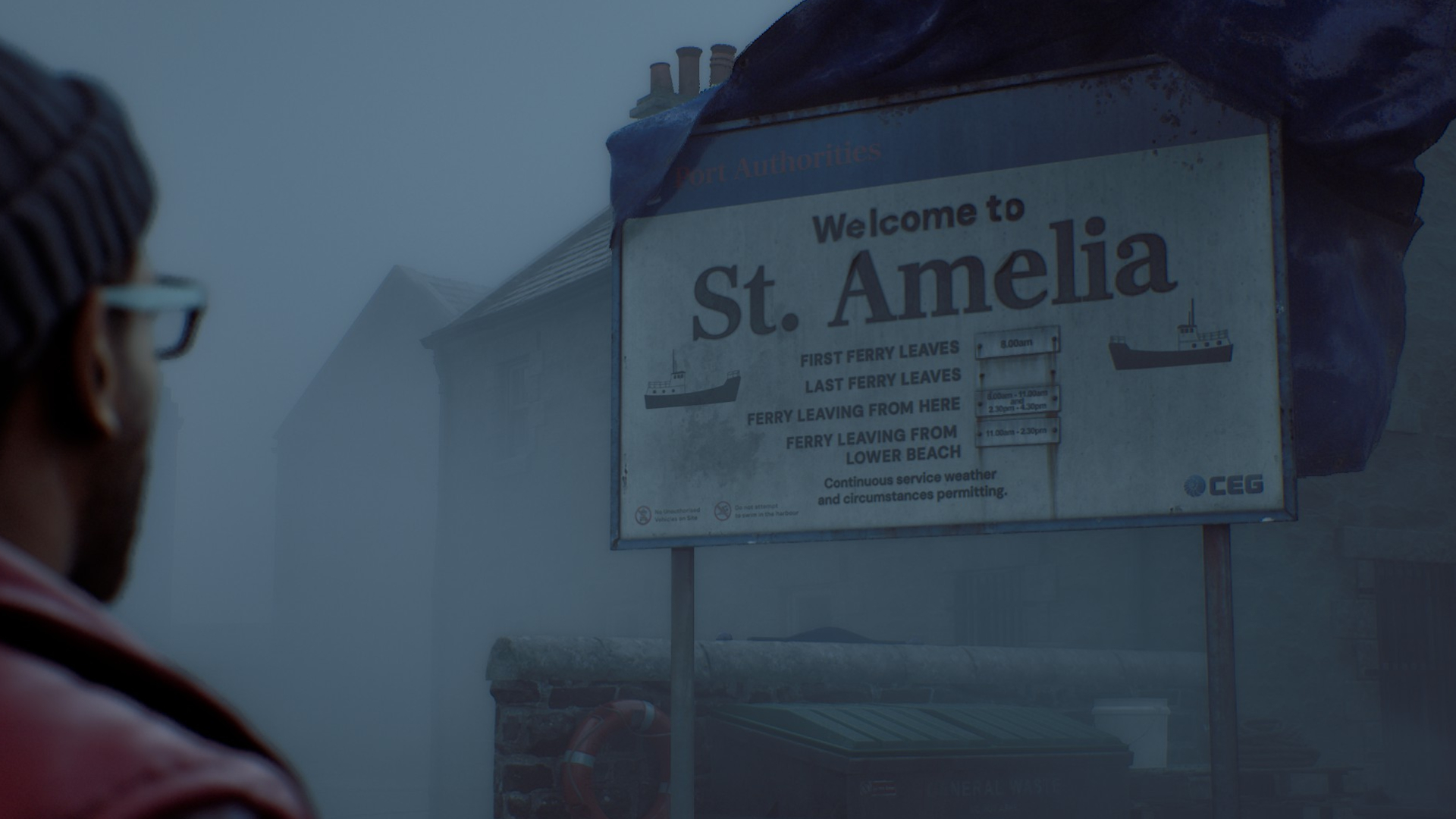
In the realm of psychological survival horror, setting is rarely just a backdrop; it is an active participant, a mirror reflecting the tortured psyches of those who walk its fog-drenched streets. For Konami’s sprawling and resurgent Silent Hill franchise, developer Screen Burn (formerly No Code) has taken this philosophy to unprecedented extremes. With Silent Hill: Townfall, the studio has introduced players to St. Amelia—a fictional, coastal Scottish town that feels simultaneously deeply nostalgic and profoundly wrong.
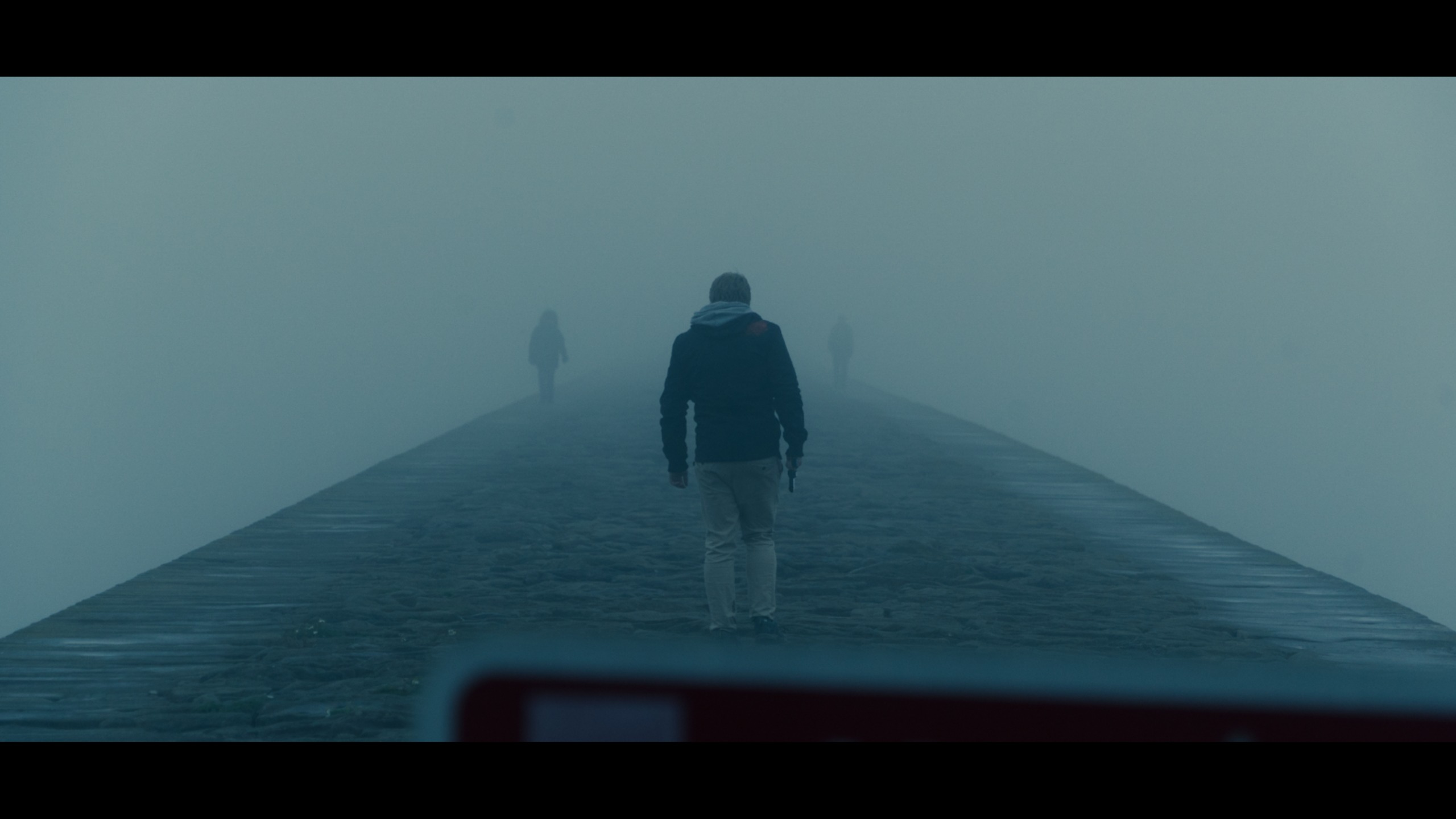
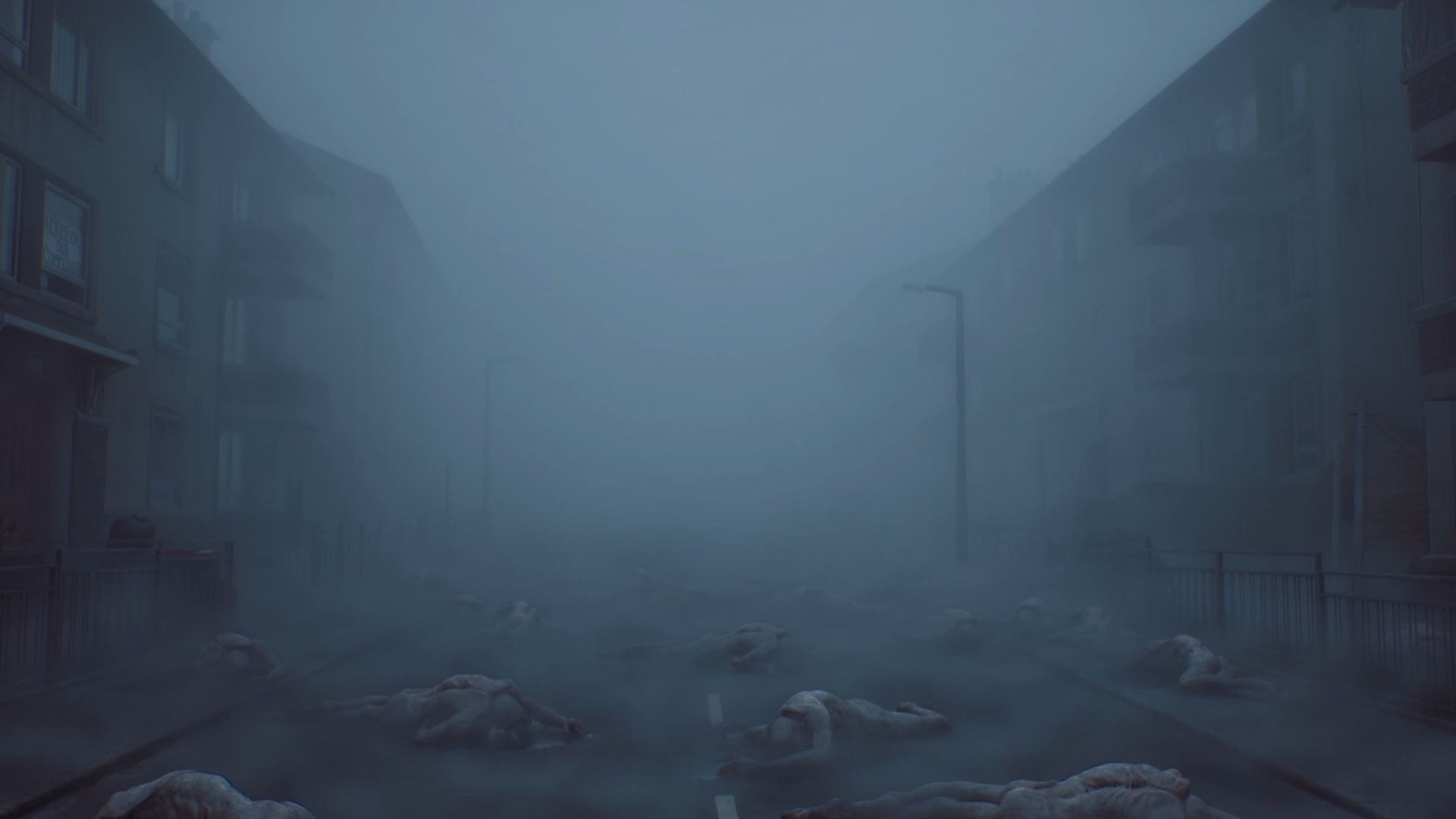
Built on a bedrock of lived experience, LiDAR-scanned topography, and uncompromising historical authenticity, St. Amelia deviates starkly from the standard horror game tropes of neon-lit American suburbs or industrial sci-fi corridors. Instead, it offers a chillingly grounded portrait of 1990s working-class Britain. Directed by Jon McKellan and shaped by art director Paul Abbott, Townfall achieves a masterclass in atmospheric tension. By constructing a 1:1 replica of a bleak, rain-slicked, post-industrial fishing village, the development team has weaponized familiarity. When the psychological horror and supernatural dread finally pierce the mundane fabric of daily life, the impact is devastatingly effective.
Detailed Chronology: From Concept to Coastal Nightmare
The genesis of Silent Hill: Townfall began with a clear mandate from Screen Burn: they wanted to create a nightmare rooted not in abstract geometry, but in the tactile reality of their own upbringing.
The Conceptual Seed
From the earliest pitches to publisher Konami and production partner Annapurna, the core vision of St. Amelia was locked in. The team drew heavily on visual references from Scottish coastal and island towns. However, the precise geographic identity of the setting underwent a brief evolution. Initially, the team debated whether to leave the town vaguely "Northern European" to broaden its mythical appeal. Ultimately, they realized that leaning explicitly into its Scottish heritage would elevate its authenticity. The initial pitch framed St. Amelia as a small, isolated fishing village—a place designed to feel comforting and nostalgic to anyone raised in the UK, yet entirely bizarre and alienating to international players.
Despite the high profile of the Silent Hill intellectual property, Konami proved remarkably hands-off. Recognizing Screen Burn’s dedication to cultural specificity, the publisher welcomed the studio’s radical approach. With a first-person perspective chosen as a foundational pillar, the team ensured that every environment could be scrutinized up close. Rather than building stylized, oversized corridors to accommodate third-party camera rigs, every door, curb, and room was mapped at a strict 1:1 scale to real-world dimensions.
Fieldwork and Photographic Archaeology
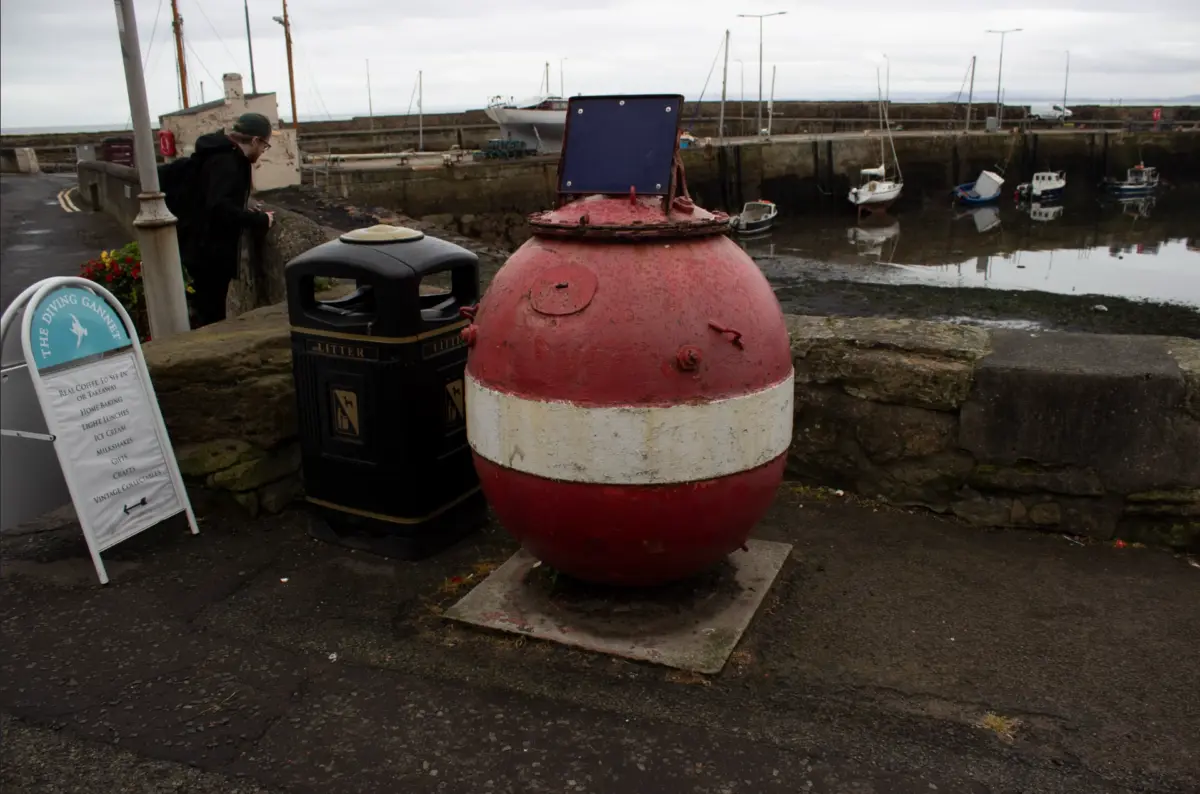
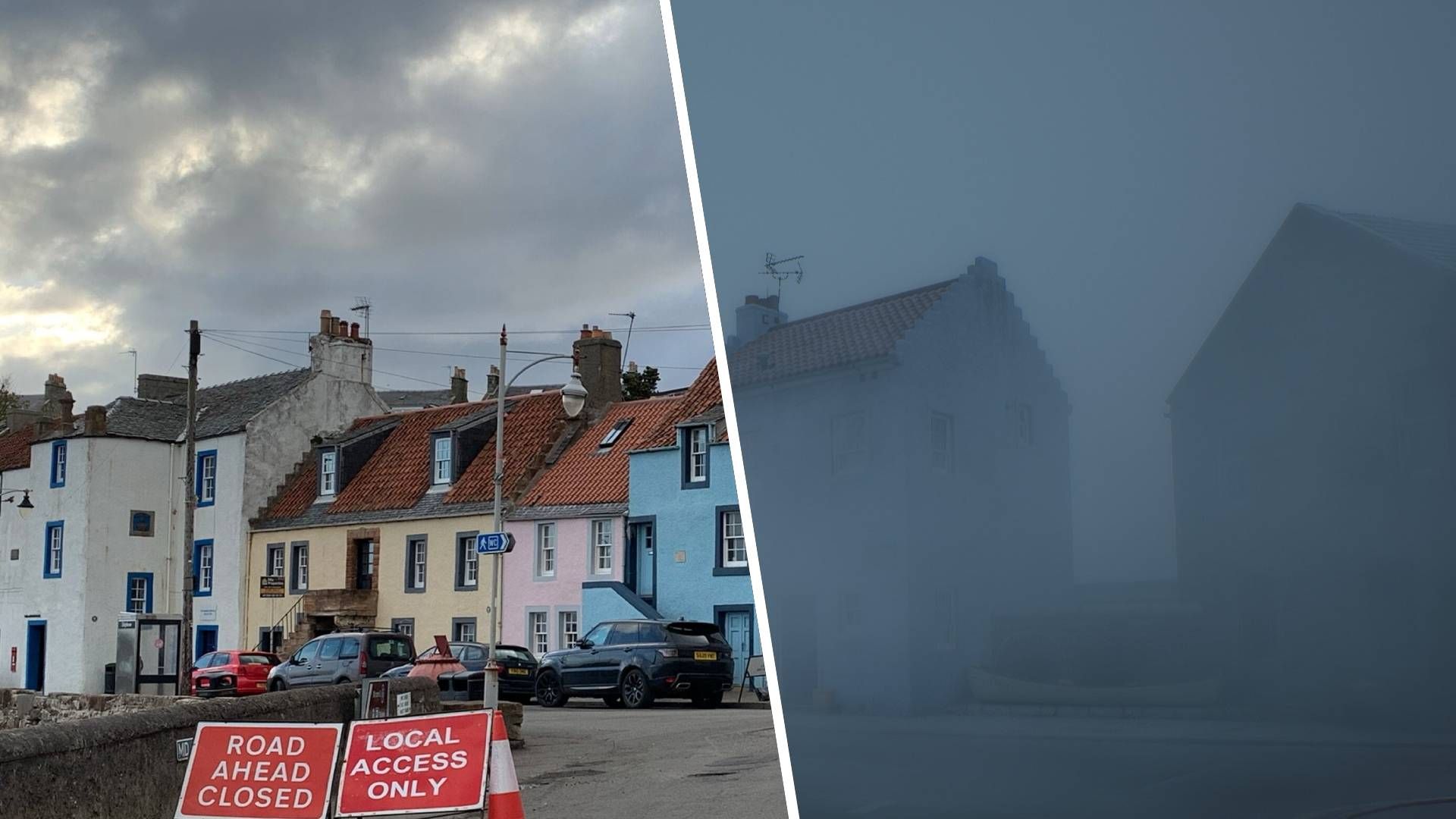
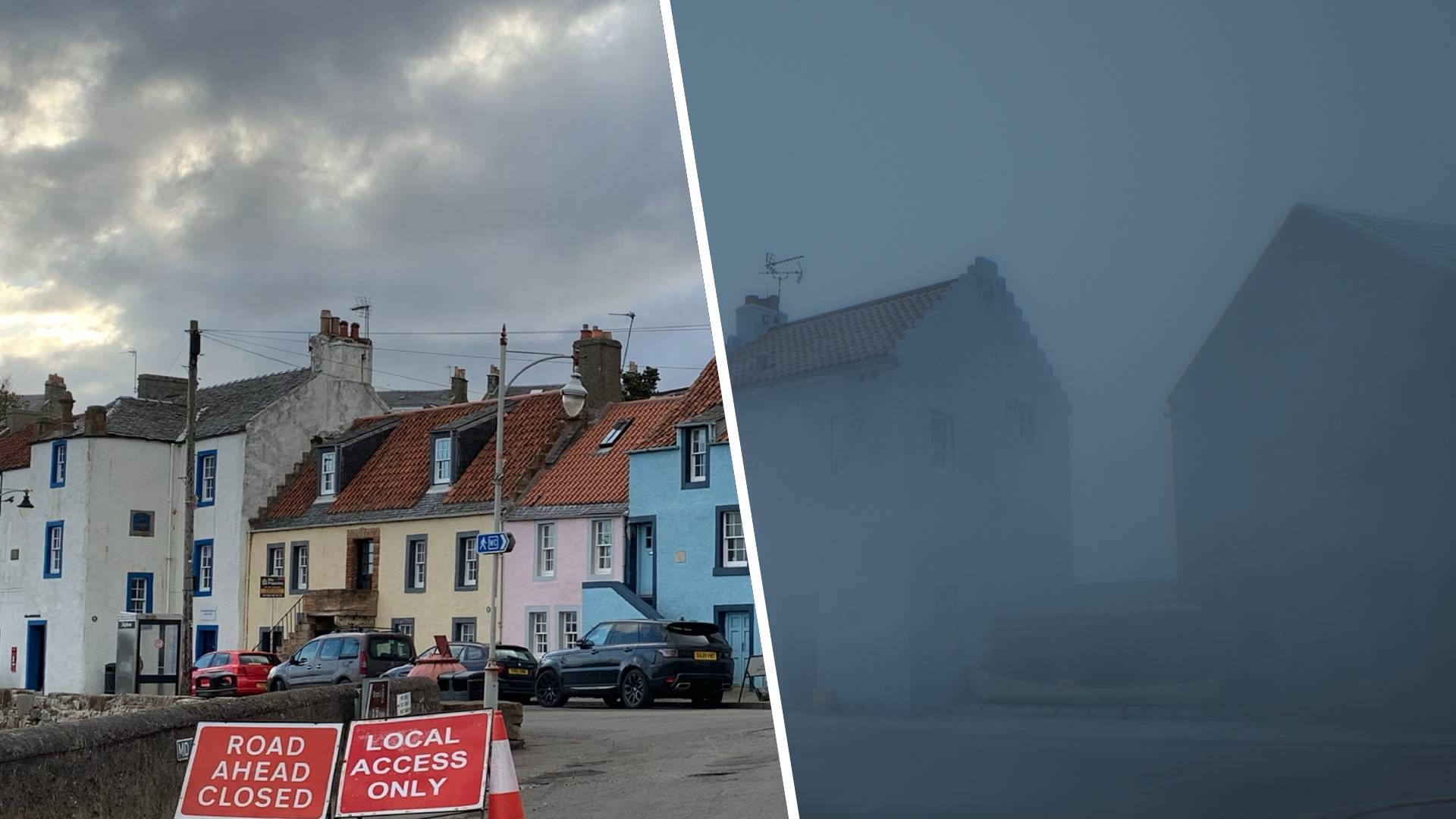
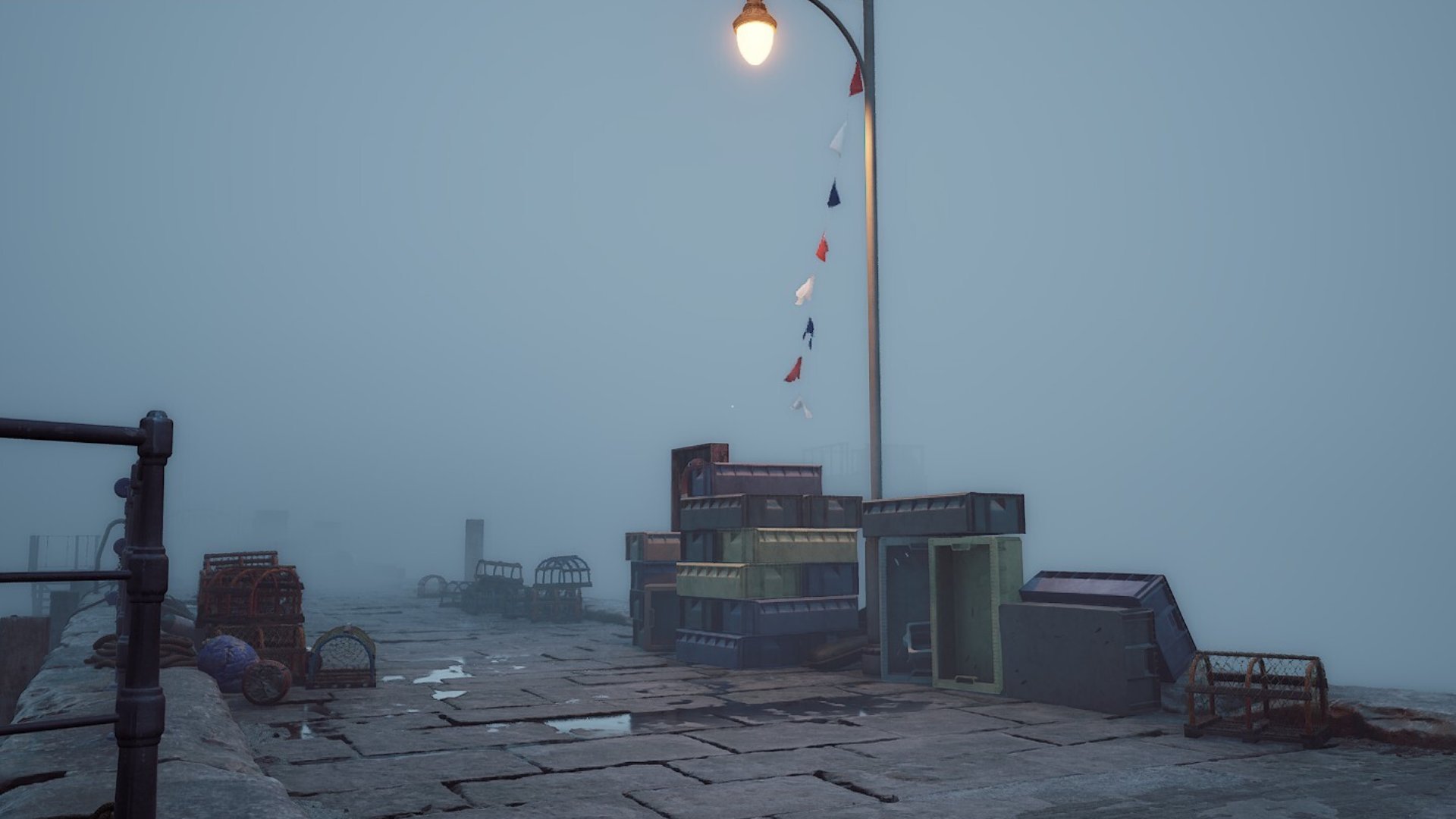
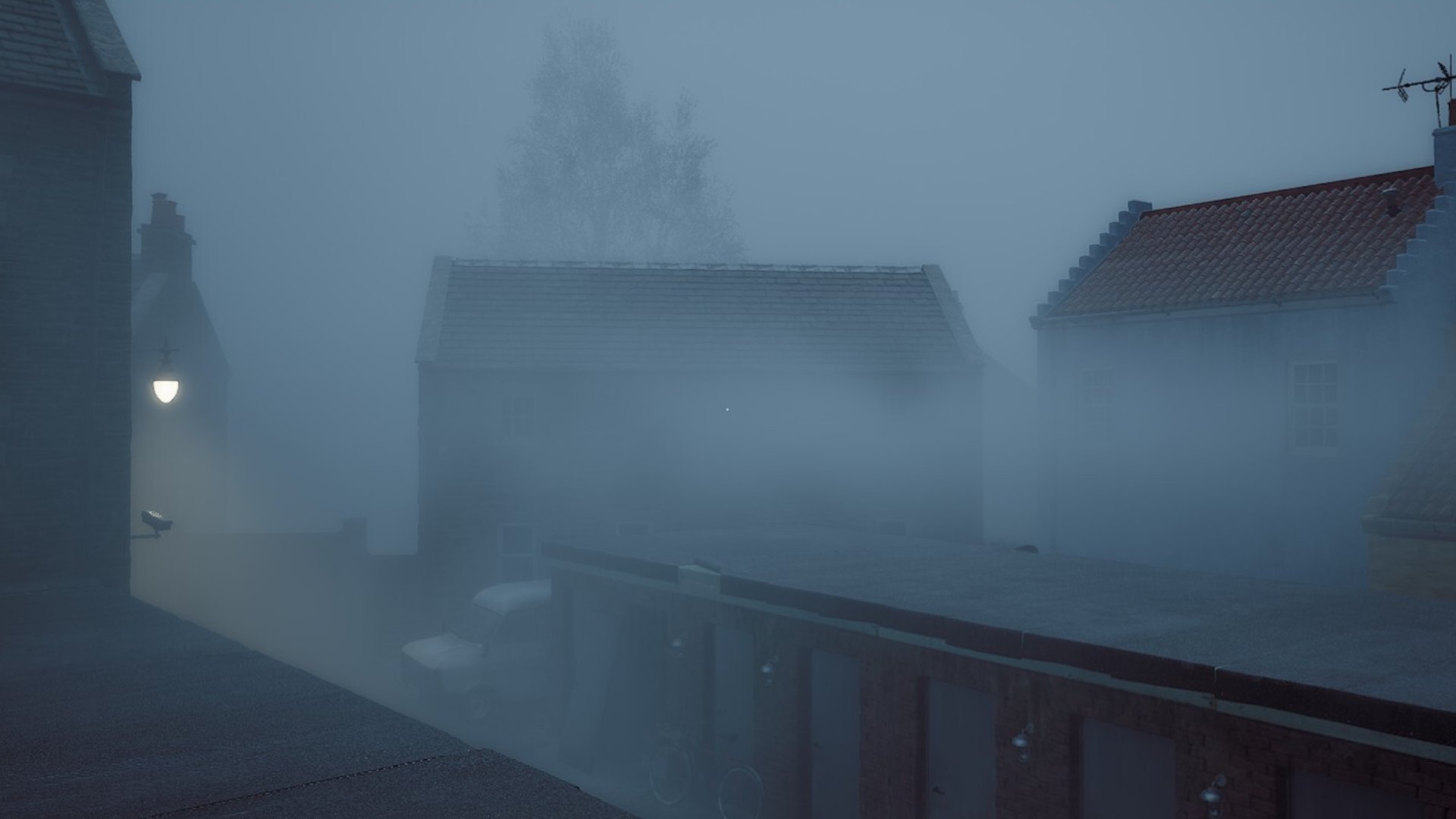
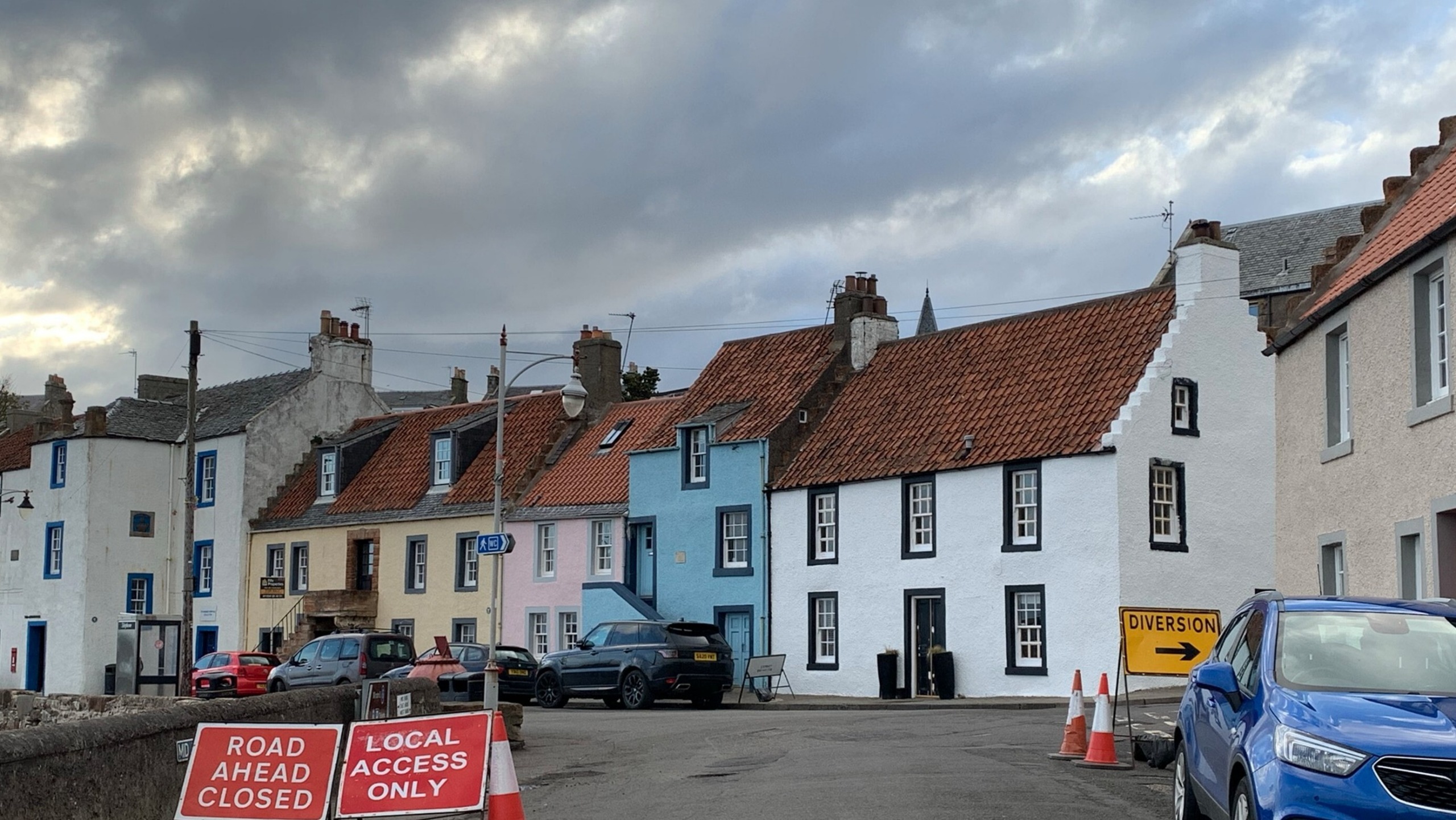
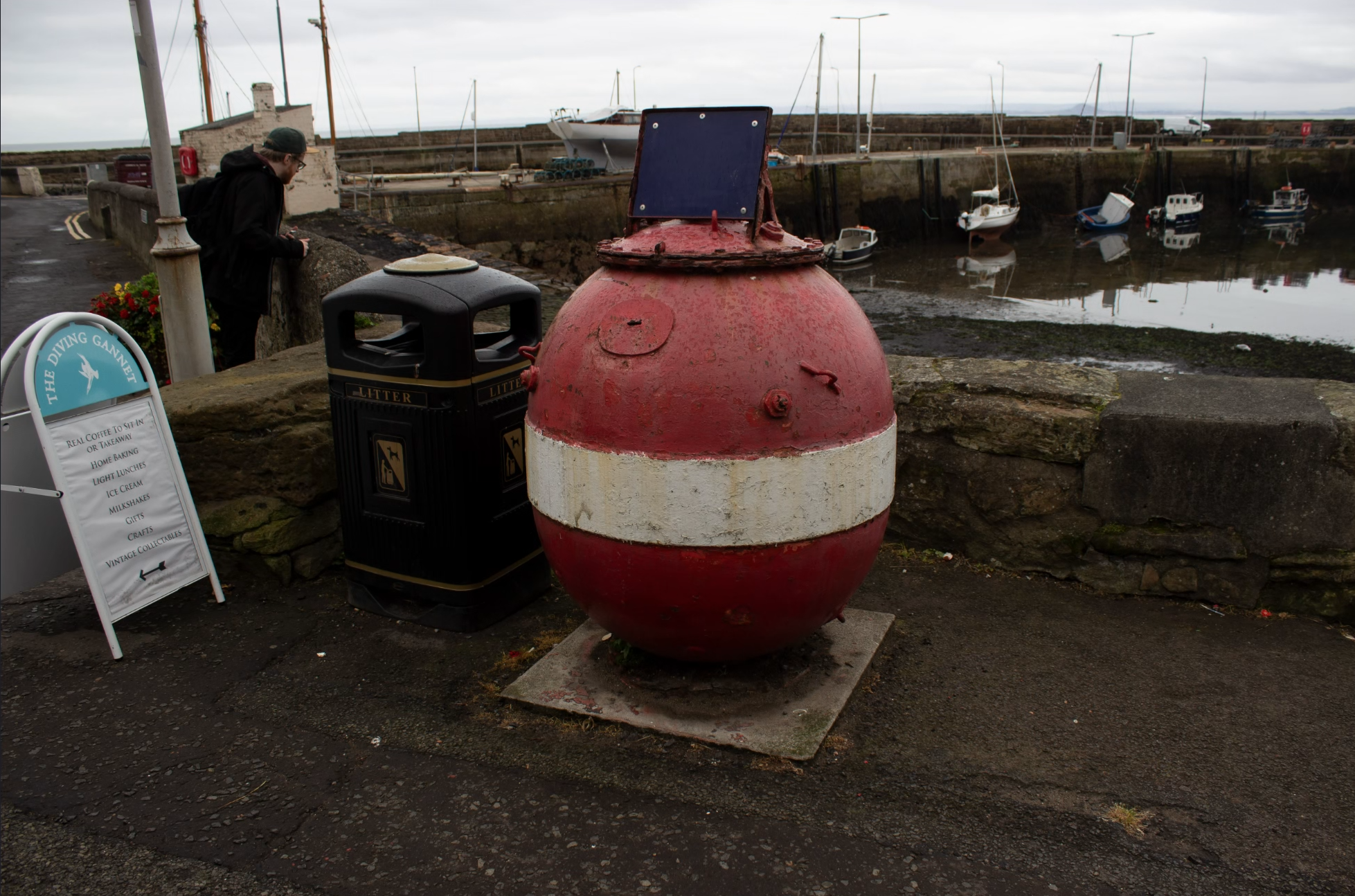
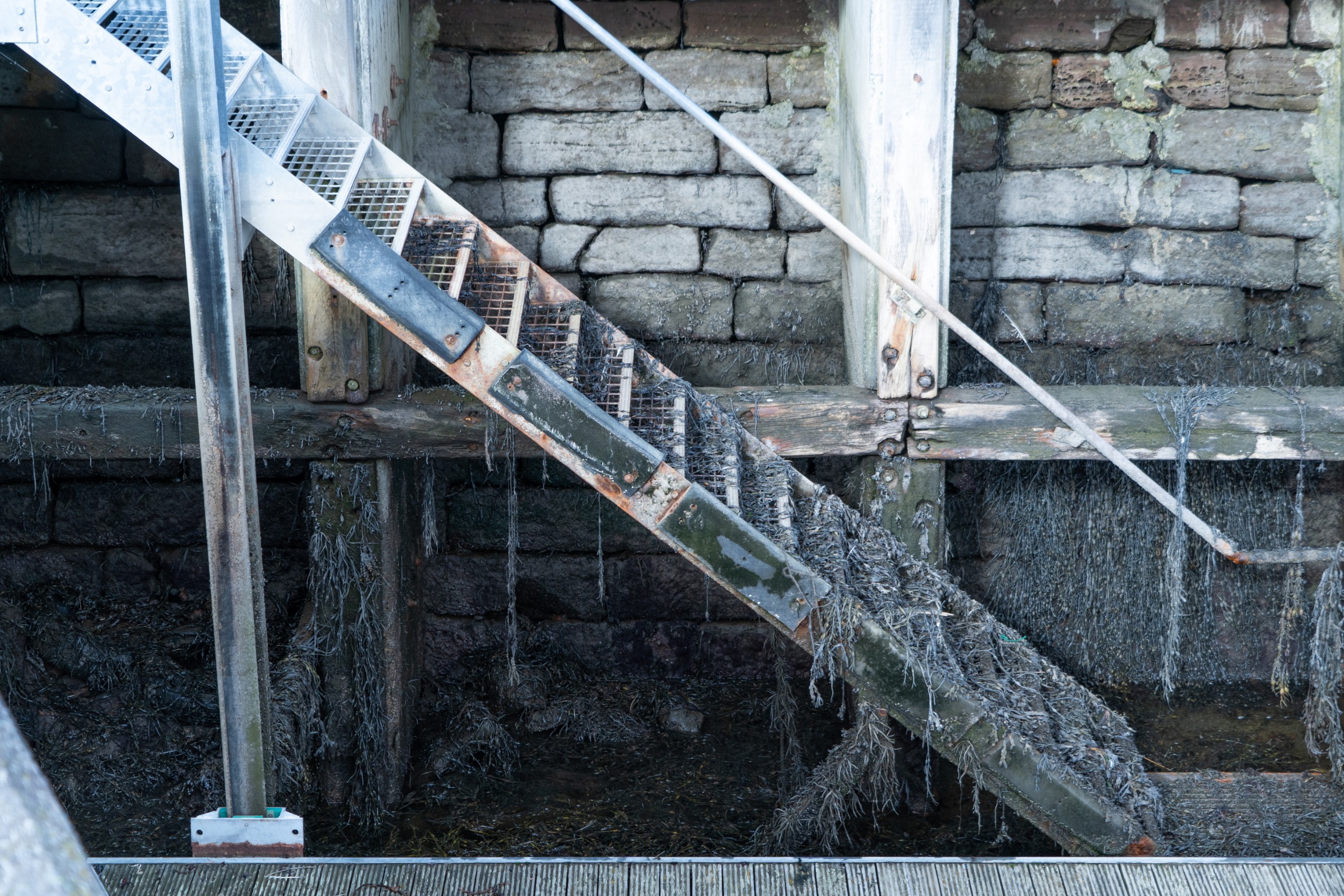
To achieve this level of fidelity, the team embarked on extensive field research across Scotland and Northern England. They journeyed down the Fife coast to spots like St. Monans—a quiet, historic fishing village where time appears to have stood still—and traveled over 100 miles north of the mainland to Lerwick in the Shetland Isles. These locations provided the blueprint for St. Amelia’s architectural layout: curved, non-grid road systems radiating outward from a port, flanked by tightly packed stone houses that naturally project a sense of both coziness and suffocating isolation.
Because the team captured thousands of reference photographs and utilized LiDAR scanning technology on real streets, traditional concept art was largely bypassed. They walked ancient alleyways with iPhones and SLRs, stitching together 3D-scanned environments inside Unreal Engine to determine exact road widths, drainage depths, and material palettes. This reliance on physical reality dictated everything down to the stone available for construction on a small island, binding the game’s aesthetic into a cohesive, oppressive whole.
Supporting Context & Metrics: Rebuilding the 1990s UK Aesthetic
Recreating a specific era and geographic region requires more than just high-resolution textures; it demands an intimate understanding of cultural memory. This is where Screen Burn faced its greatest challenges—and achieved its most triumphant details.
Escaping the Hollywood Trap
A major hurdle in designing a 1990s British setting is filtering out the pervasive influence of American media. Modern internet archives tend to sanitize or stylize the late 20th century through the lens of neon-drenched vaporwave or hyper-saturated Americana.
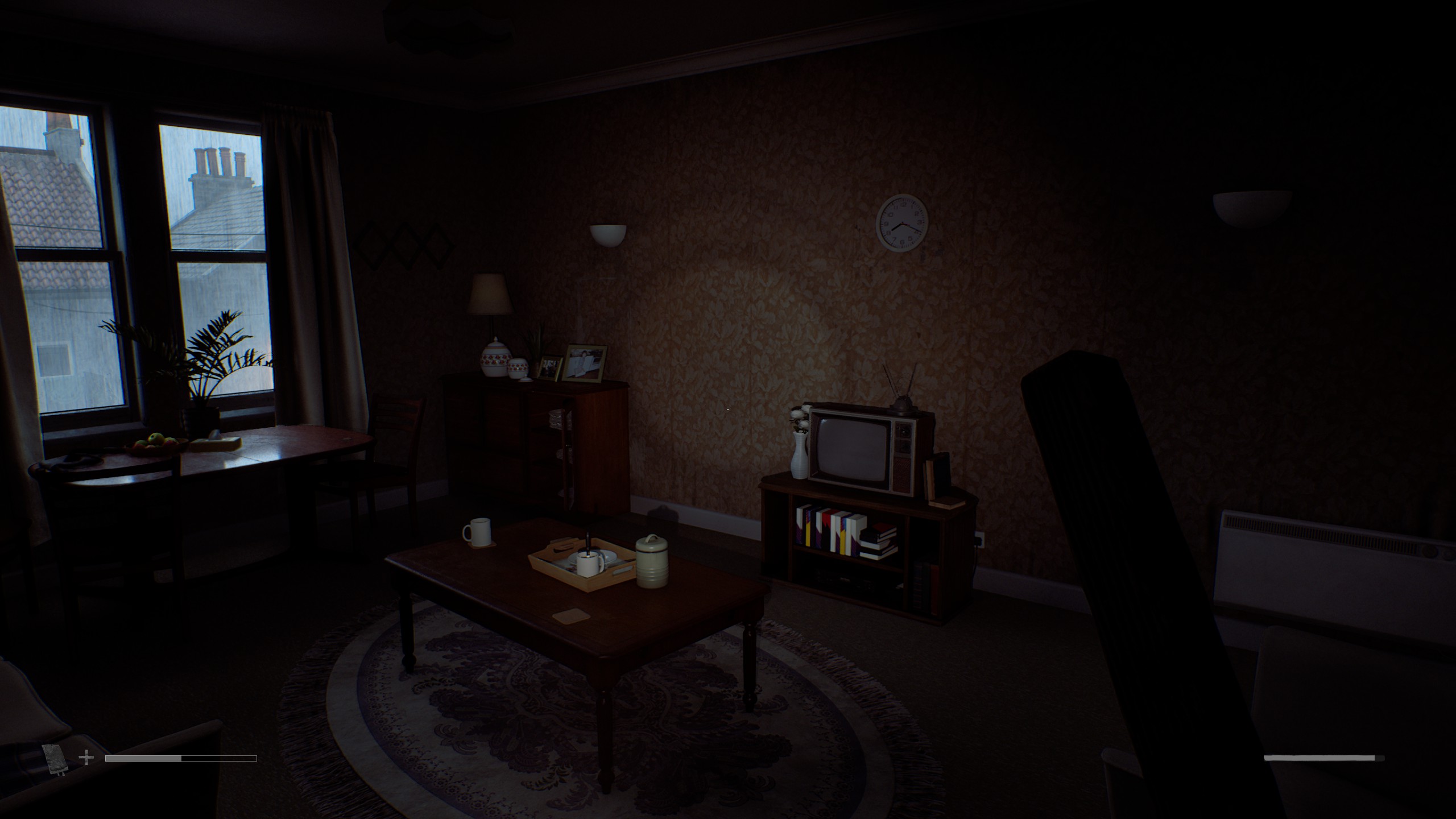
"Especially in the UK, it’s just grey," explains director Jon McKellan. "Grey, wet, dull. Everything’s navy. Very concrete. Once you get past the early 2000s, what you find on the internet is very much the stylised version of it… You’ve got to literally dig out photo albums from your granny’s house and start searching through things that way."
Sourcing the Mundane
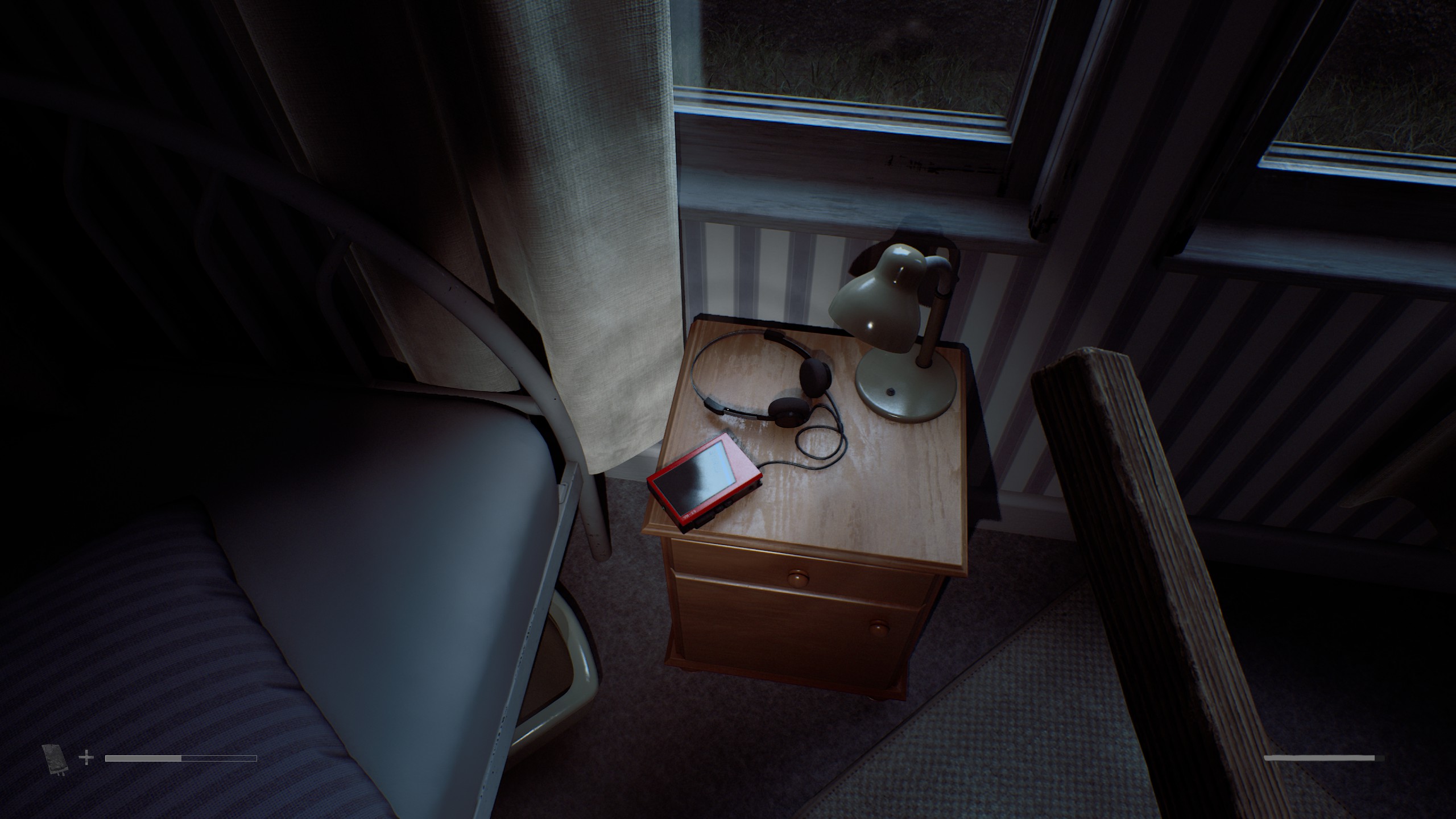
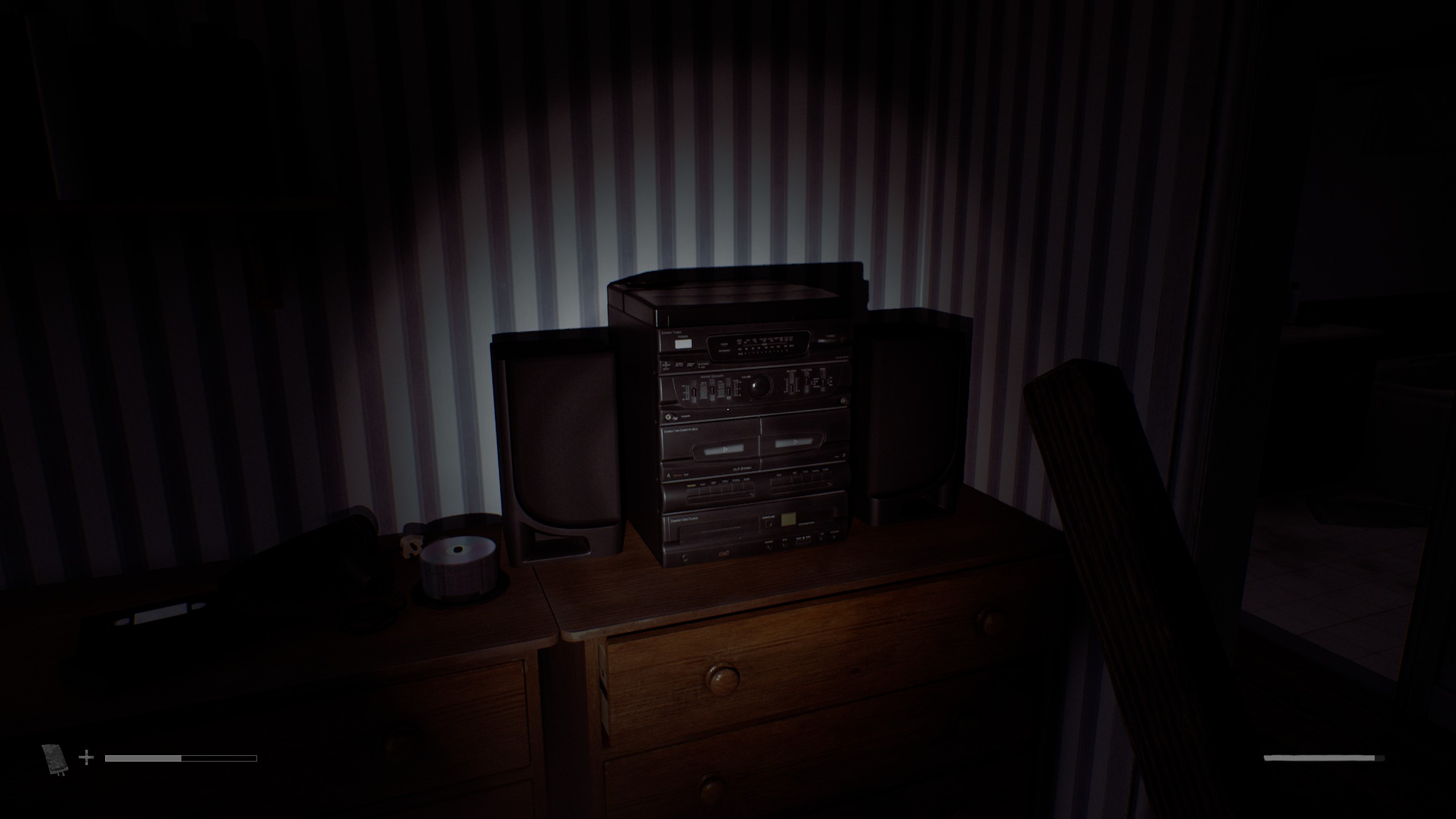
To combat this, the team relied on personal archives, scanned 1990s Argos catalogues for period-accurate electronics, and deeply personal contributions.
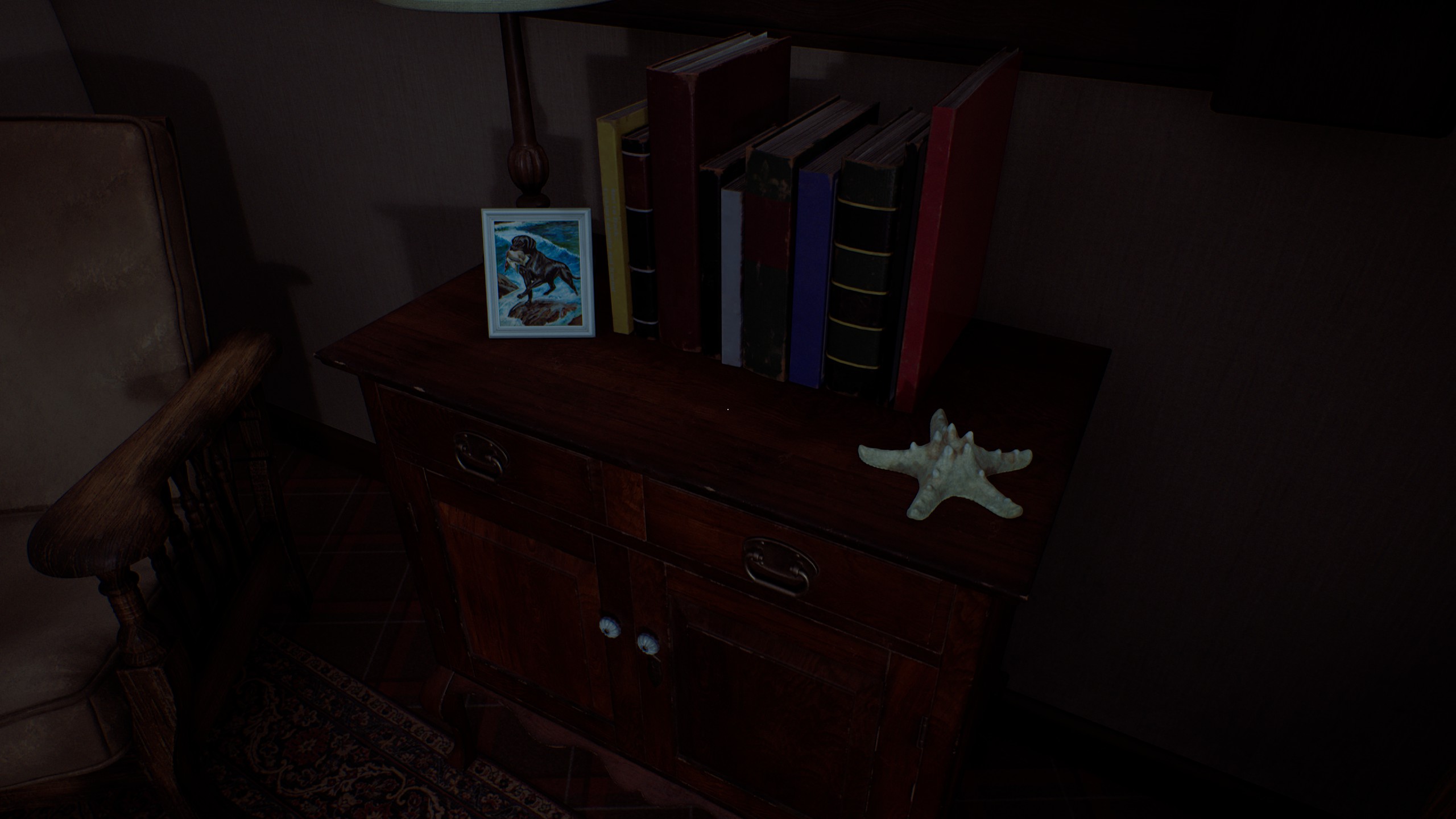
The Art of Memory: Rather than generating synthetic period artwork, the game features actual paintings created by Andrew Hall, McKellan’s wife’s great-grandfather, who passed away in 1953. These working-class Glaswegian hobbyist paintings provide an un-faked, melancholic window into the past.
Generational Input: Art producer Lee McKellan integrated old family photographs taken with analog cameras, while the developers’ children contributed hand-drawn pictures and notes that litter the town’s interiors.
Technological Relics: The developers painstakingly recreated authentic period software aesthetics, such as wobbly, 3D Word Art on health clinic walls, capturing the exact clumsy charm of early digital office tools.
The Corporate Shadow: Pre- and Post-CEG
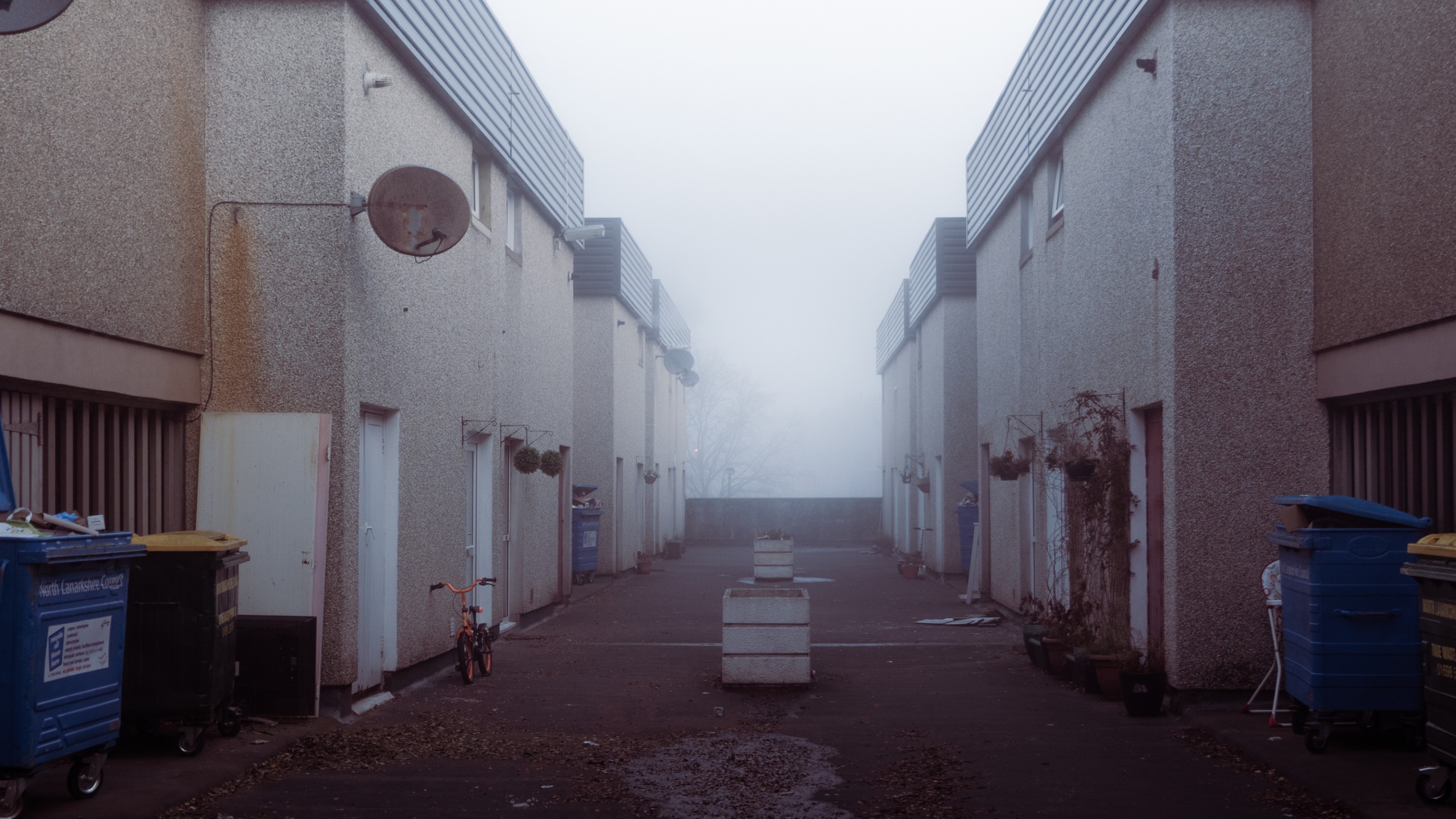
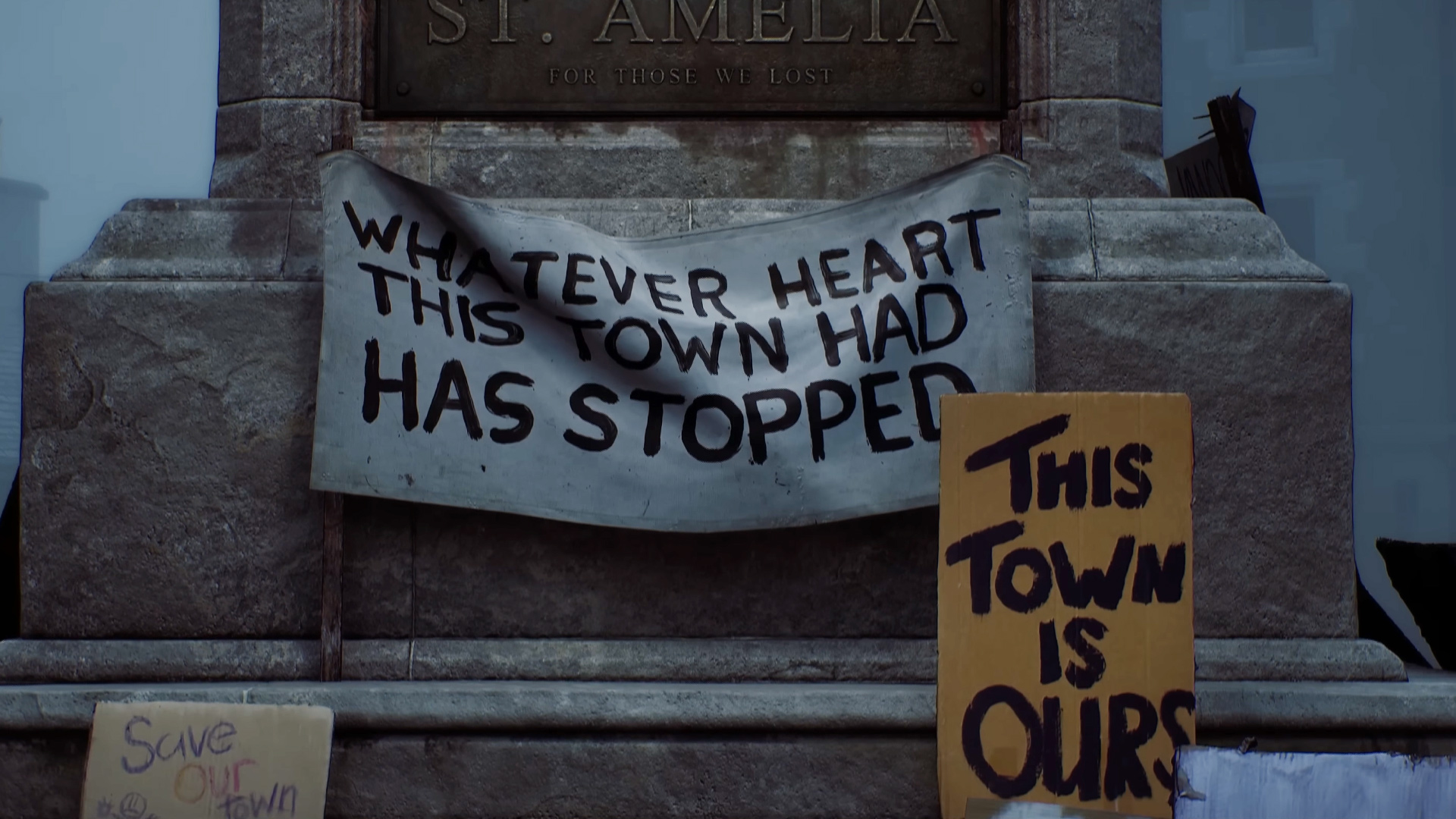
St. Amelia is not merely frozen in time; it is actively decaying under the weight of late-stage corporate expansion. The town balances its traditional fishing roots against the sterile, austere concrete architecture of CEG, a massive conglomerate that funds local infrastructure in exchange for a stranglehold over the community.
This tension manifests physically in locations like Clara Woods, a stark residential zone that serves as a visceral reminder of corporate encroachment. By illustrating the stark contrast between a self-sustaining pre-CEG village and a post-CEG landscape, the game grounds its supernatural horrors in genuine socio-economic anxieties.
Official Statements and Design Philosophy
The creative leadership behind Silent Hill: Townfall have been remarkably transparent about how psychological grounding fuels effective horror.
+-------------------------------------------------------------------------+
|                  CORE DESIGN PILLARS OF ST. AMELIA                      |
+---------------------------+---------------------------------------------+
| Grounded Authenticity     | 1:1 real-world scaling via LiDAR scanning.  |
| Narrative-Driven Monsters | Manifestations of trauma, grief, and abuse. |
| Subversive Exploration    | Rewarding curiosity while limiting pacing.  |
| Psychological Contrast    | Mundane British grey juxtaposed with dread. |
+---------------------------+---------------------------------------------+
On Grounded Horror
Art director Paul Abbott noted that his upbringing in the bleak landscape of Northern England during the 1970s and ’80s heavily influenced the eerie, abandoned atmosphere of the game. This aesthetic channels classic British horror television, where spaces that were recently lived in suddenly feel overwhelmingly desolate.
Jon McKellan emphasized that horror—whether sci-fi or supernatural—derives its power from believability:
"If you can buy into the world, if it’s familiarity or detail or touch points that people can relate to—all of that starts to build a subconscious picture. And when you turn it on its head and flip it, it becomes all the more unsettling. If everything was completely crazy, then nothing’s crazy."
Monsters as Tragic Mirrors
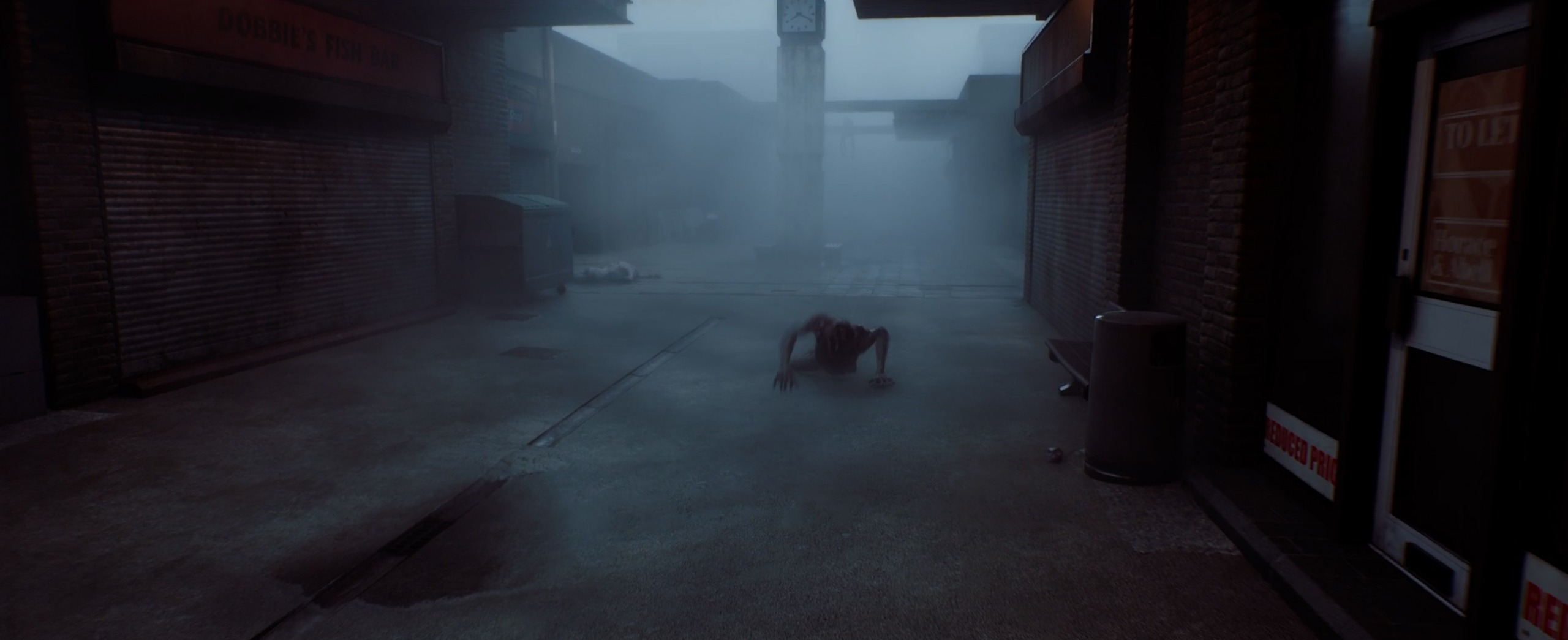
Adhering to the psychological roots of the Silent Hill franchise, the creatures inhabiting St. Amelia are visual manifestations of the protagonists’—and the town’s—inner demons. Eschewing immediate, grotesque shock value in favor of tragic human silhouettes, enemies like the "Widows" (faced while playing as Richard) resemble women wearing mourning veils. Up close, however, those veils dissolve into slimy flesh, interwoven with the very protest placards used by townsfolk to condemn CEG after the industrial deaths of their husbands.
Similarly, encounters with entities like "The Sorrowful"—a burned man standing in a hallway—challenge players to look beyond simple combat. The game actively discourages mindless violence; players who indiscriminately gun down these tragic apparitions are greeted with an achievement titled "Missing the Point Entirely," underscoring the narrative emphasis on empathy, observation, and listening over brute force.
Future Outlook: A New Benchmark for Psychological Horror
With Silent Hill: Townfall now available to players worldwide, Screen Burn’s gamble on radical, localized authenticity has paid immense dividends. By tethering supernatural dread to the hyper-specific, grey-drenched reality of a 1990s Scottish coastal village, the studio has achieved something rare in modern game development: a horror experience that feels painfully, intimately close to home.
The success of St. Amelia signals a vital shift for the broader Silent Hill universe. It proves that major intellectual properties can thrive when publishers grant boutique studios the creative freedom to experiment, dig deep into their cultural roots, and prioritize immersive world-building over predictable genre tropes. As players continue to peel back the layers of St. Amelia’s tragic history—from its ancient missionary roots to its modern corporate exploitation—Townfall cements its status not just as a triumphant return for Konami’s flagship horror brand, but as a landmark achievement in spatial storytelling and psychological terror.








Belum ada komentar. Jadilah yang pertama berkomentar!