

The intersection of generative artificial intelligence and the video game industry continues to be a volatile frontier, characterized by frequent clashes between traditional creators and automated tech ventures. On October 20, this tension flared into public view when the CEO of "AI storytelling" enterprise Nura Studios published a promotional tribute to Machinarium, the celebrated 2009 point-and-click puzzle adventure developed by the acclaimed Czech indie studio Amanita Design.
The tribute—a short, generative AI-derived video utilizing the distinctive, hand-crafted visual assets of Machinarium—was met not with polite indifference, but with swift, unvarnished condemnation. Amanita Design, renowned globally for its meticulous artistic vision and distinct aesthetic, publicly dismantled the post on social media. Labeling the creation "AI slop" and arguing that genuine love letters must be "handwritten," the studio’s sharp rebuke forced a rapid retreat from Nura Studios, culminating in a deleted post and a public apology from its chief executive.
This incident serves as a bellwether for the broader anxieties plaguing the creative sectors. As generative models become more sophisticated and accessible, companies that market themselves as "human-led AI platforms" increasingly scrape, mimic, and recontextualize protected artistic IP under the banner of "homage" or "inspiration." For independent developers who pour years of painstaking human effort into unique, hand-drawn, or clay-molded aesthetics, the encroachment of generative algorithms represents an existential threat to the integrity of their craft. This report provides a detailed examination of the clash between Nura Studios and Amanita Design, exploring the wider implications for intellectual property, the backlash against generative media in gaming, and the mounting tension surrounding upcoming releases like the recently announced Machinarium 2.
Detailed Chronology of the Clash
The sequence of events unfolded rapidly across social media platforms on October 20, capturing the attention of industry observers, artists, and gamers alike.
The Inciting Incident
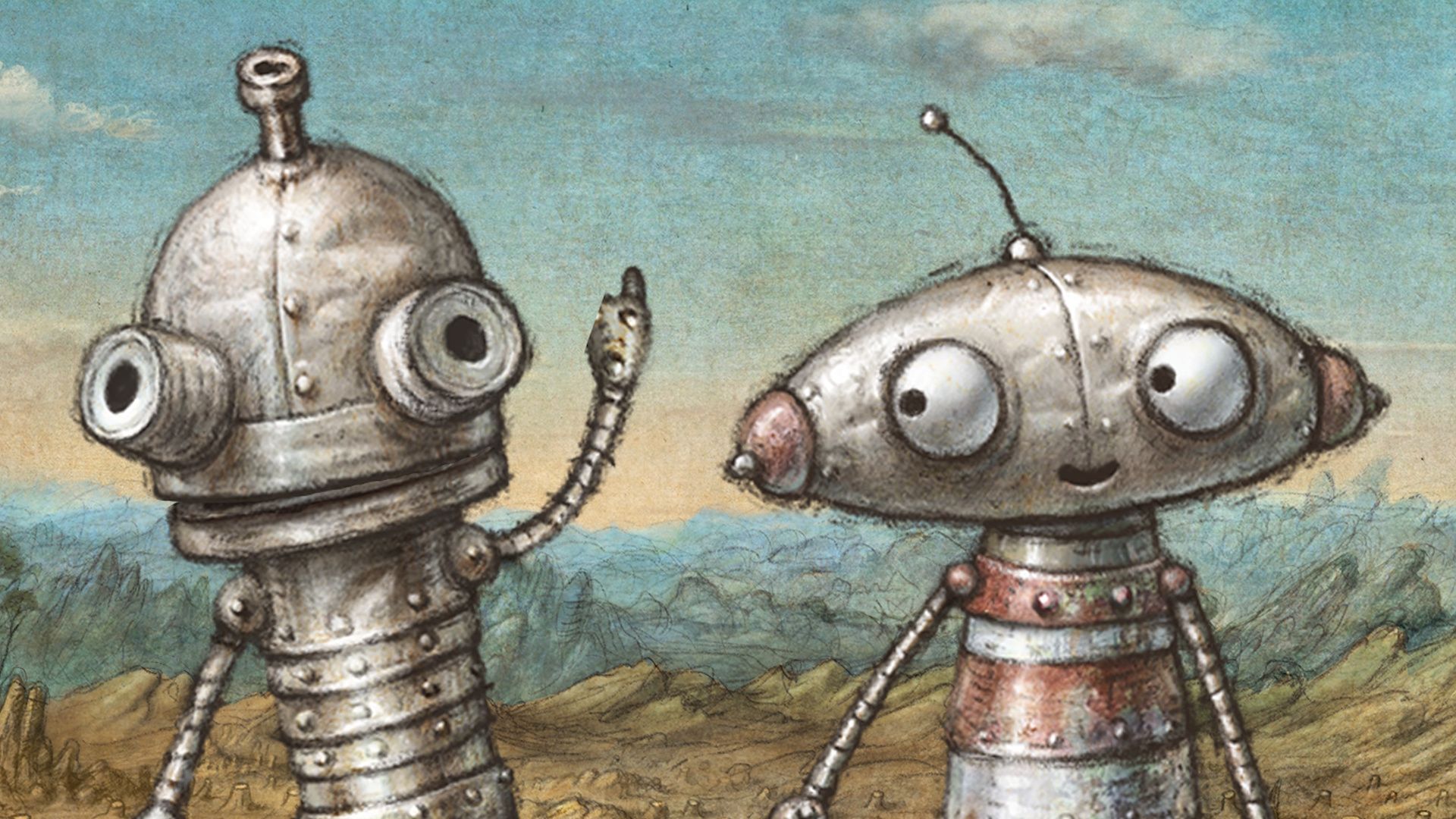
On October 20, Sylvio Drouin, CEO of Nura Studios—a company styling itself as an "AI storytelling" platform designed to "empower creators"—shared a video tribute dedicated to Amanita Design’s cult classic Machinarium. The 2009 title is widely regarded as a masterpiece of atmospheric puzzle design, celebrated for its melancholic, rusted-metal aesthetic, hand-drawn backgrounds, and rich, non-verbal storytelling.
The video posted by Drouin immediately raised red flags within the gaming community. Although it was live for only a brief period before being scrubbed, keen-eyed observers noted the hallmark artifacts of generative video tools: unnatural warping, a superficial veneer over signature textures, and an uncanny-valley motion profile. To anyone familiar with Amanita’s painstaking artistic process, the video was unmistakably a derivative product generated by feeding proprietary assets into an AI pipeline.
Amanita’s Uncompromising Response
Rather than ignoring the post—a common corporate strategy intended to starve minor provocateurs of oxygen—Amanita Design chose a combative and fiercely protective stance. The Czech studio, known for its fierce independence and uncompromising artistic standards, took to X (formerly Twitter) to publicly eviscerate the tribute.
"The audacity to feed Machinarium assets to AI, make AI slop animations, and call it a love letter…" the studio posted. "Love letters are supposed to be handwritten. This looks disgusting and has nothing to do with us or our craft."
The blunt phrasing sent shockwaves through the indie development community. In an industry where corporate channels usually favor sanitized, PR-vetted language, Amanita’s raw rejection resonated deeply with artists and developers who feel increasingly besieged by the unregulated harvesting of their portfolios for machine learning training sets.
The Retreat and Apology
Faced with overwhelming pushback from both the rights holders and the wider gaming public, Nura Studios quickly folded. The original post was deleted within hours. Shortly thereafter, Nura Studios CEO Sylvio Drouin issued a public statement attempting to walk back the stunt.
"We are so sorry for the post we did," Drouin tweeted. "We thought it was an homage to your amazing work and I already deleted the posts, again please accept our sincere apologies."
Despite the swift contrition, Amanita Design withheld any public acknowledgment or acceptance of the apology, leaving the interaction frozen at a point of tense hostility. At the time of writing, the studio has made no further public statements regarding potential legal recourse, though the psychological line in the sand has been indelibly drawn.
Supporting Context and Industry Metrics
To fully understand the weight of Amanita Design’s reaction, one must examine both the artistic pedigree of the studio and the burgeoning, often controversial business model of companies like Nura Studios.
The Artisan Legacy of Amanita Design
Founded in Brno, Czech Republic, by Jakub Dvorský in 2003, Amanita Design has carved out a singular niche in the global video games landscape. Rejecting the photorealistic arms race of AAA publishers, the studio relies heavily on traditional artistic mediums. Titles such as Machinarium, Samorost, Botanicula, and Creaks are characterized by hand-drawn vector art, stop-motion animation, traditional painting techniques, and intricate, physical set design.
Creating a single Amanita game requires years of iterative human labor. Every cog, rust stain, creature, and musical note (often composed in collaboration with ambient acts like Floex) is intentionally placed. To see this painstaking artisan work ingested by a neural network and regurgitated as generic, compressed video frames is, from the perspective of the creators, the ultimate artistic insult.
The Rise of "AI Storytelling" Ventures
On the opposite side of the spectrum sits Nura Studios. Operating under the banner of "empowering creators with a human-led AI platform," startups in this ecosystem pitch generative models as democratizing tools for narrative art. However, their marketing materials and web presences—often plastered with uncanny, hyper-smooth fantasy illustrations reminiscent of prompt-heavy image generators—frequently draw skepticism.
Critics argue that these platforms rely on copyrighted works to train models without the consent or compensation of the original creators. When executives from these firms appropriate beloved indie classics for "tributes," it is frequently viewed less as a genuine homage and more as parasitic marketing—leveraging established brand equity and nostalgic goodwill to drive visibility for unproven tech ventures.
+-----------------------------------+-----------------------------------+
|      Amanita Design Approach      |      Nura Studios Approach        |
+-----------------------------------+-----------------------------------+
| • Hand-crafted vector art         | • Generative AI pipelines         |
| • Years of meticulous human labor | • Algorithmic video synthesis     |
| • Strict protection of IP assets  | • "AI storytelling" frameworks    |
| • Artistic authenticity           | • Promotional "homage" marketing  |
+-----------------------------------+-----------------------------------+
Official Statements and Industry Reactions
The exchange between Amanita Design and Nura Studios sparked a wider conversation across social media, drawing commentary from prominent figures in game development, art curation, and copyright law.
The Studio’s Stance
Amanita Design’s refusal to mince words highlighted a growing sentiment among independent developers: politeness toward generative tech trespassers is no longer mandatory. By labeling the output "disgusting" and "AI slop," the studio highlighted the deep emotional disconnect between software developers who view art as data points to be processed and artists who view their creations as extensions of their identity.
The Apology and Its Reception
Sylvio Drouin’s defense that the video was meant as an "homage" fell flat with the vast majority of industry observers. In creative fields, an homage typically requires an investment of personal skill—drawing a fan art piece, writing an analysis, or composing a cover song. Feeding compressed image data into an automated diffusion model requires negligible effort, making the label of "love letter" ring hollow to those whose livelihoods depend on creative skill.
"Calling an algorithmically generated video a love letter is an insult to the concept of labor," noted one prominent indie developer on social media following the incident. "It takes zero love to type a prompt; it takes years of love to build a world like Machinarium."
Future Outlook: The Shadow of Machinarium 2
The timing of this controversy is particularly significant given recent announcements from the Czech developer. Earlier in the month, Amanita Design officially unveiled Machinarium 2, sending waves of excitement through the point-and-click adventure community eager to return to the iconic world of Josef the robot.
As anticipation builds for the sequel, the stakes for protecting the franchise’s intellectual property have never been higher. Independent studios are increasingly forced to maintain a defensive posture against unauthorized data scraping and generative replication.
Implications for Game Development
- Stricter IP Enforcement: Studios are likely to implement more aggressive monitoring for unauthorized use of their assets in machine learning training sets.
- Community Solidarity: The overwhelmingly positive response to Amanita’s aggressive pushback demonstrates that the consumer base largely stands with human artists against unsolicited generative content.
- Escalating Cultural Friction: As companies like Nura Studios continue to pitch generative tools to the market, clashes between algorithmic startups and artisan creators are expected to intensify.
For now, Machinarium 2 remains one of the most anticipated indie sequels in recent memory, unsullied by the automated approximations of tech interlopers. Amanita Design’s uncompromising stance has sent a clear message to the broader tech sector: the worlds crafted by human hands are not open-source raw materials for the digital machine.



Belum ada komentar. Jadilah yang pertama berkomentar!