

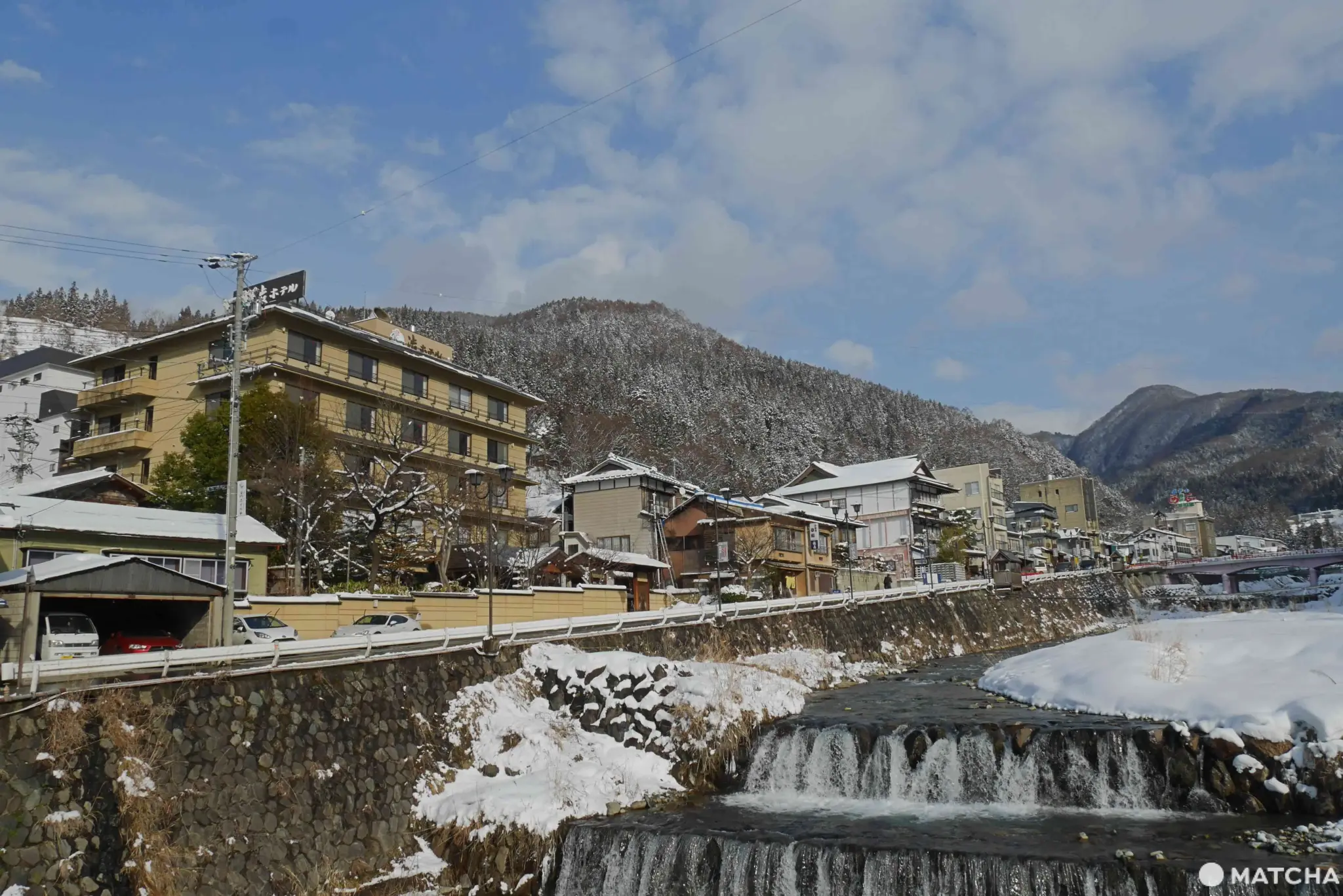
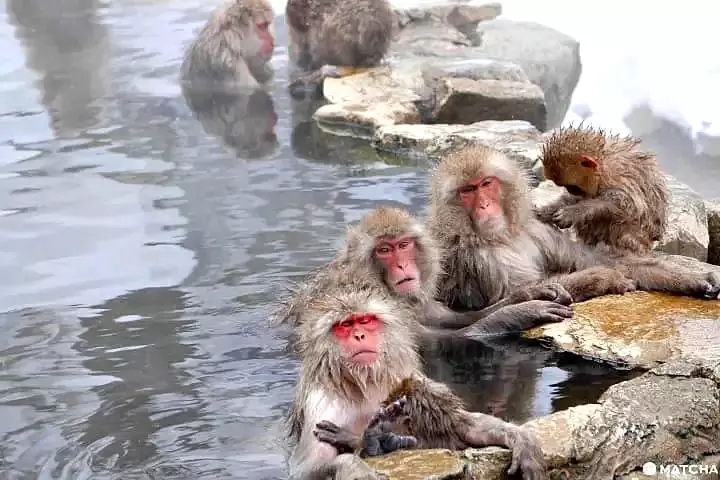
Nestled within the snow-blanketed valleys of Nagano Prefecture’s Joshin’etsu-Kogen National Park lies one of the most remarkable wildlife spectacles on the planet: Jigokudani Monkey Park. While captive animals utilizing thermal springs are a common feature in zoos worldwide, the wild Japanese macaques (Macaca fuscata) of Jigokudani independently mastered the art of hot-spring bathing as an adaptation to brutal winter conditions. Today, their serene, blissfully relaxed expressions draw hundreds of thousands of international travelers, naturalists, and photographers to the region annually.
Often dubbed "Hell Valley"—a moniker earned from its steep, rugged cliffs and billowing thermal steam—Jigokudani experiences harsh winters featuring snowpacks exceeding one meter and ambient temperatures plunging to a bitter -10°C (14°F). The monkeys’ distinctive lifestyle is not merely a novelty; it is a meticulously documented behavioral adaptation that has captured global media attention for over half a century.
Beyond the primate spectacle, the surrounding Yamanouchi region offers a masterclass in Japanese winter tourism. Visitors can seamlessly pair their wildlife excursion with visits to historic hot spring towns like Shibu Onsen and Yudanaka Onsen, sample exceptional regional gastronomy such as Shinshu Salmon and hand-crafted buckwheat soba, and utilize streamlined transit options like the Snow Monkey Pass. This report provides a comprehensive guide to navigating, appreciating, and understanding Nagano’s premier winter destination.
Detailed Chronology and Historical Context
To truly appreciate the cultural and ecological significance of Jigokudani Monkey Park, one must trace its origins from an isolated alpine valley to an internationally recognized sanctuary.

1964: Establishment of the Park
Jigokudani Yaen-Koen (Jigokudani Monkey Park) was officially established in 1964. The primary objective was straightforward yet pioneering for its time: to create a protected environment where researchers and wildlife enthusiasts could observe the natural behavior of wild Japanese macaques without human interference or aggressive artificial habituation. At the time, the local troop of monkeys faced extreme pressures from encroaching human development and punishing alpine winters.
1970: Global Recognition
The park’s fame transcended national borders in 1970 when a photograph of a bathing macaque graced the cover of Life magazine. Western audiences were captivated by the surreal imagery of wild primates soaking in steaming geothermal waters, their frost-dusted fur contrasting sharply with the mineral-rich blue pools. This seminal moment cemented the region’s reputation on the global tourism map.

1998: The Nagano Winter Olympics Turning Point
The watershed moment for modern tourism came in February 1998 during the XVIII Olympic Winter Games hosted in Nagano. International journalists, athletes, and spectators flooded the region, and extensive broadcast coverage of the "snow monkeys" propelled Jigokudani from a niche destination into a bucket-list global attraction. Infrastructure upgrades, improved transit links, and international guide services soon followed, transforming the once-remote valley into an accessible eco-tourism hub.
Supporting Context and Metrics: Access and Logistics
Reaching the snow-covered trails of Jigokudani requires a well-planned journey from Tokyo, blending high-speed rail with regional buses or local electric railways.

Step 1: Shinkansen Transit to Nagano Station
The transit journey begins at Tokyo Station or Ueno Station, where travelers board the Hokuriku Shinkansen. The bullet train covers the distance to Nagano Station in approximately 80 minutes, offering smooth, high-speed transit through Japan’s central mountain ranges.
Step 2: Selecting a Local Route to the Park
From Nagano Station, visitors have two primary pathways to reach the Snow Monkey Park area:

- Option A: The Direct Express Bus (Nagaden Express Bus)
- Departure: Stops 23 or 24 at Nagano Station’s East Exit.
- Route: Bound for Shiga Kogen; disembark at the "Snow Monkey Park" bus stop.
- Fare: 1,400 yen one-way.
- Advantage: Provides a direct, transfer-free journey.
- Option B: Train and Local Bus Combination
- Rail Leg: Take the Nagano Electric Railway (Nagaden) Line from Nagano Station to its final terminus, Yudanaka Station (1,160 yen one-way, taking roughly 45–50 minutes on limited express services).
- Bus Leg: Transfer at Yudanaka Station to a local bus bound for Kanbayashi Onsen (310 yen one-way).
- Winter Travel Tip: The 40-minute Yumichi Trail leading from the bus drop-off to the park entrance is frequently wet, muddy, or icy during peak winter months. Travelers can rent sturdy snow boots for 500 yen per day at the Information Center located immediately outside Yudanaka Station.
Financial Optimization: The Snow Monkey Pass
For travelers intending to explore regional hot spring towns alongside the monkey park, the Snow Monkey Pass (priced between 4,800 and 5,100 yen for adults; 2,400 to 2,550 yen for children) offers exceptional value.
| Pass Inclusions Matrix: | Feature | Included Services |
|---|---|---|
| Park Admission | Single-entry admission ticket to Jigokudani Monkey Park | |
| Rail Network | Unlimited rides on all Nagano Dentetsu (Nagaden) Lines (including express services) | |
| Express Transit | Unlimited rides on the Shiga Kogen Express Bus | |
| Local Transit | Unlimited rides on Shiga Kogen Line and Kanbayashi Line local buses | |
| Purchase Points | Nagano, Gondo, Suzaka, Obuse, and Yudanaka stations |
Official Guidelines and Ecological Observations
Operating within a protected national park alongside wild primates necessitates strict adherence to conservation and safety protocols. The macaques at Jigokudani are completely wild; they are not tame zoo animals, and their behaviors can be unpredictable if boundaries are ignored.

Strict Park Regulations for Visitors
- No Feeding: Under no circumstances should visitors offer food or snacks to the monkeys. Feeding alters their natural foraging habits and can lead to aggressive behavior.
- No Eating or Drinking on Trails: Consumption of food and beverages is strictly restricted to designated rest areas to prevent littering and animal habituation.
- Maintain Distance: Visitors must refrain from attempting to touch, pet, or crowd the macaques. A respectful buffer zone must be maintained at all times.
- No Selfie Sticks: The use of selfie sticks and monopods is strictly prohibited. Extending poles close to the animals can startle or threaten them, increasing the risk of defensive strikes.
Behavioral Insights Beyond the Springs
While hot spring immersion is the primary draw, it is not a constant activity. On exceptionally cold winter days, visitors will frequently observe the macaques huddled together along artificial thermal heating pipes to conserve body heat, or drinking the mineral-rich geothermal water to supplement their diets. Social grooming, playful wrestling among juveniles, and territorial displays among troop alphas offer a fascinating glimpse into complex primate social structures.
Surrounding Attractions: Shibu Onsen and Yudanaka Onsen
A trip to Jigokudani is incomplete without experiencing the historic hot spring (onsen) culture deeply rooted in Yamanouchi’s volcanic landscape.

Shibu Onsen: A Nostalgic Step Back in Time
Located a brief 10-minute local bus ride from Kanbayashi Onsen, Shibu Onsen transports visitors to the Taisho and Showa eras. Characterized by narrow, lantern-lit cobblestone alleys and traditional wooden ryokan inns, the town exudes an authentic, timeless atmosphere.
Shibu Onsen is celebrated for its abundant, high-volume thermal sources. Because the water volume and quality are exceptionally high, local ryokan and neighborhood public bathhouses (sotoyu) feature 100% natural, free-flowing hot spring water (gensen kakenagashi) without dilution or recirculation. Overnight guests receive complimentary keys granting access to all nine communal bathhouses along the famous "Nine Bath Tour" (Kyunomeguri), while day-trippers can enjoy the grand Oyu bathhouse or unwind at roadside footbaths.

Yudanaka Onsen and Station Culture
Situated at the terminus of the Nagano Electric Railway, Yudanaka Onsen centers around community-focused wellness. At Kaede-no-yu—located directly beside Yudanaka Station—visitors can soak in natural mineral waters for a modest 300-yen fee or relax at the complimentary outdoor footbath.
The surrounding district features artisanal bakeries and independent shops where travelers can sample fresh apple pastries crafted from world-class Nagano apples before boarding their return train. For the rail enthusiast, the journey back to Nagano City aboard Nagaden’s Yukemuri limited express train offers sweeping panoramic views of the snowy mountain valleys through wide front-and-rear observation seating.

Gastronomic Excellence: Must-Try Nagano Cuisine
Nagano Prefecture’s high-altitude climate, volcanic ash soil, and pure alpine runoff create an ideal ecosystem for distinctive regional delicacies.
1. Shinshu Salmon
Landlocked Nagano successfully crossbred two trout species to cultivate Shinshu Salmon, a premier aquaculture delicacy. Because these fish are sterile and do not expend biological energy on spawning, vital nutrients remain concentrated in their flesh. The resulting texture is extraordinarily tender, boasting a rich yet delicate fat profile that melts cleanly on the tongue with zero fishy aftertaste.

2. Horsemeat Sashimi (Basashi)
Rooted in the agricultural history of Southern Shinshu—where horses were historically raised for farming and transport—eating horsemeat is a celebrated regional tradition. Low in calories, rich in protein, and packed with bioavailable iron, basashi is served sliced thin like traditional sashimi, accompanied by sweet soy sauce, grated ginger, and minced garlic.
3. Shinshu Soba Noodles
Blessed with dramatic day-and-night temperature swings and nutrient-dense soil, Nagano produces some of the finest buckwheat (soba) in Japan. Dating back to the Edo period, Shinshu Soba is celebrated for its elastic chew, earthy fragrance, and clean finish. Culinary etiquette dictates that after finishing the noodles, diners should pour warm sobayu (the nutrient-dense water used to boil the noodles) into their remaining dipping sauce to savor every drop of the aromatic broth.

Future Outlook: Sustainable Tourism in Nagano
As global interest in eco-tourism and wildlife observation accelerates, Jigokudani Monkey Park stands as a test case for balancing high tourist volume with animal welfare and habitat preservation. Local municipal authorities, conservation groups, and transit operators continue to refine visitor management strategies—emphasizing educational signage, strict enforcement of distance protocols, and promotion of off-peak travel times.
Looking ahead, the integration of digital ticketing, improved multilingual wayfinding, and eco-friendly shuttle initiatives will further streamline the visitor experience. For travelers seeking a harmonious blend of pristine alpine nature, fascinating wildlife behavior, and world-class thermal relaxation, Nagano remains an unparalleled winter destination—proving that the allure of the snow monkeys will endure for generations to come.




Belum ada komentar. Jadilah yang pertama berkomentar!