

Executive Overview
The fragile peace between Apple and Epic Games—rekindled only recently after a grueling, multi-year legal battle that kept Fortnite out of the U.S. App Store for half a decade—faced an unexpected and jarring hurdle in June 2025. Just weeks after making a triumphant return to iOS devices, the world’s most popular battle royale game suffered a catastrophic compatibility failure for users running Apple’s next-generation operating system previews, iOS 26 and iPadOS 26.
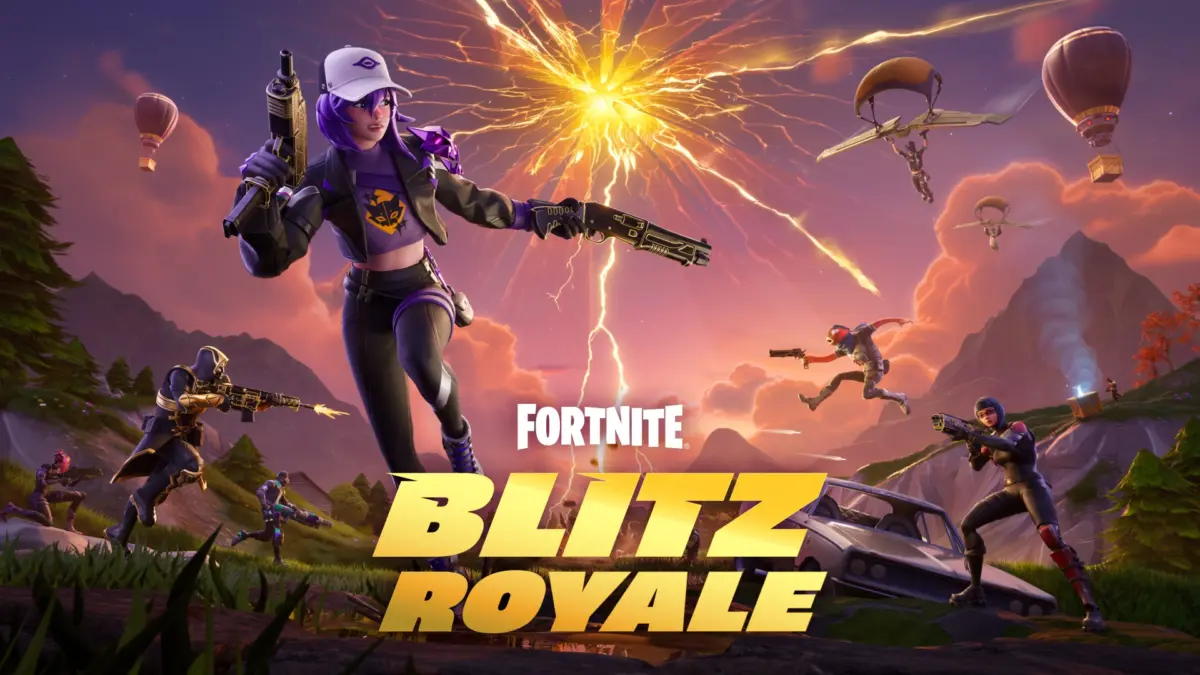
The disruption began when Epic Games rolled out version 36.10.1 of Fortnite, a major update anchored by the debut of Blitz Royale, an action-packed, fast-paced mobile-first mode designed to wrap up intense matches in under five minutes. While the update successfully delivered fresh content to millions of players, it introduced a critical bug that caused the application to crash instantly upon launch for anyone utilizing the iOS 26 beta.
For early adopters, developers, and tech enthusiasts testing Apple’s upcoming software, the update effectively locked them out of the game entirely. Because online multiplayer titles require every participant to run the exact same game version, affected users were left with an impossible choice: downgrade their entire mobile operating system back to iOS 18 or wait indefinitely for a patch. Fortunately, the outage proved to be short-lived. Following a wave of public frustration across social media platforms, Epic Games deployed a hotfix just eight days later, restoring full compatibility with iOS 26.
This incident highlights the high-stakes, unpredictable nature of ecosystem development, where major software updates and platform shifts can instantly disrupt multi-billion-dollar gaming experiences.
Detailed Chronology of the Outage and Recovery
The sequence of events leading up to, during, and immediately following the Fortnite iOS 26 compatibility crisis underscores how rapidly technical friction can arise at the intersection of rival tech giants and high-profile developers.
The Return to iOS (May 2025)
In late May 2025, Fortnite officially made its long-awaited comeback to the U.S. App Store. Following the landmark antitrust litigation between Epic Games and Apple, which dismantled several monopolistic App Store restrictions, millions of American iPhone and iPad owners were once again able to download the game natively without resorting to complex workarounds or web-based streaming services. Overnight, the title shot to the top of the "Top Free Games" charts, proving that consumer demand for mobile battle royale action remained exceptionally high despite years of legal isolation.
![PSA: Fortnite for iPhone and iPad no longer runs on iOS 26 beta after Blitz Royale update [U]](https://9to5mac.com/wp-content/uploads/sites/6/2025/06/GtlJqQ0WQAIfa7F.jpeg?quality=82&strip=all&w=1600)
The Content Drop and the Crash (Mid-June 2025)
Barely a month into its triumphant return, Epic Games pushed a routine yet massive content update intended to revolutionize mobile play. Dubbed version 36.10.1, the update introduced Blitz Royale, a streamlined, 32-player mode optimized specifically for smartphones and tablets.
However, alongside the new content came a debilitating bug. While the previous iteration of Fortnite had functioned adequately on the early developer and public betas of iOS 26 and iPadOS 26, the new update broke compatibility completely. The moment players tapped the app icon on devices running the new OS, the game crashed directly to the home screen.
The Community Backlash and Silence
As frustrated gamers took to platforms like X (formerly Twitter) and Reddit to flag the issue, a wave of confusion spread through the community. Users questioned whether Epic had intentionally blocked support for the unreleased operating system—perhaps due to lingering friction with Apple or security concerns regarding early system APIs—or if it was an oversight. Notably, the official @FortniteStatus support account remained silent on the matter for days, fueling speculation and forcing users to look for unofficial troubleshooting measures.
The Swift Resolution (June 25, 2025)
Relief arrived on June 25, 2025, exactly eight days after the initial breakdown. Epic Games quietly pushed a minor patch to the App Store—retaining the version number string 36.10.1 or issuing a rapid micro-update—that explicitly restored iOS 26 support. The silent fix allowed beta testers to dive back into the action alongside users on stable software builds, bringing a swift close to what could have been a prolonged platform standoff.
Supporting Context & Metrics: The Technical Landscape of Mobile Gaming
To fully understand the gravity of the Fortnite iOS 26 incident, one must examine the hardware and software constraints governing modern mobile gaming, especially titles pushing the limits of graphical fidelity and network synchronization.
Hardware Prerequisites and the RAM Bottleneck
Running a game as graphically and mechanically intensive as Fortnite on mobile hardware is a demanding engineering feat. Earlier in June 2025, technical analyses highlighted that Fortnite and other heavy-hitting titles like Roblox require strict hardware baselines to function properly—specifically necessitating devices equipped with at least 4GB of RAM.
![PSA: Fortnite for iPhone and iPad no longer runs on iOS 26 beta after Blitz Royale update [U]](https://9to5mac.com/wp-content/themes/ninetofive/dist/images/google-preferred-source-badge-dark.png)
When users install major operating system betas like iOS 26, the underlying memory management routines, graphics drivers, and kernel frameworks undergo radical rewrites. A minor shift in how memory is allocated or how the Metal graphics API handles frame buffers can easily trigger fatal exceptions in complex third-party game engines like Unreal Engine.
The Strict Version Synchronization Problem
Unlike single-player offline games, where users can indefinitely run older versions of software on beta operating systems, Fortnite is a live-service multiplayer ecosystem.
- Mandatory Updates: Epic Games enforces a strict policy requiring all active players to be on the exact same game version to enter matchmaking queues.
- The Version Lock: If a new update introduces a game-breaking bug for a specific operating system subset, those users cannot simply roll back to the previous version of the app within the App Store. They are entirely dependent on the developer pushing a functional build.
- The Downgrade Dilemma: Without an immediate app patch, the only technical recourse for affected beta testers was to perform a complete, data-wiping downgrade from the iOS 26 beta back to a stable release like iOS 18—a drastic step that few casual gamers are willing to undertake.
Spotlight on the Catalyst: Epic’s "Blitz Royale"
The update that triggered the compatibility glitch was not a minor bug fix; it introduced one of the most significant shifts in mobile gameplay philosophy that Epic Games has rolled out in years. Recognizing that standard, 100-player Battle Royale matches can be too long and draining for mobile users on the go, Epic developed Blitz Royale.
+-------------------------------------------------------------+
|                     BLITZ ROYALE AT A GLANCE                |
+----------------------+--------------------------------------+
| Lobby Size           | 32 Players                           |
| Match Duration       | 5 Minutes or Less                    |
| Starting Conditions  | Equal Random Medallion / Unique Item |
| Special Power-Ups    | "Boons" (Earned via Blitz Level)     |
| Availability         | Limited Time (Until July 15)         |
+----------------------+--------------------------------------+
According to official patch notes and design documentation from Epic Games, Blitz Royale was crafted explicitly with the smartphone user in mind:
- Condensed Timeframes: Matches feature a smaller map, faster-closing storm circles, and a player count capped at 32 participants. The design goal ensures that victory or defeat can be secured in five minutes or less.
- Level Playing Field: All combatants drop into the map with the same randomized Medallion or unique weapon, stripping away early-game RNG disadvantages and emphasizing pure mechanical skill.
- Progression Systems: As players secure eliminations and outlast shrinking storm boundaries, their Blitz Level increases. Higher levels unlock devastating weapons and passive power-ups known as "Boons."
- High-Tier Loot: Golden Chests scattered across the condensed landscape offer enhanced power-ups, while Golden Supply Drops yield high-value Medallions for daring players willing to fight for map control.
Designed as a limited-time attraction running through July 15—with potential returns slated for future seasons—Blitz Royale represents Epic’s ongoing commitment to tailoring its flagship product specifically for mobile platforms, making the temporary loss of iOS 26 access all the more painful for mobile-first enthusiasts.
Official Statements and Industry Implications
While neither Apple nor Epic Games issued formal press releases addressing the short-lived compatibility crash, industry analysts and developer communities have closely monitored the situation for what it reveals about the shifting dynamics of the iOS ecosystem.
![PSA: Fortnite for iPhone and iPad no longer runs on iOS 26 beta after Blitz Royale update [U]](https://9to5mac.com/wp-content/themes/ninetofive/dist/images/google-preferred-source-badge-light.png)
The App Store Post-Litigation Reality
The return of Fortnite to the U.S. App Store in May 2025 marked a historic ceasefire in a corporate war that reshaped global tech regulation, paving the way for alternative marketplaces and reduced commission structures. However, technical integration remains a complex, tightly coupled dance between third-party engines and Apple’s proprietary operating systems.
When major updates are deployed during active beta cycles for upcoming iOS iterations, friction is inevitable. Historically, Apple provides developers with developer beta profiles and documentation to prepare for annual OS launches. Yet, when third-party software updates are engineered to introduce radical new modes like Blitz Royale simultaneously across all platforms, edge-case bugs on unreleased software builds frequently slip through quality assurance gates.
Developer-Platformer Relations
Industry watchers noted that the swift eight-day turnaround to restore iOS 26 support demonstrates a high level of responsiveness from Epic Games. Had the bug persisted for weeks or months—echoing the bitter legal lockouts of the past—it would have severely damaged consumer trust among mobile players who had just celebrated the game’s triumphant return. Instead, the rapid deployment of version 36.10.1 proved that Epic remains deeply invested in maintaining parity across all available Apple hardware configurations.
Future Outlook: Navigating the Road Ahead for Mobile Gaming on iOS
As the tech industry looks toward the official, public release of iOS 26 in the fall, several key takeaways emerge from this episode for both developers and consumers:
- The Risks of Beta Adoption: Tech enthusiasts running early developer or public betas must continue to expect friction between high-performance apps and bleeding-edge OS features. While operating system stability has improved dramatically over the years, live-service games relying on low-level graphics and network APIs remain exceptionally vulnerable to sudden regressions.
- The Evolution of Mobile-First Design: Initiatives like Blitz Royale prove that developers are no longer treating mobile ports as mere scaled-down desktop versions. By tailoring mechanics specifically for quick, on-the-go sessions, Epic is setting a new standard for mobile battle royale experiences—one that requires robust, uninterrupted cross-platform support.
- The Importance of Rapid Hotfixing: Epic’s ability to patch the iOS 26 crash within just over a week establishes a positive precedent for post-litigation app management. As mobile gaming continues to expand under new regulatory frameworks in the United States and abroad, seamless communication and rapid engineering support will remain critical to keeping communities unified, engaged, and playing together.







Belum ada komentar. Jadilah yang pertama berkomentar!