

Executive Overview
The landscape of spatial computing gaming is undergoing a significant evolution. While Apple’s high-end mixed-reality headset, the Apple Vision Pro, has steadily carved out a stellar reputation for immersive media consumption—anchored by growing catalogs of Apple Immersive Video and the incremental enhancements rolling out via visionOS updates—its traditional gaming library has often been viewed as a frontier still under construction.
That narrative is shifting dramatically. Valve has officially announced the rollout of a native Steam Link application built specifically for visionOS, with the very first public beta now available to users via Apple’s TestFlight platform. This development bridges one of the most robust gaming ecosystems in the world—PC and Mac gaming via Steam—with Apple’s cutting-edge hardware.
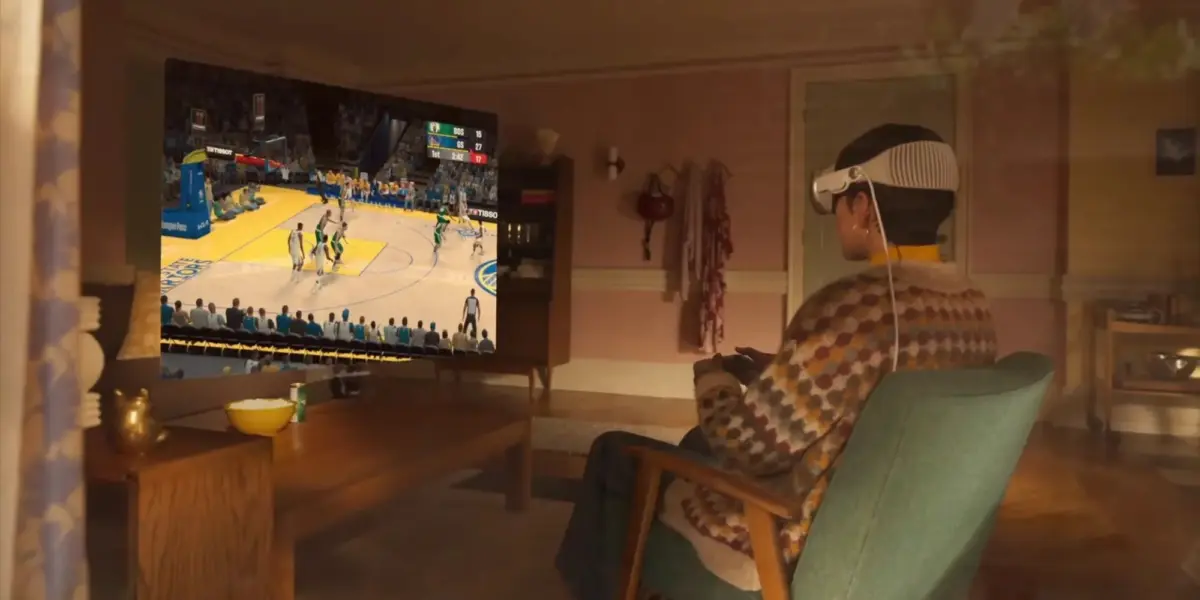
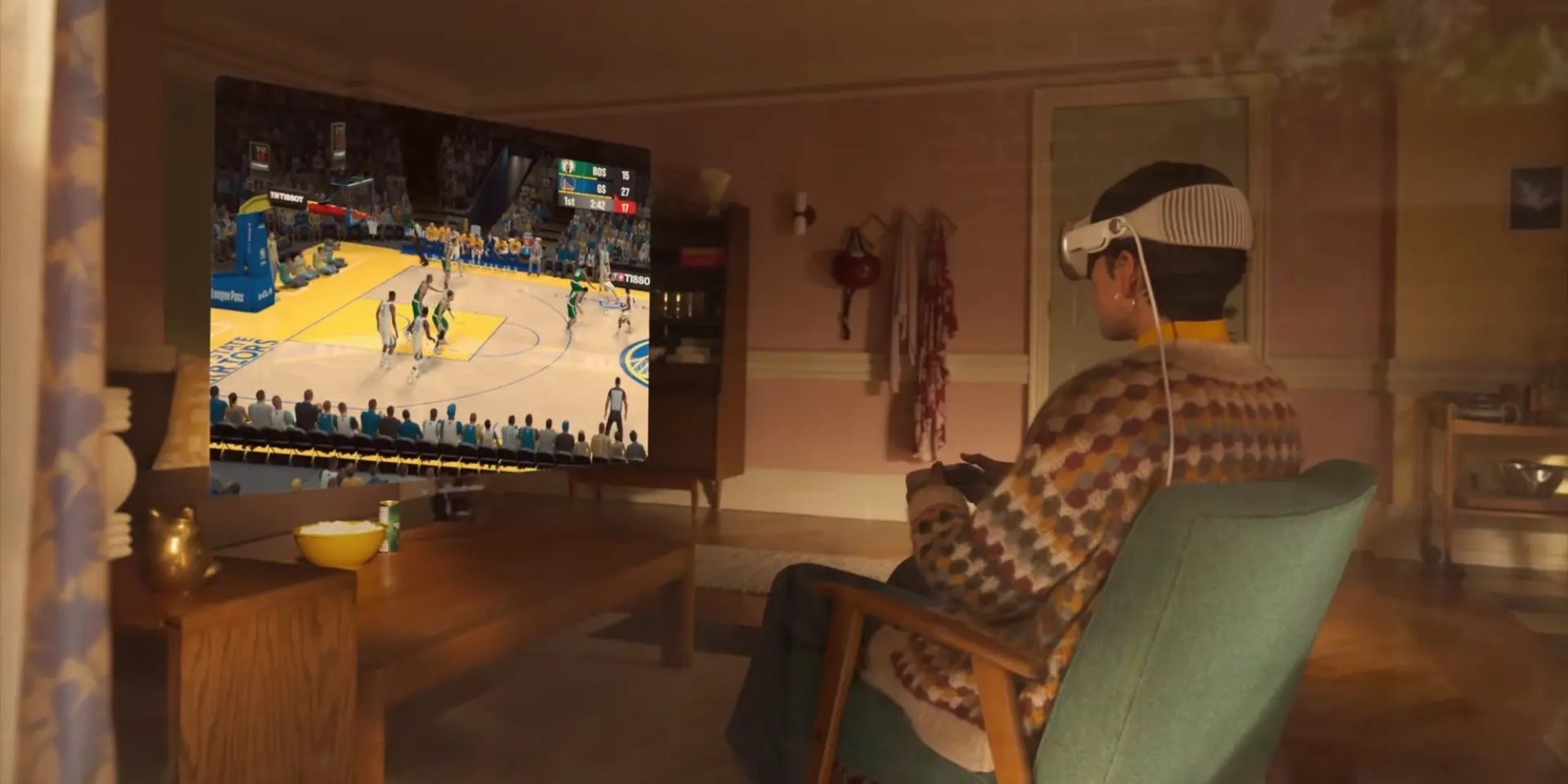
While the initial release focuses squarely on 2D streaming rather than native virtual reality (VR) titles, the implications for spatial gaming are profound. Users can now project their favorite desktop games onto massive, floating, and dynamically curved virtual displays inside their physical environments. Offering support for high-end networking performance and streaming resolutions up to 4K, the Steam Link visionOS app signals a major step forward in establishing the Vision Pro not just as a productivity or cinematic powerhouse, but as a flexible, high-performance display platform for traditional gamers.
Detailed Chronology: The Journey to Steam Link on visionOS
To understand the significance of this release, it is essential to trace the trajectory of how third-party streaming and gaming have integrated into Apple’s closed spatial computing ecosystem since the hardware’s commercial debut.
The Launch Era and Early Limitations
When the Apple Vision Pro launched, it arrived with a wealth of promise. Its ultra-high-resolution micro-OLED displays offered visual fidelity previously unseen in consumer headsets. However, out of the box, traditional gaming options were largely confined to titles available on Apple Arcade, iOS ports running in compatibility mode, or cloud-streaming web applications.
Developers quickly realized that the lack of native streaming clients tailored specifically to the unique rendering pipelines and input architecture of visionOS created a friction point for hardcore gamers. While workarounds existed—such as mirroring a Mac desktop or using third-party web-based solutions—latency and display management were rarely optimized for spatial environments.
The Software Iterations: visionOS 26.4 and Beyond
Apple has moved aggressively to patch these gaps through continuous software iterations. Recent platform updates, notably visionOS 26.4, brought critical under-the-hood performance improvements, better peripheral handling, and refined window management tools. These updates laid the foundational groundwork necessary for high-bandwidth, low-latency video streaming apps to thrive.
Concurrently, Valve has maintained an active ecosystem expansion strategy for Steam Link. Already a staple application across the iPhone, iPad, Mac, Apple TV, and various competing VR platforms, expanding to visionOS was a logical, albeit technically demanding, next step.
The TestFlight Beta Release
Valve’s sudden announcement that a native visionOS client was entering public beta marked a major milestone. By leveraging Apple’s TestFlight infrastructure, Valve opened the testing gates to early adopters and enthusiasts eager to stress-test the new software.
The initial release notes indicate a mature feature set right out of the gate:
- Optimized Network Performance: Engineered to handle the unique wireless demands of high-bitrate spatial streaming.
- Up to 4K Resolution Support: Ensuring that the incredible pixel density of the Vision Pro’s displays is properly utilized.
- Panoramic Curved Displays: Allowing users to dynamically adjust the curvature of their massive virtual screens to match their preferred field of view and room ergonomics.
Supporting Context & Metrics: What This Means for Vision Pro Owners
The introduction of Steam Link to visionOS addresses one of the primary criticisms leveled against the Vision Pro: the accessibility of "core" gaming content. While Apple has made commendable strides pushing spatial-first games, the vast majority of AAA and indie masterpieces reside on PC and Mac platforms via Steam.
Bridging the Desktop Library to the Living Room
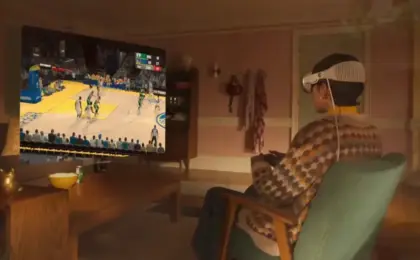
For owners of gaming rigs or high-end Macs, the Steam Link app transforms the Vision Pro into a virtual, infinitely scalable multi-monitor gaming station. Instead of being tethered to a physical television or a desktop monitor, a user can sit on an airplane, lounge in bed, or sit at a kitchen table while playing graphically intensive titles rendered by their host computer miles away.
Technical Specifications and Limitations
Journalists and early testers must, however, maintain realistic expectations regarding the current scope of the application:
- 2D Streaming Exclusivity: Valve’s official documentation explicitly notes that this client is built strictly for 2D streaming. It does not support native PC VR content (such as SteamVR headset-native games).
- The Host Machine Dependency: The Vision Pro is not running the games locally; it acts as a high-end, untethered wireless client receiving a video stream from a host PC or Mac running Steam.
- Network Requirements: To achieve the promised 4K resolution at stable framerates, robust local networking infrastructure—preferably a Wi-Fi 6E or Wi-Fi 7 router connected via Ethernet to the host machine—will be virtually mandatory to minimize input lag and packet loss.
Despite these constraints, the sheer visual real estate of a floating 4K display offers an arguably superior experience to playing on standard physical monitors, particularly regarding perceived screen size and contrast ratios delivered by Apple’s micro-OLED technology.
Official Statements and Community Reception
Valve’s community release post detailed the engineering milestones achieved in this build, emphasizing the focus on network fidelity and display ergonomics:

"This update improves network performance, allows streaming up to 4K resolutions, and allows you to dynamically adjust the curve of the display in panoramic mode. This client is for 2D streaming only and does not support VR content."
The reaction within the spatial computing and PC gaming communities has been overwhelmingly positive, tempered only by lingering questions regarding full VR streaming interoperability. On forums and social media channels like Reddit and the official Steam discussions, users have praised Apple and Valve for opening up TestFlight access so quickly, bypassing traditional, sluggish software review cycles for early feedback.
Early testers on platforms like TestFlight have noted that pairing the Vision Pro with standard gaming peripherals—such as an Xbox Wireless Controller, PlayStation DualSense controller, or traditional mouse and keyboard connected via Bluetooth—creates a seamless, highly responsive hybrid work-and-play environment.
Future Outlook: The Road Ahead for Spatial Gaming
The debut of the native Steam Link app in visionOS beta is unlikely to be a static feature; rather, it represents a crucial stepping stone in the maturation of Apple’s spatial ecosystem.
Will Native VR Support Arrive?
The most pressing question on the minds of enthusiasts is whether Valve and Apple will eventually bridge the gap to allow full PC VR streaming (akin to Virtual Desktop or AirLink on competing headsets). While technical hurdles remain—particularly regarding Apple’s proprietary controller ecosystems, hand-tracking translation APIs, and the closed nature of visionOS graphics pipelines—the rapid deployment of a 2D streaming client proves that Valve is actively developing for the platform. As visionOS matures and Apple potentially loosens restrictions or introduces deeper developer hooks for spatial input devices, the door for native PC VR integration remains open.

The Broader Impact on Spatial Computing Competitiveness
As spatial computing hardware becomes more ubiquitous, ecosystem interoperability will dictate consumer adoption. By allowing users to access their existing, multi-thousand-dollar PC game libraries directly inside a lightweight, ultra-high-resolution headset interface, Apple and Valve are removing one of the friction points that has historically kept traditional gamers tethered to legacy desktop setups.
For now, the Steam Link beta invites Vision Pro owners to dust off their favorite controllers, fire up their PC game libraries, and experience desktop gaming on a scale previously unimaginable. Whether you are looking to grind through an indie masterpiece or dive into a sprawling narrative RPG on a floating 4K screen the size of an IMAX theater, the future of spatial gaming has just taken a massive leap forward.





Belum ada komentar. Jadilah yang pertama berkomentar!