

Executive Overview
As the mobile technology sector experiences a seismic shift toward passport-sized foldables and ultra-slim wide-format devices popularized by Chinese original equipment manufacturers (OEMs)—not to mention Apple’s highly anticipated entry into the folding market with the iPhone Duo—Google has chosen a path of disciplined iteration. Rather than tearing up the blueprint, the tech giant has opted to stick to its guns with the release of the Google Pixel 11 Pro Fold.

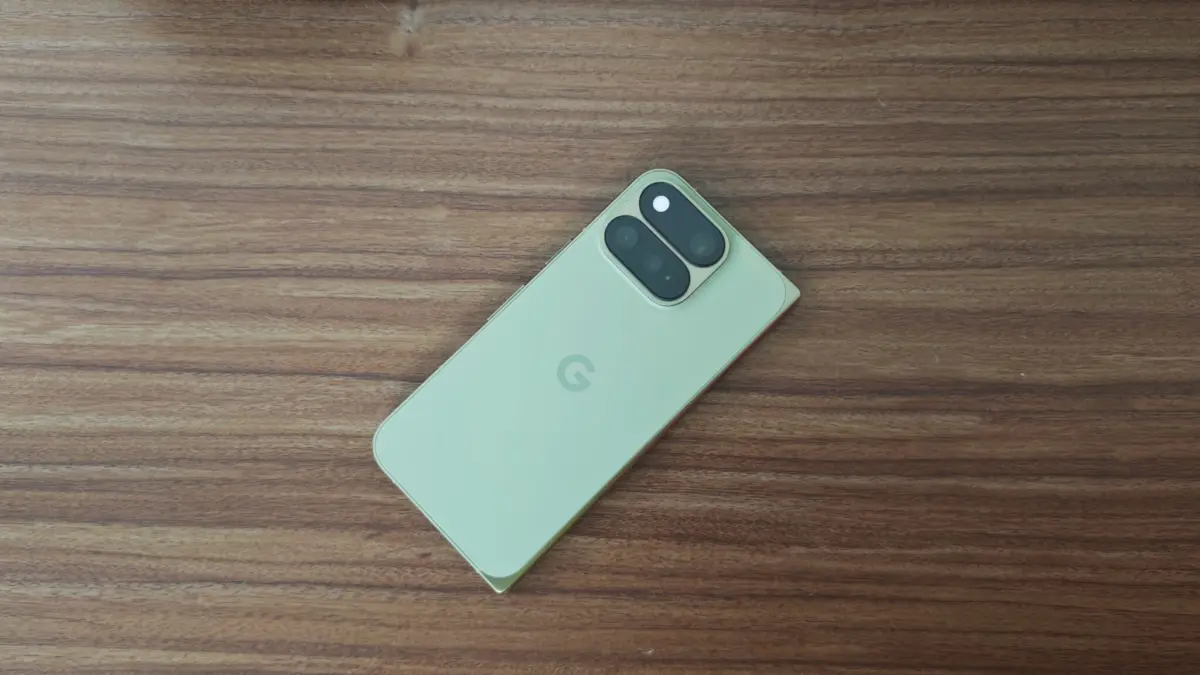
At first glance, and even upon closer daily inspection, the Pixel 11 Pro Fold bears a striking resemblance to its predecessor. The physical architecture, overall footprint, and core folding philosophy remain largely unchanged. However, beneath the familiar exterior lies a series of calculated refinements: a slightly lighter chassis, a remarkably brighter exterior display, upgraded wireless charging capabilities, and a refreshed primary camera sensor. Wrapped in a stunning, subtle new olive colorway, the device presents a polished aesthetic proposition.

Yet, stepping into the arena at a hefty $1,899 price point, the Pixel 11 Pro Fold occupies a complex space. It arrives in a market saturated with aggressive competition from Samsung’s Galaxy Z Fold series, ultra-thin alternatives from Honor and Xiaomi, and the ecosystem-shifting presence of Apple. This review explores whether Google’s iterative approach is enough to capture the hearts and wallets of discerning consumers, or if the Pixel 11 Pro Fold is destined to remain a niche device reserved strictly for die-hard Pixel enthusiasts.

Detailed Chronology: Evolution of the Pixel Fold Lineup
To understand where the Pixel 11 Pro Fold fits today, one must trace the chronological evolution of Google’s foldable hardware strategy. Google entered the foldable race relatively late, introducing its form factor philosophy to address software fragmentation on large, flexible screens.

The Journey to Iteration
- The Pioneer Era (Pixel Fold Generations 1 & 2): Google initially focused on establishing a stable hardware baseline, prioritizing a wide, book-style format that favored comfortable single-handed use on the outer screen over the taller, narrower aspect ratios favored by early Samsung foldables.
- The Sturdiness Bet (Pixel 10 Pro Fold): Last year marked a turning point in durability, with Google leaning heavily into structural integrity, refined hinge mechanisms, and enhanced drop resistance.
- The Present Day (Pixel 11 Pro Fold): Rather than reinventing the wheel in the face of intense international competition, Google’s 2026 release focuses on refinement—shaving off grams, boosting peak brightness, and tweaking internal sensor configurations while maintaining the familiar usability paradigm established over previous cycles.
Throughout this timeline, Google has consistently positioned its foldable devices as premium productivity hubs. However, the pacing of its hardware updates has occasionally lagged behind agile competitors in regions like Asia, where brands iterate on physical thickness and crease reduction at a blistering pace.

Supporting Context & Metrics: Hardware, Software, and Performance
Design and Durability: Slimmer on Paper, Tougher in Practice
When evaluating the hardware of the Pixel 11 Pro Fold, specifications tell a nuanced story. Unfolded, the device measures an ultra-slim 5mm (a slight trim from the Pixel 10 Pro Fold’s 5.2mm), while folding down brings it to 10.1mm (compared to last year’s 10.8mm). While these fractions of a millimeter are largely academic during day-to-day use—and still trailing behind hyper-slim engineering marvels like the Honor V6 Magic—the real-world ergonomics benefit from a noticeable 19-gram weight reduction. For users transitioning from a standard candy-bar phone, the weight loss is welcome, though upgraders coming directly from last year’s model will find the difference subtle.

Durability, however, is where Google has genuinely delivered. Building upon the sturdy foundation of the Pixel 10 Pro Fold, the company claims a threefold increase in overall durability. This is achieved through the integration of a new glass-ceramic cover and a robust glass-fiber composite back panel engineered to absorb kinetic impacts. Real-world drops from tables and pockets yield reassuring results, resisting dents and scratches with impressive resilience.

Opening the device reveals a deliberate engineering choice: the robust hinge is intentionally stiff, preventing effortless one-handed unfolding. While this may inconvenience some users, it ensures structural stability across various viewing angles. On the exterior, the outer display has grown by a fraction of a millimeter, but the standout upgrade is its soaring 3,600-nit peak brightness (up from 3,000 nits on the previous generation). This substantial boost ensures that outdoor legibility under direct sunlight is exceptional.

Regrettably, one persistent hardware hurdle remains: the internal screen crease. In an era where competing manufacturers—particularly Oppo and Honor—have successfully minimized display creases to near-invisibility, Google’s foldable still features a prominent, highly visible crease. This indentation becomes especially noticeable under bright ambient lighting, as the display lacks a highly reflective top layer to mask the fold line.

On the rear chassis, the subtle HiLight indicator returns. True to its predecessor, it illuminates exclusively for incoming calls from designated favorite contacts and during hands-free interactions with Gemini, remaining a niche aesthetic touch rather than a revolutionary utility.

+-----------------------------------------------------------------+
|              PIXEL 11 PRO FOLD: HARDWARE METRICS                |
+--------------------------+--------------------------------------+
| Metric                   | Specification                        |
+--------------------------+--------------------------------------+
| Thickness (Unfolded)     | 5.0 mm                               |
| Thickness (Folded)       | 10.1 mm                              |
| Weight Reduction         | 19 grams lighter than predecessor    |
| Outer Display Brightness | 3,600 nits (Peak)                    |
| Durability Enhancements  | Glass-ceramic cover, glass-fiber     |
|                          | composite back                       |
+--------------------------+--------------------------------------+
Software, Multitasking, and the AI Ecosystem
Consuming media and reading documents on the expansive inner display remains a distinct pleasure, though wide-format competitors occasionally hold an edge for specific video playback ratios. Multitasking capabilities are functional, supporting a standard two-app split-screen view.

App optimization remains a mixed bag. Native and Google-developed applications shine: Gmail, for instance, utilizes the dual-pane canvas brilliantly, presenting your inbox on the left and selected correspondence on the right to accelerate workflow efficiency. Conversely, third-party support continues to frustrate. Productivity mainstays like Slack still lack a dedicated split-view layout for foldable aspect ratios—a lingering annoyance given how many generations Android foldables have been on the market.

As the mobile ecosystem braces for the widespread cultural and developer adoption sparked by Apple’s iPhone Duo, Android risks feeling sluggish in fostering unified foldable UX standards. While developer camps remain divided on how applications scale across Apple’s unfolded canvas, the sheer velocity of the iOS developer community could place pressure on Android to accelerate app optimization.

To bridge productivity gaps, Google has introduced floating window "bubbles." These allow users to summon apps into movable, temporary floating windows that can be quickly minimized into a taskbar, offering quick reference access without forcing a full-screen context switch.

On the artificial intelligence front, Gemini updates are deliberately understated. Building on the foundational concept of Magic Cue, Gemini delivers contextual suggestions tailored to specific applications. Standout features like Rambler elevate the text-entry experience, allowing users to effortlessly draft email replies, compose long-form text messages, and dictate complex notes without fumbling across a cramped wide-screen keyboard.

Camera Performance: Pro Branding vs. Pro Results
For years, foldable devices have compromised on camera hardware relative to their traditional slab-phone counterparts. Unfortunately, the Pixel 11 Pro Fold does not break this mold, raising questions about Google’s decision to apply the prestigious "Pro" moniker to its folding lineup. While the cameras are undeniably competent, they simply do not match the elite photography suite found on the Pixel 11 Pro XL.

The system does feature several notable hardware and software improvements:

- Upgraded Main Sensor: Retaining a 48-megapixel resolution, the primary sensor features an updated physical architecture that captures significantly more light, resulting in richer shadow detail and sharper image clarity.
- Super Res Zoom: Google has expanded its computational photography models to support up to 30x Super Res Zoom, a notable step up from the previous generation’s 20x threshold.
- Smart Software Additions: New software suites like Looks allow users to dynamically alter image color profiles using curated presets, while Magic Capture automatically mines video footage to extract the absolute sharpest individual frames—an invaluable tool for photographing restless children or pets.
Despite these additions, compromises remain. While the main sensor receives a welcome upgrade, the ultrawide and telephoto sensors are carried over virtually unchanged from last year’s hardware stack, leading to stagnant performance in auxiliary focal lengths. One cannot help but wish Google had endowed the Fold with the exact same primary and supporting sensor suite as its rectangle-format flagship siblings.

Official Statements and Industry Positioning
Google’s overarching strategy with the Pixel 11 Pro Fold reflects a calculated gamble on brand loyalty and ecosystem retention. In official briefings and marketing materials, executives emphasize structural maturation over flashy gimmicks. By reinforcing the chassis with advanced composites and prioritizing extreme outdoor display brightness, Google is directly addressing the core pain points identified by early foldable adopters: fragility and poor sunlight visibility.

However, industry analysts point out that maintaining an aggressive $1,899 starting price puts the Pixel 11 Pro Fold in direct crosshairs with heavyweight competitors. It undercuts the newly released iPhone Duo by a mere $100, matches the pricing of Samsung’s Galaxy Z Fold 8, and faces stiff pressure from Samsung’s taller Galaxy Z Fold 8 Ultra (starting at $2,099 in the U.S.). Meanwhile, European and Asian markets are flooding with aggressively priced, hyper-slim alternatives from brands like Xiaomi and Honor, transforming the foldable category into a battleground of margins and hardware wizardry.

Future Outlook: Where Do Foldables Go From Here?
The release of the Pixel 11 Pro Fold acts as a litmus test for the current maturation phase of foldable technology. The era of wild, experimental form factors is steadily giving way to consolidation, where consumers demand uncompromised durability, flagship-tier optics, and seamless software integration.

Google’s measured, iterative strategy has successfully yielded the most robust and durable Pixel Fold to date. The addition of a blindingly bright 3,600-nit display, a gorgeous olive color finish, and helpful AI utilities like Rambler ensure that current users and dedicated Pixel loyalists will find plenty to love.

Yet, as consumer expectations rise—fueled by the looming standardization of foldable app ecosystems and the relentless pursuit of zero-crease, paper-thin hardware by international rivals—Google cannot afford to coast on incremental updates indefinitely. For the Pixel Fold line to truly conquer the mainstream, future iterations must bridge the remaining hardware gap with their slab-phone counterparts, eradicate the visible display crease, and spearhead a more aggressive push for third-party developer optimization on Android.

Until then, the Pixel 11 Pro Fold remains an exceptionally capable, rugged, and intelligent productivity tool—one that proudly champions the Pixel ethos, provided you are willing to pay the premium price for minor, albeit meaningful, refinements.








Belum ada komentar. Jadilah yang pertama berkomentar!