

Executive Overview
International fast-food and confectionery brands operating within the Japanese market face a uniquely demanding consumer base. Unlike many Western markets where standardization drives brand loyalty, Japanese consumers—imbued with a deep-seated culinary appreciation for seasonality (shun), visual storytelling, and local provenance—frequently demand bespoke iterations tailored explicitly to local palates and cultural motifs. Few companies have navigated this dynamic with as much creativity as Krispy Kreme Doughnuts Japan.
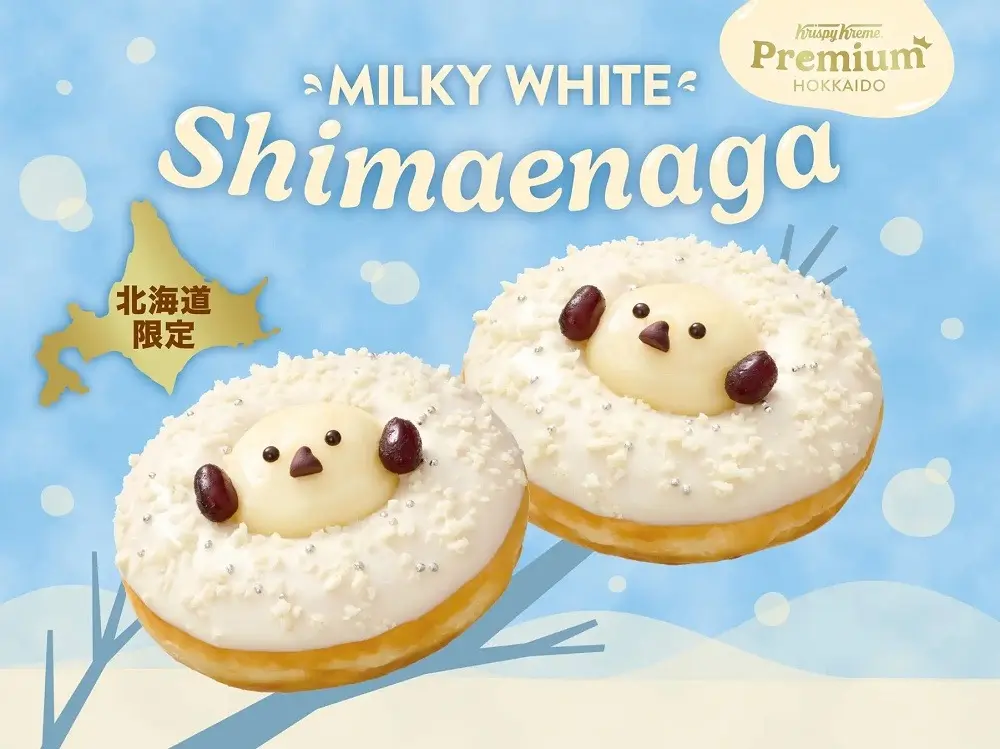
Continuing its strategy of localized curation, the chain has unveiled its latest offering under the coveted Premium Hokkaido series: the Milky White Shimaenaga donut. Available starting October 7, this limited-edition confection draws direct inspiration from the shimaenaga (the Hokkaido subspecies of the long-tailed tit), a diminutive, winter-hardened bird affectionately dubbed the "snow fairy" of northern Japan.
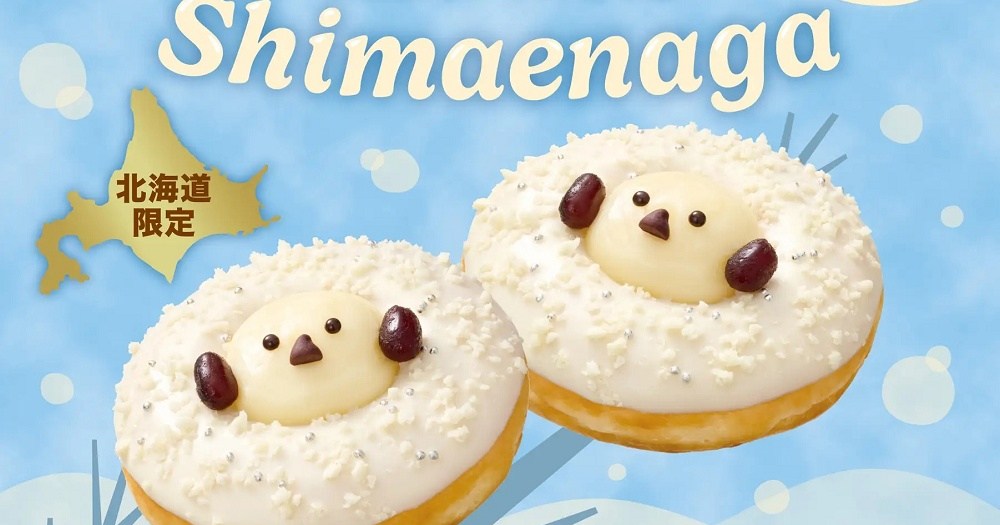
Rather than merely stamping a corporate logo onto a standard-issue pastry, Krispy Kreme Japan has engineered an intricate, highly thematic edible sculpture. Built using locally sourced dairy, the donut features a milky-white chocolate base studded with crunchy white chocolate fragments and shimmering silver dragées to evoke a snow-draped northern landscape. Peeking out from the center is a delicate rendering of the bird itself, constructed from rich Hokkaido cream, sweetened red bean (amanatto) wings, and precise chocolate detailing for its eyes and beak.
This release marks the third time the beloved avian icon has served as a muse for Krispy Kreme Japan, following previous successful iterations that celebrated seasonal transitions such as cherry blossom season. However, this specific flavor profile—combining regional dairy, artisanal textures, and winter aesthetics—is entirely unprecedented. Available exclusively across select storefronts in Hokkaido through late April, the Milky White Shimaenaga serves as a case study in how global food conglomerates can leverage hyper-localized storytelling to capture the cultural zeitgeist, drive regional tourism, and redefine seasonal limited-time-offer (LTO) marketing strategies.
Detailed Chronology of the "Shimaenaga" Confectionery Phenomenon
To fully understand the cultural gravity of the Milky White Shimaenaga donut, one must trace the convergence of Japanese wildlife appreciation, regional branding, and corporate product development that led to its creation.
The Rise of the "Snow Fairy" in Japanese Pop Culture
The shimaenaga (Aegithalos caudatus trivirgatus) is a non-migratory subspecies of the long-tailed tit native exclusively to Japan’s northernmost prefecture, Hokkaido. Measuring a mere 12 centimeters (4.7 inches) from beak to tail tip, the bird is visually striking during the freezing winter months when its plumage fluffs out to trap body heat, transforming it into a living snowball.
Over the past decade, the shimaenaga has undergone a massive cultural elevation. Once a quiet fixture of Hokkaido’s wilderness, the bird exploded into national prominence via wildlife photography books, viral social media posts, and official prefectural mascot integration. It is now celebrated across Japan as a symbol of winter whimsy, inspiring everything from plush toys and stationery to convenience store bento boxes and high-end pastries.
Krispy Kreme’s Strategic Pivot to Regionalism
When Krispy Kreme entered the Japanese market, its initial footprint mirrored its American operations: high-sugar, universally recognized glazed rings designed for rapid consumption. However, shifting consumer habits, post-pandemic economic pressures, and saturated urban markets forced the brand to pivot toward high-value, experiential product lines.
The introduction of the Premium Hokkaido series represented a turning point in this strategy. By anchoring its products to Hokkaido—a region globally renowned within East Asia for its pristine agricultural output, dairy farming, and romanticized winter tourism—Krispy Kreme elevated its brand equity. The strategy relied on three core pillars:
- Provenance: Utilizing ingredients exclusively harvested from Hokkaido dairies.
- Narrative Integration: Designing products that reflect the distinct landscape and cultural fauna of the prefecture.
- Scarcity: Restricting distribution strictly to Hokkaido-based outlets, thereby turning the pastries into coveted collectible experiences for domestic travelers.
Evolution of the Avian Donut Line
The journey toward the Milky White Shimaenaga has been iterative:
- The Genesis (January 2023): Krispy Kreme first introduced "tit" donuts to the Japanese market, testing consumer appetite for character-based, intricately decorated wildlife pastries. The initial reception demonstrated immense consumer demand for visually hyper-cute food items (kawaii culture).
- The Spring Adaptation (Early 2024): Capitalizing on the animal’s popularity, the brand released a sakura-themed shimaenaga donut, blending the winter bird motif with spring cherry blossom pinks.
- The Current Iteration (October 2026): Refining both flavor and visual fidelity, the brand launched the Milky White Shimaenaga. Scheduled for an extended run from October 7 through late April, this release bridges the autumn transition directly into the peak winter tourism season, ensuring maximum shelf-life and sustained consumer engagement.
Supporting Context & Metrics: The Economics of Hyper-Localization
The release of regional specialty foods in Japan is supported by robust economic frameworks, consumer psychology data, and logistical supply chains. Analyzing the mechanics behind the Milky White Shimaenaga reveals why global brands invest heavily in hyper-localized product development.
The Power of Omiyage and Regional Pride
In Japan, the tradition of omiyage (gifting regional specialties to coworkers, family, and friends after traveling) dictates that food items must reflect a specific geographic origin. By restricting the Milky White Shimaenaga to five specific locations—Sitatte Sapporo, Sapporo Pole Town, Sapporo Le Trois, Chitose Outlet Mall Rera, and Mitsui Outlet Park Sapporo Kitahiroshima—Krispy Kreme transforms the donut from a casual snack into an authentic omiyage asset.
Consumers visiting Hokkaido are incentivized to seek out these specific branches, integrating a fast-food chain into their traditional tourist itineraries. This creates a halo effect, driving foot traffic to brick-and-mortar storefronts that might otherwise be overlooked in favor of local, independent patisseries.
Ingredient Provenance and Consumer Trust
Japanese consumers place an exceptionally high value on food safety, traceability, and origin branding. The phrase "Hokkaido-sourced dairy" functions as a quality seal, assuring buyers of superior creaminess, rich butterfat content, and pristine agricultural standards.

By incorporating Hokkaido-produced milky cream into the bird’s core structure and utilizing high-grade white chocolate, Krispy Kreme justifies a premium price point typical of limited-edition artisan goods. The inclusion of amanatto (traditional candied adzuki beans) for the bird’s wings further bridges Western confectionery techniques with traditional Japanese confectionery (wagashi) sensibilities, appealing across generational demographics.
| Metric / Feature | Specification |
|---|---|
| Product Name | Premium Hokkaido Milky White Shimaenaga |
| Launch Date | October 7 |
| Availability Window | October 7 through late April |
| Distribution Footprint | Exclusive to 5 Hokkaido locations (Sitatte Sapporo, Sapporo Pole Town, Sapporo Le Trois, Chitose Outlet Mall Rera, Mitsui Outlet Park Sapporo Kitahiroshima) |
| Key Ingredients | Hokkaido dairy cream, white chocolate, silver dragées, amanatto (candied red beans) |
| Inspiration Source | The Aegithalos caudatus trivirgatus (Hokkaido long-tailed tit / "Snow Fairy") |
Official Statements and Industry Perspectives
While corporate press releases from Krispy Kreme Japan (disseminated via platforms like PR Times) focus heavily on the aesthetic charm and flavor profile of the pastry, industry analysts view the release through a broader strategic lens.
Brand Positioning and Marketing Language
In official promotional materials, Krispy Kreme emphasizes the emotional resonance of the product, describing the donut not merely as food, but as a tribute to northern scenery:
"These donuts draw inspiration from Japan’s northernmost prefecture featuring not only ingredients sourced from Hokkaido, but which also act as sweet little salutes to the region’s culture and scenery."
The visual design language is similarly intentional. The combination of the white chocolate coating, crunchy chocolate bits, and silver dragées is explicitly engineered to mimic the physical sensation of sunlight hitting freshly fallen snow in Sapporo. Marketing executives understand that contemporary consumers—particularly millennials and Gen Z—purchase experiences and aesthetic capital for digital platforms like Instagram and TikTok. A photogenic, character-based pastry serves as organic marketing currency.
Culinary Craftsmanship Challenges
Creating mass-producible character donuts presents severe operational challenges. Each Milky White Shimaenaga requires precise assembly:
- The placement of the chocolate eyes and beak must be uniform to maintain the bird’s endearing expression.
- The amanatto wings must be structurally stable enough to withstand packaging and transport without dislodging into the surrounding white chocolate glaze.
- The Hokkaido-sourced cream filling must maintain its structural integrity and moisture levels inside a yeast-raised or cake-base dough without rendering the pastry soggy.
By successfully executing this complex assembly across a multi-month rollout, Krispy Kreme demonstrates a level of supply chain and kitchen craftsmanship that distances it from traditional low-cost fast-food operators.

Future Outlook: The Trajectory of Seasonal LTOs in Japan
The success of the Milky White Shimaenaga points toward clear trends in the future of the Japanese fast-moving consumer goods (FMCG) and quick-service restaurant (QSR) sectors.
The Expansion of Character-Driven Gastronomy
As visual culture continues to dominate digital communication, food items that double as characters or cultural totems will see increased market demand. Brands that can successfully license, adapt, or create proprietary animal and mascot motifs will secure distinct competitive advantages. We can expect international chains operating in Japan to increasingly partner with regional wildlife foundations, prefectural governments, and local artists to develop culturally resonant offerings.
The Sustainability of Regional Exclusivity
While region-locked products drive intense localized demand and tourism, they also present logistical bottlenecks. However, the scarcity model remains highly effective. By keeping the Premium Hokkaido line strictly within the northern prefecture, Krispy Kreme preserves the mystique and desirability of the product. Expanding such items nationwide often dilutes their brand value; thus, maintaining geographical barriers serves as a cornerstone of modern luxury-fast-food marketing.
Conclusion
The Krispy Kreme Premium Hokkaido Milky White Shimaenaga is far more than a seasonal novelty. It represents the culmination of precise market localization, deep cultural empathy, and advanced culinary execution. By transforming a tiny, frost-resistant bird into a creamy, shimmering winter masterpiece, Krispy Kreme Japan has once again proven that the most effective way to capture a consumer’s heart—and wallet—is to honor the unique soul and scenery of the local environment. For travelers and locals alike traversing the snowy landscapes of Hokkaido through the coming months, this little snow fairy offers a sweet, unforgettable taste of northern winter.








Belum ada komentar. Jadilah yang pertama berkomentar!