In a sudden and unexpected pivot, Meta has officially reversed its decision to pull the plug on the virtual reality (VR) iteration of Horizon Worlds. The flagship social metaverse platform, which first debuted in beta in 2021 before launching broadly to users of Meta Quest headsets, had been slated for a quiet decommissioning on VR hardware as the company increasingly shifted its focus toward mobile and web ecosystems.
The reversal was announced by Meta’s Chief Technology Officer and head of Reality Labs, Andrew “Boz” Bosworth, during an impromptu Instagram "Ask Me Anything" (AMA) session. Responding directly to concerned community members, Bosworth revealed that the company made the eleventh-hour decision to spare the VR application to honor the dedication of its remaining active user base.
However, this is far from a complete resurrection. While existing Horizon Worlds VR experiences, built primarily on the Horizon Unity runtime, will remain online and accessible for the foreseeable future, Meta is fundamentally shifting its strategic priorities. The company’s engineering and product teams will predominantly focus their future development energy on the mobile ecosystem, where user acquisition and creator engagement have drastically outpaced its hardware-locked counterpart.
This development marks a fascinating chapter in the ongoing evolution of the consumer metaverse. It highlights the delicate tightrope major technology conglomerates must walk: balancing aggressive financial and platform pivots toward more accessible, ubiquitous form factors against the fierce loyalty of early adopters who helped incubate these nascent digital ecosystems.
Detailed Chronology: From Metaverse Ambitions to the Brink of Cancellation
To fully understand the weight of Meta’s recent reversal, one must examine the tumultuous timeline of Horizon Worlds and the broader corporate pivot that nearly spelled its doom on VR.
2021–2022: The Grand Vision and Early Struggles
When Meta—formerly Facebook—rebranded in late 2021, Horizon Worlds was positioned as the crown jewel of its pivot toward the metaverse. Conceptualized as an expansive, user-generated social space where people could meet, play games, and build virtual environments, the platform was heavily tied to the marketing and sales of Meta Quest headsets.
However, the platform faced immediate headwinds. Early public perception was marred by technical limitations, low-fidelity graphics, and persistent critiques regarding the lack of compelling, sticky content. Despite billions of dollars poured into Reality Labs, Meta’s internal metaverse division, consumer adoption failed to match the grand corporate promises made by CEO Mark Zuckerberg.
2022–2024: The Mobile Expansion and Strategic Realignment
Recognizing that the high barrier to entry of VR hardware was inherently throttling user growth, Meta began expanding its horizons—literally. In April 2022, the company laid the groundwork to bring Horizon Worlds beyond the confines of Quest headsets, opening up accessibility via web browsers and mobile devices.
This mobile-first approach proved to be a turning point. While VR user numbers remained niche and localized to hardcore enthusiasts, mobile platforms unlocked vastly superior reach. Creators and casual users gravitated toward the friction-free onboarding offered by smartphones and tablets, prompting Meta’s leadership to quietly reevaluate where they should allocate their engineering budgets.
Late 2024–Early 2026: The Writing on the Wall
As generative AI technologies—such as Meta’s Llama models—dominated the tech landscape, the company’s financial priorities shifted dramatically. Reality Labs continued to bleed billions of dollars quarterly, placing immense pressure on executives to streamline operations, cut underperforming projects, and focus resources on scalable, high-return initiatives.
Behind closed doors, Meta engineered a plan to wind down the legacy VR version of Horizon Worlds, focusing its dwindling metaverse-specific software efforts entirely on the mobile engine. The goal was to sunset the resource-heavy VR backend while retaining a lean mobile presence.
March 2026: The Reversal
The plan to decommission the VR app leaked internally and via community rumblings, triggering a wave of pushback from die-hard users, digital creators, and VR purists who viewed the move as an abandonment of Meta’s hardware ecosystem. Confronted directly by passionate fans on social media, Andrew Bosworth used his Instagram platform to announce that, as of that very day, the plug would not be pulled. Existing VR games and environments would be preserved, though future innovation would bypass the headset entirely in favor of mobile.
Supporting Context & Metrics: The Economics of the Metaverse
The near-death and subsequent stay of execution for Horizon Worlds on VR is symptomatic of a larger industry-wide reckoning regarding spatial computing economics. Building, maintaining, and scaling high-fidelity 3D virtual worlds requires staggering computational and financial investments.
The Hardware vs. Mobile Divide
When Meta bet the farm on the metaverse, it operated under the assumption that consumer adoption of VR headsets would mirror the rapid historical growth curves of smartphones. However, hardware adoption rates have proven stubborn. While millions of Meta Quest headsets have been sold globally, active monthly retention for social VR experiences often lags far behind casual mobile applications.
Friction of Entry: Putting on a headset requires physical effort, charging batteries, and navigating specialized interfaces. Mobile devices, by contrast, are omnipresent, allowing for instantaneous session drops.
Creator and Consumer Metrics: According to internal shifts acknowledged by leadership, the vast majority of new consumer engagement and creator-driven revenue opportunities have steadily migrated toward Meta’s mobile and web-based execution engines.
The Cost of Maintenance: Running legacy Unity-based VR runtimes requires ongoing server upkeep, moderation, and bug patching. For a publicly traded company hyper-focused on efficiency and AI profitability, maintaining a stagnant VR platform made little financial sense—until public sentiment forced a recalculation.
The Broader XR and Spatial Computing Landscape
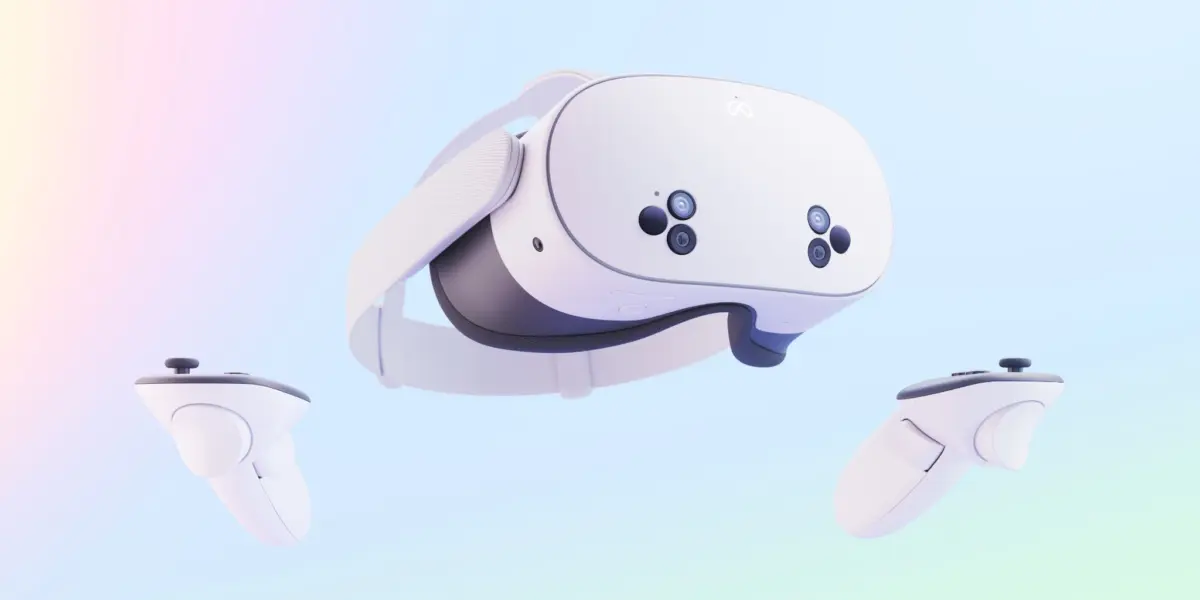
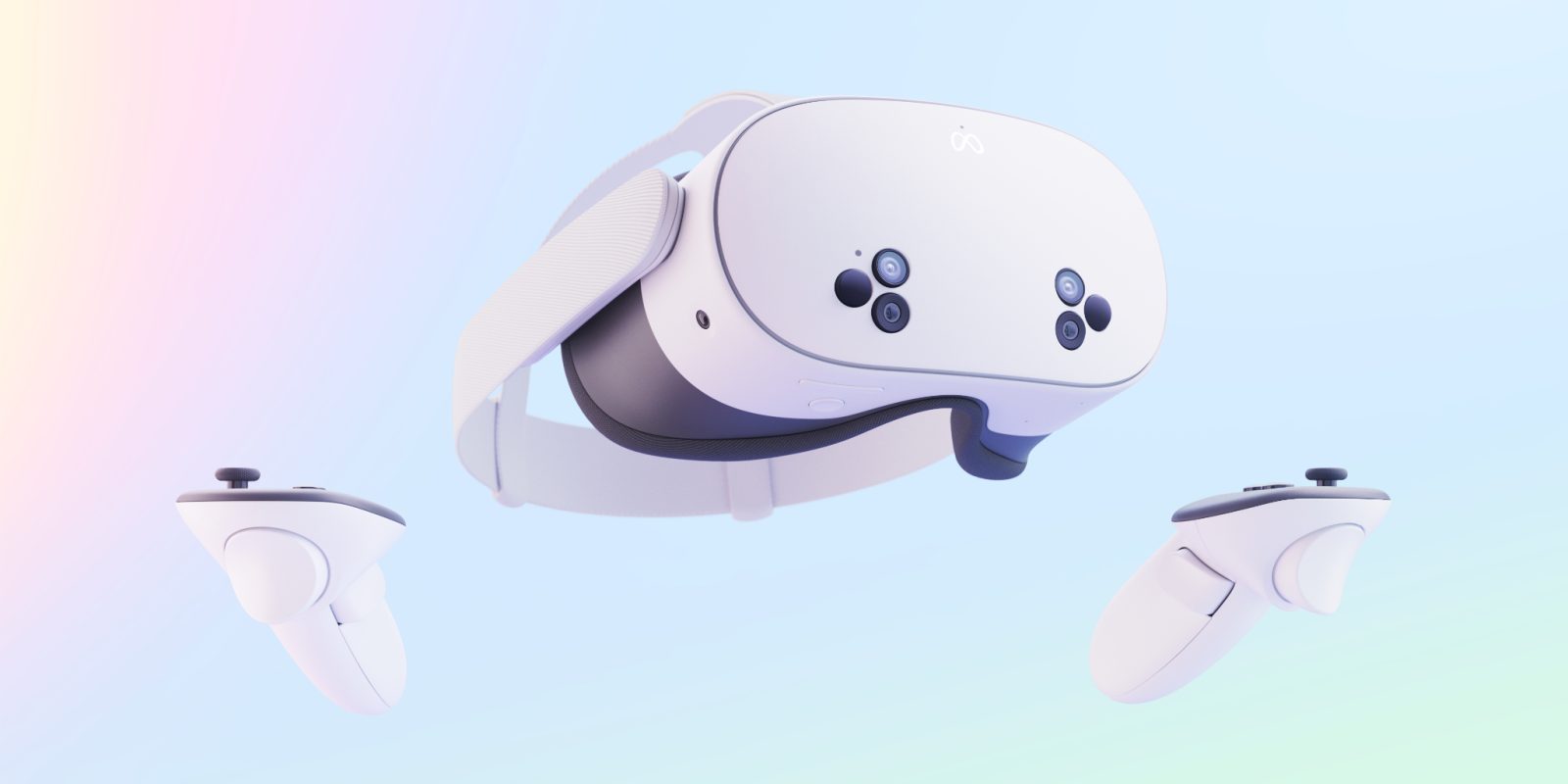
While Meta recalibrates its metaverse software strategy, the broader extended reality (XR) hardware market continues to evolve at a frantic pace. Meta’s hardware division remains intensely focused on refining the Meta Quest lineup, cementing its dominance in the standalone consumer VR and mixed-reality market through aggressive pricing and hardware iteration.
Conversely, competitors are carving out distinct niches at opposite ends of the spectrum. Apple’s high-end Vision Pro ecosystem continues to target enterprise productivity, cinematic media consumption, and elite gaming experiences. Recent developments underscore this bifurcation: Nvidia has actively expanded its CloudXR framework for visionOS, enabling heavy-duty industrial applications like Autodesk VRED, while Apple software updates (such as visionOS 26.4) have unlocked support for advanced, ultra-realistic flight simulation software.
As Apple courts high-end enterprise and prosumer markets with uncompromising fidelity, Meta is opting for mass-market accessibility via affordable hardware and mobile ecosystems. Sparing Horizon Worlds on VR ensures that Meta doesn’t completely alienate its core headset loyalists, even if the bleeding-edge focus has decisively shifted elsewhere.
Official Statements: Inside Bosworth’s Announcement
The definitive confirmation of the policy shift came directly from Andrew Bosworth’s Instagram AMA session. His remarks provide rare, candid insight into how internal corporate decisions are weighed against grassroots community advocacy.
Addressing a concerned user who reached out regarding the rumored shutdown, Bosworth stated:
"We have decided, just today in fact, that we will keep Horizon Worlds working in VR for existing games to support the fans who’ve reached out, like yourself, who really care about that. Those, the Horizon Unity runtime games, they’re not gonna work on mobile. They’ll just be working on VR."
Bosworth was transparent about the limitations of this reprieve. Meta is not altering its foundational roadmap; the capital and engineering horsepower are still firmly directed toward mobile platforms.
"We’re not bringing new games. Again, most of our energy is going towards mobile and the Meta Horizon engine there. The reason for that is because that’s where most of the consumer and creator energy already was, and so we’re kind of leaning into that. But yeah, you know, for people who already have games that they like that they’re using in Horizon Worlds, will be able to download the Horizon Worlds app and use it in VR for the foreseeable future."
This statement underscores a pragmatic compromise. Meta avoids the immediate public relations disaster of deleting thousands of user-created virtual spaces, while simultaneously avoiding the capital expenditure of building new VR-native features for a platform whose primary momentum has shifted away from headsets.
Future Outlook: What Next for Meta and the Metaverse?
Meta’s decision to keep Horizon Worlds alive on VR brings immediate relief to its active community, but it also raises critical questions about the long-term trajectory of social virtual reality.
1. The Stagnation of Legacy VR Worlds
Because Meta has explicitly stated that no new games or major feature investments will be channeled into the VR-native version of Horizon Worlds, the platform effectively enters a state of digital preservation. Existing worlds will remain open, and Unity-based runtime games will continue to function, but users should not expect revolutionary updates, advanced graphics overhauls, or major ecosystem expansions within the headset environment. It will serve as a legacy space—a digital museum of the early standalone VR era maintained for die-hard fans.
2. The Rise of Mobile-First Spatial Socials
By pivoting its primary engineering efforts toward mobile and web engines, Meta is signaling that the path to a mainstream "metaverse" does not run exclusively through heavy face-mounted hardware. By lowering the barrier to entry to a standard smartphone screen, Meta can tap into billions of potential users who may never purchase a Quest headset. This hybrid approach—treating VR as a high-end enthusiast subset while scaling mass-market social features on mobile—may prove to be a more financially sustainable model for Reality Labs moving forward.
3. Hardware vs. Software Decoupling
For years, tech giants operated under the assumption that proprietary software ecosystems had to be locked exclusively to their proprietary hardware to drive sales. Meta’s willingness to split its strategy—maintaining baseline hardware support while chasing growth on foreign platforms—indicates a mature evolution in corporate strategy.
As the tech industry braces for the next wave of spatial computing hardware, AI integration, and cross-platform interoperability, Meta’s eleventh-hour rescue of Horizon Worlds on VR serves as a reminder that community sentiment still holds weight. The metaverse may not look the way Mark Zuckerberg originally envisioned it in 2021, but for the creators and fans who call its virtual spaces home, the lights are staying on just a little bit longer.










Belum ada komentar. Jadilah yang pertama berkomentar!