

Executive Overview
Tokyo’s vibrant Shibuya ward, world-renowned for its pulsing neon lights, high-fashion boutiques, and the iconic Shibuya Scramble Crossing, finds itself at a critical crossroads. Once considered an eccentric secondary destination for travelers with time to spare, the neighborhood has evolved into an absolute must-see epicenter for international tourism. Millions of global visitors flock annually to capture selfies with the Hachiko statue, browse exclusive merchandise at the Shibuya Pokémon Center, and immerse themselves in the kinetic energy of Japan’s most famous urban landscape.
However, this unprecedented influx of global foot traffic has brought with it a complex array of modern urban challenges, chief among them being escalating volumes of litter and severe waste mismanagement. In response to mounting strain on local sanitation infrastructure, Shibuya Ward—in direct partnership with the Japan Soft Drink Association—officially launched a sweeping public awareness campaign on September 1.
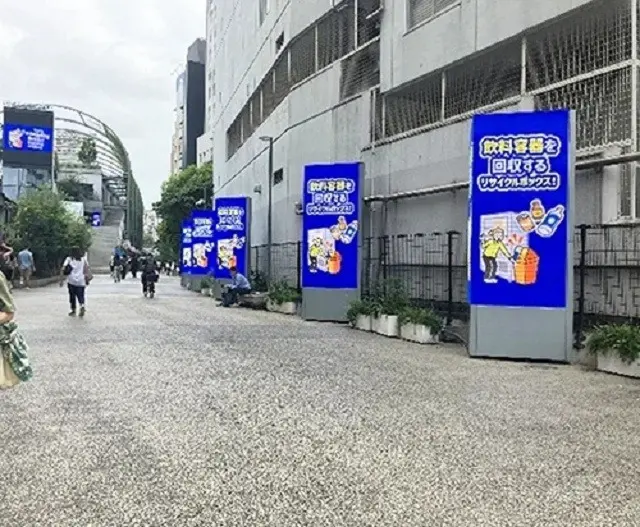
Designed to combat rampant contamination of public recycling bins, the campaign utilizes a multifaceted communication strategy featuring bilingual posters, digital signage, and video messaging distributed across major transit hubs and public spaces like Miyashita Park. The initiative marks the latest escalation in a series of municipal interventions aimed at preserving neighborhood cleanliness, maintaining civic order, and balancing the economic benefits of international tourism with the preservation of local community standards.
Detailed Chronology
The rollout of the September 1 public awareness campaign is not an isolated event; rather, it represents the latest milestone in a carefully calculated, progressively aggressive municipal strategy to address the friction points of post-pandemic overtourism in Tokyo.

Summer 2026: The Regulatory Framework Shifts
The foundational groundwork for the current sanitation drive was laid earlier in the year. Facing persistent complaints from residents regarding street-level litter and discarded beverage containers, local lawmakers pushed through vital amendments to Shibuya’s municipal ordinances. These legislative changes brought about two major structural adjustments:
- Expansion of Public Waste Infrastructure: The ward began mandating the deployment of more public trash receptacles—a notable departure from Japan’s historically sparse public trash-can policy, which traditionally required citizens and visitors to carry their trash home.
- Introduction of Punitive Measures: To deter casual littering, the ward instituted strict new fines for unauthorized waste disposal, which began active enforcement across heavily touristed hotspots at the start of the summer.
September 1: The Public Awareness Campaign Goes Live
Recognizing that punitive measures alone cannot change deeply ingrained habits, municipal authorities teamed up with the private sector. The Shibuya Ward government partnered with the Japan Soft Drink Association to target one of the most visible yet misunderstood components of Tokyo’s streetscape: the ubiquitous vending machine recycling container.
- Deployment of Visual Assets: Physical printed posters were strategically installed at a half-dozen designated public smoking areas throughout Shibuya, alongside high-visibility notices on digital signage networks inside and outside the Miyashita Park entertainment complex.
- Audio-Visual Integration: Bilingual English and Japanese video reminders began broadcasting on prominent digital screens surrounding Shibuya Station, designed to capture the attention of rushing commuters and sightseeing tourists alike.
- Multilingual Expansion Plans: Acknowledging the diverse demographic makeup of Shibuya’s visitor base, campaign organizers announced immediate plans to scale up the initiative by incorporating Chinese- and Korean-language instructional materials.
Supporting Context & Metrics: The Mechanics of Vending Machine Misuse
To fully grasp the necessity of Shibuya’s latest campaign, one must understand the unique ecosystem of Japanese street-side vending. Across Tokyo, standalone vending machines are almost universally paired with specialized recycling boxes. Historically, these receptacles were designed with a singular, highly specific purpose: to collect empty beverage containers generated on the go, allowing for efficient, streamlined recycling loops.
However, the rapid acceleration of international tourism has introduced a profound cultural and operational disconnect. Visitors unfamiliar with local waste-separation norms frequently mistake these specialized receptacles for general public trash cans.

The Four Cardinal Sins of Vending Machine Recycling
The newly minted bilingual posters highlight four specific categories of items that routinely contaminate these recycling bins, creating logistical nightmares for sanitation crews and jamming automated sorting machinery:
- Plastic Takeout Cups: Items such as empty Starbucks Frappuccino cups, bubble tea containers, and convenience store iced-coffee smoothies are major offenders. Because of their rigid structure and wide dimensions, these cups easily wedge into the narrow drop-slots of the recycling receptacles, blocking the opening entirely and preventing subsequent users from depositing legitimate items.
- Plastic Bags: Grocery sacks, convenience store carrier bags, and shopping bags are frequently shoved into the bins. These flexible plastics tangle within sorting equipment and disrupt mechanical recycling pipelines.
- Mobile Batteries: Discarded portable chargers and lithium-ion batteries represent a severe operational hazard. When improperly mixed with recyclable bottles and cans, these energy sources pose legitimate fire risks during the compression and sorting phases of waste management.
- Cigarette Butts: Despite designated smoking zones being located nearby, spent cigarettes frequently find their way into beverage recycling boxes, rendering the remaining contents unsanitary and unrecyclable.
The "Loophole" Fallacy
Municipal officials noted an uptick in creative yet misguided attempts by individuals trying to circumvent the rules. A specific point of emphasis on the campaign posters addresses the practice of stuffing cigarette butts or miscellaneous trash inside empty plastic bottles and then depositing those bottles into the recycling box. The campaign explicitly clarifies that this workaround is strictly prohibited, as it compromises the purity of the plastic recycling stream.
Furthermore, the campaign imagery inadvertently highlighted a subtle point of Japanese waste etiquette: while one educational illustration depicted a crushed aluminum can, local sanitation authorities advise against heavily distorting the shape of cans. Keeping cans in their original form ensures they slide smoothly through the mechanical gravity flaps of the recycling bins without jamming the internal chutes.
Official Statements and Institutional Perspectives
The intersection of local community preservation and global tourism has forced municipal leaders to adopt a transparent, communicative posture. Representatives from both the Shibuya Ward government and the Japan Soft Drink Association have emphasized that the campaign relies on education rather than confrontation.

"Shibuya is an international hub, and we welcome visitors from every corner of the globe to experience our culture," shared a municipal spokesperson during the launch phase. "However, maintaining the cleanliness, safety, and liveability of our neighborhoods is a shared responsibility. Vending machine recycling boxes are precision instruments in our environmental loop, not general garbage dumps."
Industry representatives from the Japan Soft Drink Association echoed these sentiments, pointing out that contaminated recycling bins drive up municipal waste-processing costs and undermine the integrity of Japan’s world-class circular economy initiatives. By investing in clear, graphic-heavy signage that transcends language barriers, organizers hope to instill an intuitive sense of civic responsibility among foreign visitors who may come from regions with vastly different waste disposal infrastructures.
Urban planning experts observing the Tokyo tourism boom have praised the dual approach of combining structural enforcement—such as increased fines and updated ordinances—with proactive, friendly digital outreach. Sociologists note that while cautionary notices and instructional posters can occasionally alter the aesthetic landscape of a neighborhood, they are currently a necessary bridge as Tokyo navigates the growing pains of record-breaking international visitor numbers.
Future Outlook: Can Shibuya Strike a Balance?
As Shibuya Ward moves deeper into the autumn season, municipal authorities will closely monitor the efficacy of the bilingual video feeds, digital signage, and targeted poster campaigns. The planned expansion into additional languages, including Chinese and Korean, underscores a commitment to adapting communication strategies in real-time based on tourism demographics.

The broader challenge extending beyond waste management points to a larger philosophical question for Tokyo’s urban planners: How can a historic, densely populated residential and commercial district maintain its authentic charm while absorbing tens of millions of international tourists each year?
For now, the success of campaigns like the Shibuya-Soft Drink Association partnership will serve as a bellwether for other high-density tourist destinations across Japan, such as Kyoto and Osaka, which grapple with similar friction points. If clear communication, proactive infrastructure updates, and fair regulatory enforcement can successfully reshape visitor behavior, Shibuya may well establish a global blueprint for sustainable urban tourism. Until then, the message broadcast across the neon-lit screens of Shibuya Station remains clear: snap your photos, enjoy the sights, but please—respect the bin.







Belum ada komentar. Jadilah yang pertama berkomentar!