

Executive Overview
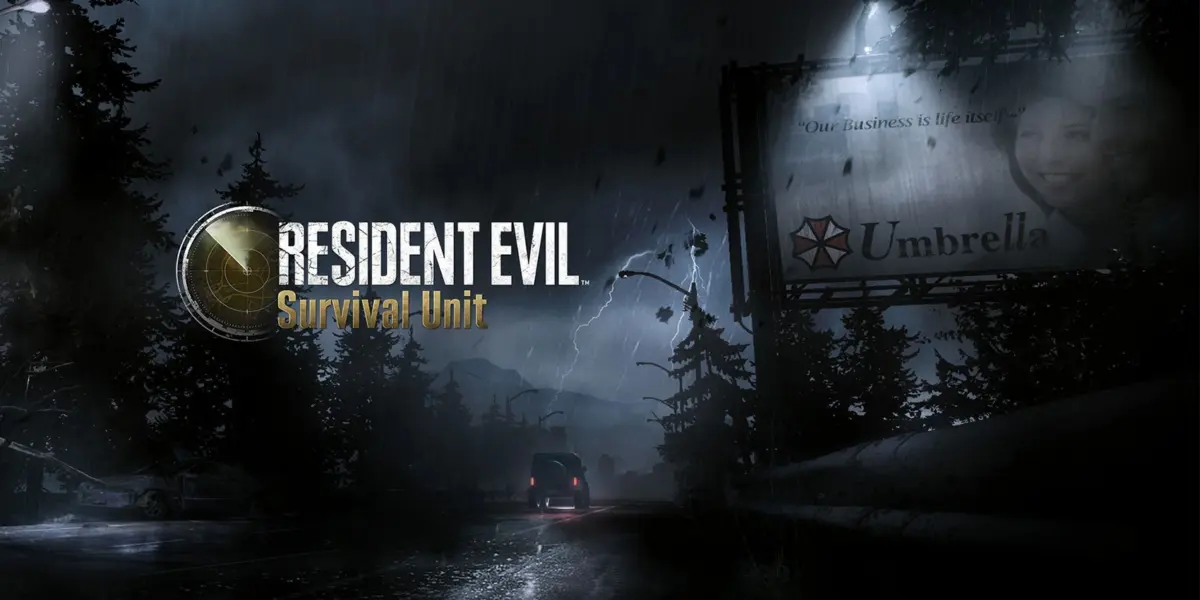
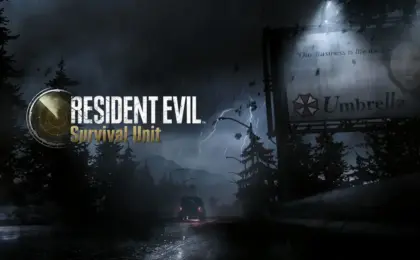
The sprawling, nearly three-decade-long legacy of Resident Evil is stepping into uncharted territory. Sony subsidiary Aniplex Inc., in collaboration with developer JOYCITY and under the watchful eye of veteran Capcom producer Masachika Kawata, is bringing a brand-new, strategy-focused entry to mobile platforms. Titled Resident Evil: Survival Unit, the game shifts the franchise’s signature survival horror tropes into the realm of tactical resource management, base-building, and large-scale operational planning.
Initially announced to a wave of curiosity during a special YouTube broadcast event, the title quickly transitioned from a distant late-2025 release target to an active reality. Following a rolling rollout, Resident Evil: Survival Unit has officially landed on the App Store and Google Play, giving mobile gamers worldwide the chance to dive headfirst into a parallel timeline running concurrently with the horrific events of Resident Evil 2 and Resident Evil 3.
While longtime fans of the franchise might initially flinch at the jump from third-person or first-person survival horror to tactical mobile strategy, industry veterans believe the genre crossover is a natural fit. By pivoting the core mechanical identity of the franchise—scarcity—into a strategic framework where every bullet, bandage, and ration counts, Survival Unit aims to redefine how players experience the biohazard nightmares of Raccoon City and beyond.
Detailed Chronology: From Concept to Global Launch
The journey of Resident Evil: Survival Unit from a confidential pitch to a globally accessible mobile app has been swift, methodical, and strategically coordinated across multiple digital storefronts.
The Initial Announcement and Speculation
Earlier this month, publisher Aniplex Inc. stunned the gaming community by revealing that a completely new Resident Evil spin-off was in development specifically for iOS and Android devices. At the time of the initial press drop, details were exceedingly scarce. The developers confirmed that the title would be handled by JOYCITY—a studio known for its expertise in mobile strategy titles—and that it would be overseen by Masachika Kawata, a cornerstone figure within Capcom’s internal development teams.
At the initial unveiling, the release window was broadly framed as "late 2025," prompting analysts and fans alike to assume a lengthy waiting period filled with closed betas, soft launches, and iterative development updates. However, the publishers had a much faster timeline in mind.
The YouTube Broadcast and Timeline Reveal
The ambiguity surrounding the release schedule evaporated during a dedicated global YouTube broadcast event. Featuring multi-language subtitles to cater to the franchise’s massive international fan base, the broadcast provided a deeper dive into the lore, narrative positioning, and gameplay loops of Survival Unit.
During the stream, executive producer Shinji Hashimoto—whose legendary career includes decades at Square Enix—shed light on why the team chose a strategy framework for the horror juggernaut. Alongside the gameplay deep dive, pre-orders went live across the Apple App Store and Google Play Store. While the initial storefront listings pointed toward a December 31 placeholder date, the rollout accelerated rapidly, culminating in the app officially going live for players worldwide.
Global Availability and Pre-Registration Perks
Following the rapid transition from pre-order status to active deployment, Resident Evil: Survival Unit is now fully downloadable. Players who engaged with the pre-registration campaign—hosted both through native mobile app stores and the official Resident Evil: Survival Unit web portal—are greeted with exclusive launch rewards designed to give them a tactical edge in the early hours of the game. These rewards typically include critical resource packs, rare materials, and early access to foundational base upgrades, easing the brutal learning curve inherent to strategic survival games.
Supporting Context & Metrics: Why Mobile? Why Strategy?
To understand the strategic significance of Resident Evil: Survival Unit, one must examine the broader economic and cultural landscape of the mobile gaming sector, as well as Capcom’s historical multi-platform strategy.
The Mobile Gaming Juggernaut
Mobile platforms now account for over half of global gaming revenue, dwarfing console and PC markets combined. For massive Intellectual Properties (IPs) like Resident Evil—which has sold over 150 million units across its mainline console and PC releases—the mobile ecosystem represents an untapped frontier of casual and mid-core gamers.
However, porting a traditional survival horror game to touchscreens often presents severe ergonomic and mechanical hurdles. Virtual joysticks can feel clunky, and the tension of a dark corridor loses its impact when compressed onto a 6-inch phone screen. By pivoting away from a direct action-horror port and embracing a dedicated strategy genre, Aniplex and JOYCITY have sidestepped these constraints entirely. Instead of fighting against mobile hardware limitations, they have built a game native to the platform’s strengths: asynchronous multiplayer, incremental progression, and strategic overhead management.
The Parallel Narrative of Raccoon City
Narratively, Survival Unit occupies a fascinating niche. Setting the game in a parallel storyline during the events of Resident Evil 2 and Resident Evil 3 allows the developers to weave familiar set pieces together without breaking the canonical integrity of the mainline games.
Players are not just passive observers; they are active commanders tasked with orchestrating survival efforts while iconic heroes—such as Leon S. Kennedy, Jill Valentine, Claire Redfield, and Carlos Oliveira—navigate their respective nightmares. This dual-layer experience—managing a base of operations, survivors, and supply lines while deploying tactical units into the field—adds unprecedented scale to the Raccoon City outbreak. It shifts the perspective from an individual fleeing for their life to a leader attempting to preserve human life against an insurmountable, viral tide.
Official Statements: The Vision Behind the Strategy
The creative minds steering Resident Evil: Survival Unit have been remarkably transparent about their design philosophies. During the comprehensive YouTube broadcast event, key industry figures detailed the rationale behind marrying Capcom’s premier survival horror franchise with JOYCITY’s tactical mobile framework.
Executive Producer Shinji Hashimoto articulated the core design philosophy driving the project:
"We felt that the game’s unique ‘survival element’ of surviving with only limited resources fits very well with strategy games. Because of that, we chose the strategy genre that allows players worldwide to enjoy the world of Resident Evil from a different perspective."
Hashimoto’s insight hits upon the psychological anchor of the Resident Evil franchise. From the first game in 1996 through the modern RE Engine remakes, the core mechanical loop has always revolved around scarcity: running low on handgun ammo, desperately rationing green herbs, and agonizing over whether to fight an enemy or flee to save inventory space.

In a traditional strategy game, this scarcity translates into logistical management. Players must balance food, water, building materials, and ammunition across an entire community of survivors. If a squad is sent out on a scavenging run into a high-risk zone infested with BOWs (Bio Organic Weapons), the player must weigh the potential reward against the risk of losing precious combat units and scarce resources.
Furthermore, series producer Masachika Kawata’s ongoing oversight ensures that Survival Unit retains the grim, atmospheric tone, character designs, and lore consistency expected by passionate fans. Rather than feeling like a superficial brand skin slapped onto a generic mobile template, the game is built from the ground up to respect the established canon while exploring uncharted gameplay territory.
Future Outlook: What Lies Ahead for Survival Unit?
As Resident Evil: Survival Unit officially establishes its footprint on iOS and Android devices, the immediate future of the game hinges on live-ops execution, community engagement, and long-term content delivery.
Live-Ops and Community Engagement
For a mobile strategy title to survive in the fiercely competitive modern market, regular updates are essential. JOYCITY and Aniplex will need to roll out seasonal events, narrative expansions, and gameplay balancing patches to keep the player base engaged. Given the rich tapestry of the Resident Evil universe, the potential for expansion is nearly limitless. Future updates could theoretically introduce characters, factions, and locations from later entries in the series, such as Resident Evil 4, Village, or the Revelations spin-offs, expanding the game’s timeline far beyond the initial Raccoon City outbreak.
Balancing Microtransactions and Gameplay Integrity
One of the most persistent hurdles for high-profile mobile strategy games is monetization. Fans of premium console games are often wary of free-to-play mobile models that rely on aggressive paywalls, energy timers, and gacha mechanics. How JOYCITY balances monetization with fair, engaging tactical gameplay will ultimately determine the long-term reputation and retention of Resident Evil: Survival Unit. If resource scarcity feels artificially inflated to encourage microtransactions, player backlash could be swift. Conversely, if the game rewards tactical mastery, strategic planning, and community cooperation, it could become a staple of the mobile gaming landscape.
A New Era for Mobile Adaptations
Ultimately, Resident Evil: Survival Unit represents a fascinating experiment for Capcom and its partners. By stepping outside the traditional confines of action-horror and embracing strategic resource management, the franchise is proving its remarkable versatility. Whether you are a die-hard fan of the classic 1998 titles looking for a fresh perspective on the Raccoon City disaster, or a mobile strategy enthusiast eager for a deep, resource-driven tactical challenge, Resident Evil: Survival Unit invites you to test your survival instincts in a whole new way.
The outbreak has spread to mobile devices. The question is: do you have the strategy to survive?






Belum ada komentar. Jadilah yang pertama berkomentar!