

Executive Overview
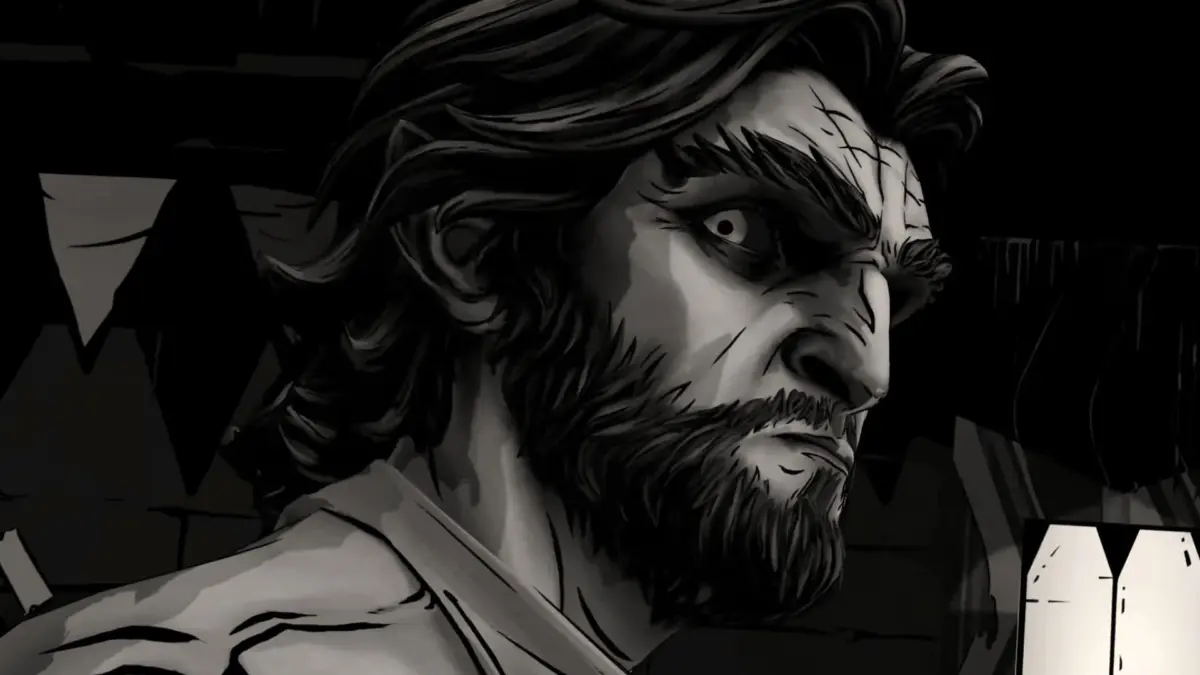
In one of the most significant announcements emerging from the annual Gamescom season showcase, developer and publisher Telltale Games has officially confirmed the release date for The Wolf Among Us Remastered. Scheduled to launch on October 29, 2026, the definitive edition of the critically acclaimed neo-noir narrative adventure will land just ahead of the Halloween season across multiple hardware ecosystems, including current-generation consoles, PC, the Nintendo Switch, and its highly anticipated successor, tentatively designated as the Switch 2.
The announcement marks a major operational milestone in the ongoing renaissance of Telltale Games. Originally launched as a five-part episodic series between October 2013 and July 2014, The Wolf Among Us established a benchmark for interactive storytelling within the video game industry. Built upon the foundation of Bill Willingham’s award-winning Fables comic book series published by DC Comics’ Vertigo imprint, the game introduced players to a dark, hard-boiled reimagining of classic folklore characters living in secret in 1980s Manhattan.
This comprehensive remaster is engineered not merely as a nostalgic re-release, but as a technological bridge designed to re-introduce the franchise to modern audiences while laying the groundwork for the long-awaited sequel, The Wolf Among Us 2. Featuring refined visual pipelines, modernized frame rates, updated UI assets, and over an hour of archival behind-the-scenes content, The Wolf Among Us Remastered represents both a preservation effort for a seminal narrative title and a strategic effort by the revitalized studio to solidify its position in the modern gaming landscape.
Detailed Chronology: The Decade-Long Journey of a Cult Classic
To fully appreciate the weight of the October 2026 release date, one must examine the turbulent history of the title and the studio responsible for its creation. The decade-long trajectory of The Wolf Among Us mirrors the volatile shifts within the broader narrative adventure games sector.
+-----------------------------------------------------------------------------------+
| 2013–2014: Original Episodic Release (Critical Acclaim & Fanbase Formation)       |
+-----------------------------------------------------------------------------------+
                                         |
                                         v
+-----------------------------------------------------------------------------------+
| 2017–2018: Season 2 Announcement Followed by Telltale Studio Closure              |
+-----------------------------------------------------------------------------------+
                                         |
                                         v
+-----------------------------------------------------------------------------------+
| 2019: Asset Acquisition by LCG Entertainment ("Telltale 2.0")                     |
+-----------------------------------------------------------------------------------+
                                         |
                                         v
+-----------------------------------------------------------------------------------+
| 2026 (Gamescom): Official Reveal of Remaster Date (Oct 29, 2026) for Switch 1/2   |
+-----------------------------------------------------------------------------------+
The Initial Era (2013–2014)
Following the catastrophic success of The Walking Dead: Season One in 2012, Telltale Games applied its choice-driven narrative template to Fables. The resulting five-episode arc—comprising Faith, Smoke and Mirrors, A Crooked Mile, In Sheep’s Clothing, and Cry Wolf—was released sequentially over nine months.
Focusing on Bigby Wolf (the Big Bad Wolf turned Sheriff of Fabletown), the game received widespread praise for its atmospheric synth-wave soundtrack, vibrant comic book art style, and morally complex choices. It quickly cultivated a dedicated global fanbase that aggressively lobbied for a second season.
The Collapse and Interregnum (2017–2018)
In July 2017, Telltale officially greenlit The Wolf Among Us: Season Two, originally slated for a 2018 launch. However, systemic internal issues, rapid studio overexpansion, and an overreliance on an aging proprietary engine culminated in September 2018 with a dramatic, full-scale corporate shutdown.
The majority of Telltale’s staff were laid off without severance, projects were summarily canceled, and the studio’s catalog began disappearing from digital storefronts due to licensing complications. For years, the story of Bigby Wolf remained permanently frozen on a cliffhanger.
The Resurrection and Pipeline Reconstruction (2019–2025)
In August 2019, LCG Entertainment acquired the rights to the Telltale brand, catalog, and select licenses, forming a new entity colloquially known as "Telltale 2.0." Recognizing the immense residual value of The Wolf Among Us, the restructured management team re-announced The Wolf Among Us 2 at The Game Awards in December 2019.
To avoid the missteps of its predecessor, the new studio abandoned the legacy Telltale Tool in favor of Epic Games’ Unreal Engine, completely rebuilding the development infrastructure. As work progressed on the sequel, studio leadership recognized that a modernized remaster of the original game was essential to update the legacy title for modern hardware and acclimate a new generation of players to the lore of Fabletown.

Supporting Context & Metrics: Technical Specifications and Content Enhancements
The Wolf Among Us Remastered brings significant technical overhauls aimed at elevating the original 2013 presentation to modern platform standards while preserving the distinctive aesthetic created by artistic director Jonathan Stauder and his team.
Technical & Engine Enhancements
+----------------------------------------------------------------------------------+
| TECHNICAL FEATURE       | ORIGINAL (2013-2014)       | REMASTERED (2026)           |
+-------------------------+----------------------------+-----------------------------+
| Engine Framework        | Telltale Tool (Legacy)     | Updated Modern Pipeline     |
| Target Resolution       | 720p / 1080p Dynamic       | Native 4K (Platform Dependent)|
| Performance Target      | 30 FPS (Unstable drops)    | Locked 60 FPS               |
| Shader Technique        | Basic Cell-Shading         | Advanced Deferred Ink-Shaders|
| Platform Availability   | PS3, Xbox 360, PC, Mobile  | Switch, Switch 2, Gen9, PC  |
+----------------------------------------------------------------------------------+
The original 2013 release was notorious for performance hitches, stuttering frame transitions, and long load screens—flaws tied directly to the limitations of the original Telltale Tool engine. The 2026 remaster resolves these legacy issues:
- Framerate & Resolution: The remaster targets a rock-solid 60 frames per second at native 4K resolution on flagship consoles and PC, eliminating micro-stutters during high-intensity Quick Time Events (QTEs).
- Lighting and Material Overhauls: The developers implemented modern dynamic lighting systems that accentuate the game’s signature neon-noir palette. Shadow rendering, volumetric fog, and specular maps on character models have been reworked to preserve the hand-drawn, ink-and-paint feel of the original comic books while improving depth and clarity.
- Asset Upscaling: Textures across all five episodes have been re-authored, ensuring environmental elements, character outfits, and localized visual cues retain high fidelity on modern ultra-high-definition displays.
- Hardware-Specific Enhancements: On the Nintendo Switch platform—and explicitly optimized for its successor hardware ("Switch 2")—the title leverages updated memory architecture to reduce loading times between scenes to near-instantaneous levels, ensuring seamless episodic transitions.
Archival Features and Bonus Material
Beyond technical polish, Telltale has packaged the remaster with substantial archival material tailored for gaming historians and core enthusiasts. The total package includes over 60 minutes of bonus material, detailed as follows:
- Behind-the-Scenes Retrospective: Interactive documentary shorts chronicling the creation of the original game, featuring reflections from lead writers, narrative designers, and voice talent.
- Cast & Crew Audio Commentaries: Select key scenes across all five episodes feature optional audio commentary tracks by voice actors Adam Harrington (Bigby Wolf) and Erin Yvette (Snow White), along with core development directors.
- Unreleased Art & Audio Vault: A digital gallery showcasing unused concept art, early character iterations (including alternate designs for the Woodsman and Ichabod Crane), and unreleased musical tracks composed by Jared Emerson-Johnson.
Official Statements & Narrative Significance
Industry analysts view the release of The Wolf Among Us Remastered as a strategic move designed to re-establish Telltale’s market presence ahead of major future releases.
By setting the launch date for October 29, 2026, Telltale is placing the title in a prime seasonal window. The late October timing capitalizes on the game’s dark fantasy and murder-mystery elements, positioning it as an ideal title for autumn streaming events, community playthroughs, and seasonal sales cycles.
                  THE NARRATIVE PILLARS OF FABLETOWN

         +--------------------------------------------------+
         |              FABLETOWN MICROCOSM                 |
         |  (Gritty 1980s NYC environment hiding mythical) |
         +--------------------------------------------------+
                                  |
         +------------------------+------------------------+
         |                                                 |
         v                                                 v
+----------------------------------+     +----------------------------------+
|       THE DETECTIVE ARC          |     |      MORAL & POLITICAL TENSION   |
| Neo-noir investigation, crime    |     | Choice-driven mechanics, glamour |
| scenes, forensic choices.        |     | economics, systemic inequality.  |
+----------------------------------+     +----------------------------------+
The Cultural Impact of the Fables Adaptation
Narratively, The Wolf Among Us remains one of the most celebrated comic book adaptations in interactive media. Set in 1986—years prior to the events of Bill Willingham’s first Fables comic issue—the game serves as an accessible entry point to the lore.
The player assumes the role of Bigby Wolf, the reformed villain of fairytale lore who now serves as the sheriff of Fabletown, a covert enclave of displaced magical beings residing within New York City’s Manhattan district. When a Fable is brutally murdered, Bigby is thrust into a complex detective investigation that exposes systemic poverty, corruption, and black-market magic ("glamour") within the marginalized community.
The game’s choice-driven architecture forces players to balance Bigby’s violent, predatory instincts against his desire to be a fair, just law enforcer. Remastering this narrative allows Telltale to reinforce the impact of player choice, reminding audiences of the emotional weight that defined the studio’s golden era.
Future Outlook: Reclaiming the Narrative Adventure Crown
The release of The Wolf Among Us Remastered on October 29, 2026, serves as a vital barometer for Telltale Games 2.0. In an industry environment increasingly dominated by live-service games and massive open-world RPGs, the market performance of a polished, linear, choice-driven narrative remaster will yield important data regarding consumer appetite for episodic adventure games.
                      TELLTALE 2.0 STRATEGIC ROADMAP

   +--------------------------------------------------------------------+
   |  Phase 1: Pipeline Modernization & Technology Overhaul (Unreal)   |
   +--------------------------------------------------------------------+
                                    |
                                    v
   +--------------------------------------------------------------------+
   |  Phase 2: Legacy Catalog Preservation & Re-Engagement             |
   |  (The Wolf Among Us Remastered - Oct 2026)                          |
   +--------------------------------------------------------------------+
                                    |
                                    v
   +--------------------------------------------------------------------+
   |  Phase 3: Next-Gen Sequel Deployment                               |
   |  (The Wolf Among Us 2 Launch Window)                               |
   +--------------------------------------------------------------------+
Strategic Implications for Telltale and the Industry
- Onboarding a New Generation: The original release occurred across platform architectures that are now two generations old (PlayStation 3, Xbox 360). Porting the title to the Nintendo Switch ecosystem and its upcoming successor ensures that millions of younger players who were too young for the 2013 original can experience Bigby’s origin story natively on modern handheld and hybrid devices.
- Building Momentum for The Wolf Among Us 2: Re-releasing the original title acts as a high-visibility marketing campaign for the sequel. By providing fans with an upgraded version of the first entry, Telltale rekindles community engagement, revitalizes discourse on media platforms, and refreshes storyline continuity for players ahead of the sequel’s eventual launch.
- Validation of Telltale’s Business Model: Following the release of The Expanse: A Telltale Series in 2023, the studio demonstrated its commitment to sustainable development cycles, avoiding the extreme crunch and financial overextension that doomed the original company. A smooth, successful launch for The Wolf Among Us Remastered will further validate LCG Entertainment’s measured operational strategy.
As October 29, 2026 approaches, the return to Fabletown represents more than just a trip down memory lane. It stands as a testament to the resilience of a beloved narrative franchise, the enduring appeal of noir storytelling in gaming, and a definitive statement that Telltale Games is focused on securing its future by honoring its historic past.




Belum ada komentar. Jadilah yang pertama berkomentar!