


Executive Overview
A decade after Creative Assembly redefined the survival horror genre with Alien: Isolation (2014), the UK-based studio made a landmark return at Gamescom with the first playable hands-on demonstration of its long-awaited sequel, Alien: Isolation 2. Moving away from the sterile, retro-futuristic corridors of deep-space orbital stations, the demo showcased a radical directional shift: bringing the franchise’s iconic, lethal organism down to an unforgiving, tempest-ravaged planetary surface.
Set against a rain-drenched, claustrophobic terrestrial wilderness, Alien: Isolation 2 introduces a new protagonist, Blake—a Weyland-Yutani operative newly awakened from an eight-month cryo-stasis—alongside a blue-collar salvage crew. The hands-on preview presented a polished slice of gameplay built around expanded traversal systems, hyper-realistic spatial audio, and an upgraded iteration of the franchise’s famous unscripted Xenomorph artificial intelligence.
Targeted for launch on PlayStation 5, Xbox Series X/S, and Nintendo’s upcoming successor console (Nintendo Switch 2), the title aims to bridge the gap between cinematic film craft and visceral interactive survival. However, alongside glowing initial impressions of its atmospheric density, critical questions remain regarding whether Creative Assembly can resolve the pacing hurdles that hampered the third act of its 2014 predecessor.
Detailed Chronology: The Gamescom Demonstration
                          DEMO CHRONOLOGY
┌─────────────────────────────────────────────────────────────────┐
│ 01. Terrestrial Insertion: Rainforest storm & transport vessel  │
└────────────────────────────────┬────────────────────────────────┘
                                 │
                                 ▼
┌─────────────────────────────────────────────────────────────────┐
│ 02. Environmental Traversal: Fluid mantle, crouch, & movement   │
└────────────────────────────────┬────────────────────────────────┘
                                 │
                                 ▼
┌─────────────────────────────────────────────────────────────────┐
│ 03. Sevastopol Wreckage: Industrial decay & manual power repair │
└────────────────────────────────┬────────────────────────────────┘
                                 │
                                 ▼
┌─────────────────────────────────────────────────────────────────┐
│ 04. Xenomorph Ambush: Adaptive AI stalking & failed escape attempt│
└─────────────────────────────────────────────────────────────────┘
Phase 1: Descent into the Muddy Wilderness
The Gamescom session opens with an uncompromising atmospheric assault. A violent, unrelenting downpour batters a dense extraterrestrial forest, turning the soil into thick, clinging mud. Players take control of Blake while aboard a heavy-duty, long-haul transport vehicle navigating through the pitch-black night.
The immediate shift in environment sets a starkly different baseline tone from the original game. Rather than isolated steel corridors floating in vacuum, Blake and her companion crew—reminiscent of the blue-collar "space truckers" of the 1979 original Alien film—are deployed into an open, hostile climate. The introductory dialogue highlights Blake’s disorienting transition from an eight-month cryo-sleep directly into a high-stakes salvage operation under the Weyland-Yutani banner.
Phase 2: Infiltrating the Sevastopol Wreckage
Stepping out of the vehicle, players immediately experience the updated player controller. Traversal across the terrain requires navigating thick brambles, muddy gullies, and fallen industrial debris. Movement feels significantly modernized; walking, crouching, and mantling over obstacles carry realistic physical weight while providing an improved sense of agility needed for tactical maneuvering.
The destination of Blake’s squad is an overgrown crash site containing scattered remnants of the fallen Sevastopol Station. As Blake breaches a cracked bulkhead into a flooded, subterranean section of the wreckage, the objective shifts to environmental puzzle-solving: restoring power to an ancient electrical console using scavenged scrap material. The interior environment acts as a grim time capsule, with structural floor panels rattling violently under the force of torrents of rainwater rushing overhead.

Phase 3: Unscripted Terror – The Xenomorph Returns
Upon restoring power to the vessel’s surviving systems, the calm gives way to immediate, chaotic dread. Sirens and flashing industrial lights breach the darkness, triggering the arrival of the apex predator.
The Xenomorph’s entry is instantaneous and unscripted. Emerging from the dynamic shadows of the wrecked hull, the creature actively sweeps the zone for human signatures. Unlike conventional stealth-action titles where enemy search patterns follow rigid, predictable paths, the Xenomorph demonstrates immediate situational awareness.
During the preview session, Blake’s initial attempt to circle around low structural cover was cut short when the alien modified its pathing mid-search, detecting environmental disturbances and blocking the primary exit route, forcing a panic-induced retreat into a dead-end corridor.
Technical Metrics & Audiovisual Architecture
+------------------------------------------------------------------+
|               CORE TECHNICAL & DESIGN ENGINE PIPELINE            |
+------------------------------------+-----------------------------+
| Audiovisual & Lighting             | Traversal & Behavior AI     |
+------------------------------------+-----------------------------+
| • Anamorphic lens distortion       | • Dynamic mantling/crouching|
| • Derek Vanlint visual fidelity    | • Real-time adaptive AI     |
| • Spatial acoustic reverberation   | • Multi-layered sound propagation|
+------------------------------------+-----------------------------+
Cinematographic Lighting and Aesthetic Homage
Creative Assembly has focused heavily on recreating the specific visual language of vintage 1970s science fiction cinema. The lighting engine emulates the real-world optics of anamorphic lenses, a direct homage to the cinematography of Derek Vanlint, DP on Ridley Scott’s original Alien.
- Volumetric Illumination: High-contrast industrial floodlights cut through torrential rain, creating dynamic shadow casting and realistic fog dispersion.
- Optics Engine: Subtle optical distortions, dirty-lens post-processing, horizontal flare streaks, and film-grain emulation recreate an analog photographic feel.
- Environmental Geometry: Intricate mesh detail combines natural foliage with crumbling, rusted metallic structures, showcasing seamless blending between natural terrain and retro-futuristic architecture.
Acoustic Engineering and Spatial Soundscapes
Audio remains the foundational pillar of Alien: Isolation 2’s tension design. Building upon their award-winning sound design systems, the developers have engineered an intricate acoustic environment:
- Dynamic Acoustics: Character dialogue, footfalls, and atmospheric creaks bounce dynamically off interior metal and exterior natural rock faces, creating realistic echo and reverberation.
- Tactile Audio Cues: Raindrops hitting metallic hulls, squelching boots in heavy mud, and the metallic groans of shifting wreckage serve as direct gameplay indicators, helping players calculate distance and spatial threats.
- Positional Foley Work: Binaural spatial audio allows players to pinpoint the exact location of the Xenomorph—whether crawling through overhead ductwork, stalking through adjacent brush, or splashing through flooded sub-floors.
Advanced Behavioral AI and Traversal Mechanics
The core appeal of the original game rested on its dual-layer AI system (a high-level "director" AI feeding broad clues to a low-level procedural "agent" AI controlling the creature). Alien: Isolation 2 pushes this paradigm further:
| Feature Dimension | Alien: Isolation (2014) | Alien: Isolation 2 (Demo) |
|---|---|---|
| Primary Setting | Enclosed space station (Sevastopol) | Open/Planetary rain-drenched terrain & wreckage |
| Player Traversal | Rigid crouching, slow walking, vent crawling | Fluid mantling, dynamic crouching, agile vaulting |
| Visual Styling | CRT monitor glow, clean retro-futurism | Anamorphic film grain, high-contrast dynamic volumetric storms |
| Xenomorph AI | Real-time pattern learning via director system | Advanced spatial awareness, adaptive counter-pathing, natural tracking |
Narrative Framework & Franchise Canon
                       FRANCHISE TIMELINE & DESIGN INFLUENCES
┌──────────────────────┐     ┌──────────────────────┐     ┌──────────────────────┐
│  Alien (1979 Film)   │     │ Alien: Isolation 2   │     │ Prometheus / Covenant│
├──────────────────────┤     ├──────────────────────┤     ├──────────────────────┤
│ Industrial aesthetic │ ──► │ Terrestrial planet   │ ◄── │ Open, dark, cavernous│
│ Space-trucker crew   │     │ Blake (Protagonist)  │     │ wilderness themes    │
└──────────────────────┘     └──────────────────────┘     └──────────────────────┘
Expanding Beyond Spacecraft Corridors
Historically, Alien video games have defaulted to tight, metal corridors modeled after the Nostromo or the Hadley’s Hope colony facility. By moving the horror to a terrestrial setting, Creative Assembly draws thematic inspiration from Ridley Scott’s later film entries, Prometheus and Alien: Covenant.
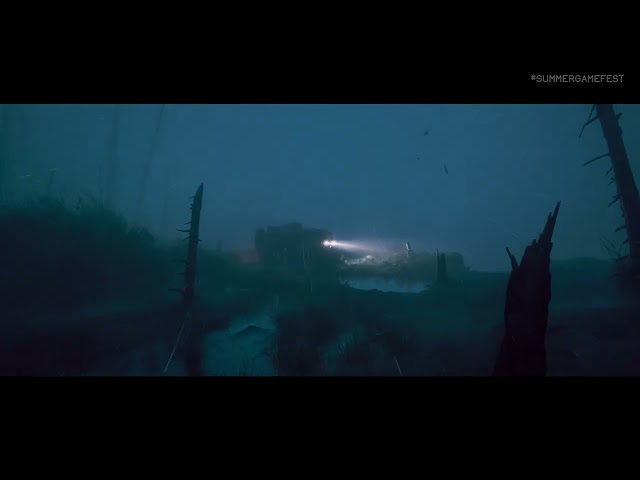
The shift to planet-side environments presents new game design opportunities and challenges:
- Loss of Structural Containment: Without locked steel doors to offer temporary safety, open-air environments force players to rely on vegetation, darkness, and physical terrain variations for concealment.
- Environmental Hazards: Torrential rain and heavy wind actively distort the player’s hearing and vision, making it harder to spot moving threats while simultaneously masking the player’s own noise.
The Human Element: Weyland-Yutani’s Blue-Collar Legacy
The introduction of Blake and her salvage team anchors the story in the working-class aesthetic of the original franchise:
- Character Archetypes: Early dialogue interactions portray a pragmatic, wearisome crew driven by economic desperation rather than heroic motives. Character designs intentionally evoke classic figures like Captain Dallas (Tom Skerritt) and Chief Engineer Parker (Yaphet Kotto).
- Corporate Exploitation: The backdrop of Weyland-Yutani’s unyielding pursuit of bio-weapons and valuable wreckage continues to drive the narrative momentum, placing low-level salvage workers in high-risk zones without adequate defense equipment.
Future Outlook and Strategic Assessment
Hardware Performance and Platform Trajectory
The Gamescom demo was executed on high-spec developer PC rigs, leaving questions open regarding performance across target platforms.
- PlayStation 5 & Xbox Series X/S: Expected to feature dedicated 60fps performance profiles alongside high-fidelity 30fps modes utilizing hardware-accelerated ray tracing for illumination and reflections.
- Nintendo Switch 2 Considerations: As one of the most high-profile third-party AAA projects intended for Nintendo’s next-generation platform, performance optimization will be vital. Industry observers speculate that target profiles on handheld hardware may utilize AI-driven upscaling (such as Nvidia DLSS) to aim for a stable 30fps or a high-refresh 40fps display mode.
                    TARGET PLATFORM DISTRIBUTION
┌───────────────────────────────┬───────────────────────────────┐
│     Console & PC Platforms    │       Next-Gen Handheld       │
├───────────────────────────────┼───────────────────────────────┤
│ • PlayStation 5               │ • Nintendo Switch 2           │
│ • Xbox Series X/S             │   (Targeting DLSS Upscaling / │
│ • High-Spec PC (Demo Base)    │    40fps Fidelity Target)    │
└───────────────────────────────┴───────────────────────────────┘
Addressing Long-Term Pacing Challenges
While the initial demo impressed critics and hands-on players, the true test for Creative Assembly lies in structural pacing. The original Alien: Isolation faced criticism for its inflated 18-to-20-hour campaign length, which many felt led to mechanical fatigue in its final third.
To achieve critical and commercial success, Alien: Isolation 2 must strike a delicate balance:
- Avoiding Repetition: Maintaining tension across a long single-player campaign without relying on repetitive keycard/console fetch quests.
- Preserving Pure Survival Horror: Resisting the temptation to shift late-game gameplay into a full-scale action shooter, preserving the core terror of an invincible, hunting Xenomorph.
- Mechanics Variety: Integrating diverse survival mechanisms—scavenging, craftable tools, dynamic weather interactions, and multi-faction threats—without diluting the central horror experience.
Conclusion
The Gamescom preview confirms that Alien: Isolation 2 is shaping up to be a ambitious survival horror title. By trading familiar metal corridors for an unforgiving, rain-swept planet while maintaining ultra-tactile sound design and lethal adaptive AI, Creative Assembly is mounting a bold bid to evolve its signature style. If the studio can maintain this level of atmosphere and solve the pacing issues of the past, the sequel could stand as a new high-water mark for the franchise.






Belum ada komentar. Jadilah yang pertama berkomentar!