

Executive Overview
The political influence of Silicon Valley’s elite has entered a formidable new phase. A prominent, venture capital-backed pro-artificial intelligence super political action committee (PAC) is expanding its footprint from Washington, D.C., conference rooms to the living rooms of voters in critical electoral battlegrounds.
A newly formed advocacy organization, Build American AI, has launched a multi-million-dollar advertising blitz designed to convince voters in key states of the economic and technological virtues of massive data centers.
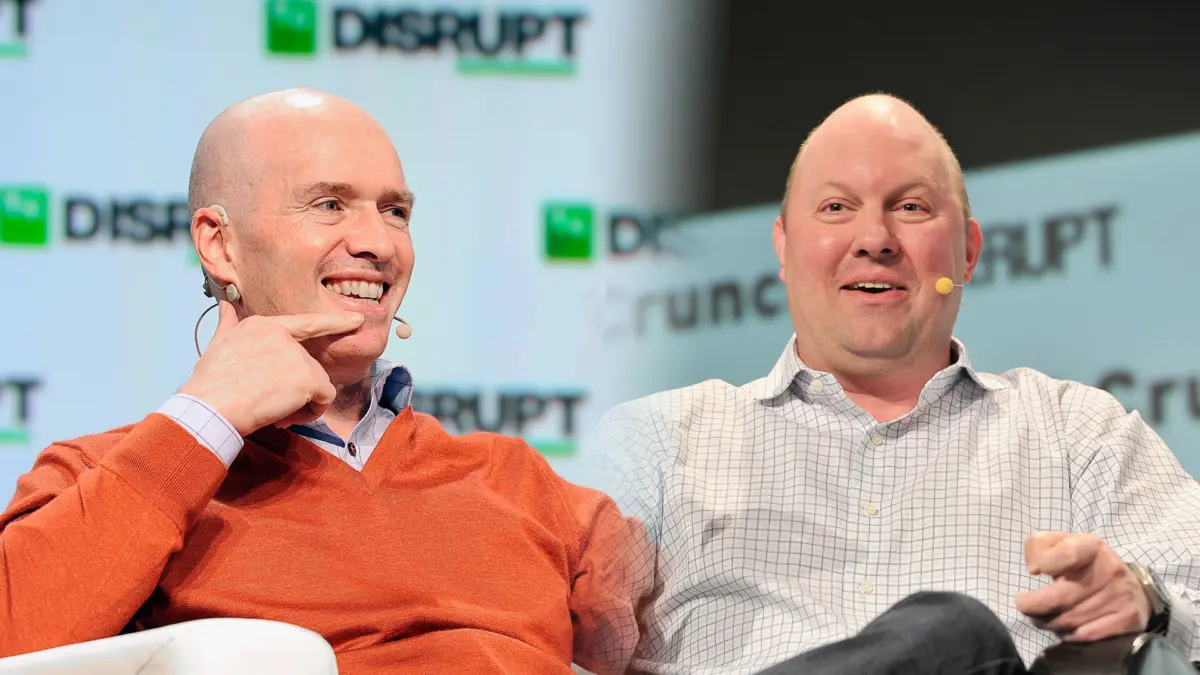
Behind this initiative is a web of high-powered tech financiers, prominent venture capitalists, and top artificial intelligence executives. Build American AI is directly affiliated with Leading the Future (LTF), a controversial super PAC bankrolled heavily by legendary Silicon Valley venture capitalists Marc Andreessen and Ben Horowitz, alongside OpenAI President Greg Brockman.
As artificial intelligence shifts from a theoretical software concept to an infrastructure-heavy industrial reality, the physical footprint of the AI boom has become a flashpoint in local and statewide elections. Massive server farms—vital for training and running generative AI models—require extraordinary amounts of electricity and water, frequently triggering pushback from local residents, environmental groups, and municipal leaders.
To combat this grassroots resistance, Build American AI is deploying millions of dollars in Kansas, Ohio, and Wisconsin, states where data center expansions have emerged as central political debates. Yet, the campaign arrives amid heightened scrutiny over the tactics employed by tech-backed political groups. Questions surrounding transparency, "astroturfing" accusations, and the aggressive spending habits of venture capital heavyweights have thrust Silicon Valley’s political machinations into the national spotlight, prompting even corporate entities like OpenAI to publicly distance themselves from the very organizations their executives fund.
Detailed Chronology: From Silicon Valley Boardrooms to Battleground Airwaves
The trajectory of Build American AI and its parent super PAC, Leading the Future, reflects a calculated, multi-year escalation of Silicon Valley’s political engagement. Understanding how the tech industry evolved from a posture of libertarian detachment to aggressive electoral intervention requires examining the timeline of key developments:
Early 2024–2025: The Rise of Tech-Fueled Super PACs
As artificial intelligence policy gained legislative momentum across Washington, venture capitalists and tech executives realized that traditional lobbying was insufficient. To shape the regulatory landscape, industry leaders began mobilizing immense amounts of private capital into independent political expenditure committees.
Marc Andreessen and Ben Horowitz, founders of the influential venture capital firm Andreessen Horowitz (a16z), began aggressively funneling personal and corporate-aligned funds into political causes. Alongside their heavy investments in cryptocurrency advocacy groups like Fairshake, the duo turned their attention toward securing a friendly federal and state regulatory environment for generative AI.
Mid-2026: The Launch of Leading the Future (LTF)
Leading the Future emerged as a primary vehicle for these ambitions, launching with an unprecedented war chest exceeding $50 million. Financed by tech luminaries including Andreessen, Horowitz, and OpenAI President Greg Brockman (alongside his wife, Anna Brockman), LTF set out to reshape the political ecosystem.
Rather than focusing solely on traditional lobbying, LTF operated as an aggressive electoral weapon. Investigative reports from Politico revealed that LTF utilized its funds to financially back pro-AI candidates while actively targeting and opposing politicians who lobbied against the technology or favored stringent regulatory frameworks.
June 2026: OpenAI Publicly Distances Itself
As LTF’s aggressive tactics generated negative press and local friction, the organization became a liability for corporate entities tied to its founders. In an unusual public statement released in June 2026, artificial intelligence titan OpenAI formally distanced itself from the super PAC.
In a corporate blog post addressing its views on AI policy and political advocacy, OpenAI stated:
"There have been questions around Leading the Future (LTF), which has received support from our President and co-founder, Greg Brockman, and his wife Anna. OpenAI does not direct the activities of LTF, or have visibility into their operations."
Furthermore, OpenAI issued a sharp critique of the tactics associated with groups operating in this space, demanding greater transparency:
"Groups that are advocating on AI should be clear about their policy views, be honest about whom they represent, and not use tactics like astroturfing that obscure the real choices facing policymakers and the public."
Late July 2026: Diversification of AI Political Strategies
The tech industry’s political strategy proved far from monolithic. While Andreessen, Horowitz, and Brockman pursued hardball electoral tactics through LTF, competing AI labs adopted vastly different approaches. In July 2026, artificial intelligence safety and research firm Anthropic announced a $20 million donation to Public First Action, a political group explicitly dedicated to supporting moderate AI regulation—placing Anthropic at odds with the deregulation-heavy stance favored by a16z leadership.
August 2026: The Launch of Build American AI and the Data Center Battle
Recognizing that federal lobbying alone could not solve the acute local resistance to physical AI infrastructure, LTF operatives expanded their strategy downward. In late August 2026, Build American AI was formally launched as an affiliate group designed to tackle the public relations crisis surrounding data centers.
Targeting media markets in Kansas, Ohio, and Wisconsin, the group deployed a multi-million-dollar ad campaign designed to reframe data centers not as industrial behemoths straining local resources, but as engines of economic growth, technological sovereignty, and community prosperity.
Supporting Context & Metrics: The Numbers Behind the Machine
To fully comprehend the scope of this political intervention, one must examine the staggering financial figures and structural dynamics driving the tech industry’s influence over the electoral process.
Andreessen Horowitz: The Undisputed Titans of Midterm Spending
According to extensive financial analysis by the New York Times, venture capitalists Marc Andreessen and Ben Horowitz have been "spending on politics like no other."
- Record-Breaking Contributions: Andreessen Horowitz stands as the single biggest organizational donor to the ongoing midterm elections. The firm has funneled more than $115 million in disclosed federal contributions into various political vehicles.
- Surpassing Traditional Billionaires: This level of direct financial participation dwarfs the political spending of other high-profile, historically dominant billionaire donors, including Elon Musk and George Soros.
- Multi-Pronged Lobbying Strategy: The firm’s capital has not been restricted to artificial intelligence. A substantial portion of these funds has been directed toward pro-crypto efforts—most notably through Fairshake, a super PAC that successfully shifted congressional math on digital asset legislation.
The Geography of Discontent: Kansas, Ohio, and Wisconsin
Build American AI’s strategic focus on Kansas, Ohio, and Wisconsin is far from accidental. These three states represent critical political battlegrounds where state and local elections are increasingly pivoting on land-use permits, water rights, and electrical grid capacities.
+-----------------------------------------------------------------+
|                  BUILD AMERICAN AI STRATEGIC FOCUS              |
+------------------+----------------------------------------------+
| State            | Primary Local Friction Points                |
+------------------+----------------------------------------------+
| Ohio             | Strain on rural electrical grids, zoning     |
|                  | pushback from suburban residents.            |
+------------------+----------------------------------------------+
| Wisconsin        | Water consumption debates, municipal tax     |
|                  | subsidy pushback.                            |
+------------------+----------------------------------------------+
| Kansas           | Land-use conversion, agricultural concerns,  |
|                  | transparency over grid stability.            |
+------------------+----------------------------------------------+
Data centers require millions of gallons of water daily for cooling servers and draw continuous baseload power equivalent to small cities. In regions unaccustomed to heavy industrial tech footprints, local zoning boards and county commissioners have found themselves caught in fierce battles between cash-strapped municipalities seeking tax revenue and residents fearing skyrocketing electricity bills and environmental degradation.
By launching a multi-million-dollar ad blitz in these specific regions, Build American AI aims to shift public opinion before local ordinances or restrictive state-level bills can halt data center construction.
Official Statements and Industry Controversy
The intersection of artificial intelligence, venture capital funding, and electoral politics has generated significant friction, forcing tech executives, political operatives, and corporate spokespeople onto the defensive.
The "Astroturfing" Debate
The core criticism facing Build American AI and its parent super PAC, Leading the Future, centers on the concept of astroturfing—the practice of disguising corporate-funded, top-down political campaigns as genuine grassroots movements.
When OpenAI explicitly warned against groups that "obscure the real choices facing policymakers and the public," industry analysts interpreted it as a direct indictment of how LTF and its affiliates operate. Critics argue that pouring millions of dollars in venture capital into hyper-localized advertising campaigns creates a manufactured consensus that does not reflect genuine community sentiment.
The Defense: Technological Sovereignty and Economic Necessity
Defenders of Build American AI and the broader a16z political apparatus argue that aggressive advocacy is an absolute necessity for American geopolitical and technological survival. From their perspective, the United States is engaged in a high-stakes artificial intelligence race against global competitors like China.
Proponents of the data center ad blitz contend that if local communities successfully block the construction of server infrastructure due to "Not In My Backyard" (NIMBY) sentiment, America’s AI compute capacity will stagnate. In candidate questionnaires and public statements published on its official website, Build American AI frames its mission as a patriotic duty: ensuring that the physical infrastructure underpinning the future of human intelligence is built on American soil, driving local high-paying jobs, and securing Western technological dominance.
Future Outlook: What Lies Ahead for AI Infrastructure Politics?
As the midterm elections approach and data center buildouts accelerate, the campaign mounted by Build American AI and Leading the Future will serve as a bellwether for the future of tech-funded politics. Several key trends will define the landscape moving forward:
- The Weaponization of Local Zoning: The success or failure of Build American AI’s multi-million-dollar ad buys in Kansas, Ohio, and Wisconsin will determine whether tech super PACs continue to invest heavily in municipal and state-level infrastructure debates. If public resistance is successfully mollified, expect similar campaigns to emerge nationwide in states like Texas, Virginia, and Oregon, which host massive concentrations of server farms.
- Deepening Rifts Within the AI Community: The ideological split between hardline deregulators (exemplified by Andreessen Horowitz and LTF) and safety-focused reformers (exemplified by Anthropic and Public First Action) will likely widen. As regulatory bills are introduced in state legislatures and Congress, these well-funded factions will increasingly clash over policy outcomes, spending records, and political endorsements.
- Heightened Scrutiny on Political Transparency: Given the public rebukes from corporations like OpenAI, regulatory bodies and watchdog organizations are expected to increase scrutiny on the financial disclosures, operational independence, and funding sources of pro-AI super PACs. The pressure for greater transparency regarding who actually finances grassroots-styled advocacy groups will remain a central theme in campaign finance reform debates.
Ultimately, the launch of Build American AI marks a definitive turning point. Artificial intelligence is no longer confined to the digital ether of code and algorithms; it has taken physical form in concrete, steel, cooling towers, and electrical substations. As Silicon Valley’s titans spend record-shattering sums to protect their physical and digital investments, the battle for the American data center has officially become the frontline of modern electoral politics.








Belum ada komentar. Jadilah yang pertama berkomentar!