

Executive Overview
In an aggressive push to capture late-summer digital readership, Kodansha USA has launched its "Ghost Festival" digital sale, a highly targeted promotional campaign running through Monday, August 17, 2026. Leveraging the cultural resonance of the mid-August Obon season—traditionally associated with the return of ancestral spirits in Japan—the publisher has curated a diverse catalog of supernatural, horror, and yokai-centric manga.
The promotional pricing structure employs a classic "loss-leader" acquisition strategy: first volumes of major serialized works are priced at $0.99, while subsequent volumes are discounted up to 50%. By reducing the barrier to entry for highly rated series, Kodansha aims to convert casual readers into long-term digital subscribers. The campaign is being deployed across a wide network of digital manga distributors, including Amazon Kindle, Barnes & Noble Nook, Bookwalker, Google Play, Apple Books, MyAnimeList, and Mangamo, demonstrating a multi-platform distribution strategy designed to maximize market penetration.
+-------------------------------------------------------------------------+
|                        KODANSHA GHOST FESTIVAL SALE                     |
+-------------------------------------------------------------------------+
|  Pricing Model:   Vol. 1 @ $0.99  |  Subsequent Volumes: Up to 50% Off  |
|  Duration:        Ending August 17, 2026                                |
|  Key Themes:      Supernatural, Horror, Yokai, Mystery, Comedy          |
+-------------------------------------------------------------------------+
Detailed Chronology: The Evolution of Seasonal Digital Manga Promotions
To understand the strategic significance of the 2026 Ghost Festival sale, one must examine the broader trajectory of digital manga publishing over the past decade.
[Pre-2018: Print Dominance] ──> [2018-2022: Pandemic Digital Boom] ──> [2023-2026: Platform-Agnostic Curation]
   * High physical overhead       * Rapid adoption of e-readers        * Direct-to-consumer pipelines
   * Limited seasonal sales       * Emergence of proprietary apps      * Thematic, highly curated events
The Transition from Print-First to Digital-First Campaigns
Historically, North American manga publishers operated on print-first models, where back-catalog management was constrained by physical warehousing costs and limited retail shelf space. Seasonal sales were rare and typically managed by brick-and-mortar retailers like Borders or Barnes & Noble.

The late 2010s saw a paradigm shift. As digital reading platforms matured, publishers realized that digital storefronts offered infinite shelf space and zero marginal distribution costs. Kodansha USA, in particular, began experimenting with thematic digital sales, moving away from generic brand-wide discounts toward highly curated, genre-specific events.
The Rise of Thematic Curation
By 2022, the digital manga market had become highly saturated. Publishers could no longer rely on simple "publisher sales" to drive engagement. Instead, they adopted the video game industry’s strategy of thematic sales (similar to Steam’s seasonal events). The "Ghost Festival" digital sale represents the refinement of this strategy. By aligning the sale with the late-summer season, Kodansha capitalizes on a period when consumer interest in horror and supernatural themes naturally peaks.
Supporting Context & Metrics: Portfolio Analysis of Key Titles
The campaign’s selection of titles represents a deliberate mix of critically acclaimed masterpieces, cult horror hits, and lighter supernatural comedies. This diversity ensures appeal across multiple demographics, from mature horror enthusiasts to younger fans of light-hearted fantasy.
+----------------------------------+-------------+-----------------------------+
| Title                            | Age Rating  | Core Genre                  |
+----------------------------------+-------------+-----------------------------+
| Mushishi                         | 16+         | Philosophical / Supernatural|
| PTSD Radio                       | 16+         | Psychological Horror        |
| Elegant Yokai Apartment Life     | 13+         | Slice-of-Life / Fantasy     |
| In/Spectre                       | 13+         | Mystery / Romance / Yokai   |
| Phantom of the Idol              | 13+         | Comedy / Musical / Supernatural|
+----------------------------------+-------------+-----------------------------+
1. Mushishi by Yuki Urushibara (Rated 16+)
Mushishi stands as one of the most critically acclaimed manga of the 2000s, winning the Kodansha Manga Award and the Japan Media Arts Festival Grand Prize.
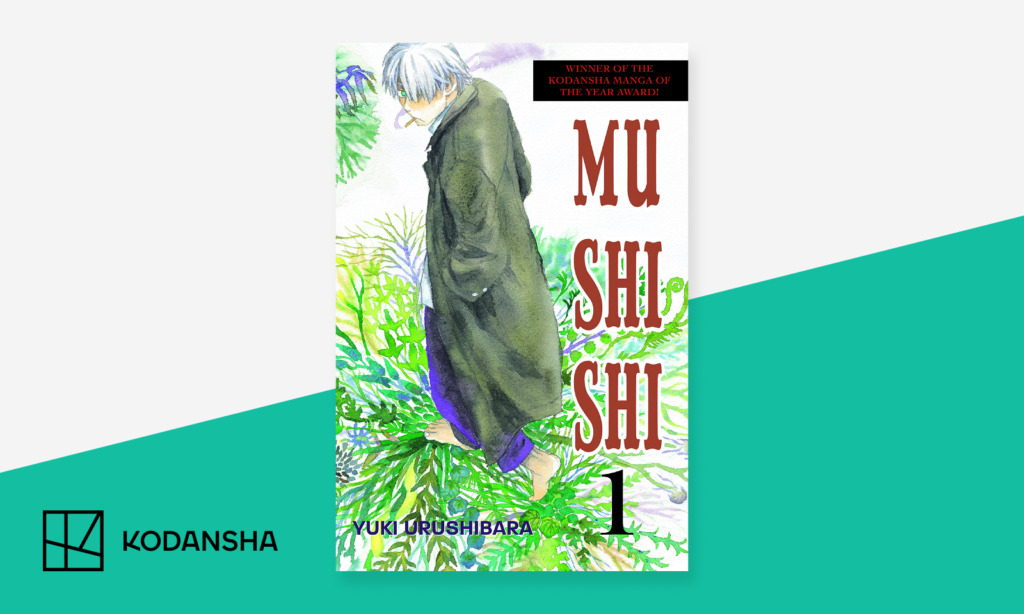
- Narrative Profile: The story follows Ginko, a researcher of "Mushi"—primordial, ethereal lifeforms that exist alongside humanity, often causing bizarre phenomenon or afflictions.
- Market Positioning: By offering the first volume of Mushishi for $0.99, Kodansha is targeting mature readers who appreciate slow-paced, atmospheric storytelling. Because the series is complete, a successful conversion of a reader to Volume 1 has a high probability of generating sales across the entire multi-volume run at the 50% discount rate.
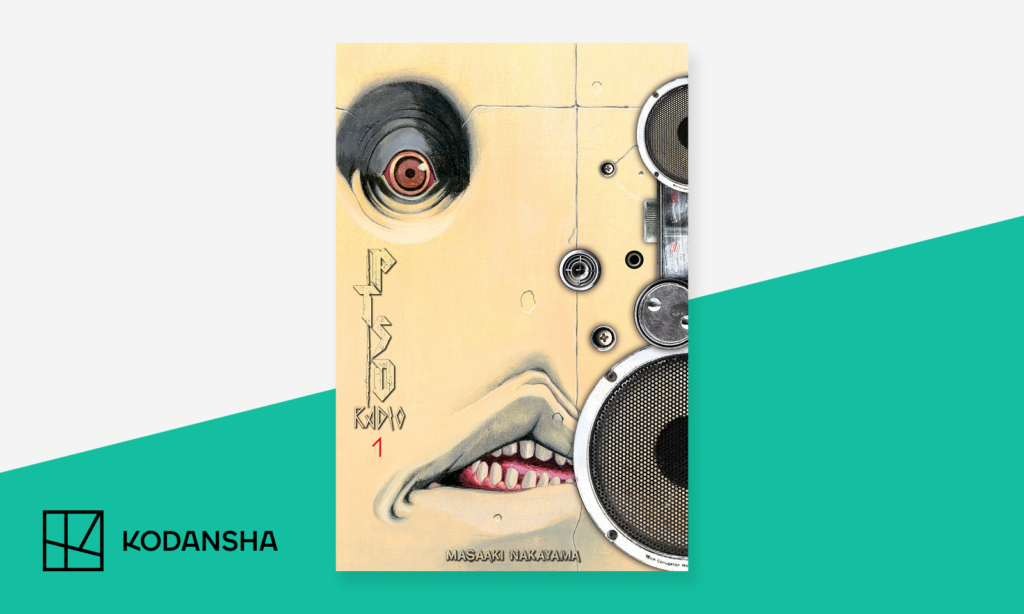
2. PTSD Radio by Masaaki Nakayama (Rated 16+)
For horror purists, PTSD Radio represents the cutting edge of psychological and body horror.
- Narrative Profile: Nakayama’s masterpiece revolves around "Ogushi," a malevolent, hair-dwelling entity that haunts a rural town. The narrative is told through fragmented, non-linear vignettes that mimic the static tuning of a radio.
- Market Positioning: The series has frequently been compared to the works of Junji Ito (such as Uzumaki). In an era where Japanese horror is experiencing a massive resurgence in the West, PTSD Radio serves as a high-margin asset that appeals directly to the dedicated horror demographic.
3. Elegant Yokai Apartment Life by Hinowa Kouzuki and Waka Miyama (Rated 13+)
Moving down the age-rating scale, Elegant Yokai Apartment Life serves as an entry point for younger demographics.
- Narrative Profile: The story follows Yushi Inaba, an orphan who finds incredibly cheap lodging in a building populated by humans, ghosts, and yokai.
- Market Positioning: This series acts as a bridge between supernatural horror and slice-of-life comedy. Its lower age rating (13+) opens up the sale to a broader, more mainstream YA (Young Adult) audience, balancing the dark, oppressive themes of PTSD Radio.
4. In/Spectre by Kyo Shirodaira and Chashiba Katase (Rated 13+)
An established franchise with a successful anime adaptation, In/Spectre combines mystery, folklore, and romantic elements.
- Narrative Profile: Kotoko, a girl who sacrificed an eye and a leg to become the "God of Wisdom" to spirits, teams up with Kuro, a young man with regenerative powers, to solve supernatural mysteries.
- Market Positioning: In/Spectre is a highly commercial title. Its inclusion in the sale leverages existing brand awareness from its anime run, encouraging fans of the animated adaptation to transition to the source material at a minimal cost.
5. Phantom of the Idol by Hijiki Isoflavone (Rated 13+)
Representing the comedy-supernatural subgenre, this title subverts traditional idol tropes.
- Narrative Profile: Yuya, a pathologically lazy male pop idol, allows himself to be possessed by the energetic ghost of a deceased female idol, Asahi Mogami, to save his career.
- Market Positioning: Positioned for fans of properties like My Dress-Up Darling and Horimiya, this title brings a contemporary, meta-humorous flavor to the campaign, ensuring that the "Ghost Festival" is not solely associated with dread and terror.
Official Statements and Platform Strategy
Kodansha’s official promotional materials frame the Ghost Festival sale as a curated experience rather than a mere discount event. The publisher emphasizes the timeless appeal of spectral stories:
"Terrifying tales of restless spectres causing chaos from beyond the grave are as old as time—and you can add the best of these literally haunting thrillers to your collection with the Ghost Festival digital sale!"
The Omnichannel Distribution Network
Rather than restricting the sale to its proprietary platform (Kodansha.us), the publisher has deployed a highly coordinated omnichannel strategy. By partnering with every major digital reading ecosystem, Kodansha ensures that it captures users wherever they choose to read:
                  ┌──────────────────────┐
                  │ Kodansha Ghost Sale  │
                  └──────────┬───────────┘
                             │
       ┌─────────────────────┼─────────────────────┐
       ▼                     ▼                     ▼
┌──────────────┐      ┌──────────────┐      ┌──────────────┐
│  Big Tech    │      │ Dedicated    │      │ Specialty    │
│  E-Book      │      │ Manga Apps   │      │ Platforms    │
├──────────────┤      ├──────────────┤      ├──────────────┤
│• Amazon      │      │• Bookwalker  │      │• MAL Store   │
│• Google Play │      │• Mangamo     │      │              │
│• Apple Books │      │              │      │              │
└──────────────┘ └──────────────┘ └──────────────┘- Big Tech E-Book Stores (Amazon Kindle, Google Play, Apple Books): These platforms provide access to the casual reading public who may not be dedicated manga fans but are attracted by the $0.99 price point on their native devices.
- Dedicated Manga Platforms (Bookwalker, Mangamo): These services cater to high-volume manga consumers. Bookwalker, owned by Kadokawa, is highly popular among enthusiast readers who are more likely to purchase entire series once hooked.
- Community and Specialty Platforms (MyAnimeList): By integrating with MyAnimeList, the largest anime/manga community database globally, Kodansha targets users who are actively discussing and tracking their reading habits, driving organic peer-to-peer recommendations.
Future Outlook: The Digital Manga Economy in 2026 and Beyond
The 2026 Ghost Festival sale is emblematic of a broader, structural transformation occurring within the global publishing industry. As physical production costs—including paper stock, domestic printing capacity, and international shipping—continue to experience volatility, publishers are increasingly viewing digital sales as their primary engine for sustainable revenue growth.

The LTV (Lifetime Value) Conversion Model
The $0.99 introductory volume is no longer an occasional gimmick; it is an industry-standard customer acquisition tool. In the digital space, the cost of acquiring a new customer (CAC) is offset by the high lifetime value (LTV) of a reader who purchases a 10-to-20-volume series.
By offering high-quality, complete series like Mushishi or active hits like In/Spectre at steep discounts, Kodansha is building a highly predictable monetization funnel.
[Customer Acquisition: Vol 1 for $0.99] ──> [Engagement: High-Quality Reading] ──> [Monetization: Vols 2-10 at 50% Off]The Role of Niche and Cultural Alignment
As the global manga market continues to mature, generic marketing is losing its efficacy. The future belongs to highly contextual, culturally aligned campaigns. Aligning horror promotions with seasonal windows like the Obon season in August or Halloween in October allows publishers to craft compelling narratives around their catalog.
Kodansha’s Ghost Festival digital sale demonstrates that the modern manga publisher must be as much an expert in digital marketing algorithms and platform partnerships as they are in editorial curation. By combining deep cultural themes with frictionless digital purchasing, Kodansha is setting a benchmark for how back-catalog manga can be revitalized and monetized in the digital age.







Belum ada komentar. Jadilah yang pertama berkomentar!