

Executive Overview
Chiba Prefecture, cradled by the Pacific Ocean and Tokyo Bay, occupies a unique geographical and meteorological nexus in Japan. Renowned for its dramatic coastline, agricultural abundance, and proximity to the nation’s capital, Chiba boasts a maritime climate that profoundly influences its weather patterns, seasonal transitions, and lifestyle. This comprehensive meteorological analysis examines the year-round atmospheric conditions of Chiba Prefecture, providing an authoritative guide to its monthly temperature fluctuations, precipitation trends, and geographical microclimates.
Geographically defined by the Boso Peninsula, Chiba is heavily influenced by the Kuroshio Current—a warm ocean current flowing northward along the coast of Japan. This oceanic proximity acts as a thermal buffer, ensuring that the prefecture maintains relatively moderate temperatures throughout the year. Annual average low temperatures hover near 50°F (10°C), while average highs reach approximately 68°F (20°C).
However, looking at annual averages alone conceals the distinct four-season progression that dictates travel planning, agricultural cycles, and wardrobe preparations for both residents and visitors. From the gentle cherry blossoms of spring to the sun-drenched beaches of summer, the vibrant foliage of autumn, and the crisp, clear illuminations of winter, Chiba’s weather tells a story of dynamic transitions. This report details the month-by-month atmospheric profile of Chiba Prefecture, offering travelers and meteorologists alike a definitive roadmap to its climate.
Detailed Chronology: Seasonal Weather and Travel Guide
Spring (March to May): Blossoms and Breezes
As winter recedes, Chiba awakens to the vibrant renewal of spring, spanning from March through May. During this transitional period, the average low temperature settles around 50°F (10°C), while the average high reaches a comfortable 64°F (18°C).
Month-by-Month Spring Temperature Breakdown:
┌───────────┬───────────────┬───────────────┬───────────────┐
│ Metric    │ March         │ April         │ May           │
├───────────┼───────────────┼───────────────┼───────────────┤
│ High      │ 57°F (13.8°C) │ 66°F (18.7°C) │ 73°F (23.0°C) │
│ Average   │ 49°F (9.6°C)  │ 58°F (14.5°C) │ 66°F (18.9°C) │
│ Low       │ 42°F (5.7°C)  │ 51°F (10.6°C) │ 60°F (15.4°C) │
└───────────┴───────────────┴───────────────┴───────────────┘
Mornings and evenings retain a crisp, wintry chill, particularly in March when lows can dip to 42°F (5.7°C). However, daytime hours reward visitors with pleasantly warm conditions, making spring one of the most popular seasons for outdoor exploration.
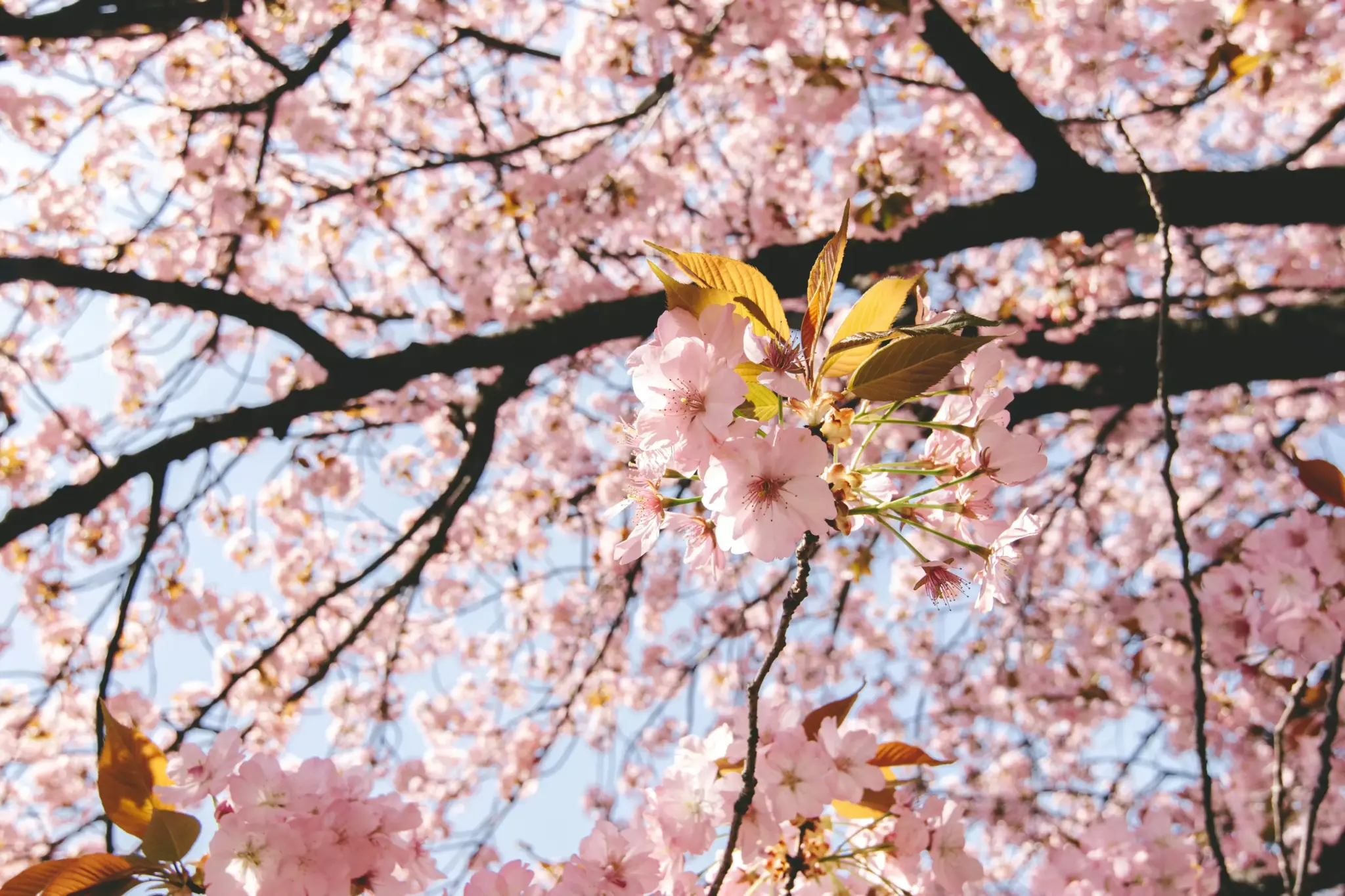
The changing landscape makes this an ideal time for botanical tourism. From late March through April, Shimizu Park bursts into color as thousands of cherry blossoms reach full bloom, blanketing the grounds in soft pink hues. By May, the famous Boso Flower Line transforms coastal roadways into vibrant ribbons of multicolored flora, attracting drivers and picnickers seeking scenic vistas.
Spring Wardrobe Strategy:
Because temperature differentials between day and night can be pronounced, travelers are advised to adopt a layered approach. A trench coat or light, wind-resistant jacket is essential for chilly mornings and evenings. Those venturing onto the Boso Peninsula should prepare for strong coastal gusts by packing a windproof outer layer and a light scarf.
Summer (June to August): Coastal Comfort and Humidity
Chiba’s summer—encompassing June, July, and August—is characterized by long, sunlit days, rising humidity, and classic beach weather. The overarching seasonal average low is 72°F (22°C), with average highs climbing to 82°F (28°C).
Month-by-Month Summer Temperature Breakdown:
┌───────────┬───────────────┬───────────────┬───────────────┐
│ Metric    │ June          │ July          │ August        │
├───────────┼───────────────┼───────────────┼───────────────┤
│ High      │ 78°F (25.6°C) │ 85°F (29.4°C) │ 88°F (31.0°C) │
│ Average   │ 71°F (21.9°C) │ 78°F (25.7°C) │ 81°F (27.1°C) │
│ Low       │ 69°F (20.3°C) │ 79°F (25.9°C) │ 81°F (27.4°C) │
└───────────┴───────────────┴───────────────┴───────────────┘
August stands out as the warmest month, with high temperatures averaging 88°F (31.0°C). While Japan’s nationwide rainy season (tsuyu) brings wetter conditions to Chiba throughout June and July, the prefecture’s coastal geography provides a natural cooling mechanism. Regular sea breezes sweep across the coastline, mitigating the oppressive heat often experienced in inland urban centers like Tokyo.
Summer in Chiba invites travelers to enjoy swimming, surfing, and coastal relaxation. Nevertheless, high humidity and intense solar radiation necessitate rigorous heatstroke prevention. Public health guidelines emphasize frequent hydration and the use of portable cooling devices.
Summer Wardrobe Strategy:
Lightweight, breathable fabrics such as linen and cotton are indispensable. Visitors heading to the beach must prioritize UV protection with wide-brimmed hats, sunglasses, and high-SPF sunscreen. Conversely, because indoor establishments rely heavily on aggressive air conditioning, carrying a light cardigan or wrap ensures comfort indoors.
Autumn (September to November): Foliage and Thermal Shifts
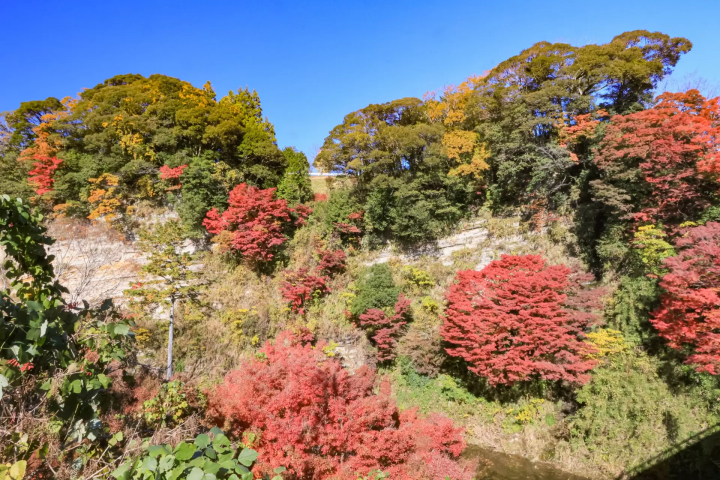
Autumn in Chiba—stretching from September to November—offers a dramatic sensory shift as cooling temperatures sweep across the landscape, turning the foliage into brilliant shades of amber, gold, and crimson. The seasonal average low drops to 59°F (15°C), while the average high rests at 72°F (22°C).

Month-by-Month Autumn Temperature Breakdown:
┌───────────┬───────────────┬───────────────┬───────────────┐
│ Metric    │ September     │ October       │ November      │
├───────────┼───────────────┼───────────────┼───────────────┤
│ High      │ 73°F (22.7°C) │ 60°F (15.7°C) │ 51°F (10.4°C) │
│ Average   │ 75°F (23.8°C) │ 65°F (18.6°C) │ 56°F (13.4°C) │
│ Low       │ 82°F (27.5°C) │ 72°F (22.3°C) │ 63°F (17.3°C) │
└───────────┴───────────────┴───────────────┴───────────────┘
September retains much of the lingering warmth of summer, with daytime highs averaging 82°F (27.5°C). However, a steady decline follows in October, leading into the brisk conditions of November, when nighttime lows routinely drop below 50°F (10°C).
This season is celebrated for foliage viewing. Destinations such as the Yoro Valley and Momiji Road draw nature enthusiasts from across the Kanto region to witness the seasonal transformation of the woodlands.
Autumn Wardrobe Strategy:
Layering remains the golden rule for autumn. September allows for short sleeves during the day, supplemented by a light jacket for the evening. By October, long-sleeve shirts, light knits, and trench coats become standard attire. November demands heavier outerwear, such as wool coats and sturdier jackets, to ward off the chill.
Winter (December to February): Crisp Air and Illuminations
Winter in Chiba spans December through February, presenting a crisp, dry climate. The seasonal average low plunges to 37°F (3°C), while average daytime highs reach 52°F (11°C).
Month-by-Month Winter Temperature Breakdown:
┌───────────┬───────────────┬───────────────┬───────────────┐
│ Metric    │ December      │ January       │ February      │
├───────────┼───────────────┼───────────────┼───────────────┤
│ High      │ 41°F (4.9°C)  │ 36°F (2.4°C)  │ 37°F (2.8°C)  │
│ Average   │ 47°F (8.6°C)  │ 43°F (6.1°C)  │ 44°F (6.6°C)  │
│ Low       │ 55°F (12.5°C) │ 50°F (10.1°C) │ 51°F (10.7°C) │
└───────────┴───────────────┴───────────────┴───────────────┘
January is statistically the coldest month, with overnight lows dipping near 36°F (2.4°C). Despite these cold temperatures, Chiba’s maritime position keeps it milder than interior Honshu regions. Snowfall is rare along the coast, though winter skies are frequently clear and sunny.
Winter nights light up with festive evening events. Locations like Mother Farm and Tokyo German Village host grand illumination displays, drawing visitors despite the cold. Dry atmospheric conditions also make skincare maintenance essential.
Winter Wardrobe Strategy:
Heavy outerwear—including down jackets and heavy wool coats—is non-negotiable. Thermal base layers, scarves, gloves, and knit caps ensure comfort during outdoor evening events. On sunny winter afternoons, however, radiant solar heat can make lighter inner layers practical for shedding warmth during active movement.
Supporting Context & Meteorological Metrics
To fully understand Chiba’s climate, one must analyze the interplay between its topography, ocean currents, and precipitation models.

Precipitation and Humidity Dynamics
Rainfall is distributed throughout the calendar year in Chiba, avoiding extended arid periods. The highest precipitation volumes occur during the early summer months of June and July, coinciding with the East Asian rainy season (tsuyu). Typhoons occasionally impact the Boso Peninsula during late summer and early autumn (August through October), bringing intense localized downpours and strong winds. However, these storm systems typically clear rapidly, yielding crisp, highly transparent atmospheric conditions in their wake.
Microclimates: Coastal vs. Inland Chiba
A critical meteorological distinction within the prefecture lies in the contrast between its coastal zones and inland basins.
- Coastal Microclimates: Regions bordering the Pacific Ocean and Tokyo Bay experience tempered thermal extremes. The Kuroshio Current elevates winter minimums, while onshore sea breezes suppress peak summer heatwaves.
- Inland Microclimates: Municipalities situated further inland—such as Noda and Narita—lack the immediate cooling or warming influence of maritime winds. Consequently, these areas register higher summer maximums and colder winter minimums than their coastal counterparts.
Official Statements & Climatological Insights
Meteorological experts and regional tourism authorities emphasize the predictability and comfort of Chiba’s climate as a primary driver of its year-round appeal.
According to regional climate overviews, the prefecture’s weather stability is directly tied to its peninsular geography. "The unique positioning of Chiba, surrounded on three sides by water, creates an effective thermal reservoir," notes regional climate analysis. "This maritime buffering prevents the extreme temperature plunges seen in northern Japan, while simultaneously sparing residents and visitors from the stifling, trapped heat waves characteristic of concrete-dense inland basins like central Tokyo."

Furthermore, tourism promotion boards highlight that understanding these microclimates allows travelers to optimize their itineraries. By recognizing that coastal winds demand windbreakers even in spring, or that inland cities require heat mitigation protocols during July and August, visitors can ensure a seamless travel experience across Chiba’s diverse terrain.
Future Outlook
As global climate patterns evolve, Chiba Prefecture—like the rest of the Japanese archipelago—faces shifting meteorological baselines. Climatologists project gradual upward trends in average annual temperatures, mirroring global warming indicators. For Chiba, this may translate to milder winters with even lower probabilities of coastal snowfall, alongside potentially more intense summer heat events and heavier, more concentrated rainfall during the typhoon seasons.
Despite these macro-environmental shifts, Chiba’s core climatic identity—defined by its oceanic moderation, seasonal floral transitions, and reliable sea breezes—remains secure. Regional planners and agricultural stakeholders are actively adapting to these shifts, utilizing advanced meteorological monitoring to protect Chiba’s vital agricultural sectors, from its famous strawberries and pears to its sprawling flower fields.
For travelers, researchers, and residents, Chiba remains a destination where weather patterns enhance rather than hinder exploration. By aligning wardrobe choices and travel itineraries with the precise monthly rhythms documented in this guide, visitors can fully appreciate the natural beauty and climatic harmony of Japan’s Boso Peninsula.









Belum ada komentar. Jadilah yang pertama berkomentar!