

Executive Overview
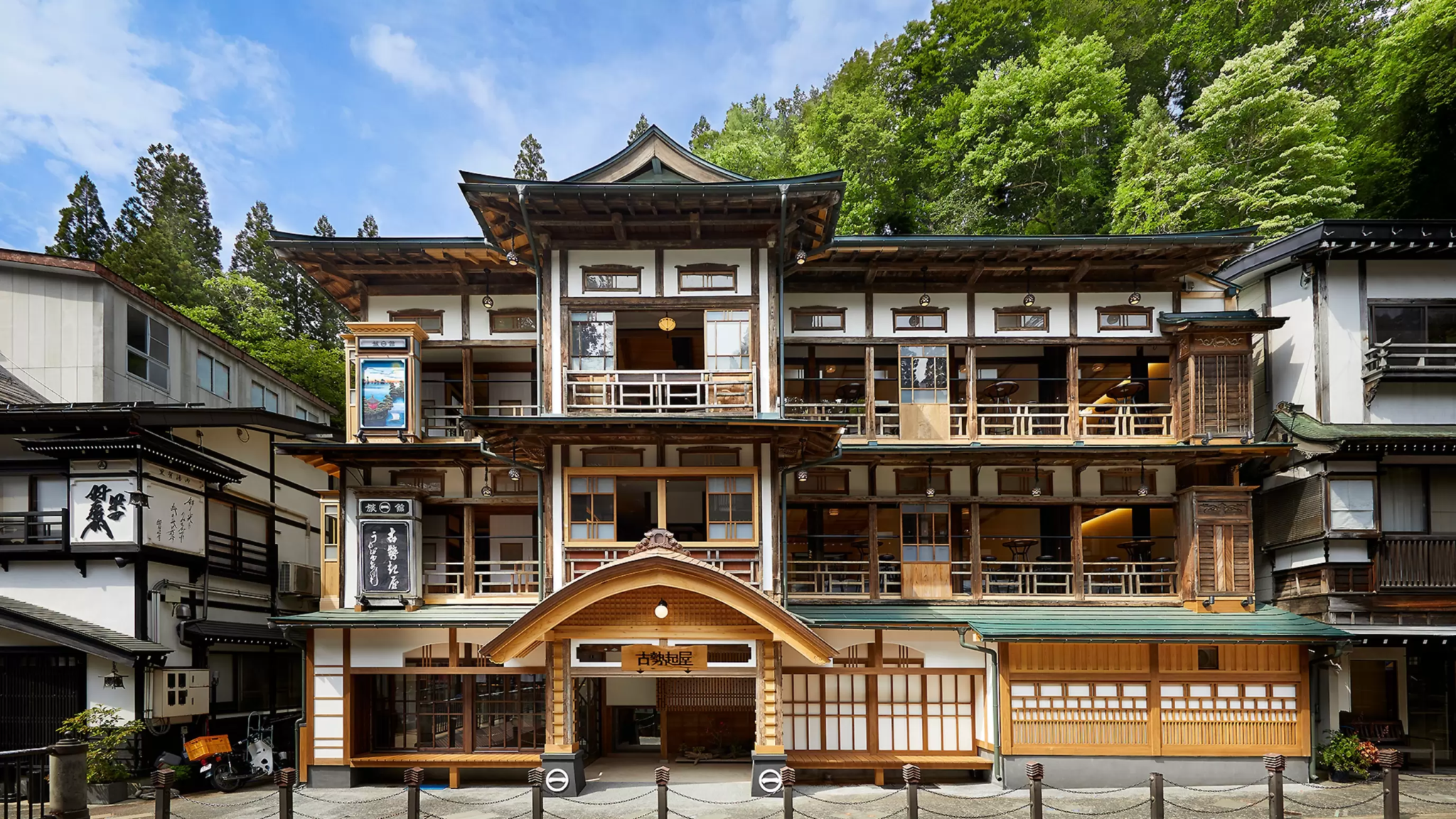
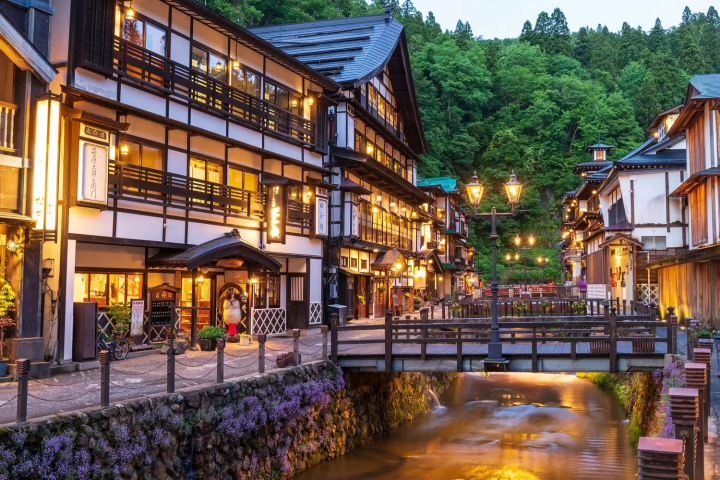
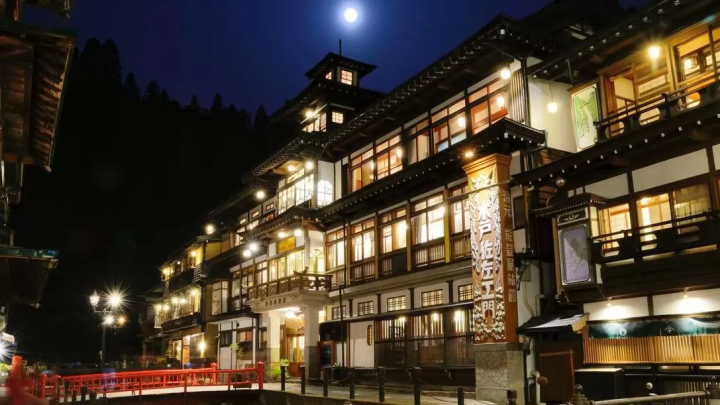
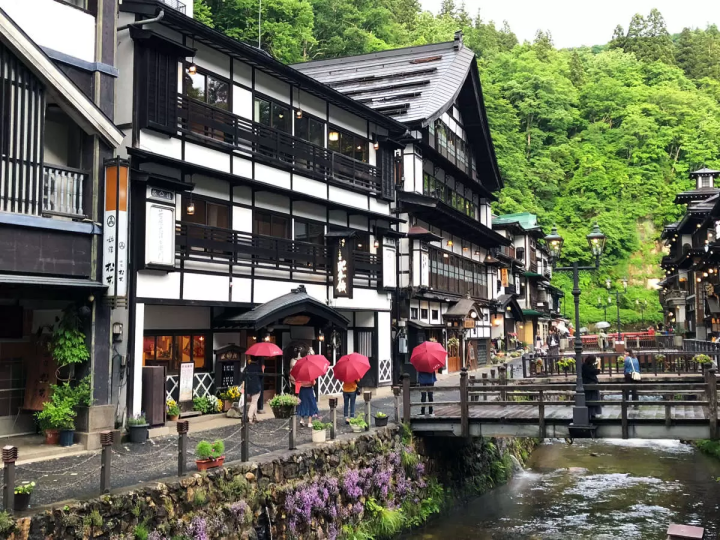
Nestled within the lush, rugged mountains of Yamagata Prefecture, Ginzan Onsen stands as one of Japan’s most visually breathtaking and culturally evocative hot spring destinations. Famed for its Taisho-era aesthetic characterized by multi-story wooden inns, arched stone bridges, and gas-lit streets that cast a nostalgic amber glow across the river, the town feels frozen in time. Yet, beneath its picturesque surface lies a complex logistical landscape for travelers.
With only 13 official accommodations operating within the town limits, total inventory is extraordinarily scarce. Accommodations range from centuries-old architectural masterworks like Notoya Ryokan to minimalist modern design hotels by Kengo Kuma, sprawling hot spring resorts, and intimate guesthouses with fewer than five rooms. For first-time visitors, navigating this diverse array of properties—along with deciphering half-board pricing structures, managing strict winter transportation controls, and securing reservations months in advance—can be an overwhelming task.
This comprehensive guide breaks down all 13 official properties in Ginzan Onsen, analyzes pricing structures and booking mechanics, highlights the distinct advantages of staying overnight versus visiting for a day, and outlines critical seasonal transit guidelines to ensure an unforgettable Tohoku journey.
Detailed Chronology & Structural Evolution of Ginzan Onsen
The Origins of a Silver Mining Town
The history of Ginzan Onsen is deeply intertwined with Japan’s feudal past. The name "Ginzan" literally translates to "silver mountain," originating from the discovery of the noble metal at the Nobeyama Silver Mine in the late 15th century. For decades, miners and laborers lived and worked in the rugged valley, utilizing the natural thermal springs to soothe their exhausted muscles.
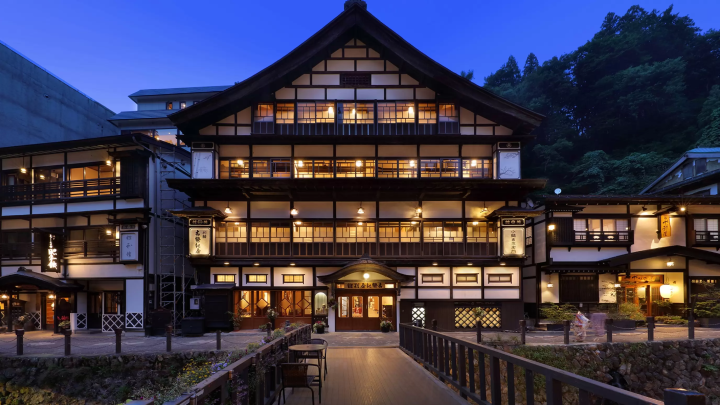
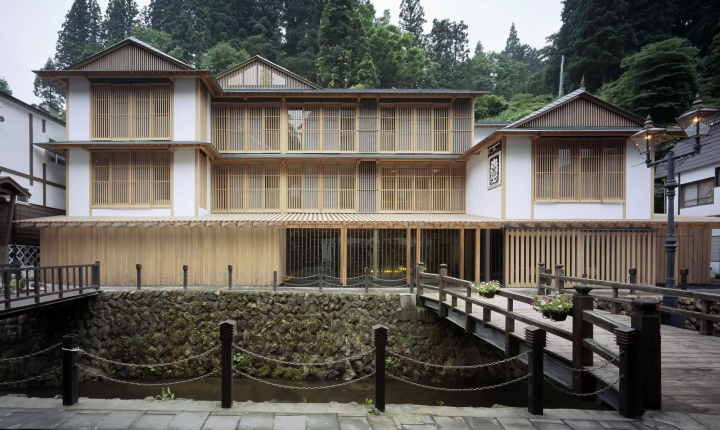
By the early 20th century, the silver mines were exhausted and closed, but the therapeutic properties of the thermal waters remained. During the Taisho era (1912–1926) and the early Showa period, a catastrophic flood destroyed much of the original settlement. Local innkeepers and craftsmen rebuilt the town from the ground up, utilizing traditional Japanese carpentry techniques to construct the multi-story wooden ryokan that line the river today. This architectural renaissance forged the iconic urban canyon layout seen by modern travelers.
Architectural Preservation and Modern Adaptation
Unlike many Japanese hot spring towns that fell victim to concrete-heavy modernization during the postwar economic boom, Ginzan Onsen fiercely protected its heritage. In the late 20th century, local ordinances were established to preserve the wooden facades, gas-lit pathways, and historical streetscapes.
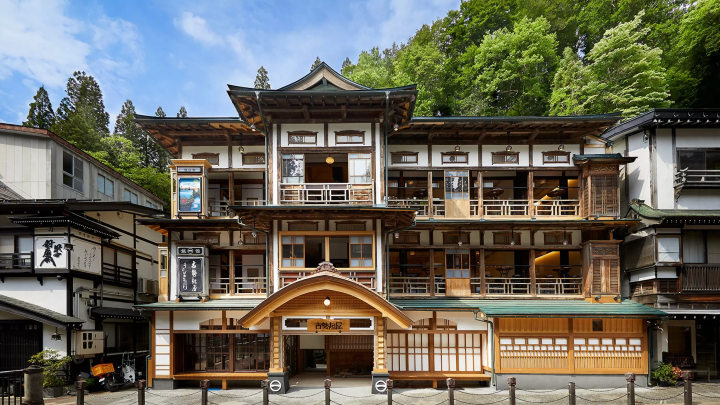
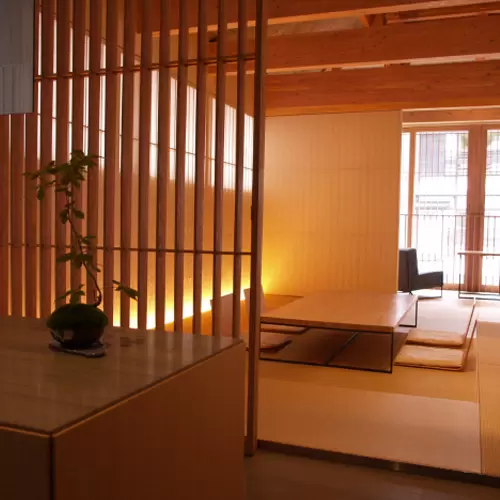
Simultaneously, select properties began modernizing their interiors to cater to evolving traveler expectations. Master architects, such as Kengo Kuma, were brought in to reimagine traditional inns like Fujiya, blending ancient craftsmanship with contemporary minimalist design. Today, the town represents a harmonious dialogue between preservation and innovation, where 13 distinct properties offer vastly different interpretations of Japanese hospitality.
Categorizing the 13 Official Inns of Ginzan Onsen
To simplify the decision-making process, Ginzan Onsen’s accommodations can be sorted into four primary categories: Historic Central Ryokan, Facility-Focused Hot Spring Resorts, Intimate Boutique Guesthouses, and Modern Design Inns. Choosing the right property requires weighing architectural preferences, hot spring facilities, room views, and dining styles against your personal travel priorities.
┌────────────────────────────────────────────────────────────────────────┐
│                        GINZAN ONSEN 13 INNS                            │
└───────────────────────────────────┬────────────────────────────────────┘
                                    │
        ┌───────────────────────────┼───────────────────────────┐
        ▼                           ▼                           ▼
┌───────────────┐           ┌───────────────┐           ┌───────────────┐
│HISTORIC RYOKAN│           │BOUTIQUE/SMALL │           │MODERN/RESORTS │
├───────────────┤           ├───────────────┤           ├───────────────┤
│• Notoya Ryokan│           │• Hatago Itoya │           │• Fujiya       │
│• Kosekiya     │           │• Onyado Yanada│           │• CLANUOVA     │
│• Honkan Koseki│           │• Nagasawa Hei │           │• Ginzanso     │
│• Kozankaku    │           │• Ryokan Matsu │           │• Takimikan    │
│• Showakan     │           │               │           │               │
└───────────────┘           └───────────────┘           └───────────────┘
1. Historic Central Ryokan (The Classic Experience)
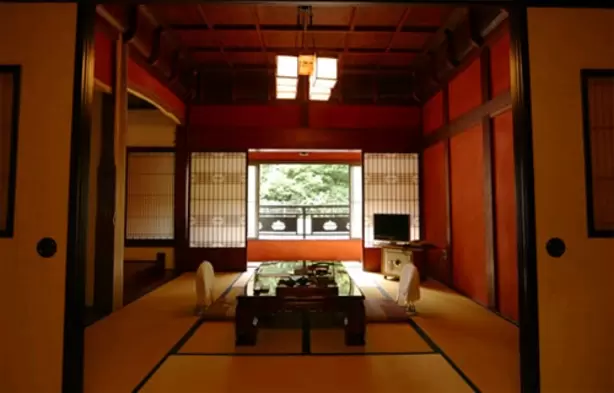
- Notoya Ryokan: Founded in the Meiji era, Notoya is the quintessential postcard image of Ginzan Onsen. Featuring intricate wooden architecture and a prime central location, it is ideal for first-time visitors, couples, and photography enthusiasts seeking the ultimate historic experience.
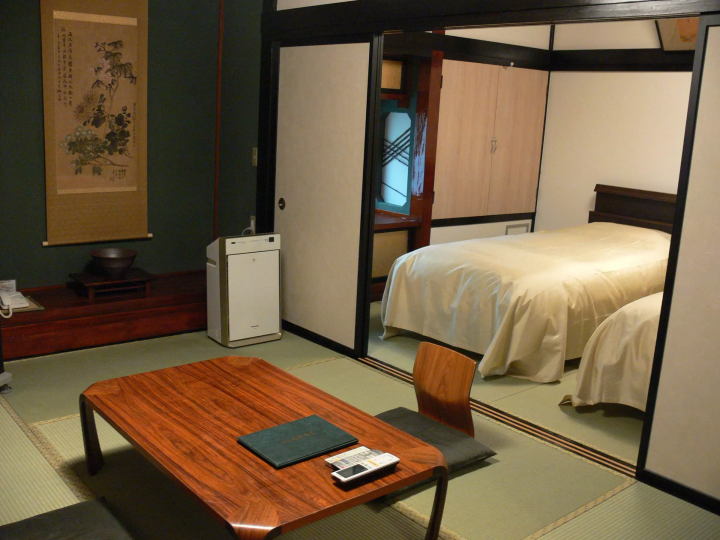
- Kosekiya Bekkan: Situated directly in the heart of the hot spring street, Kosekiya Bekkan offers retro wooden architecture with a choice of river-facing or mountain-side rooms. Featuring free-flowing indoor hot springs (gensen kakenagashi), it serves as a fantastic alternative to Notoya.
- Honkan Kosekiya: Blending historical charm with modern comfort, this property features restored period architecture alongside updated interior spaces, two distinct indoor hot spring baths, and flexible in-house dining packages.
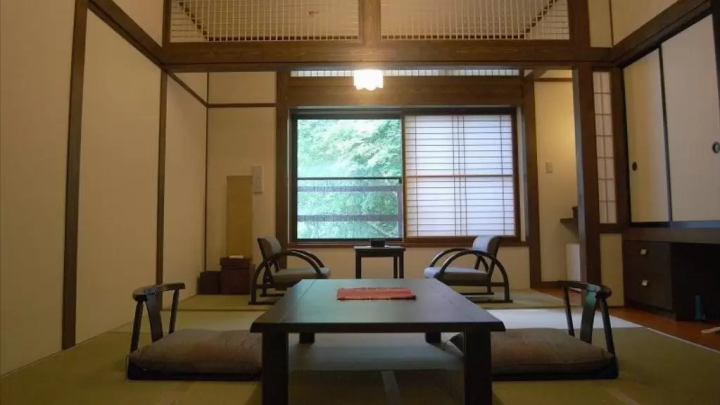
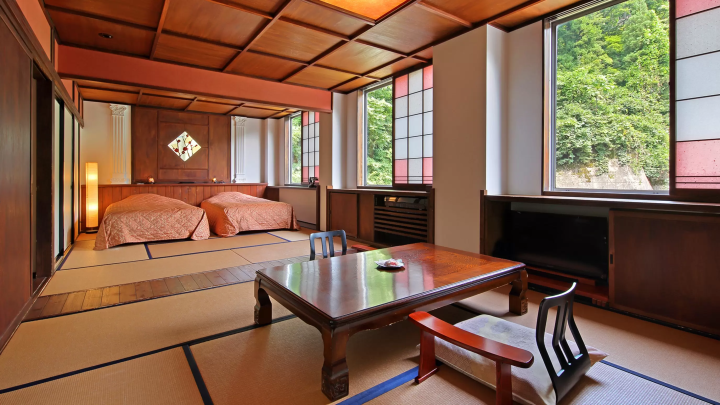
- Kozankaku: A traditional wooden ryokan that preserves the vintage atmosphere of early-era Ginzan Onsen. It features authentic tatami rooms and free-flowing thermal waters, catering directly to vintage architecture enthusiasts.
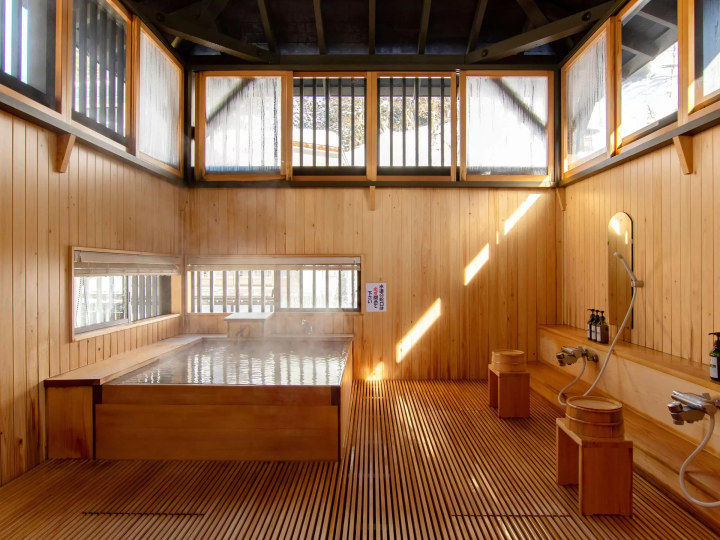
- Showakan: Boasting traditional Japanese-style rooms, Showakan delivers classic ryokan hospitality paired with scenic open-air hot spring baths for an authentic, unadulterated onsen retreat.
2. Intimate Boutique Guesthouses (Quiet & Private)
- Nagasawa Heihachi: Comprising just seven guest rooms, this small wooden inn provides a remarkably quiet ambiance away from the crowds, complete with private reservable baths (kashikiri-buro).
- Hatago Itoya: Strictly limited to four guest rooms per day, Hatago Itoya offers an ultra-private atmosphere featuring both indoor and open-air private baths alongside refined regional cuisine.
- Onyado Yanadaya: A small-scale central ryokan prioritizing freshly prepared local gastronomy, including prized Obanazawa beef, paired with intimate, personalized service.
- Ryokan Matsumoto: A family-run inn featuring 10 guest rooms, flexible layout options, and an elevator for enhanced accessibility, making it well-suited for families and small groups.
3. Modern Design Inns & Hot Spring Resorts (Comfort & Scale)
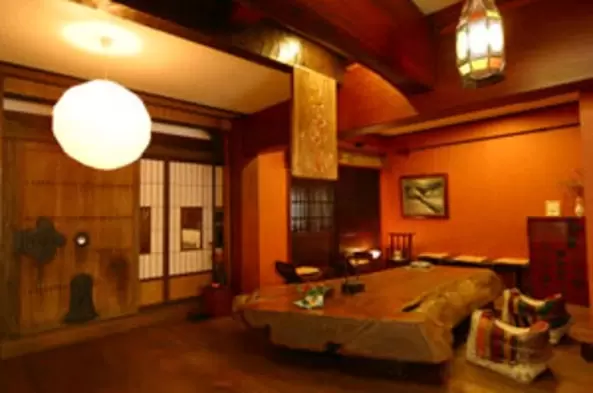
- Fujiya: Designed by world-renowned architect Kengo Kuma, Fujiya marries historic heritage with striking contemporary aesthetics. Featuring eight river-facing rooms with delicate bamboo screens, custom stained glass, and five unique private bathhouses, it is a haven for design enthusiasts.
- Senkyo no Yado Ginzanso: As one of the larger properties with 40 guest rooms, Ginzanso prioritizes expansive facilities. Located slightly outside the central historic strip, it is famed for its sweeping open-air baths (rotenburo) and spacious accommodations, ideal for families.
- Takimikan: Perched on higher ground overlooking the valley, Takimikan offers serene natural scenery and panoramic open-air baths. Originally a buckwheat noodle shop, it remains legendary for serving exceptional handmade Obanazawa soba.
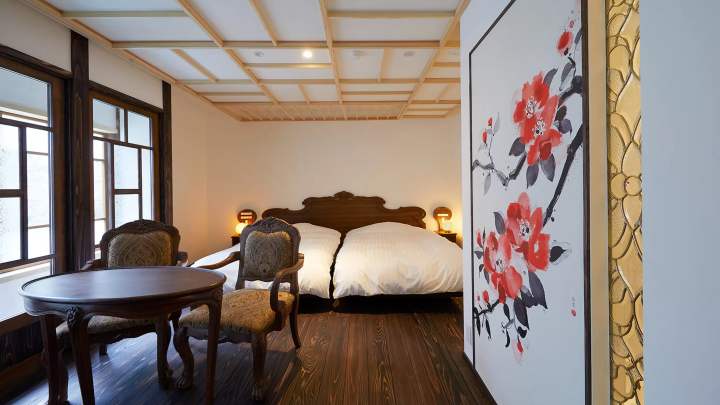
- CLANUOVA: Operating as Kozankaku’s modern annex, CLANUOVA discards traditional tatami setups in favor of sleek Western-style rooms and refined Italian cuisine crafted with Yamagata ingredients.
Supporting Context & Financial Metrics: Half-Board Pricing
When booking accommodations in Ginzan Onsen, understanding Japanese ryokan pricing conventions is essential. Virtually all properties price their stays per person under half-board plans (ikkaku ni-shoku), which include a one-night stay, multi-course dinner, and breakfast.
Key Price Factors to Evaluate
- Seasonality: Rates skyrocket during the peak winter snow season (December through March), weekends, national holidays, and the New Year period. Conversely, booking a weekday stay during the shoulder seasons (spring and autumn) yields significantly lower rates.
- Room Views: River-facing rooms commanding a direct view of the gas-lit street carry a substantial premium over mountain-side rooms.
- Taxes and Fees: Travelers must verify whether consumption tax and the local hot spring bathing tax (typically 150 yen per person per night) are included in the quoted rate.
Strategic Booking Playbook: Securing a Scarce Reservation
Because total guest capacity across all 13 inns is extremely limited—with properties like Hatago Itoya and Onyado Yanadaya hosting only four groups per day—securing a reservation requires a calculated strategy.
┌─────────────────────────────────────────────────────────────┐
│                 RECOMMENDED BOOKING WORKFLOW                │
├─────────────────────────────────────────────────────────────┤
│ 1. Fix travel dates 3 to 6 months in advance.               │
│ 2. Monitor official ryokan websites for inventory release.  │
│ 3. Cross-check Japanese (Rakuten/Ikyu) & Global platforms.  │
│ 4. Track cancellation windows (7-14 days prior) if booked.  │
└─────────────────────────────────────────────────────────────┘- Monitor Official Websites First: Many ryokans release their inventory on their proprietary websites 3 to 6 months in advance before distributing rooms to third-party platforms.
- Cross-Channel Verification: If a desired date appears sold out on international channels like Booking.com, cross-check Japanese domestic booking engines such as Rakuten Travel and Ikyu.com, or check the inn’s direct portal.
- Capitalize on Cancellation Windows: Japanese ryokans typically enforce penalty-free cancellation policies 7 to 14 days prior to check-in. Monitoring official sites during this window frequently reveals last-minute openings.
- Maintain Flexibility: Expand your candidate list to include 3 to 5 properties. If iconic inns like Notoya or Fujiya are fully booked, alternatives like Kosekiya Bekkan or Showakan deliver an equally magical evening atmosphere.
The Value Proposition of Staying Overnight
While many travelers attempt to visit Ginzan Onsen as a day trip from Yamagata or Sendai, staying overnight unlocks three exclusive guest experiences that are otherwise impossible to access:
- The Magic of Twilight: The defining moment of Ginzan Onsen occurs at dusk when the gas lamps ignite, casting a warm amber reflection across the snowy riverbanks and wooden facades. Overnight guests can savor this transition without rushing for the last bus.
- Serene Early Mornings: During peak daylight hours, the narrow street teems with day-trippers. Staying overnight grants visitors exclusive access to the town in profound, pristine quiet before the morning crowds arrive.
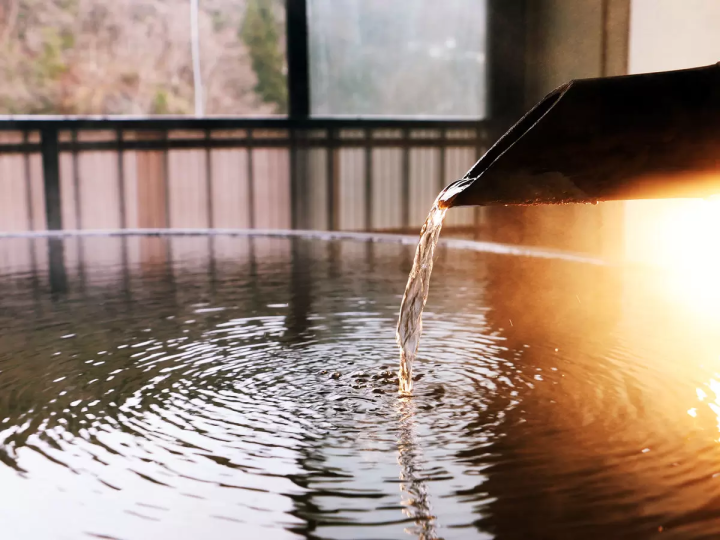
- Immersive Ryokan Culture: Slipping into a cotton yukata, indulging in multi-course kaiseki dinners featuring regional delicacies like Yamagata beef and fresh mountain vegetables, and soaking in thermal waters under the night sky define the pinnacle of traditional Japanese hospitality.
Official Transit Logistics & Winter Travel Regulations
Access from Oishida Station
For travelers utilizing public transit, the standard route involves taking the Yamagata Shinkansen from Tokyo Station to JR Oishida Station. From Oishida, visitors must transfer to a local municipal bus or utilize an official ryokan shuttle service.
- Shuttle Verification: Many ryokans provide complimentary shuttle transfers from Oishida Station, but these services almost always require advance reservation. Travelers must confirm pick-up times directly with their accommodation upon booking.
Winter Regulations and Park-and-Ride Systems
Visiting Ginzan Onsen between December and March offers breathtaking snow-covered vistas, but it demands rigorous preparation. To manage heavy winter snowfall and pedestrian safety, local authorities enforce strict vehicle restrictions within the hot spring valley.
- Park-and-Ride Mandate: Private vehicles are frequently barred from driving directly onto the historic hot spring street during winter peak hours. Drivers must park at designated satellite parking lots outside the town center and transfer to authorized shuttle buses.
- Overnight Guest Exemptions: Regulations regarding vehicle access often differ between day-trippers and overnight guests. Visitors must verify current winter entry rules directly via the official Ginzan Onsen Association website and keep their booking confirmations readily accessible.
Frequently Asked Questions (FAQ)
Q1: Which accommodation is the absolute best in Ginzan Onsen?
There is no single "best" property; the ideal choice depends on your travel style. Notoya Ryokan is unmatched for classic wooden charm, Fujiya excels in modern architectural design, and Ginzanso provides superior resort-style open-air bath facilities.
Q2: How far in advance should I book?
Due to extreme scarcity, you should begin monitoring booking portals and official websites as soon as your travel dates are finalized—ideally 3 to 6 months prior, particularly for winter weekends and holidays.
Q3: Are private hot springs available?
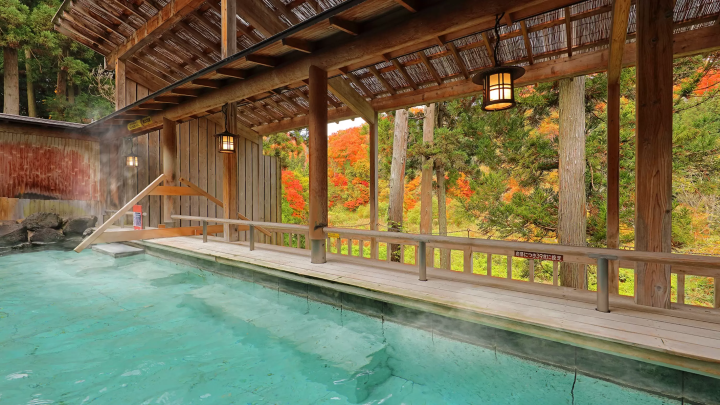
Yes. Several properties offer private-use baths (kashikiri-buro), including Fujiya (five private baths), Hatago Itoya, and Nagasawa Heihachi. Advance reservation policies vary by property.
Q4: What should I do if my preferred ryokan is sold out?
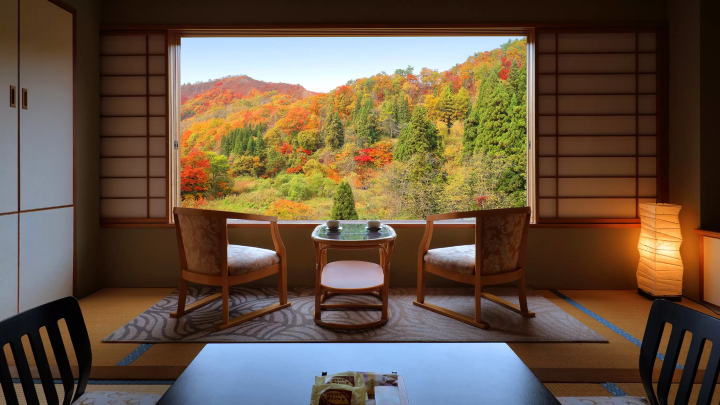
Pivot to alternative historic properties such as Kosekiya Bekkan, Kozankaku, or Showakan. They occupy the same magical streetscape and deliver an identical evening atmosphere.
Future Outlook
As global tourism to regional Japan continues to surge, Ginzan Onsen faces an ongoing balancing act between commercial demand and heritage preservation. Local tourism authorities and ryokan proprietors are expected to further refine winter traffic management, digital reservation caps, and sustainable infrastructure to protect the fragile integrity of the valley. For travelers willing to plan meticulously and respect local customs, an overnight stay in Ginzan Onsen remains an irreplaceable masterclass in timeless Japanese hospitality.







Belum ada komentar. Jadilah yang pertama berkomentar!