In an era defined by hyper-digitization, algorithmic speed, and synthetic uniformity, a quiet counter-movement is unfolding within the residential alleyways of suburban Tokyo. Here, travelers and design connoisseurs are stepping away from neon-lit thoroughfares to enter the meditative, earthy precincts of Atelier Shimura. Through an exclusive cultural partnership with Wabunka, modern explorers are granted rare access to Japan’s living heritage, moving far beyond the superficiality of souvenir shopping to engage directly with master craftspeople.
Atelier Shimura is not merely a workshop; it is a vital repository of cultural preservation. Founded in 2015 by Shoji Shimura, the atelier exists to safeguard and perpetuate the profound legacy of his grandmother, Fukumi Shimura, a celebrated textile master designated a Living National Treasure of Japan in 1990. Specializing in kusakizome (natural plant-based dyeing) and tsumugi-ori (hand-spun silk weaving), the brand breathes contemporary life into centuries-old artisanal traditions.
This deep-dive feature chronicles a hands-on autumn workshop at Atelier Shimura’s Setagaya Ward location in Tokyo. From the botanical origins of the harvest to the alchemical reactions of natural mordants, this immersive encounter reveals how traditional Japanese craftsmanship transforms raw elements of the earth into luminous, living color.
Detailed Chronology: Step-by-Step Through the Kusakizome Masterclass
Phase 1: Arrival, Orientation, and Historical Context
The journey begins well before any dye touches fabric. Located an accessible 20-minute walk or a brief eight-minute taxi ride from Soshigaya-Okura Station on the Odakyu Line, Atelier Shimura’s Tokyo hub welcomes visitors with an immediate sense of spatial serenity.
Upon arrival, participants are greeted over a steaming cup of tea by master artisan Ms. Taniguchi, whose pedigree includes formal university studies in natural dyeing followed by an intensive apprenticeship under the Shimura lineage. For international visitors, professional interpretation can be seamlessly arranged to bridge linguistic gaps. Over tea, Ms. Taniguchi outlines the philosophy of the atelier, explaining how Fukumi Shimura revolutionized modern textile art by refusing synthetic interventions, instead seeking emotional and spiritual resonance through pure botanical hues.
Phase 2: Selecting the Botanicals and Preparing the Silk
While Atelier Shimura maintains locations in both Kyoto and Tokyo, offering standalone dyeing sessions, silk weaving masterclasses, and comprehensive combined programs lasting up to six hours, our visit centered on the Plant-Based Dyeing Experience to craft a bespoke silk scarf.
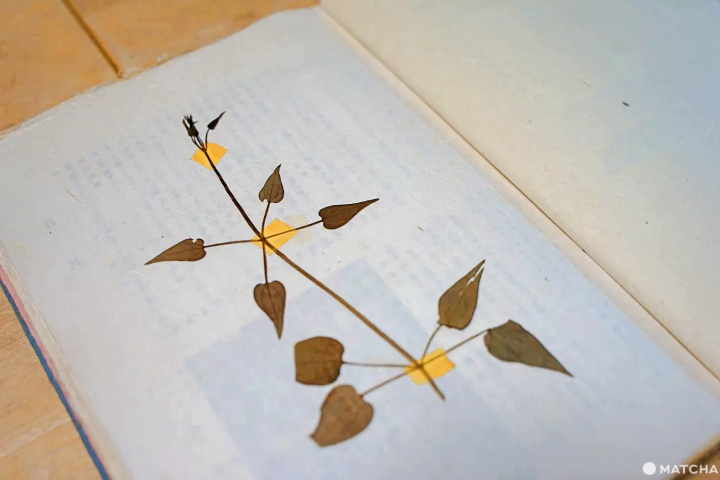
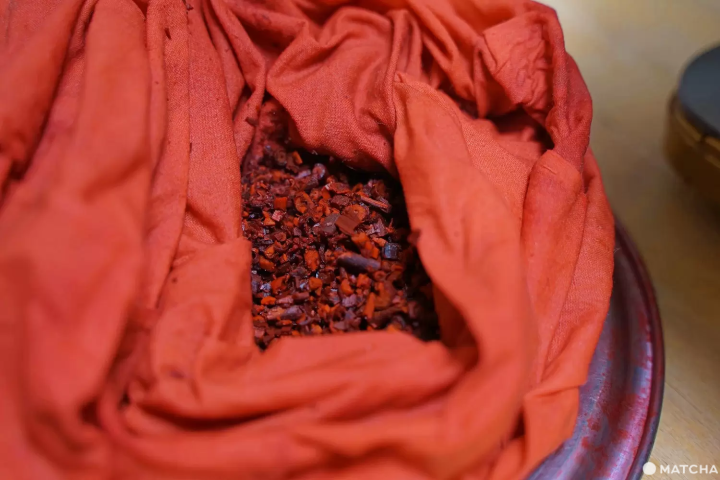
Because the atelier strictly adheres to seasonal harvests, our mid-September session utilized the stems and roots of akane (Japanese madder). Though the living stems and leaves of the akane plant display vibrant shades of green, its underground components yield an astonishing, rich crimson hue.
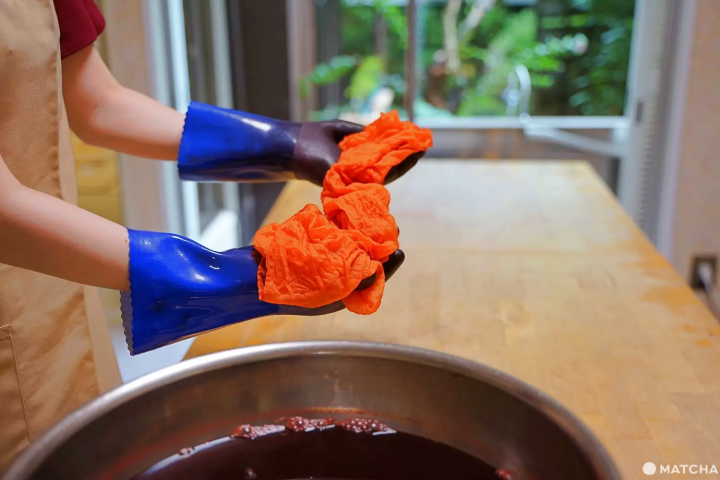
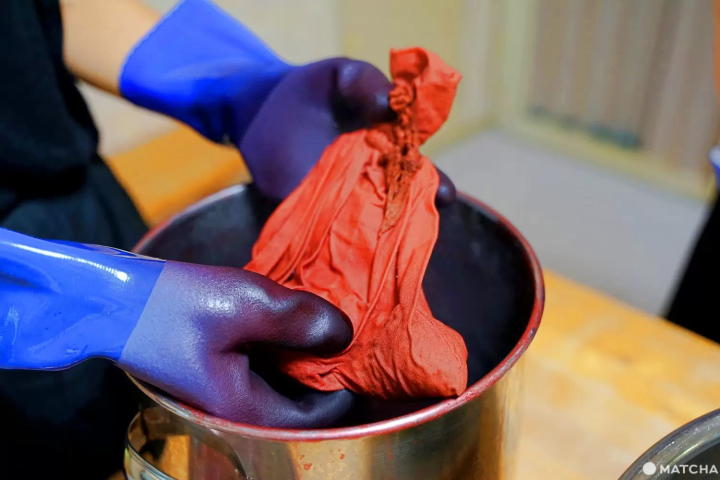
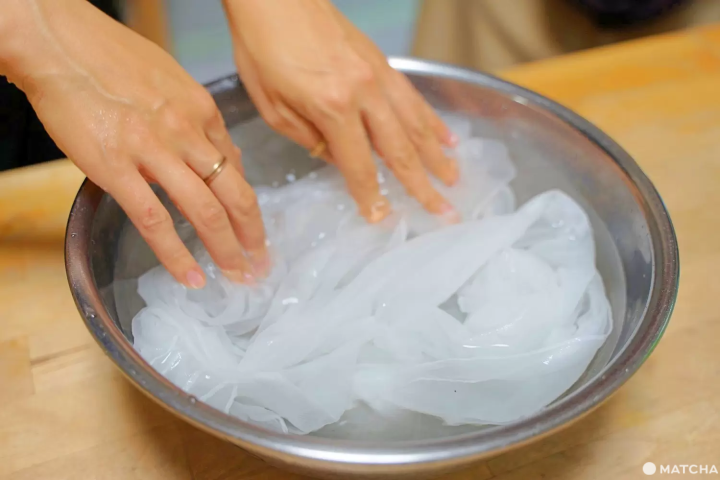
Before immersing the textile, Ms. Taniguchi demonstrates the critical handling techniques required for delicate silk. Participants don protective aprons and thick, heat-resistant gloves. The golden rule of handling raw silk in a dye bath is counterintuitive to modern laundry habits: one must never wring, twist, or aggressively squeeze the fabric like a towel, as such mechanical stress fractures the delicate protein fibers.
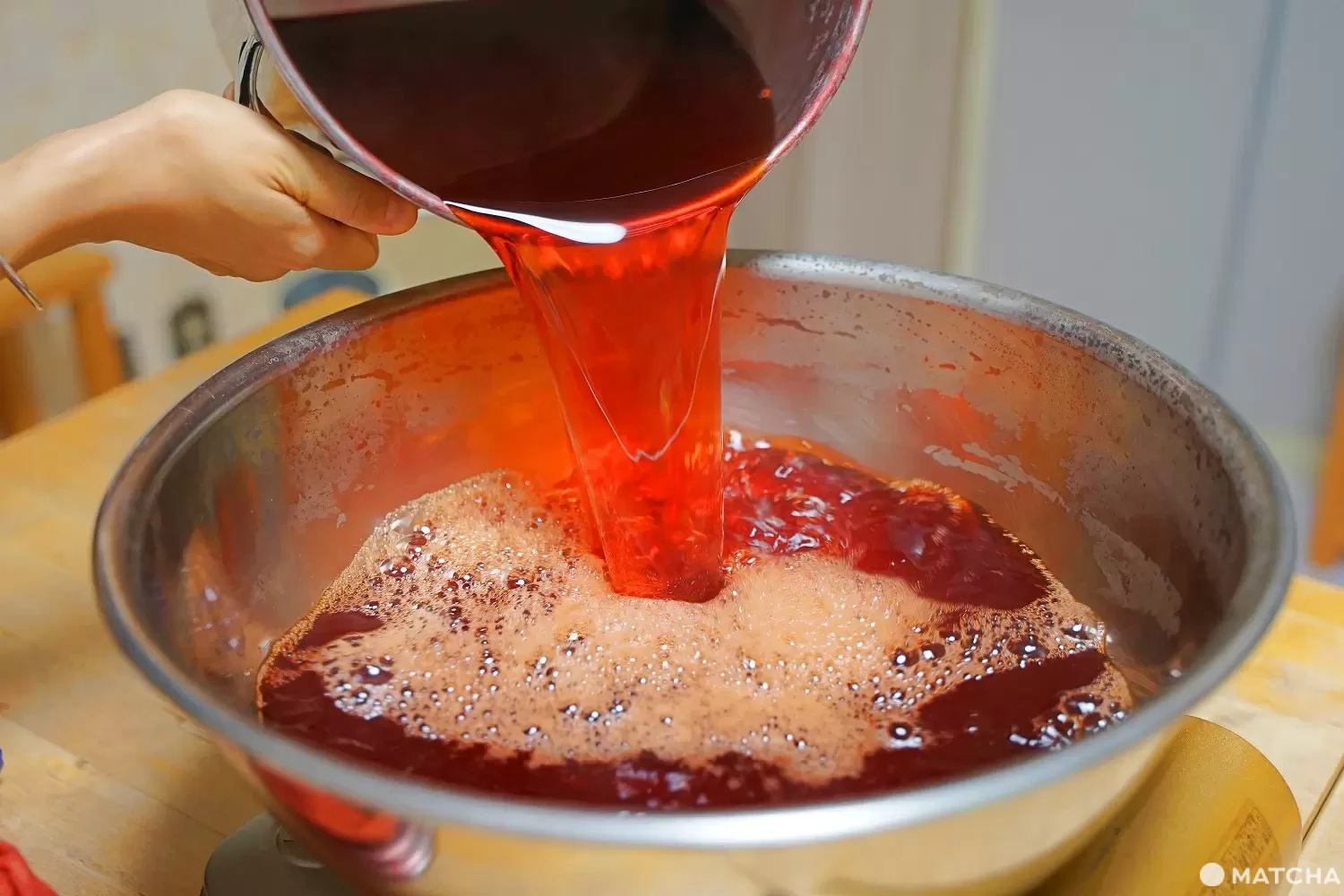
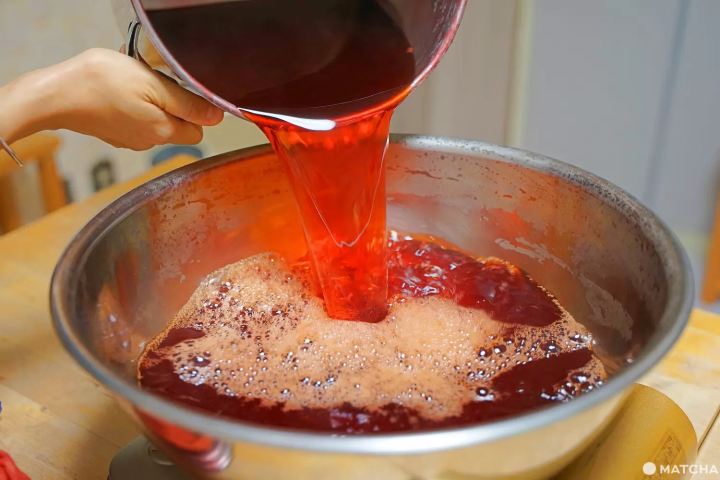
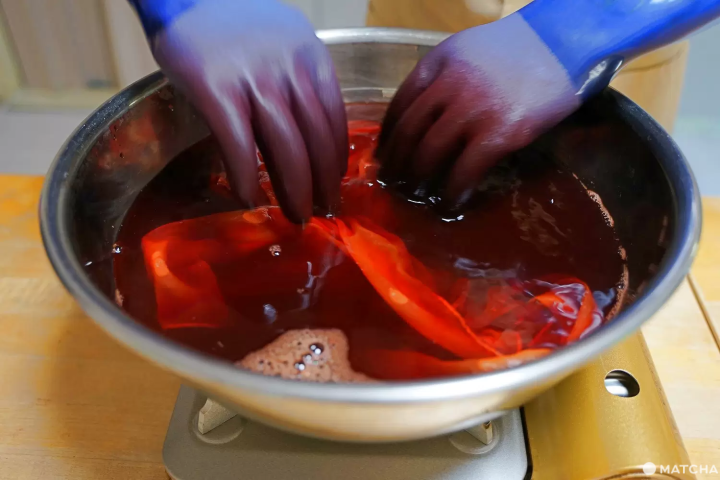
Submerging a pristine white silk scarf into a bubbling, aromatic pot of crimson akane dye evokes an immediate sensory shift. The ambient steam carries a soothing, herbal aroma reminiscent of chamomile, instantly grounding the participant in the present moment.
As Ms. Taniguchi explains, the act of dyeing at Atelier Shimura transcends technical execution; it serves as a form of active meditation. Artisans train themselves to clear their minds entirely, focusing singularly on the shifting chromatic landscape unfolding within the pot. In a hyper-connected world characterized by constant sensory overload, this disciplined pursuit of "thinking of nothing" becomes an exquisite luxury.
Under Ms. Taniguchi’s watchful supervision, the silk is gently circulated through the hot dye bath, ensuring even pigment absorption without thermal shock to the protein strands.
Phase 4: Color Development and Iteration
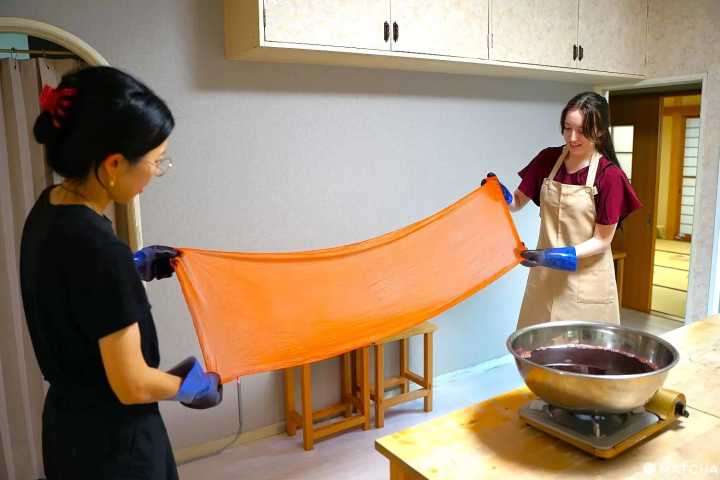
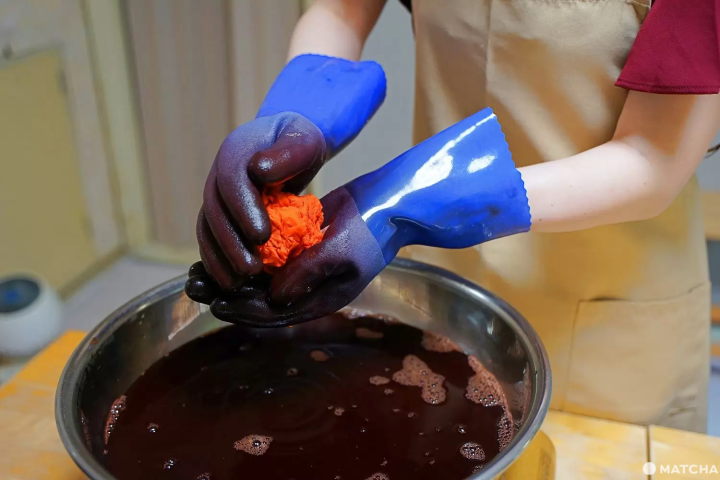
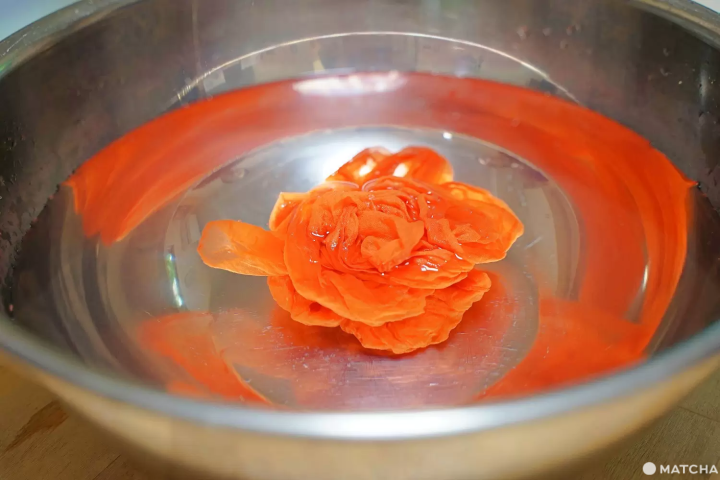
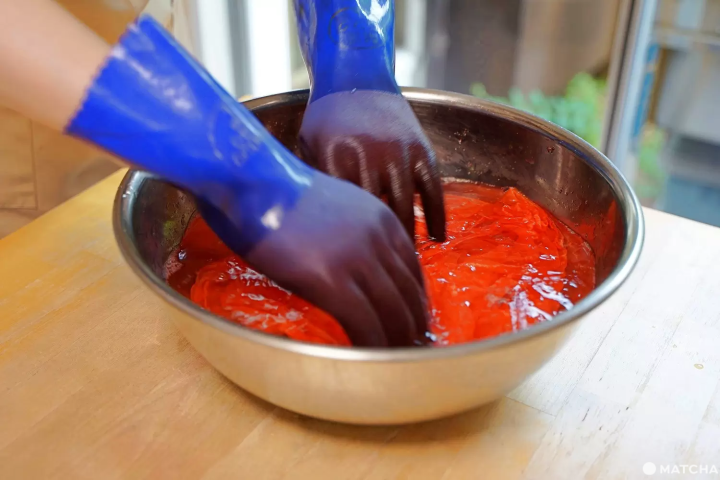
Once the initial pigment takes hold, the fabric is gathered into a loose sphere to express excess liquid using gentle, rhythmic pressure. Upon unfolding the scarf, participants are invariably struck by the surprising brilliance of the shade.
However, achieving depth and permanence requires repetition. The dyeing process must be executed approximately three times in total. Between immersions, the fabric is evaluated against the atelier’s stringent aesthetic standards, ensuring the color develops a rich, multidimensional resonance rather than a flat, superficial coating.
Phase 5: Setting the Pigment with Natural Mordants
To permanently lock the color into the silk fibers, the scarf is transferred to a mordanting bath containing dissolved alum powder—a mineral fixative utilized across civilizations for millennia.
This phase introduces a fascinating tripartite union of natural elements:
Botanical: The plant-derived pigment (akane).
Animal: The protein-based fiber (raw silk).
Mineral: The metallic salt fixative (alum).
Immersing the crimson scarf through the silky, viscous alum solution creates a mesmerizing visual spectacle, likened to watching a brightly colored fish glide effortlessly through a tranquil pond. Following this fixation step, the fabric receives a brief, restorative exposure to direct sunlight before being hung to dry completely in the shaded courtyard garden.
Supporting Context & Metrics: The Science and History of Natural Dyes
To fully appreciate the labor embodied within Atelier Shimura’s textiles, one must examine the historical and ecological context of kusakizome.
During Japan’s Edo period (1603–1868)—an era renowned for strict sumptuary laws that paradoxically catalyzed hyper-refined expressions of fashion among the commoner and merchant classes—artisans developed staggering palettes within constrained parameters. Historical records indicate that Japanese dyers mastered over 48 distinct shades of brown and more than 100 unique variations of gray, all derived entirely from local flora, bark, soot, and minerals.
Parameter
Atelier Shimura Workshop Specification
Primary Location
Setagaya Ward, Tokyo (with headquarters in Kyoto)
Transit Access
Soshigaya-Okura Station (Odakyu Line) – 8 min taxi / 20 min walk
Akane (Japanese Madder) in Autumn; diverse flora mapped to seasonal availability
The use of akane carries deep symbolic weight within the atelier. Atelier Shimura often refers to madder as a "mother color" due to its ability to evoke the soft, grounding luminescence of an autumn twilight. While native Japanese madder has unfortunately become critically rare in the wild, the atelier utilizes sustainably sourced variants to maintain historical continuity while respecting modern ecological boundaries.
Official Statements and Design Philosophy
The philosophical foundation of Atelier Shimura is rooted in the conviction that modern humanity has become dangerously alienated from the natural cycles that sustain life. By re-establishing direct contact with organic colorants, participants confront the ephemeral, living nature of their garments.
As master artisan Ms. Taniguchi noted during our closing reflections:
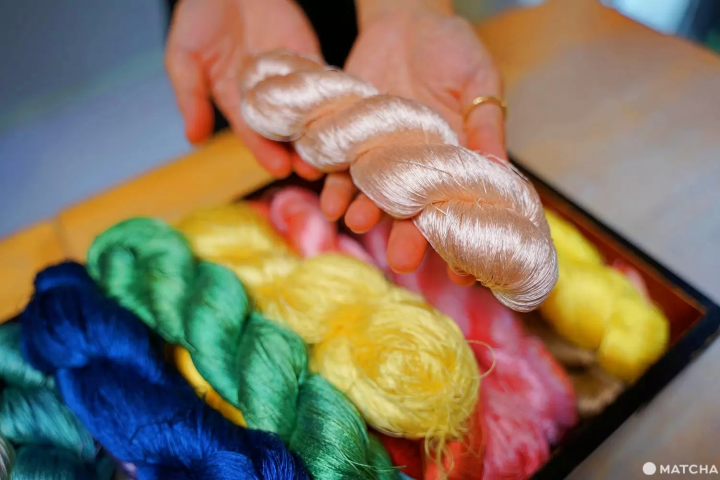
"Because natural plant dyes reflect the organic world, even contrasting pairs like yellow and purple harmonize effortlessly to elevate one another. When woven together, threads of red, yellow, purple, and blue merge into a singular textile that evokes the luminous beauty of a twilight sky."
This sentiment echoes the lifelong teachings of Fukumi Shimura, who asserted that true beauty in textiles cannot be engineered in a petrochemical laboratory. Instead, true color is born from an intimate dialogue between the artisan, the soil, the changing seasons, and the sun. The atelier’s rotating gallery spaces—such as the traditional tatami (washitsu) room featuring exquisite architectural woodwork and exhibitions like the Gifu Product Development Laboratory’s "hananowa" paper origami flowers—reinforce this holistic design ethos.
Future Outlook: Preserving Intangible Cultural Heritage
As global tourism to Japan reaches unprecedented volumes, the demand for authentic, slow-travel experiences has surged. Mass tourism often threatens to commodify traditional crafts, reducing living lineages to performative spectacles for quick consumption.
Atelier Shimura stands as a resilient bulwark against this trend. By opening its doors to international travelers through curated platforms like Wabunka, the atelier ensures that the demanding techniques of kusakizome and tsumugi-ori are not locked away in sterile museum display cases, but are actively practiced, taught, and felt by the next generation of global citizens.
For solo travelers, couples, and families seeking an antidote to the frantic pace of modern sightseeing, a day spent at Atelier Shimura offers far more than a handmade souvenir. It delivers a transformative reconnection with the earth—proving that the most enduring luxury of all is the quiet, intentional cultivation of living color.










Belum ada komentar. Jadilah yang pertama berkomentar!