

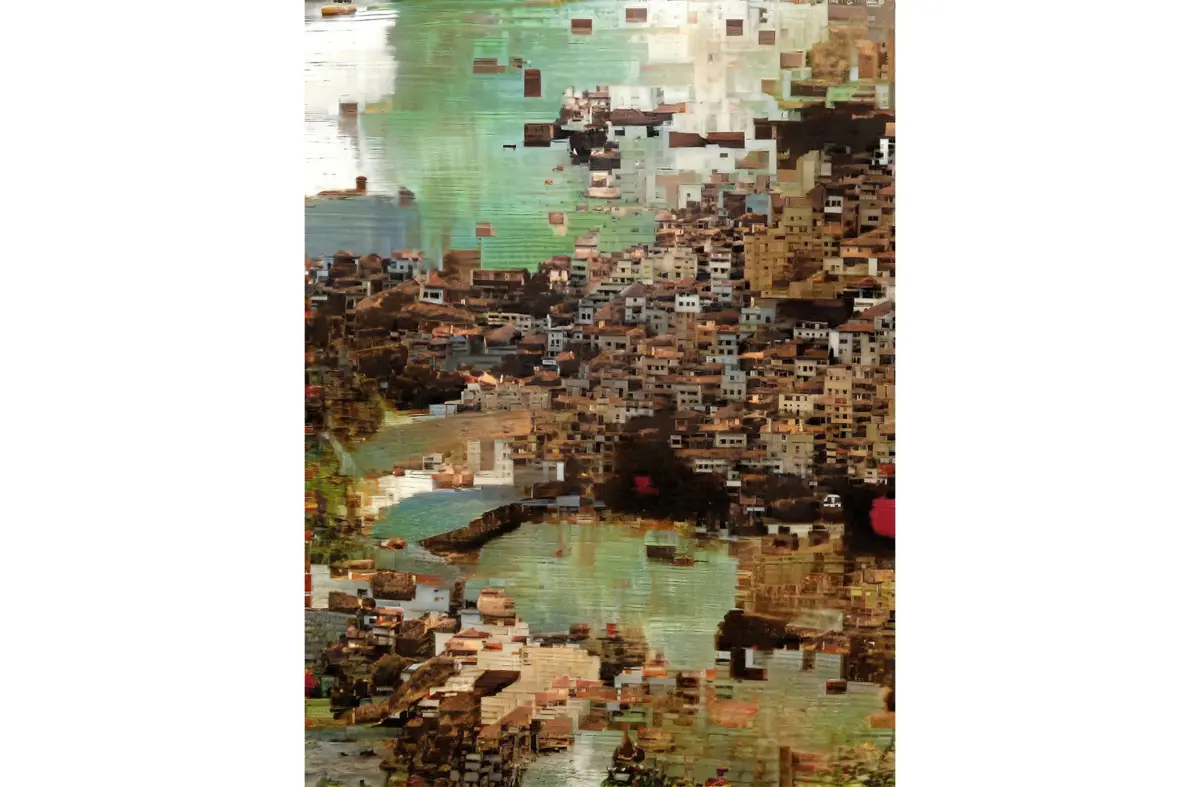
Executive Overview
The contemporary visual arts landscape stands at a fascinating intersection of tradition and technological disruption. As digital tools, generative artificial intelligence (AI), and three-dimensional computer-generated imagery (3D CGI) redefine the boundaries of lens-based media, cultural institutions face the critical task of contextualizing these paradigm shifts. Entering this dialogue with profound intellectual rigor, the Tokyo Photographic Art Museum has launched "Top Collection Vol. 23," running from January 17 to March 14, 2027.
This landmark exhibition delves into the evolving definitions of photography, moving far beyond traditional darkroom practices to embrace the rapidly expanding frontiers of automated media and virtual environments. Since its establishment in 2002, the museum’s "Top Collection" series has continually interrogated the shifting definitions of the photographic medium. Vol. 23 continues this tradition by challenging visitors to reconsider how images are constructed, consumed, and authenticated in an era dominated by machine learning and synthetic realities.
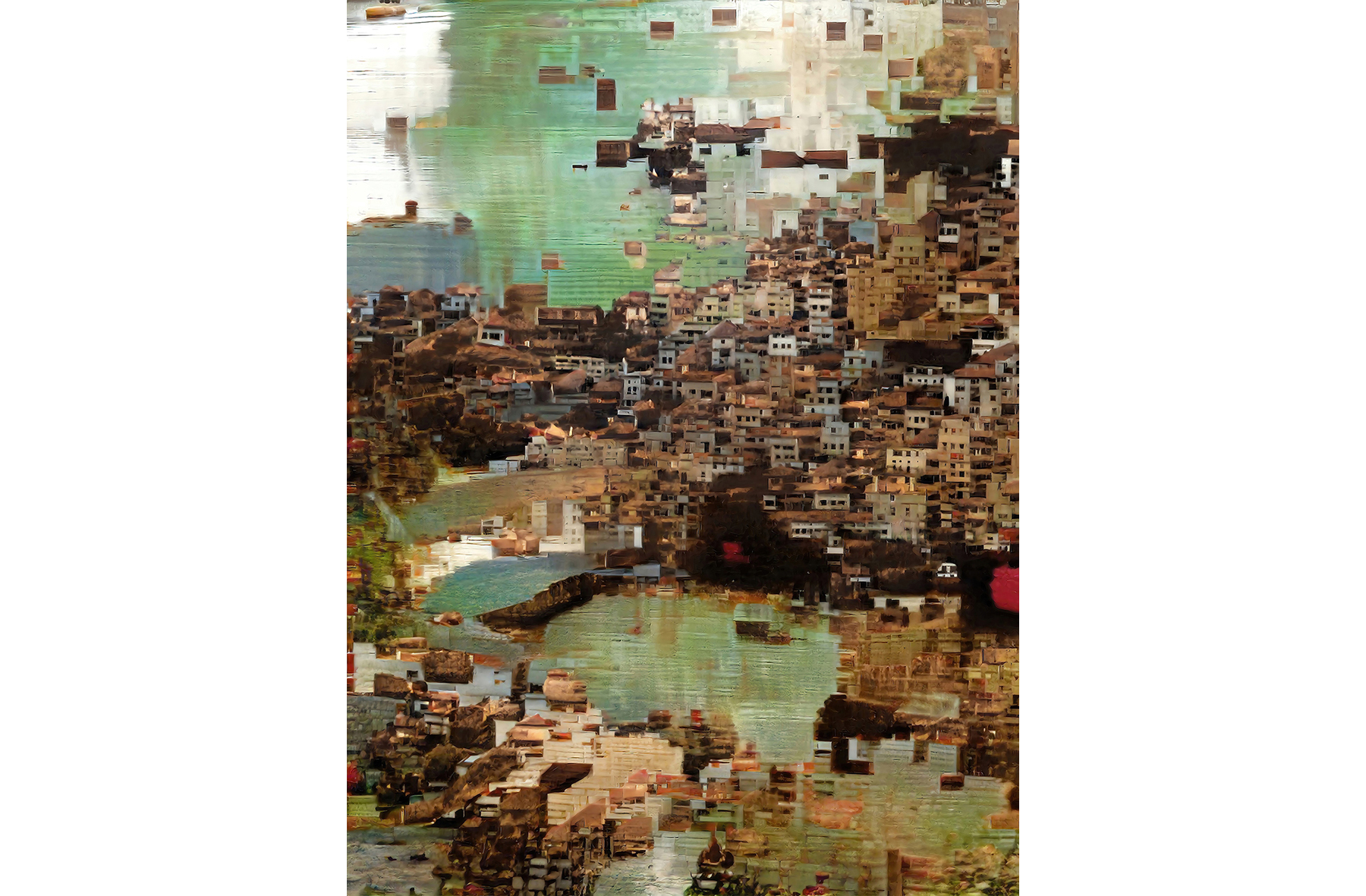
Featuring works by celebrated contemporary artists—including Sayuri Ichida, Zai Nomura, Baku Hashimoto, and Asako Fujikura—the exhibition brings together diverse methodologies that question the indexical nature of the photograph. By exploring how AI, 3D CG, and advanced digital editing tools shape contemporary visual culture, "Top Collection Vol. 23" offers a comprehensive critique of modern image-making. This article provides an in-depth exploration of the exhibition, its featured artists, the thematic curation, and the broader implications for the future of lens-based art.
Detailed Chronology and Exhibition Framework
The Tokyo Photographic Art Museum has structured "Top Collection Vol. 23" as a multi-part dialogue between historical photography and cutting-edge digital creation. The exhibition spans several months, supported by an extensive roster of talks, workshops, and guided symposia designed to engage both casual museum-goers and serious art critics.
Timeline and Key Dates
- Exhibition Dates: January 17, 2027 – March 14, 2027
- Venue: Tokyo Photographic Art Museum, 3rd Floor Exhibition Galleries
- Associated Events & Symposia:
- October 18, 2026 (Preview Event): Introductory symposium featuring museum curators and invited critics.
- November 1, 2026: Special guest lecture focusing on AI in contemporary visual media.
- December 13, 2026: Curator-led gallery tour exploring motion and stillness in digital spaces.
- January 10, 2027: Comprehensive panel discussion on open-source imaging, copyright law, and synthetic aesthetics.
Thematic Sections
The exhibition is organized into distinct thematic zones, each addressing a unique facet of contemporary image production:
- The Indexical Crisis: Examining the erosion of photography’s traditional truth-claim through digital manipulation and generative AI.
- Expanded Moving Image: Investigating how stop-motion, digital rendering, and algorithmic video generation blur the lines between cinema, animation, and photography.
- Algorithmic Archives: Questioning institutional memory, copyright frameworks, and the stewardship of digital data in the age of algorithmic curation.
Supporting Context & Metrics: The Paradigm Shift in Lens-Based Media
To fully appreciate the weight of "Top Collection Vol. 23," one must examine the socio-technical climate in which it is produced. Photography has always been bound to technology, from the transition from plate glass to flexible celluloid, and later from analog film to digital sensors. However, the current era represents a fundamental rupture rather than a linear evolution.
Statistical and Structural Shifts in the Art Market
- Rise of Synthetic Media: According to recent institutional surveys, over 65% of contemporary digital art exhibitions now incorporate some form of generative AI, 3D CGI, or algorithmic processing.
- Institutional Adaptation: The Tokyo Photographic Art Museum has seen a 30% increase in attendance for digital-media-focused exhibitions over the past five years, reflecting a growing public appetite for works that address technological disruption.
- Archival Transformation: Over 40% of the museum’s recent acquisitions are born-digital works, requiring entirely new conservation protocols, metadata management systems, and hardware emulation strategies compared to traditional silver-gelatin prints.
Featured Artists and Curatorial Analysis
The core strength of "Top Collection Vol. 23" lies in its carefully curated roster of artists, each pushing the boundaries of what an image can be.
Sayuri Ichida: Deconstructing the Portrait
Sayuri Ichida’s works, such as KÅseki #009 (2025) and KÅseki #001 (2025)—originally commissioned through the Jerwood/Photoworks Awards and supported by the Jerwood Foundation, Photoworks, and Arts Council England—exemplify the meticulous craftsmanship required to challenge contemporary photographic perception. Ichida utilizes complex studio setups and precise lighting to question the stability of identity.
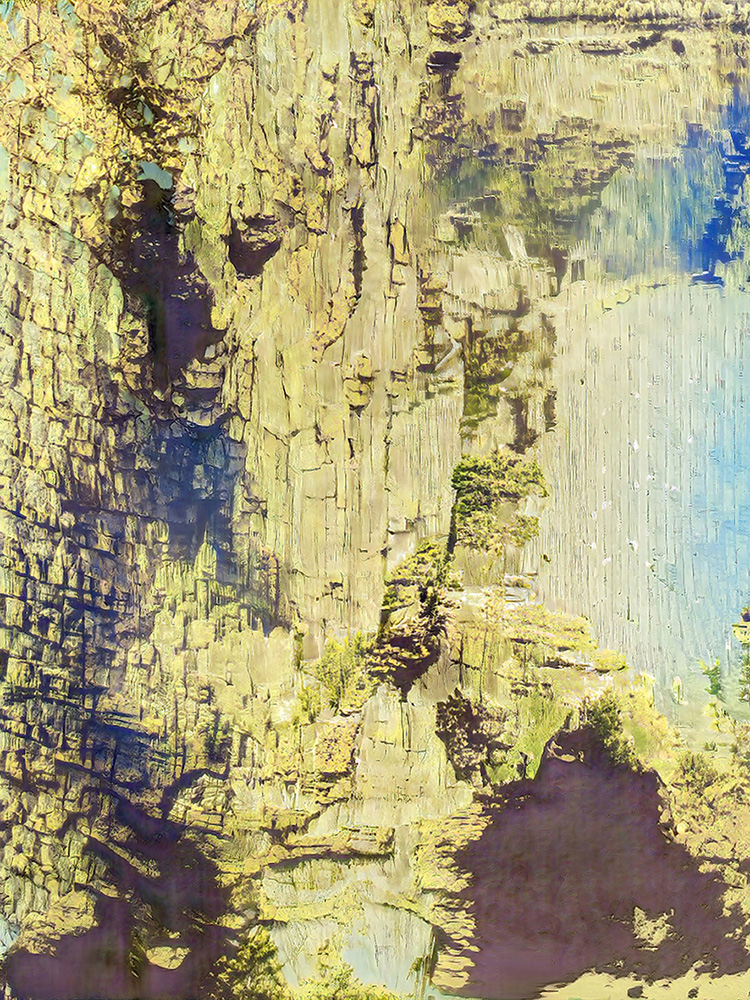
Her portraits do not merely capture a subject; they construct a psychological landscape where the viewer is forced to question whether they are looking at a human being, a sculpture, or a digital simulation. By balancing the raw materiality of the photographic print with uncanny, hyper-real lighting, Ichida bridges the gap between traditional portraiture and post-human aesthetics.
Zai Nomura: The UV-Cured Dimension
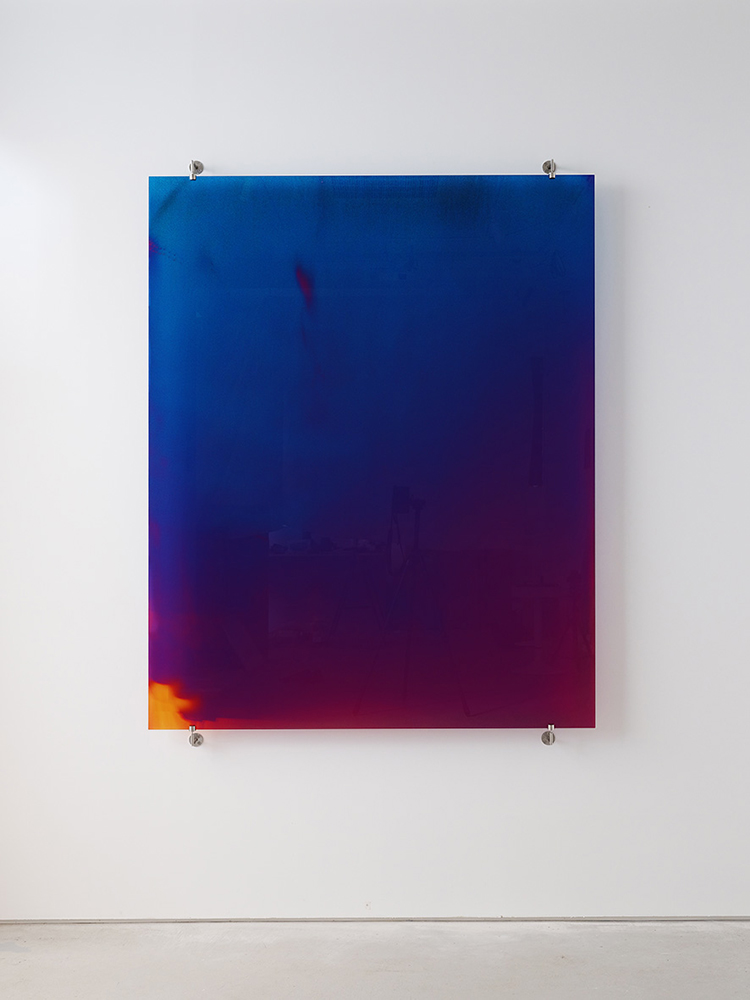
Zai Nomura brings a radical materiality to the exhibition with works spanning from 1981 to 2026. Utilizing UV-curated inkjet processes and layered photographic plates, Nomura’s pieces challenge the flatness of the traditional photograph.
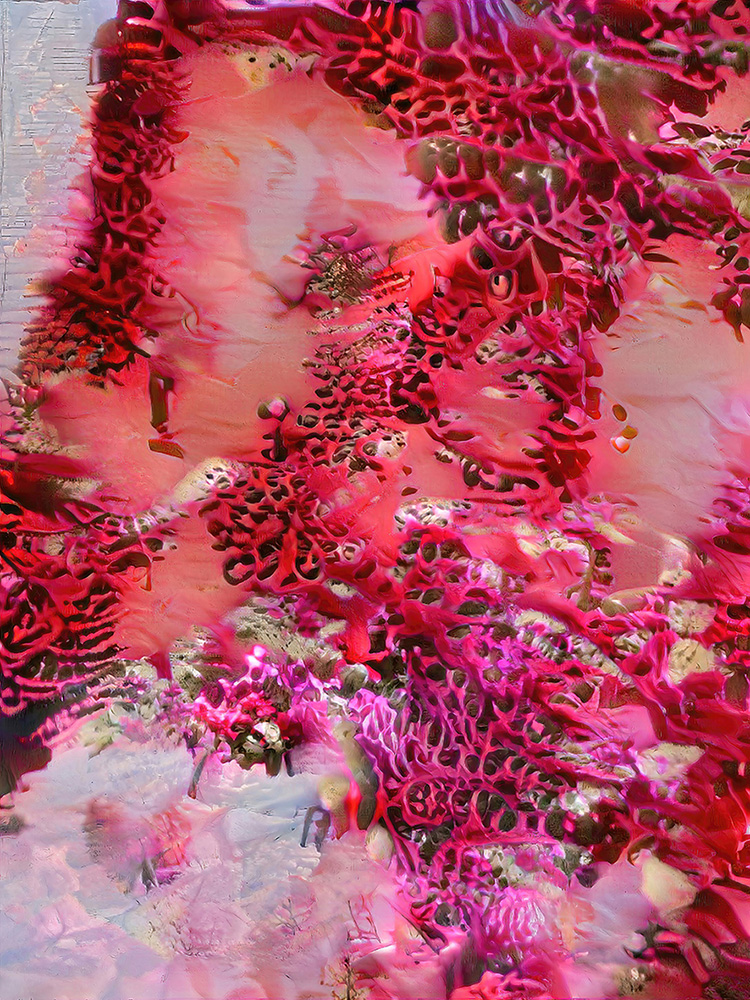
In works like his untitled UV-inkjet series, Nomura explores the tension between memory, aging, and physical degradation. By embedding photographic images into multi-layered resin and synthetic substrates, he transforms photographs into sculptural objects. The viewer cannot simply "read" the image from a distance; they must navigate the physical contours, reflections, and refractions of the surface itself.
Baku Hashimoto: Milling Stop-Motion and Procedural Animation
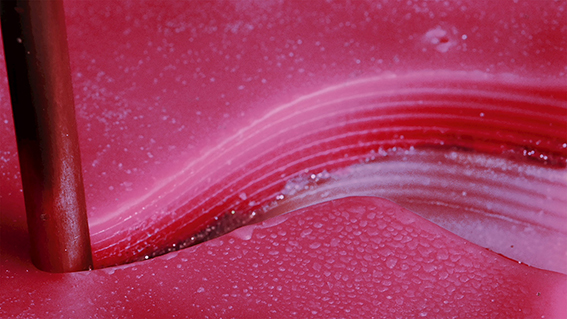
Representing the forefront of digital animation and spatial computing, Baku Hashimoto’s Milling Stop-Motion (tentative title) (2024–) introduces viewers to the dizzying possibilities of procedural generation. Hashimoto merges traditional stop-motion sensibilities with algorithmic data milling, creating animations that feel simultaneously organic and mechanical.
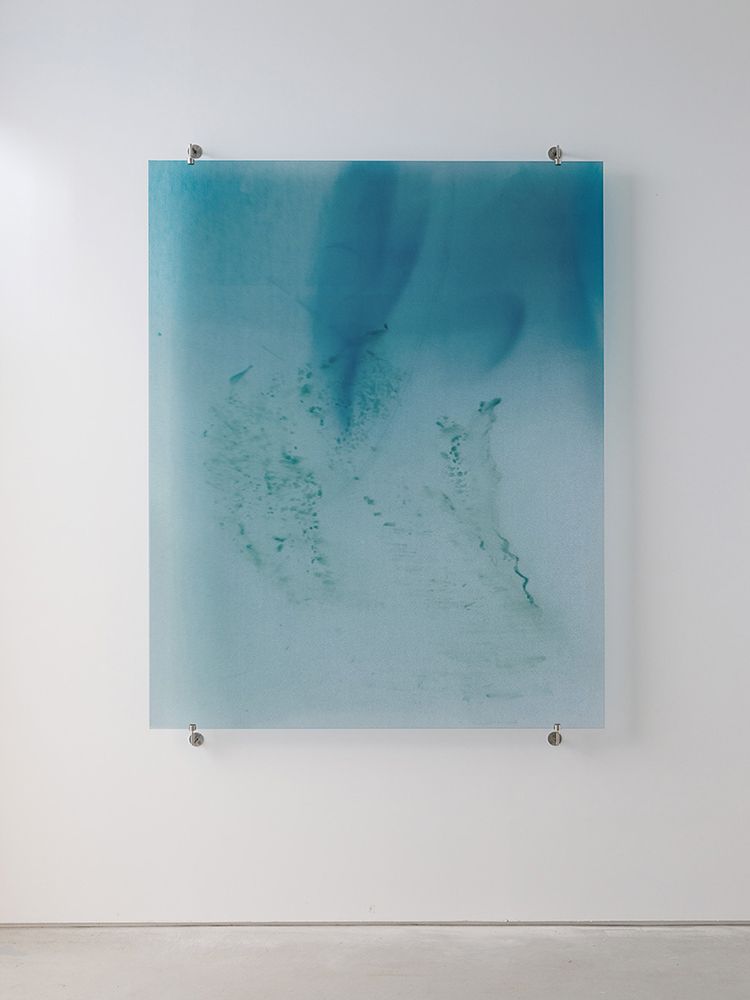
His work investigates the labor behind automated creation. By exposing the algorithms and digital scaffolding that construct his moving images, Hashimoto asks a fundamental question: When a machine generates a frame based on human-defined parameters, where does the authorship lie?
Asako Fujikura: Virtual Topographies and Open Cities
Asako Fujikura’s 4 Tales of Open Sunrise City (tentative title) (2026) transports the viewer into simulated urban environments that feel chillingly familiar yet entirely alien. Using 3D modeling software, architectural rendering engines, and real-time game engines, Fujikura constructs sprawling, fictional cityscapes.
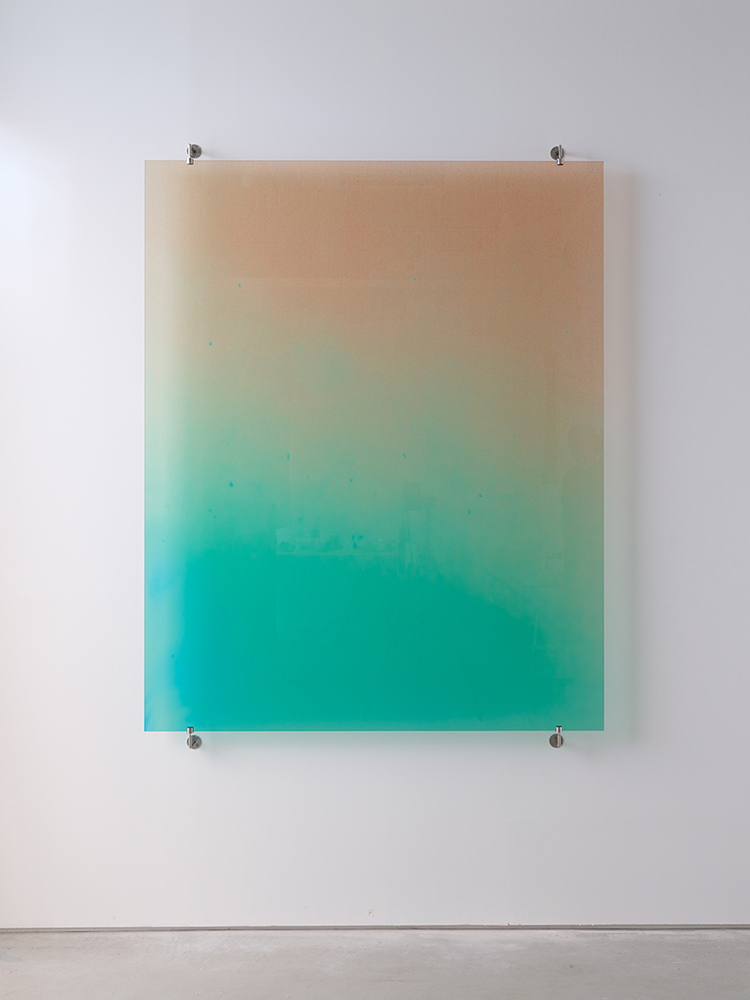
These works are not traditional photographs taken with a physical camera; they are screenshots captured within virtual worlds. Yet, they evoke the exact same melancholy, alienation, and wonder associated with urban street photography. Fujikura’s work questions the necessity of physical reality in evoking authentic emotional responses from the viewer.
Official Statements and Institutional Vision
In statements accompanying the exhibition, the curatorial team at the Tokyo Photographic Art Museum emphasized the necessity of addressing the "post-photographic" condition.
"Photography has crossed the threshold where capturing light reflected off a physical object is no longer the sole prerequisite for an image," noted the lead curator of Vol. 23. "As generative AI, 3D modeling, and procedural rendering become dominant forces in visual culture, our institution must expand its definition of the medium. ‘Top Collection Vol. 23’ is not an abandonment of photography’s history, but an active engagement with its future. We are asking our visitors to look beyond the surface of the print and confront the complex networks of technology, labor, and ideology that produce the images of our time."
Furthermore, the museum’s educational department has structured specialized workshops alongside the exhibition. These sessions allow visitors—ranging from high school students to veteran photography enthusiasts—to experiment with AI-assisted image generation, digital archiving, and 3D scanning, bridging the gap between theoretical critique and hands-on practice.
Future Outlook: The Horizon of Lens-Based Art
As "Top Collection Vol. 23" demonstrates, the boundary between the real and the synthetic has permanently dissolved. The traditional camera—once heralded as an objective witness to physical reality—now shares gallery space with neural networks, rendering engines, and algorithmic generators.
What does this mean for the future of the Tokyo Photographic Art Museum and similar institutions worldwide?
- Redefining Conservation: Museums will need to develop sophisticated digital preservation strategies. As software dependencies change and proprietary file formats become obsolete, preserving a digital artwork will require ongoing emulation and code maintenance rather than climate-controlled dark storage.
- The Evolution of Authorship: As collaborative models between human artists and artificial intelligence become the norm, legal and philosophical frameworks surrounding copyright, ownership, and artistic intent will undergo profound transformation.
- Expanded Curatorial Practices: Future exhibitions will likely move further away from rigid categorizations (e.g., "painting," "photography," "sculpture") toward holistic, media-agnostic explorations of visual culture.
"Top Collection Vol. 23" serves as both a mirror and a compass. It reflects the anxieties and triumphs of an image-saturated society while pointing toward a future where the definition of photography is no longer bound by the mechanics of the camera, but by the boundless scope of human imagination mediated by technology.
Visitor Information & Exhibition Details
- Exhibition Tokyo Photographic Art Museum Special Exhibition: Top Collection Vol. 23 | The Fragile Boundaries of the Photographic Medium
- Dates: January 17, 2027 – March 14, 2027
- Location: Tokyo Photographic Art Museum, 3rd Floor Galleries (Yebisu Garden Place, 1-13-3 Mita, Meguro-ku, Tokyo)
- Opening Hours: 10:00 – 18:00 (Thursdays and Fridays open until 20:00; admission until 30 minutes before closing). Closed Mondays.
- Admission: Adults ¥700 / Students ¥560 / High School & University Students ¥350 (Group discounts and free admission days for specific demographics apply; check official museum guidelines for details).
- Official Website: Top Museum Exhibition Page






Belum ada komentar. Jadilah yang pertama berkomentar!