

Executive Overview
The modern gaming landscape has transformed dramatically over the past decade. No longer constrained by physical cartridges, plastic discs, and brick-and-mortar retail storefronts, the global gaming community now thrives in an almost entirely digital ecosystem. Whether purchasing a new title on Steam, redeeming a PlayStation Network card for a seasonal expansion, or topping up in-game currency for a mobile battle royale, the contemporary gaming experience is inextricably linked to digital transactions.
However, this convenience brings its own set of administrative hurdles. Modern gamers rarely confine themselves to a single platform. A typical enthusiast might command a high-end gaming PC for sprawling open-world RPGs, a Nintendo Switch or PlayStation 5 for living-room console sessions, and a flagship smartphone for on-the-go competitive multiplayer titles like Mobile Legends: Bang Bang or PUBG Mobile.
Navigating this multi-platform reality means juggling a fractured web of individual storefronts, each with its own regional barriers, currency limitations, accepted payment methods, and account security protocols. For players living outside primary Western markets, or for those who simply wish to avoid storing credit card information across a half-dozen different gaming portals, managing digital wallets can become an exhausting chore.
Enter digital distribution and gaming marketplace platforms like SEAGM (Sea Gamer Mall). Rather than forcing users to jump between disjointed storefronts, SEAGM acts as an all-encompassing aggregation hub. By consolidating thousands of digital products—ranging from platform-agnostic wallet codes and prepaid gift cards to direct in-game currency top-ups—the platform offers a streamlined, flexible alternative to traditional direct-from-publisher purchasing. This comprehensive analysis explores why multi-platform aggregation hubs have become critical infrastructure for today’s gamers, how they solve persistent friction points in digital commerce, and why keeping such a service bookmarked is increasingly practical for both casual players and hard-core enthusiasts alike.
Detailed Chronology: The Shift from Physical Retail to Digital Aggregation
To understand the value proposition of modern digital marketplaces, it is necessary to examine how the mechanics of game purchasing have evolved since the turn of the millennium.
Phase 1: The Era of Physical Media and Specialized Retail (Late 1990s – Early 2010s)
For decades, acquiring a game or adding funds to an account required physical interaction. Gamers visited local electronics shops, department stores, or specialized hobby shops to buy discs, cartridges, and physical point cards. Payment methods were straightforward—cash, credit, or local debit cards—and regional restrictions were enforced naturally by geographic borders and console region-locking. While secure and straightforward in terms of localized cash flow, this system was inherently slow, limited by physical inventory, and entirely dependent on brick-and-mortar operating hours.
Phase 2: The Digital Monopoly and Fragmented Stores (2010s)
As broadband internet speeds accelerated and mobile gaming exploded, distribution rapidly shifted online. Valve’s Steam revolutionized PC gaming, while Sony, Microsoft, and Nintendo established their own locked-down digital storefronts for consoles. Concurrently, free-to-play mobile titles pioneered the live-service monetization model, relying heavily on microtransactions and in-app purchases.
While this liberated players from physical media, it created a new problem: fragmentation. Each publisher and platform demanded its own dedicated payment gateway. Gamers were forced to link sensitive financial instruments—such as credit cards or PayPal accounts—to multiple discrete systems. Furthermore, users residing in developing regions frequently encountered friction due to lack of localized payment support, unsupported currencies, or strict cross-border transaction fees imposed by traditional banking institutions.
Phase 3: The Rise of Third-Party Digital Aggregators (Present Day)
Recognizing the growing administrative fatigue among consumers, digital marketplaces emerged to bridge the gap between regional buyers, varied payment preferences, and global game publishers. Platforms like SEAGM evolved from niche regional card resellers into comprehensive, multi-currency global ecosystems. Today, these platforms utilize automated code-delivery systems, instant direct top-ups, and hundreds of localized payment integrations to provide a unified checkout experience for a globally dispersed gaming audience.
Supporting Context & Metrics: Navigating Friction in the Digital Economy
The growth of third-party digital storefronts is driven by real, measurable pain points experienced by global consumers. Industry analysts frequently cite several core friction points that push users away from direct-to-consumer publisher storefronts:
1. Payment Method Limitations and Financial Security
Not all gamers possess internationally recognized credit cards, nor do they feel comfortable saving their primary financial credentials across multiple disparate gaming accounts. Data breaches, unauthorized microtransactions, and accidental family spending are legitimate concerns for digital consumers.
Prepaid gift cards and centralized digital wallets act as a financial firewall. By purchasing fixed amounts of credit through a secure intermediary like SEAGM, users can establish a strict gaming budget. This approach is particularly favored by parents who wish to enable their children’s hobby without handing over unrestricted access to primary banking cards.
2. Regional Barriers and Currency Localization
Global game pricing and availability are notoriously complex. A player living in Southeast Asia, Latin America, or Eastern Europe may find that local payment processors are either unsupported by major Western digital storefronts or subject to exorbitant international conversion fees. Aggregator platforms counter this by partnering with hundreds of regional payment gateways—ranging from local e-wallets and convenience store cash payments to regional bank transfers—enabling users to transact in their native currencies with minimal overhead.
3. The Multi-Device Dilemma
The modern gaming demographic is rarely loyal to a single piece of hardware. According to consumer gaming data, a significant percentage of core gamers engage with at least two distinct gaming platforms on a weekly basis (e.g., PC plus mobile, or console plus PC). Managing separate balances across Steam, the PlayStation Network, the Nintendo eShop, and various mobile game accounts requires significant administrative overhead. A single platform that houses gift codes, wallet credits, and direct top-ups for all these ecosystems drastically reduces checkout times.
Official Insights & Strategic Advantages
When evaluating whether to purchase digital goods directly from a primary publisher or through an aggregator, industry observers point to several distinct operational benefits offered by platforms like SEAGM:
- Centralized Convenience: Users no longer need to maintain active accounts with multiple regional payment processors just to fund different gaming habits. Whether picking up Steam Wallet funds for a PC weekend sale or buying Mobile Legends diamonds on a smartphone, everything is accessible via a single login.
- Promotional Flexibility and Value: Independent digital marketplaces frequently run seasonal promotions, loyalty rewards programs, and coupon drops that can stack on top of standard retail discounts. Savvy consumers often cross-reference prices and promotional vouchers between official stores and aggregator platforms to maximize their purchasing power.
- Direct Top-Up Efficiency: For live-service mobile titles, typing in long redemption codes can be tedious. Modern platforms support direct account top-ups, where inputting a user ID and server zone allows currency to be credited instantly to the target account without manual code entry.
However, industry experts also advise caution and adherence to best practices when utilizing third-party digital stores. Consumers must always verify the following parameters prior to completing a transaction:
- Region Matching: Digital keys and wallet cards are frequently locked to specific geographic regions (e.g., US, SEA, EU). Buyers must ensure that the product region strictly matches the country setting of their target gaming account.
- Denomination Verification: Confirming the exact monetary value or currency quantity (such as UC in PUBG Mobile or Diamonds in Mobile Legends) prevents costly mistakes during impulse purchases.
- Redemption Requirements: Familiarizing oneself with how a code must be redeemed—whether through a desktop launcher, a mobile app, or a console dashboard—ensures a frictionless activation process.
Future Outlook: The Next Generation of Digital Gaming Commerce
As the gaming industry continues its relentless march toward fully digital, cloud-assisted, and cross-platform ecosystems, the need for seamless digital commerce infrastructure will only intensify.
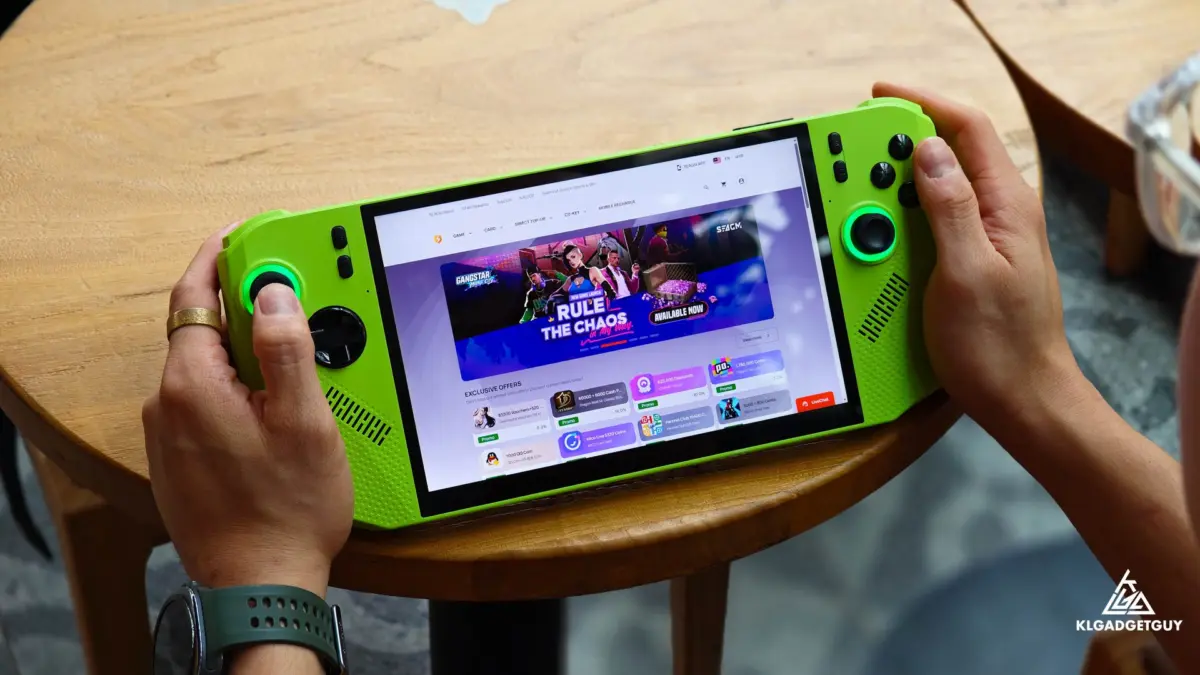
Upcoming hardware iterations—ranging from advanced handheld gaming PCs and cloud-streaming consoles to next-generation mobile chipsets—will continue to blur the lines between traditional and mobile gaming. In this hyper-connected environment, friction is the ultimate enemy of consumer enjoyment. When a player fires up a newly configured device, the transition from unboxing to active gameplay should be as frictionless as possible.
Platforms that successfully unify digital currency distribution, guarantee transaction security, and support localized payment methods worldwide are well-positioned to remain indispensable bookmarks for the global gaming community. While primary storefronts like Steam, PlayStation, and Nintendo will always serve as the foundation of digital distribution, auxiliary aggregation hubs like SEAGM provide the flexible, multi-platform gateway modern gamers need to keep their digital worlds funded, organized, and ready for action.






Belum ada komentar. Jadilah yang pertama berkomentar!