

Executive Overview
The Korean entertainment landscape continues to be a dynamic ecosystem driven by intense viewer engagement, critical acclaim, and shifting cultural touchstones. In the latest metric release by the Korean Business Research Institute, the August drama brand reputation rankings have captured the pulse of contemporary television consumption, shedding light on the series that have successfully commanded public attention.
Analyzing data collected from July 13 to August 13, the institute evaluated the performance of 21 prominent television dramas currently airing or recently concluded. The comprehensive assessment utilized a sophisticated big-data methodology to measure consumer participation, media coverage, interaction, community awareness, and viewership indexes. This rigorous evaluation provides an authoritative overview of how these productions resonate not only within domestic markets but across the broader global Hallyu wave.
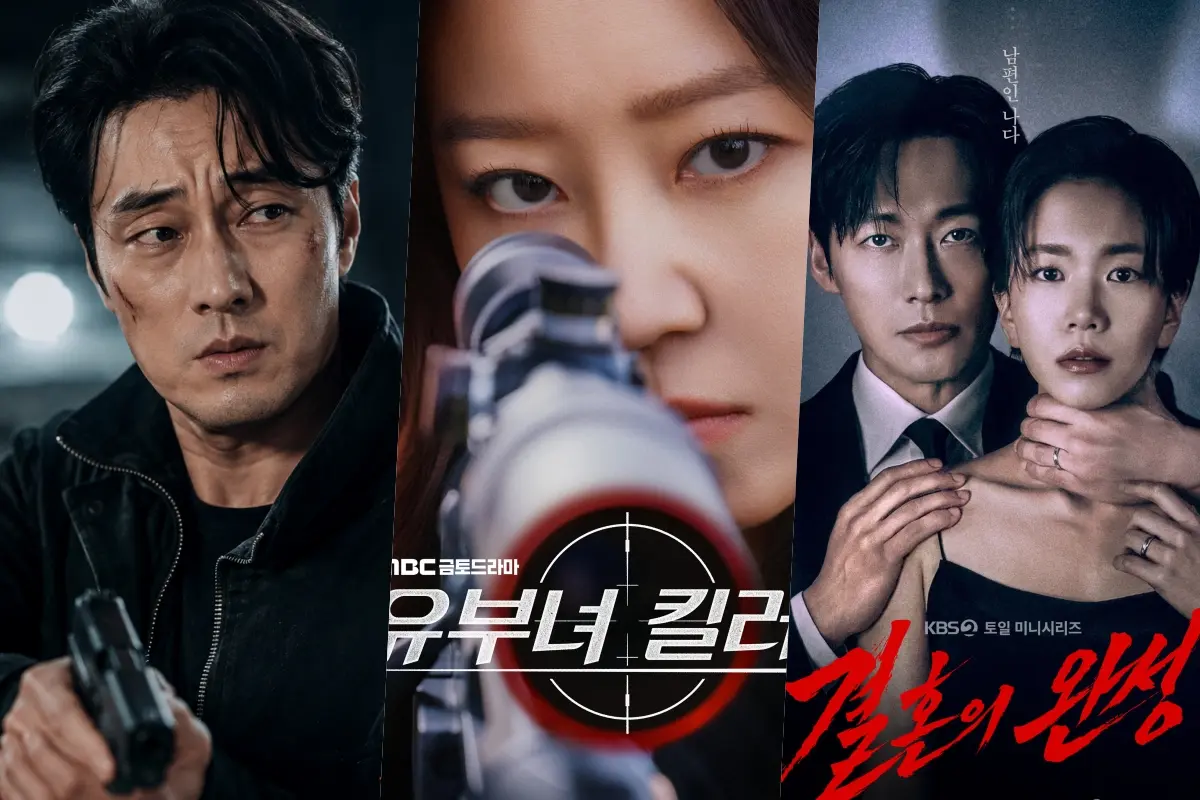
At the pinnacle of this month’s standings is the high-octane thriller Agent Kim Reactivated, which dominated the field with an impressive brand reputation index of 8,844,999. Backed by stellar performances from its lead cast, including So Ji Sub and Yoon Kyung Ho, and fueled by a remarkable 23 percent peak in viewership ratings, the series has set a high watermark for television excellence this season. Following closely behind are gripping contenders such as A Bona Fide Killer and The Husband, illustrating a fiercely competitive marketplace where narrative depth and star power remain paramount.
This report offers an exhaustive analysis of the August brand reputation data, exploring the underlying metrics, audience sentiment, and industry implications that define the current golden age of K-dramas.
Detailed Chronology: The Methodology and Data Collection Window
Understanding the mechanics behind the brand reputation rankings requires a look into how the Korean Business Research Institute compiles its data. The measurement period spanning from July 13 to August 13 captured a critical summer broadcasting window, a time traditionally characterized by high viewership as audiences seek engaging storytelling during peak vacation seasons and warm-weather evening hours.
The Big Data Framework
The evaluation model moves far beyond simple traditional television ratings (Nielsen Korea metrics). Instead, it synthesizes a multi-dimensional digital footprint left by viewers across the internet and broadcast media. The index is broken down into five core pillars:
- Consumer Participation Index: Measures the direct volume of consumer actions related to the drama, such as streaming engagement, forum participation, and web searches.
- Media Coverage Index: Tracks the frequency and reach of news articles, press releases, and entertainment journalism covering the production, its cast, and its broadcast milestones.
- Interaction Index: Evaluates how viewers and fans interact with digital content regarding the show, including social media shares, comments, and community discussions.
- Community Awareness Index: Assesses the broader cultural footprint of the drama within online communities, reflecting organic word-of-mouth buzz and general public discourse.
- Viewership Index: Incorporates traditional linear broadcast ratings, serving as a baseline anchor for how many households tuned in during live airings.
During the July 13–August 13 evaluation window, algorithms processed millions of data points concerning 21 prominent dramas. The resulting scores establish a clear hierarchy of cultural relevance, mapping out which series successfully captured the collective imagination of South Korean and international audiences alike.
Supporting Context & Metrics: Breaking Down the Top Contenders
The August rankings highlight a diverse array of genres, ranging from intense action thrillers to romantic comedies and historical dramas. Each top-tier show brought distinct elements to the table, reflected in their quantitative scores and qualitative sentiment analyses.
1. Agent Kim Reactivated (Rank 1)
Securing the number one spot with a dominant brand reputation index of 8,844,999, Agent Kim Reactivated proved to be an unstoppable force this month. The series resonated deeply with audiences through its high-stakes plotting and stellar performances.
- Keyword Analysis: Prominent keywords associated with the drama included lead actors So Ji Sub and Yoon Kyung Ho, alongside the milestone metric "23 percent viewership ratings." These figures underscore the show’s rare ability to capture both critical acclaim and mass-market commercial success.
- Related Terms Analysis: Related terms skewing heavily toward the positive included "thankful," "happy," and "gift." This terminology indicates a deeply appreciative fan base that views the weekly episodes as a rewarding experience rather than mere entertainment.
- Positivity-Negativity Breakdown: The sentiment analysis yielded an overwhelmingly positive score of 92.64 percent, signaling an exceptionally high level of viewer satisfaction and low levels of narrative friction or controversy.
2. A Bona Fide Killer (Rank 2)
Claiming the runner-up position, A Bona Fide Killer established a formidable brand reputation index of 6,618,290. Known for its razor-sharp writing and intricate character dynamics, the series has carved out a dedicated following. Its strong performance across media coverage and interaction indexes highlights its status as a critical darling and a favorite subject for online analysis and fan theories.
3. The Husband (Rank 3)
Landing in third place with a brand reputation index of 6,150,594, The Husband tapped into complex domestic themes and emotional resonance. The drama’s ability to maintain a position in the top tier speaks to the enduring appeal of character-driven relationship narratives within the contemporary K-drama sphere.
4. The East Palace (Rank 4)
Stepping into the fourth position, the historical-fusion or period drama The East Palace secured a brand reputation index of 5,395,652. Period pieces continue to hold a vital place in the Korean broadcasting ecosystem, offering lush aesthetics, political intrigue, and timeless emotional stakes that consistently draw strong community awareness.
5. Spooky in Love (Rank 5)
Rounding out the top five is the genre-bending romantic comedy Spooky in Love, which pulled in a brand reputation index of 4,705,095. By blending supernatural elements with romantic tropes, the series captured the lighter, escapist desires of summer television viewers, driving high levels of social media interaction and meme culture.
Official Statements and Industry Insights
In the wake of the August data release, industry analysts and broadcasting executives have weighed in on what these rankings reveal about the current trajectory of the Korean entertainment industry.
According to representatives from the Korean Business Research Institute, the success of top-ranking programs like Agent Kim Reactivated demonstrates the shifting expectations of modern viewers. "Today’s television consumer does not merely watch a drama; they participate in its ecosystem," noted an institute spokesperson. "The high positivity scores and robust interaction indexes show that audiences value narratives that offer emotional resolution, high production values, and stellar lead performances that invite communal discussion."
Furthermore, streaming integration has fundamentally altered how brand reputation is sustained. With platforms like Viki serving as global distribution hubs for titles such as A Bona Fide Killer, Family Register, and Love on the Menu, domestic success is increasingly mirrored by international acclaim. Producers note that global fandoms now play an active role in driving media coverage and community awareness metrics, transforming localized broadcasting events into worldwide cultural phenomena.
Industry insiders also pointed to the remarkable achievement of Agent Kim Reactivated crossing the 23 percent viewership threshold. In an era fragmented by multi-channel cable networks and subscription video-on-demand (SVOD) streaming services, achieving double-digit linear ratings—let alone reaching the mid-20s—is a testament to appointment viewing’s enduring power when paired with compelling storytelling.
Future Outlook: What Lies Ahead for the K-Drama Landscape
As the industry looks past the August data window toward the autumn season, several key trends and trajectories are poised to shape the future of Korean dramas.
1. The Elevation of Hybrid Genres
The strong performance of titles like Spooky in Love and A Bona Fide Killer indicates that audiences are growing increasingly fatigued by rigid, single-genre storytelling. Future productions are expected to lean heavily into hybrid formats—combining action with psychological thrillers, or fantasy with grounded romance—to continuously surprise and engage sophisticated viewers.
2. The Synergy of Linear Broadcasting and Global Streaming
The traditional broadcast model is no longer operating in isolation. The integration of domestic hits onto international platforms ensures that brand reputation indexes will continue to be heavily influenced by cross-border viewership. As global streaming services refine their acquisition strategies, Korean production houses are likely to design their narratives with both local cultural nuances and international universal appeal in mind from the earliest script-writing phases.
3. Talent Retention and Star Power
The heavy presence of seasoned actors like So Ji Sub in top-ranking properties demonstrates that established star power remains a critical anchor for high-budget productions. However, the data also reveals that breakout hits depend equally on inventive writing and high production values. Moving forward, networks and studios will need to balance bankable leading talent with fresh creative voices to maintain the high standards reflected in this month’s 92.64 percent positive sentiment score.
In conclusion, the August drama brand reputation rankings paint a picture of a vibrant, highly competitive, and globally connected industry. As creators adapt to the rigorous demands of modern audiences, the Korean drama ecosystem remains well-positioned to set global standards for narrative engagement and television excellence.




Belum ada komentar. Jadilah yang pertama berkomentar!